

 साझा करें
 साझा करें
 विस्तृत विवरण

 डाउनलोड करें
 समान कलाकृतियाँ
 स्लाइड शो देखें
Clothing fabric


 पूरा देखें
हाथ से बनी ऑयल रिप्रोडक्शन
आपके आकार और फ्रेम के अनुसार कैनवास पर हाथ से बनी ऑयल पेंटिंग, हमारे कलाकारों द्वारा विशेष रूप से ऑर्डर पर तैयार। ( प्रिंट खरीदें छवि खरीदें)




































कलाकृति के मूल अनुपात से मेल खाने वाले हमारे पूर्व निर्धारित आकारों में से चुनें।

आप किसी विशिष्ट फ्रेम या स्थान के अनुसार अपने स्वयं के आयाम (dimensions) दर्ज कर सकते हैं। यदि आपके द्वारा चुना गया आकार मूल छवि के अनुपात से मेल नहीं खाता है, तो हम कलाकृति को क्रॉप करेंगे या पेंटिंग में अतिरिक्त हाथ से चित्रित तत्व जोड़कर उसका विस्तार करेंगे। उत्पादन शुरू होने से पहले आपकी स्वीकृति के लिए एक डिजिटल मॉकअप भेजा जाएगा।
कृपया ध्यान दें कि स्क्रीन पर दिखने वाला पूर्वावलोकन वास्तविक क्रॉपिंग या विस्तार को नहीं दर्शाता है। केवल मॉकअप ही अंतिम रचना को सटीक रूप से दिखाएगा।
यद्यपि कस्टम आकार उपलब्ध हैं, फिर भी हम मूल अनुपात बनाए रखने के लिए पूर्व-निर्धारित सूची से आयाम चुनने की सलाह देते हैं।
ऑर्डर देने के बाद, OriginalUniqueArt.com टीम निर्देशों के लिए क्लाइंट को ईमेल करेगी और एक मॉकअप प्रीव्यू प्रदान करेगी
विश्वव्यापी वितरण () मानक 5 सप्ताह के बजाय मात्र 3/4 सप्ताह में। (13 अगस्त)। गुणवत्ता से कोई समझौता नहीं।

दुनिया भर में मुफ़्त एक्सप्रेस शिपिंग

उच्च गुणवत्ता वाला लिनेन कैनवास

पूर्ण शिपिंग बीमा

सीमा शुल्क और आयात कर वापसी की गारंटी

सटीक रंग मिलान की गारंटी

60-दिन की वापसी नीति (केवल दोषों के लिए)

100% पैसे वापसी की गारंटी

थोक छूट का लाभ
 ग्लास का विकल्प केवल 110 सेमी से कम आकार में ही उपलब्ध है।

Clothing fabric
प्रतिकृति की विधि
प्रतिकृति का आकार
-


कुल देय राशि
$ 300
कलाकृति का विवरण
A Tapestry of Everyday Wonders
In the vibrant and whimsical textile painting Clothing fabric, created in 1975 by the evocative artist Anna Borkowska, we are invited into a playful world where the mundane is transformed into a rhythmic celebration of color and form. The artwork presents a mesmerizing grid-like pattern, reminiscent of a tiled mosaic or a checkerboard floor, which serves as a structured stage for an eclectic collection of personal belongings. Within each blue-outlined cell, Borkowska has meticulously placed a variety of charming accessories—red handbags, sunny yellow hats, azure caps, and even a pair of striking sunglasses. This deliberate arrangement creates a sense of organized chaos, where the rigidity of the geometric grid meets the spontaneous, casual placement of objects, inviting the viewer to wander through each tile as if exploring a treasure trove of forgotten memories.
The technique employed in this piece speaks to Borkowska’s profound mastery of textile art. By utilizing a bright, high-contrast palette against a crisp white background, she achieves a visual pop that is both energetic and soothing. The interplay between the primary colors—the bold reds, deep blues, and cheerful yellows—creates a rhythmic pulse across the canvas. Each item, from the soft texture of a red scarf to the structured silhouette of a yellow bag, is rendered with a delicate touch that suggests the tactile nature of fabric itself. For the collector or interior designer, this piece offers a unique graphic quality; its clean lines and balanced composition make it an ideal focal point for modern spaces, providing a burst of joy and a sophisticated pop of color that can breathe life into any room.
Resilience Woven in Color
To truly appreciate Clothing fabric, one must look beyond the surface brightness to the historical soul of the artist. Anna Borkowska’s life was defined by profound displacement and the strength required to rebuild amidst the shadows of Soviet exile and the hardships of Siberian resettlement. This piece, created decades after her most tumultuous years, can be viewed as a triumphant reclamation of joy. The "threads of memory" mentioned in her biography are present here not as heavy burdens, but as light, celebratory fragments of daily life. By focusing on clothing and accessories—items that are intimately connected to our identity and how we present ourselves to the world—Borkowska transforms simple objects into symbols of stability and the enduring spirit of human experience.
The emotional impact of the work lies in its ability to evoke nostalgia while remaining firmly rooted in a sense of play. There is a certain whimsy in seeing a red shoe paired with a yellow glove, an arrangement that feels both accidental and deeply intentional. For those seeking to decorate a space with art that tells a story, this reproduction offers more than just aesthetic beauty; it provides a conversation piece about the beauty found in the small, everyday details of life. It is a testament to the idea that even after the most difficult winters, color and pattern can emerge to create a landscape of warmth, resilience, and unbridled delight.
कलाकार का जीवन परिचय
अन्ना बोर्कोव्स्का: स्मृति और लचीलेपन के धागे
अन्ना बोर्कोव्स्का (1916 – 2008) सोवियत निर्वासन की कठिन परिस्थितियों से उभरीं, जिन्होंने टेक्सटाइल आर्ट यानी वस्त्र कला में अपनी एक विशिष्ट कलात्मक राह बनाई। यह माध्यम न केवल उनकी व्यक्तिगत यात्रा का प्रतिबिंब था, बल्कि विस्थापन, स्मृति और मानवीय अनुभव की अटूट भावना जैसे व्यापक विषयों की एक शक्तिशाली अभिव्यक्ति भी था। रूस के मायकोलाइव में जन्मी बोर्कोव्स्का का प्रारंभिक जीवन द्वितीय विश्व युद्ध की उथल-पुथल और उसके बाद पोलैंड पर सोवियत कब्जे की घटनाओं से पूरी तरह बदल गया। अपने परिवार के साथ मातृभूमि छोड़ने को मजबूर होकर, उन्होंने साइबेरिया में पुनर्वास की कठिनाइयों को झेला—यह एक ऐसा परिवर्तनकारी काल था जिसने उनके भीतर भेद्यता और लचीलेपन की गहरी समझ विकसित की। उथल-पुथल के इसी परिवेश के बीच उनकी कलात्मक अभिरुचि फली-फूली। वस्त्रों के प्रति बोर्कोव्स्का का आकर्षण अमूर्त भावनाओं और अनुभवों को पकड़ने की एक सहज इच्छा से उपजा था—ऐसी यादें जिन्हें स्वयं कपड़े के रेशों में बुना जा सके। अपने समय के उन कई कलाकारों के विपरीत जो यथार्थवादी चित्रकला पर ध्यान केंद्रित करते थे, बोर्कोव्स्का ने अमूर्तन को अपनाया। उन्होंने रंगों के ऐसे पैलेट का उपयोग किया जो बाल्टिक सागर की याद दिलाते थे—एक ऐसा परिदृश्य जो उनके अवचेतन में गहराई से बसा हुआ था और जो शांति तथा अशांत लहरों, दोनों का प्रतीक था। उनकी विशिष्ट शैली ने सूक्ष्म शिल्प कौशल को एक ऐसी वैचारिक गहराई के साथ जोड़ा, जिसने दुनिया भर के दर्शकों को मंत्रमुग्ध कर दिया। उनके जीवन में एक निर्णायक मोड़ तब आया जब उन्हें जाफर पनाही की प्रशंसित फिल्म “द व्हाइट बैलून” (1995) में एक परोपकारी वृद्ध महिला के चित्रण के लिए अंतरराष्ट्रीय पहचान मिली। इस भूमिका ने एक अभिनेत्री के रूप में बोर्कोव्स्का की प्रतिष्ठा को सुदृढ़ किया, जो गहरी सहानुभूति व्यक्त करने और मानवीय संबंधों के सार को पकड़ने में सक्षम थीं—एक ऐसा कौशल जो उनके कलात्मक प्रयासों में भी सहजता से झलकता था। उनका कार्य निरंतर हानि, पुरानी यादों और अपने अतीत का सामना करने की परिवर्तनकारी शक्ति जैसे विषयों की खोज करता रहा। बोर्कोव्स्का की कलाकृतियों में कई वस्त्र कलाकृतियाँ शामिल हैं, जिनमें विशेष रूप से “क्लॉथिंग फैब्रिक” (1972) उल्लेखनीय है, जो एक मंत्रमुग्ध कर देने वाला वॉटरकलर डिज़ाइन है, जिसमें मोज़ेक जैसी पैटर्न में ठंडे नीले और बैंगनी रंगों का उपयोग किया गया है। यह कृति रंग और बनावट के माध्यम से भावनाओं को व्यक्त करने की उनकी प्रतिबद्धता का उदाहरण है—एक ऐसी तकनीक जो जटिल भावनाओं को दृश्य रूप में ढालने की कलाकार की क्षमता को दर्शाती है। कलाकृति का शांत सौंदर्य स्मृति और परिवर्तन के विषयों पर चिंतन के लिए आमंत्रित करता है, जो एक शरणार्थी के रूप में बोर्कोव्स्का के अपने जीवन के अनुभव को प्रतिबिंबित करता है, जिन्होंने कलात्मक सृजन में सुकून पाया था। अपने समकालीनों की तुलना में अपेक्षाकृत कम कलाकृतियों के बावजूद, अन्ना बोर्कोव्स्का ने ईरानी सिनेमा और व्यापक कला जगत पर एक अमिट छाप छोड़ी। अपने शिल्प के प्रति उनके अटूट समर्पण—और अपनी कला में भावनात्मक गूंज भरने की उनकी क्षमता—ने यह सुनिश्चित किया कि उनकी विरासत उनके जीवनकाल के बाद भी जीवित रहे। वे प्रतिकूलता का सामना करने और मानवीय स्मृति में निहित सुंदरता का उत्सव मनाने में कलात्मक अभिव्यक्ति की परिवर्तनकारी क्षमता का एक जीवंत प्रमाण बनी हुई हैं।
अन्ना बोर्कोव्स्का
1916 - 2008 , रूस
मुख्य तथ्य
- Artistic Movement Or Style: टेक्सटाइल आर्ट
- Date Of Birth: 1916
- Date Of Death: 2008
- Full Name: अन्ना बोरकोव्स्का
- Nationality: पोलिश
- Notable Artworks: ['क्लोथिंग फैब्रिक']
- Place Of Birth: मायकोलाइव, रूस
संबंधित लेख

Slate Blue Masterpieces: 10 Iconic Paintings & Timeless Home Decor Ideas
Immerse yourself in the captivating world of slate blue! Explore 10 iconic paintings by Monet, Van Gogh & Renoir. Discover their stories, techniques & find museum-quality art reproductions for your home at .
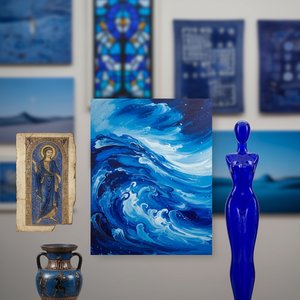
The Allure of Azure: Exploring the Symbolic & Aesthetic Depths of Blue in Art History
Explore the rich history of blue in art! Discover its symbolism, from ancient pigments to modern masterpieces by Kandinsky & Seurat. Uncover the psychological impact and cultural meanings behind this captivating hue.
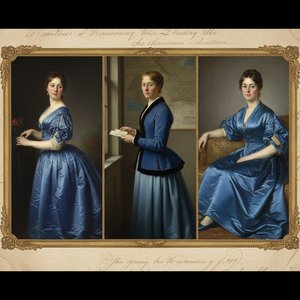
Azure Visions: Exploring Representations of the Blue Dress in Western Art History
Explore the rich history of the blue dress in Western art! Discover its symbolism, from Renaissance masterpieces to modern interpretations by artists like Martin & Schiele. Uncover cultural meanings and artistic techniques.
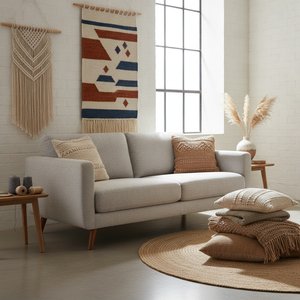
Woven Wonders: A Beginner's Guide to Elevating Your New Home with Timeless Textile Art
Discover how to transform your new home with the warmth of textile art. Our expert guide for newlyweds explores handwoven tapestries, tactile fibers, and timeless ways to curate a soulful, sophisticated interior through beautiful woven wonders.

Beyond the Canvas: Unveiling the Timeless Grandeur and Tactile Artistry of Textile Masterpieces
Embark on a sophisticated journey through the tactile realm of textile art. Unveil the historical evolution from utilitarian craft to museum-grade masterpieces, exploring the intricate textures and legendary artists that redefine the boundaries of fine art.

