
 साझा करें
 साझा करें
 विस्तृत विवरण

 डाउनलोड करें
 समान कलाकृतियाँ
 स्लाइड शो देखें
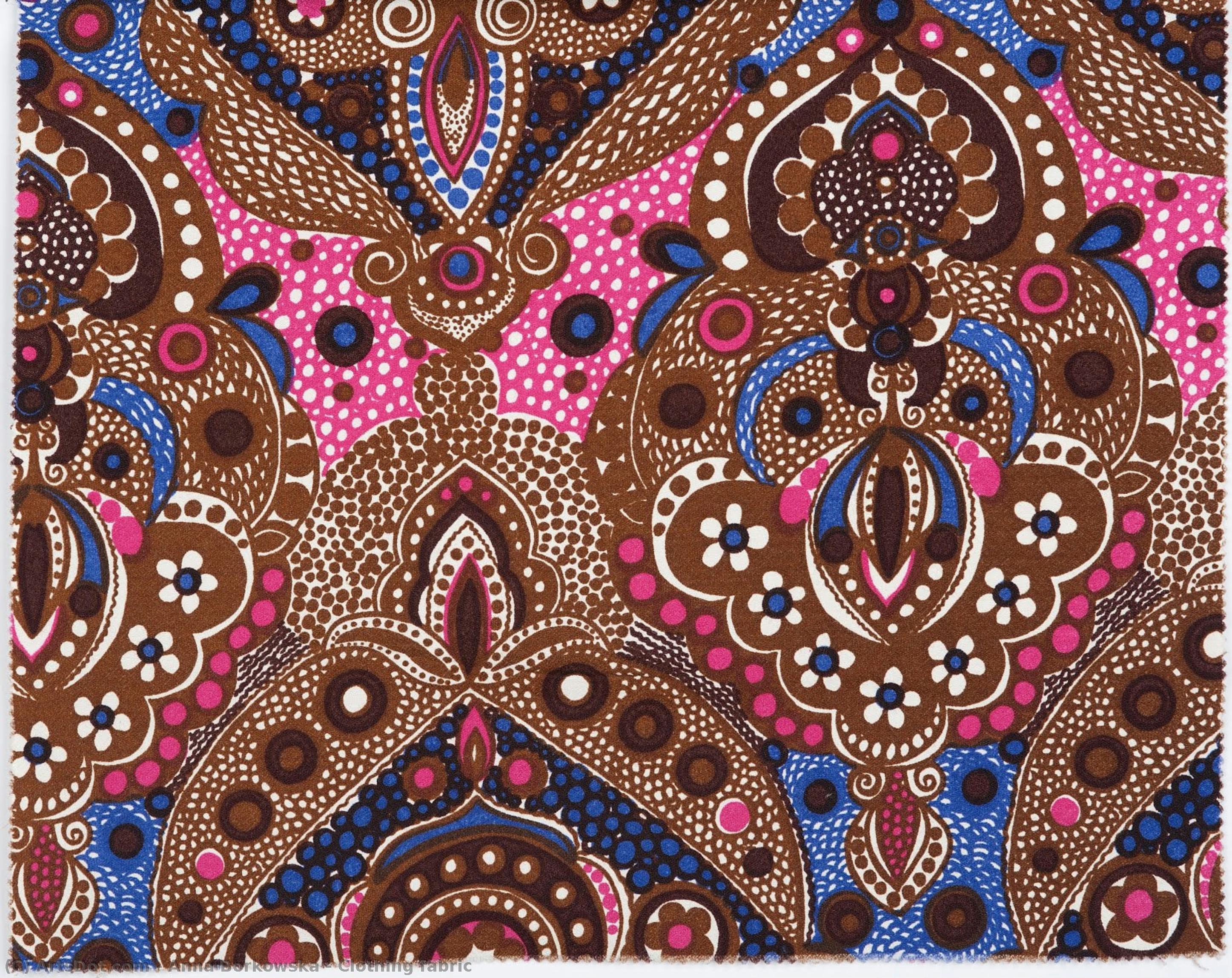
Clothing fabric


 पूरा देखें
गिक्ली / आर्ट प्रिंट
तेज़ उत्पादन और विभिन्न फिनिश विकल्पों के साथ म्यूजियम-क्वालिटी गिकली (giclée) या कैनवस प्रिंट। ( हाथ से बनी पेंटिंग खरीदें छवि खरीदें)




































कलाकृति के मूल अनुपात से मेल खाने वाले हमारे पूर्व निर्धारित आकारों में से चुनें।

आप किसी विशिष्ट फ्रेम या स्थान के अनुसार अपने स्वयं के आयाम (dimensions) दर्ज कर सकते हैं। यदि आपके द्वारा चुना गया आकार मूल छवि के अनुपात से मेल नहीं खाता है, तो हम कलाकृति को क्रॉप कर देंगे या मिरर किए गए या सॉलिड-फिल किनारे के साथ छवि का विस्तार करेंगे। उत्पादन शुरू होने से पहले आपकी स्वीकृति के लिए एक डिजिटल मॉकअप भेजा जाएगा।
कृपया ध्यान दें कि स्क्रीन पर दिखने वाला प्रीव्यू वास्तविक क्रॉपिंग या विस्तार को नहीं दर्शाता है। केवल मॉकअप ही अंतिम संरचना को सटीक रूप से दिखाएगा।
हालाँकि कस्टम आकार उपलब्ध हैं, फिर भी हम मूल अनुपात बनाए रखने के लिए पूर्व-निर्धारित सूची में से एक आयाम चुनने की सलाह देते हैं।
विश्वव्यापी डिलीवरी (), मानक 4/5 सप्ताह के बजाय मात्र 2 सप्ताह में। (15 अगस्त)

दुनिया भर में मुफ़्त एक्सप्रेस शिपिंग

उच्च गुणवत्ता वाला लिनेन कैनवास

पूर्ण शिपिंग बीमा

सीमा शुल्क और आयात कर वापसी की गारंटी

सटीक रंग मिलान की गारंटी

60-दिन की वापसी नीति (केवल दोषों के लिए)

100% पैसे वापसी की गारंटी

थोक छूट का लाभ
 ग्लास का विकल्प केवल 110 सेमी से कम आकार में ही उपलब्ध है।

Clothing fabric
गिक्ली / आर्ट प्रिंट
प्रतिकृति का आकार
-


कुल देय राशि
$ 80
संग्रहणीय वस्तु का विवरण
A Tapestry of Memory and Pattern
In the evocative work Clothing fabric, created in 1970 by the resilient artist Anna Borkowska, we are invited into a sensory exploration of texture, color, and heritage. The piece presents a breathtakingly intricate textile design, where a vibrant symphony of brown, pink, blue, and white tones dances across the surface. At first glance, the viewer is captivated by the sheer density of the ornamentation; floral motifs, swirling paisley shapes, and precise geometric patterns intertwine to create a visual landscape that feels both ancient and timeless. The composition achieves a masterful sense of equilibrium, with a richly decorated central focal point that gradually yields to more delicate edges, guiding the eye through a rhythmic journey of symmetry and balance.
Borkowska’s technique transcends mere representation, as she utilizes the medium of textile art to evoke the tactile reality of fabric itself. The painting captures a fascinating interplay of light and shadow, suggesting various weaving techniques where certain areas appear smooth and lustrous while others possess a rugged, raised texture. This deliberate manipulation of visual weight gives the artwork a three-dimensional quality, making the patterns feel as though they could be felt beneath one's fingertips. For the discerning collector or interior designer, this piece offers a profound depth that transforms any space, acting not just as a decorative element but as a window into a meticulously crafted world of craftsmanship.
The Soul Within the Thread
To understand the emotional resonance of Clothing fabric, one must look toward the life of Anna Borkowska. Born in Mykolaiv and shaped by the profound displacements of the mid-20th century, Borkowska’s artistry was deeply rooted in the concept of "threads of memory." Her work often serves as a metaphor for the resilience of the human spirit; just as individual threads are woven together to create a durable and beautiful cloth, her life experiences of exile and resettlement were woven into the very fabric of her creative expression. The intricate patterns seen here can be viewed as symbols of continuity and the preservation of culture amidst the chaos of history.
The symbolism embedded within these traditional motifs—the organic flow of the florals and the structured permanence of the geometric shapes—speaks to the duality of existence: the ephemeral beauty of nature and the enduring strength of human tradition. For those seeking to adorn a home with art that possesses both aesthetic splendor and narrative weight, this reproduction offers an unparalleled opportunity. It is a piece that invites contemplation, offering a sense of warmth, stability, and a connection to a storied past, making it a magnificent centerpiece for any sophisticated collection or thoughtfully curated interior.
कलाकार का जीवन परिचय
अन्ना बोर्कोव्स्का: स्मृति और लचीलेपन के धागे
अन्ना बोर्कोव्स्का (1916 – 2008) सोवियत निर्वासन की कठिन परिस्थितियों से उभरीं, जिन्होंने टेक्सटाइल आर्ट यानी वस्त्र कला में अपनी एक विशिष्ट कलात्मक राह बनाई। यह माध्यम न केवल उनकी व्यक्तिगत यात्रा का प्रतिबिंब था, बल्कि विस्थापन, स्मृति और मानवीय अनुभव की अटूट भावना जैसे व्यापक विषयों की एक शक्तिशाली अभिव्यक्ति भी था। रूस के मायकोलाइव में जन्मी बोर्कोव्स्का का प्रारंभिक जीवन द्वितीय विश्व युद्ध की उथल-पुथल और उसके बाद पोलैंड पर सोवियत कब्जे की घटनाओं से पूरी तरह बदल गया। अपने परिवार के साथ मातृभूमि छोड़ने को मजबूर होकर, उन्होंने साइबेरिया में पुनर्वास की कठिनाइयों को झेला—यह एक ऐसा परिवर्तनकारी काल था जिसने उनके भीतर भेद्यता और लचीलेपन की गहरी समझ विकसित की। उथल-पुथल के इसी परिवेश के बीच उनकी कलात्मक अभिरुचि फली-फूली। वस्त्रों के प्रति बोर्कोव्स्का का आकर्षण अमूर्त भावनाओं और अनुभवों को पकड़ने की एक सहज इच्छा से उपजा था—ऐसी यादें जिन्हें स्वयं कपड़े के रेशों में बुना जा सके। अपने समय के उन कई कलाकारों के विपरीत जो यथार्थवादी चित्रकला पर ध्यान केंद्रित करते थे, बोर्कोव्स्का ने अमूर्तन को अपनाया। उन्होंने रंगों के ऐसे पैलेट का उपयोग किया जो बाल्टिक सागर की याद दिलाते थे—एक ऐसा परिदृश्य जो उनके अवचेतन में गहराई से बसा हुआ था और जो शांति तथा अशांत लहरों, दोनों का प्रतीक था। उनकी विशिष्ट शैली ने सूक्ष्म शिल्प कौशल को एक ऐसी वैचारिक गहराई के साथ जोड़ा, जिसने दुनिया भर के दर्शकों को मंत्रमुग्ध कर दिया। उनके जीवन में एक निर्णायक मोड़ तब आया जब उन्हें जाफर पनाही की प्रशंसित फिल्म “द व्हाइट बैलून” (1995) में एक परोपकारी वृद्ध महिला के चित्रण के लिए अंतरराष्ट्रीय पहचान मिली। इस भूमिका ने एक अभिनेत्री के रूप में बोर्कोव्स्का की प्रतिष्ठा को सुदृढ़ किया, जो गहरी सहानुभूति व्यक्त करने और मानवीय संबंधों के सार को पकड़ने में सक्षम थीं—एक ऐसा कौशल जो उनके कलात्मक प्रयासों में भी सहजता से झलकता था। उनका कार्य निरंतर हानि, पुरानी यादों और अपने अतीत का सामना करने की परिवर्तनकारी शक्ति जैसे विषयों की खोज करता रहा। बोर्कोव्स्का की कलाकृतियों में कई वस्त्र कलाकृतियाँ शामिल हैं, जिनमें विशेष रूप से “क्लॉथिंग फैब्रिक” (1972) उल्लेखनीय है, जो एक मंत्रमुग्ध कर देने वाला वॉटरकलर डिज़ाइन है, जिसमें मोज़ेक जैसी पैटर्न में ठंडे नीले और बैंगनी रंगों का उपयोग किया गया है। यह कृति रंग और बनावट के माध्यम से भावनाओं को व्यक्त करने की उनकी प्रतिबद्धता का उदाहरण है—एक ऐसी तकनीक जो जटिल भावनाओं को दृश्य रूप में ढालने की कलाकार की क्षमता को दर्शाती है। कलाकृति का शांत सौंदर्य स्मृति और परिवर्तन के विषयों पर चिंतन के लिए आमंत्रित करता है, जो एक शरणार्थी के रूप में बोर्कोव्स्का के अपने जीवन के अनुभव को प्रतिबिंबित करता है, जिन्होंने कलात्मक सृजन में सुकून पाया था। अपने समकालीनों की तुलना में अपेक्षाकृत कम कलाकृतियों के बावजूद, अन्ना बोर्कोव्स्का ने ईरानी सिनेमा और व्यापक कला जगत पर एक अमिट छाप छोड़ी। अपने शिल्प के प्रति उनके अटूट समर्पण—और अपनी कला में भावनात्मक गूंज भरने की उनकी क्षमता—ने यह सुनिश्चित किया कि उनकी विरासत उनके जीवनकाल के बाद भी जीवित रहे। वे प्रतिकूलता का सामना करने और मानवीय स्मृति में निहित सुंदरता का उत्सव मनाने में कलात्मक अभिव्यक्ति की परिवर्तनकारी क्षमता का एक जीवंत प्रमाण बनी हुई हैं।
अन्ना बोर्कोव्स्का
1916 - 2008 , रूस
मुख्य तथ्य
- Artistic Movement Or Style: टेक्सटाइल आर्ट
- Date Of Birth: 1916
- Date Of Death: 2008
- Full Name: अन्ना बोरकोव्स्का
- Nationality: पोलिश
- Notable Artworks: ['क्लोथिंग फैब्रिक']
- Place Of Birth: मायकोलाइव, रूस
संबंधित लेख
Blush & Brilliance: 10 Iconic Paintings Dominated by Light Pink Tones |
Explore 10 iconic paintings bathed in captivating light pink tones! From Monet's Impressionism to Renoir’s romance, discover the stories behind these blush-hued masterpieces. Find museum-quality art reproductions & decor inspiration at .

Beyond the Canvas: Unveiling the Timeless Grandeur and Tactile Artistry of Textile Masterpieces
Embark on a sophisticated journey through the tactile realm of textile art. Unveil the historical evolution from utilitarian craft to museum-grade masterpieces, exploring the intricate textures and legendary artists that redefine the boundaries of fine art.
Woven Wonders: A Beginner's Guide to Elevating Your New Home with Timeless Textile Art
Discover how to transform your new home with the warmth of textile art. Our expert guide for newlyweds explores handwoven tapestries, tactile fibers, and timeless ways to curate a soulful, sophisticated interior through beautiful woven wonders.
गुस्ताव क्लिम्ट की शीर्ष 25 उत्कृष्ट कृतियाँ: कला और सजावट का संगम
गुस्ताव क्लिम्ट की शीर्ष 25 कलाकृतियों में खो जाएं! आर्ट नोव्यू, सुनहरा काल और प्रेम से भरी पेंटिंग का अनुभव करें। उच्च गुणवत्ता वाले कला प्रिंट और सजावट के विचार OriginalUniqueArt.com पर खोजें।
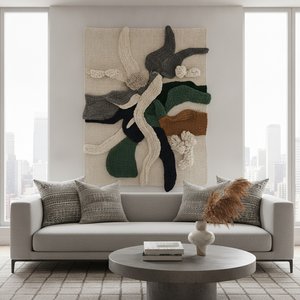
Beyond Canvas: Why Textile Art is the Next High-Impact Trend for Modern Interior Design
Discover why textile art is the next major trend in interior design. Explore how tactile fibers, bold textures, and sustainable mixed media are redefining modern urban spaces and bringing high-impact energy to contemporary collections.

