- होमपेज

- कैनवस पर प्रिंट हेतु
- एंडी वारहोल
- Jackie Kennedy III

 Preview
 पेंटिंग ऑर्डर करें छवि खरीदें
 साझा करें
 साझा करें
 विस्तृत विवरण
 पसंदीदा में जोड़ें

 डाउनलोड करें
 समान कलाकृतियाँ
 एक्स-रे
 स्लाइड शो देखें
Jackie Kennedy III


 पूरा देखें
गिक्ली / आर्ट प्रिंट
तेज़ उत्पादन और विभिन्न फिनिश विकल्पों के साथ म्यूजियम-क्वालिटी गिकली (giclée) या कैनवस प्रिंट।




P118B $10

P118H $10

P118W $10

P438Z $10

P508JH $12

P508YH $12

P805H $10

P805Z $10

P919BZ $10

P919G $10

P919XJ $10

P959ZH $10

P968JZ $12

W106C $8

W218G $10

W218JH $8

W218Y $10

W307PJ $10

W316G $10

W316PJ $8

W316Y $10

W398PJ $8

W4111J $10

W500HY $15

W500JH $15

W692G $12

W849H $8

W940BG $15

W953PJ $8




कलाकृति के मूल अनुपात से मेल खाने वाले हमारे पूर्व निर्धारित आकारों में से चुनें।

आप किसी विशिष्ट फ्रेम या स्थान के अनुसार अपने स्वयं के आयाम (dimensions) दर्ज कर सकते हैं। यदि आपके द्वारा चुना गया आकार मूल छवि के अनुपात से मेल नहीं खाता है, तो हम कलाकृति को क्रॉप कर देंगे या मिरर किए गए या सॉलिड-फिल किनारे के साथ छवि का विस्तार करेंगे। उत्पादन शुरू होने से पहले आपकी स्वीकृति के लिए एक डिजिटल मॉकअप भेजा जाएगा।
कृपया ध्यान दें कि स्क्रीन पर दिखने वाला प्रीव्यू वास्तविक क्रॉपिंग या विस्तार को नहीं दर्शाता है। केवल मॉकअप ही अंतिम संरचना को सटीक रूप से दिखाएगा।
हालाँकि कस्टम आकार उपलब्ध हैं, फिर भी हम मूल अनुपात बनाए रखने के लिए पूर्व-निर्धारित सूची में से एक आयाम चुनने की सलाह देते हैं।
विश्वव्यापी डिलीवरी (), मानक 4/5 सप्ताह के बजाय मात्र 2 सप्ताह में। (27 जुलाई)

दुनिया भर में मुफ़्त एक्सप्रेस शिपिंग

उच्च गुणवत्ता वाला लिनेन कैनवास

पूर्ण शिपिंग बीमा

सीमा शुल्क और आयात कर वापसी की गारंटी

सटीक रंग मिलान की गारंटी

60-दिन की वापसी नीति (केवल दोषों के लिए)

100% पैसे वापसी की गारंटी

थोक छूट का लाभ
 ग्लास का विकल्प केवल 110 सेमी से कम आकार में ही उपलब्ध है।

Jackie Kennedy III
गिक्ली / आर्ट प्रिंट
प्रतिकृति का आकार
-


कुल देय राशि
-
संग्रहणीय वस्तु का विवरण
The Haunting Elegance: Andy Warhol’s ‘Jackie Kennedy III’
Andy Warhol's 1966 silkscreen, “Jackie Kennedy III,” isn’t merely a portrait; it’s a distilled moment of profound grief and enduring iconicity. Born from a series of photographs taken by Fred Ward documenting Jacqueline Kennedy’s demeanor in the immediate aftermath of President John F. Kennedy’s assassination, the work transcends simple documentation to become a powerful meditation on loss, celebrity, and the relentless gaze of the media. Warhol, ever attuned to the cultural currents swirling around him, seized upon this raw, unfiltered image – a woman grappling with unimaginable sorrow – and transformed it into one of his signature Pop Art statements. The stark black and white palette, devoid of the vibrant hues typically associated with Warhol’s oeuvre, immediately establishes a somber tone, mirroring the gravity of the subject matter.

Deconstructing the Image: Appropriation and Iconography
Warhol’s genius lies in his deliberate appropriation of existing imagery. He didn't attempt to recreate a glamorous portrait; instead, he meticulously cropped the original Life magazine photographs, isolating Jacqueline Kennedy’s face – a mask of controlled grief – against a stark, uniform background. This reduction strips away any extraneous detail, forcing the viewer to confront the raw emotion etched onto her features. The photograph itself is laden with symbolism: Kennedy's posture, her slightly downturned mouth, and the subtle furrow in her brow all speak volumes about the trauma she endured. The choice of this particular image – a moment captured just days after the assassination – immediately anchors the work within a specific historical context, transforming it into a poignant memorial.
Furthermore, the repetition inherent in Warhol’s silkscreen process—the creation of multiple identical prints from a single screen—underscores the relentless nature of media coverage and the commodification of grief. Each print becomes a fragment of a larger narrative, contributing to the overwhelming sense of public mourning that followed Kennedy's death.
The Warhol Aesthetic: Industrial Precision and Emotional Resonance
Despite the intensely personal subject matter, “Jackie Kennedy III” embodies many of the hallmarks of Warhol’s artistic style. The silkscreen technique—a process involving transferring ink through a stencil onto paper—yields an incredibly smooth, almost photographic surface. This precision contrasts sharply with the emotional weight of the image, creating a disquieting tension. The flat planes of color and the absence of brushstrokes contribute to the work’s detached, almost clinical quality, mirroring Warhol's fascination with mass production and consumer culture. Yet, beneath this industrial veneer lies a profound sensitivity to human experience – a willingness to confront difficult emotions through the lens of popular imagery.
A Legacy of Grief and Glamour
“Jackie Kennedy III” remains a hauntingly beautiful and intellectually stimulating work. It’s not simply a portrait; it's a cultural artifact that captures a pivotal moment in American history, reflecting both the tragedy of loss and the enduring power of celebrity. Warhol’s ability to distill such complex emotions into a single image is a testament to his artistic vision—a vision that continues to resonate with viewers today. Reproductions of this iconic piece offer a unique opportunity to engage with this powerful work of art, bringing its somber elegance into any space and prompting reflection on the enduring legacy of Jackie Kennedy and the ever-present influence of media on our collective consciousness.
कलाकार का जीवन परिचय
एंड्रयू वारहोला जूनियर: पॉप कला के जादूगर
पिट्सबर्ग, अमेरिका में 1928 में जन्मे एंड्रयू वारहोला जूनियर, जिन्हें दुनिया एंडी वारहोल के नाम से जानती है, 20वीं सदी के सबसे प्रभावशाली कलाकारों में से एक थे। उनका जीवन और कला अमेरिकी संस्कृति के बदलते चेहरे को दर्शाती है। बचपन में बीमार रहने के कारण उन्हें घर पर ही रहना पड़ता था, जहाँ उनकी माँ ने उन्हें कला की दुनिया से परिचित कराया। उन्होंने कमिक बुक्स और फिल्म पत्रिकाओं से प्रेरणा ली, जो बाद में उनकी कला का अभिन्न अंग बन गए। कारनेगी इंस्टीट्यूट ऑफ टेक्नोलॉजी से डिग्री हासिल करने के बाद, वारहोला न्यूयॉर्क शहर चले गए, जहाँ उन्होंने एक सफल वाणिज्यिक चित्रकार के रूप में अपना करियर शुरू किया। फैशन पत्रिकाओं के लिए उनके रेखाचित्रों ने उन्हें जल्दी ही पहचान दिलाई, लेकिन उनकी असली पहचान पॉप कला आंदोलन के माध्यम से मिली।
पॉप कला का उदय और 'द फैक्ट्री'
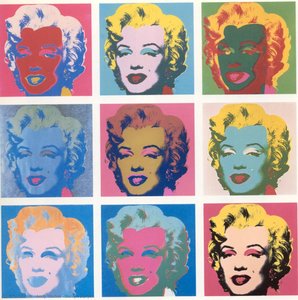
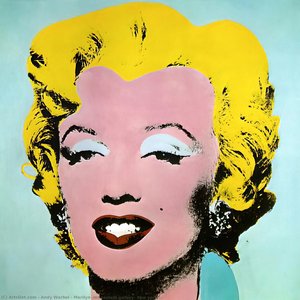
1960 के दशक में, वारहोला ने वाणिज्यिक कला की सीमाओं को पार करते हुए पॉप कला आंदोलन में एक महत्वपूर्ण भूमिका निभाई। उन्होंने विज्ञापन, कॉमिक बुक्स और उपभोक्ता वस्तुओं को कला के वैध विषय के रूप में अपनाया, जिससे पारंपरिक कला धारणाओं को चुनौती मिली। उनके प्रसिद्ध कार्यों, जैसे कि कैम्पबेल का सूप कैन (1962) और मैरीलिन डिप्टिक (1962), ने अमेरिकी उपभोक्तावाद के प्रतीक को दर्शाया। वारहोला ने स्क्रीन प्रिंटिंग तकनीक का उपयोग किया, जो छवियों की यांत्रिक पुनरुत्पादन पर जोर देती है, जिससे कला और उत्पादन के बीच की रेखाएँ धुंधली हो गईं। 'द फैक्ट्री' उनका स्टूडियो था, जो न्यूयॉर्क शहर में एक जीवंत केंद्र बन गया जहाँ कलाकार, संगीतकार, फिल्म निर्माता और समाजसेवियों ने मिलकर काम किया। यह रचनात्मकता और प्रयोग का स्थान था, जिसने वारहोला को अपनी कलात्मक दृष्टि को आगे बढ़ाने में मदद की।
सेलिब्रिटी, आपदा और अमेरिकी जुनून की खोज
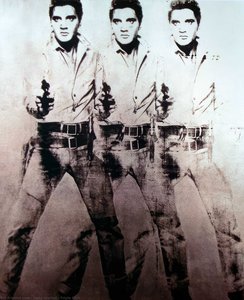
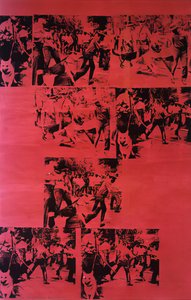
वारहोला की कलात्मक यात्रा उपभोक्ता वस्तुओं से परे सेलिब्रिटी, मृत्यु और आपदा जैसे विषयों तक फैली हुई थी। उन्होंने मैरीलिन मुनरो, एल्विस प्रेस्ली और एलिजाबेथ टेलर जैसे प्रतिष्ठित हस्तियों के चित्र बनाए, जो प्रसिद्धि, छवि और सेलिब्रिटी के नाजुक स्वभाव का पता लगाते हैं। उनकी "डिज़ास्टर" श्रृंखला में कार दुर्घटनाओं, इलेक्ट्रिक कुर्सियों और दंगों की छवियों को दर्शाया गया है, जिससे दर्शकों को हिंसा और मृत्यु दर के बारे में सोचने पर मजबूर होना पड़ता है। वारहोला ने इन छवियों को एक तटस्थ दृष्टिकोण से प्रस्तुत किया, जिससे दर्शक अपना निष्कर्ष निकाल सकें। उन्होंने फिल्म निर्माण में भी प्रयोग किया, स्लीप (1963) और चेल्सी गर्ल्स (1966) जैसी प्रयोगात्मक फिल्में बनाईं, जिसने कलात्मक अभिव्यक्ति की सीमाओं को आगे बढ़ाया।
कला और संस्कृति पर स्थायी प्रभाव
एंड्रयू वारहोला का कला जगत पर गहरा प्रभाव पड़ा है। उन्होंने कला की पारंपरिक परिभाषाओं को चुनौती दी, उच्च और निम्न संस्कृति के बीच की रेखाएँ धुंधली कर दीं, और अवधारणात्मक और प्रदर्शन कला जैसे नए आंदोलनों का मार्ग प्रशस्त किया। उनकी उपभोक्तावाद, सेलिब्रिटी संस्कृति और मीडिया के अन्वेषण आज भी दर्शकों के साथ गूंजते हैं, क्योंकि ये विषय समकालीन समाज के केंद्र में बने हुए हैं। वारहोला न केवल एक कलाकार थे, बल्कि एक सांस्कृतिक प्रतीक भी थे - एक दूरदर्शी जिन्होंने छवि की शक्ति को समझा और इसे धारणा को आकार देने की क्षमता को पहचाना। उन्होंने एक ऐसे समय में खुले तौर पर अपनी गे पहचान को अपनाया जब ऐसा करना दुर्लभ था, जिससे वे मुक्ति के प्रतीक बन गए और सामाजिक मानदंडों को चुनौती दी। उनकी विरासत अनगिनत क्षेत्रों में देखी जा सकती है, समकालीन कला, फैशन, संगीत और फिल्म से लेकर हर जगह। वारहोला ने कला को एक दुर्लभ खोज से बदलकर आधुनिक जीवन के रोजमर्रा के अनुभवों के साथ गहराई से जुड़ा हुआ बनाया।

एंडी वारहोल
1928 - 1987 , संयुक्त राज्य अमेरिका
मुख्य तथ्य
- Artistic Movement Or Style: पॉप कला
- Artists Or Movements Influenced By This Artist:
- समकालीन कला
- फैशन
- फिल्म
- संगीत
- Date Of Birth: 6 अगस्त 1928
- Date Of Death: 22 फरवरी 1987
- Full Name: एंडी वारहोल
- Nationality: अमेरिकी
- Notable Artworks:
- कैम्पबेल का सूप कैन
- मैरीलिन डिप्टिक
- चे ग्वेरा
- वेलवेट अंडरग्राउंड कवर
- Place Of Birth: पिट्सबर्ग, अमेरिका
संबंधित लेख

एंडी वारहोल की शीर्ष 25 कलाकृतियाँ: पॉप आर्ट का जादू और आधुनिक सजावट
एंडी वारहोल की शीर्ष 25 कलाकृतियों का अन्वेषण करें! पॉप आर्ट के जादू, मारलिन मोनरो और कैंपबेल सूप कैन जैसे प्रतिष्ठित चित्रों की कहानियाँ जानें। घर की सजावट के लिए उच्च गुणवत्ता वाले कला पुनरुत्पादन खोजें। OriginalUniqueArt.com पर संपूर्ण संग्रह देखें।
मेट्रोपॉलिटन म्यूजियम ऑफ़ आर्ट की 25 उत्कृष्ट कृतियाँ: कला और इतिहास का संगम
न्यूयॉर्क के मेट्रोपॉलिटन म्यूजियम ऑफ़ आर्ट की 25 उत्कृष्ट कृतियों का अन्वेषण करें! वान गाग, मोनेट और रेम्ब्रांद्ट जैसे मशहूर कलाकारों की कहानियाँ जानें। घर के लिए कला प्रिंट और कैनवास पेंटिंग खोजें। OriginalUniqueArt.com पर संपूर्ण संग्रह देखें।
पॉप आर्ट आंदोलन को परिभाषित करने वाली 10 उत्कृष्ट कृतियाँ | OriginalUniqueArt
पॉप आर्ट आंदोलन को आकार देने वाली 10 सर्वश्रेष्ठ कृतियों का अन्वेषण करें। वारहोल, लिचटेनस्टीन और अन्य कलाकारों की कहानियाँ जानें। OriginalUniqueArt.com पर उच्च गुणवत्ता वाले कला पुनरुत्पादन खोजें।
Masterful Portraits: 10 Artworks That Define a Genre | OriginalUniqueArt
Explore 10 iconic portrait paintings – from Mona Lisa to Van Gogh’s self-portraits. Discover the stories behind these masterpieces, artistic techniques & find museum-quality art reproductions for your home at OriginalUniqueArt.com.

जेम्स एबॉट मैकनील व्हिस्लर की 25 उत्कृष्ट कलाकृतियाँ: सौंदर्य और इतिहास का संगम
जेम्स एबॉट मैकनील व्हिस्लर की 25 सर्वश्रेष्ठ कलाकृतियों का अन्वेषण करें। सौंदर्यवादी आंदोलन, रात्रि दृश्य और पोर्ट्रेट से लेकर, प्रत्येक पेंटिंग एक कहानी कहती है। उच्च गुणवत्ता वाले कला पुनरुत्पादन के लिए OriginalUniqueArt.com पर खोजें।