 पूर्वावलोकन देखें
 साझा करें
 साझा करें
 विस्तृत विवरण

 डाउनलोड करें
 समान कलाकृतियाँ
 एक्स-रे
 स्लाइड शो देखें
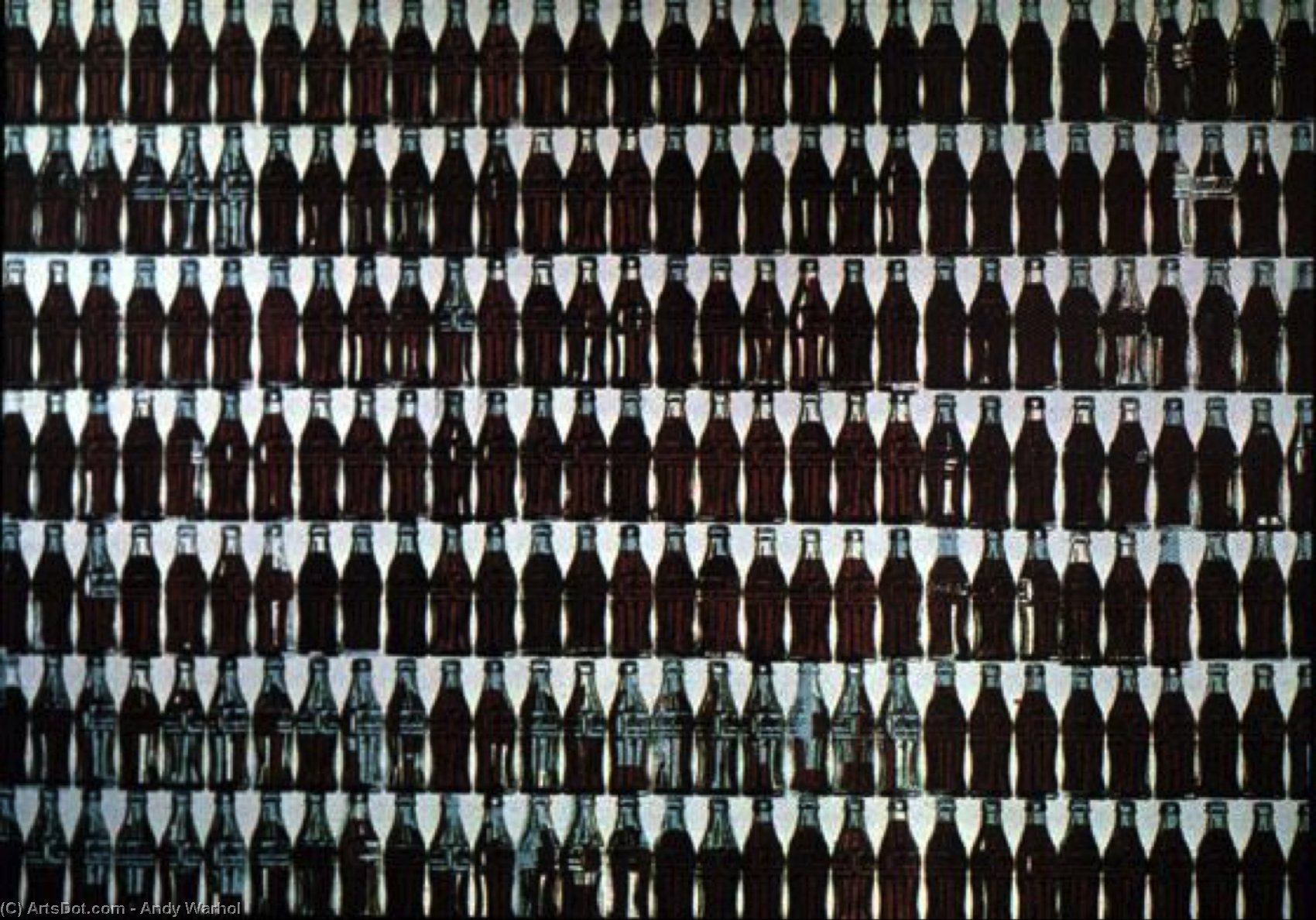
Green Coca-Cola Bottles

 पूरा देखें
गिक्ली / आर्ट प्रिंट
तेज़ उत्पादन और विभिन्न फिनिश विकल्पों के साथ म्यूजियम-क्वालिटी गिकली (giclée) या कैनवस प्रिंट। ( हाथ से बनी पेंटिंग पर स्विच करें इमेज पर बदलें)




P118B $10

P118H $10

P118W $10

P438Z $10

P508JH $12

P508YH $12

P805H $10

P805Z $10

P919BZ $10

P919G $10

P919XJ $10

P959ZH $10

P968JZ $12

W106C $8

W218G $10

W218JH $8

W218Y $10

W307PJ $10

W316G $10

W316PJ $8

W316Y $10

W398PJ $8

W4111J $10

W500HY $15

W500JH $15

W692G $12

W849H $8

W940BG $15

W953PJ $8




कलाकृति के मूल अनुपात से मेल खाने वाले हमारे पूर्व निर्धारित आकारों में से चुनें।

आप किसी विशिष्ट फ्रेम या स्थान के अनुसार अपने स्वयं के आयाम (dimensions) दर्ज कर सकते हैं। यदि आपके द्वारा चुना गया आकार मूल छवि के अनुपात से मेल नहीं खाता है, तो हम कलाकृति को क्रॉप कर देंगे या मिरर किए गए या सॉलिड-फिल किनारे के साथ छवि का विस्तार करेंगे। उत्पादन शुरू होने से पहले आपकी स्वीकृति के लिए एक डिजिटल मॉकअप भेजा जाएगा।
कृपया ध्यान दें कि स्क्रीन पर दिखने वाला प्रीव्यू वास्तविक क्रॉपिंग या विस्तार को नहीं दर्शाता है। केवल मॉकअप ही अंतिम संरचना को सटीक रूप से दिखाएगा।
हालाँकि कस्टम आकार उपलब्ध हैं, फिर भी हम मूल अनुपात बनाए रखने के लिए पूर्व-निर्धारित सूची में से एक आयाम चुनने की सलाह देते हैं।
विश्वव्यापी डिलीवरी (), मानक 4/5 सप्ताह के बजाय मात्र 2 सप्ताह में। (6 अगस्त)

दुनिया भर में मुफ़्त एक्सप्रेस शिपिंग

उच्च गुणवत्ता वाला लिनेन कैनवास

पूर्ण शिपिंग बीमा

सीमा शुल्क और आयात कर वापसी की गारंटी

सटीक रंग मिलान की गारंटी

60-दिन की वापसी नीति (केवल दोषों के लिए)

100% पैसे वापसी की गारंटी

थोक छूट का लाभ
 ग्लास का विकल्प केवल 110 सेमी से कम आकार में ही उपलब्ध है।

Green Coca-Cola Bottles
गिक्ली / आर्ट प्रिंट
प्रतिकृति का आकार
-


कुल देय राशि
$ 80
संग्रहणीय वस्तु का विवरण
Andy Warhol’s Bold Statement Against Commodity Culture
Andy Warhol, arguably the most influential artist of the 20th century, irrevocably altered the landscape of art and celebrity culture with his groundbreaking approach to visual representation. Among his enduring masterpieces, “Green Coca-Cola Bottles” stands as a cornerstone of Pop Art—a movement that deliberately confronted the pervasive influence of consumerism and mass production, challenging traditional artistic conventions.
Created in 1962, this series of silkscreen prints transcends mere depiction; it’s an interrogation of our relationship with everyday objects. Warhol wasn't interested in elevating art to lofty ideals—rather, he sought to democratize the visual experience by elevating commonplace items like Coca-Cola bottles to the status of artistic contemplation.
Warhol’s masterful use of silkscreen printing was revolutionary for its time. Prior to this technique, artists painstakingly layered paint onto canvases, a laborious process that contrasted sharply with Warhol's method—a mechanized reproduction mirroring the industrial scale of production itself. This deliberate simplicity wasn’t accidental; it served as a powerful commentary on the homogenization and standardization inherent in mass culture.
- Technique: Silkscreen Printing – Warhol achieved uniformity through repetitive printing, mimicking the manufacturing process of consumer goods.
- Color Palette: Dominated by vibrant green—a color chosen deliberately to capture attention and evoke a sense of immediacy.
- Composition: Rows of identical Coca-Cola bottles arranged in horizontal bands create a visually striking effect, emphasizing repetition and scale.
The photograph accompanying this piece showcases Warhol’s signature style—a stark contrast between light and shadow that underscores the artwork's formal qualities. It captures the essence of Pop Art’s aesthetic: cool detachment combined with an undeniable fascination for popular culture.
Historical Context & The Rise of Consumerism
“Green Coca-Cola Bottles” emerged during a pivotal moment in American history—the burgeoning postwar consumer boom. Warhol's decision to portray these bottles wasn’t simply about aesthetics; it was a deliberate provocation, questioning the value we ascribe to material possessions and advertising’s role in shaping our perceptions.
Warhol famously stated, “What’s grand about this country is that America started the tradition where the richest consumers buy essentially the same thing as the poorest... you can know that the President drinks Coke, Liz Taylor drinks Coke, and, just think, you can drink Coke, too.” This quote encapsulates Warhol's ironic stance—acknowledging the ubiquity of Coca-Cola while simultaneously elevating it to the level of art.
Symbolism & Artistic Influence
Beyond its formal elements, “Green Coca-Cola Bottles” carries significant symbolic weight. Warhol’s appropriation of a recognizable brand logo represents a broader trend within Pop Art—the embrace of mass culture subjects and the blurring of boundaries between high art and popular entertainment.
Warhol's influence extends far beyond his own artistic output, inspiring subsequent generations of artists to explore similar themes of repetition and standardization. He paved the way for movements like Conceptual Art and Minimalism, demonstrating that profound ideas could be conveyed through seemingly simple visual forms.
Whitney Museum’s Perspective
As displayed at the Whitney Museum of American Art, “Green Coca-Cola Bottles” exemplifies Warhol's commitment to challenging artistic conventions. The museum’s description highlights the painting’s deliberate asymmetry and subtle variations in color—details that underscore Warhol’s meticulous craftsmanship and his refusal to adhere to traditional aesthetic standards.
Ultimately, Andy Warhol’s “Green Coca-Cola Bottles” remains a seminal work of art history—a testament to his innovative spirit and his enduring legacy as one of the most transformative figures in 20th-century visual culture.
कलाकार का जीवन परिचय
एंड्रयू वारहोला जूनियर: पॉप कला के जादूगर
पिट्सबर्ग, अमेरिका में 1928 में जन्मे एंड्रयू वारहोला जूनियर, जिन्हें दुनिया एंडी वारहोल के नाम से जानती है, 20वीं सदी के सबसे प्रभावशाली कलाकारों में से एक थे। उनका जीवन और कला अमेरिकी संस्कृति के बदलते चेहरे को दर्शाती है। बचपन में बीमार रहने के कारण उन्हें घर पर ही रहना पड़ता था, जहाँ उनकी माँ ने उन्हें कला की दुनिया से परिचित कराया। उन्होंने कमिक बुक्स और फिल्म पत्रिकाओं से प्रेरणा ली, जो बाद में उनकी कला का अभिन्न अंग बन गए। कारनेगी इंस्टीट्यूट ऑफ टेक्नोलॉजी से डिग्री हासिल करने के बाद, वारहोला न्यूयॉर्क शहर चले गए, जहाँ उन्होंने एक सफल वाणिज्यिक चित्रकार के रूप में अपना करियर शुरू किया। फैशन पत्रिकाओं के लिए उनके रेखाचित्रों ने उन्हें जल्दी ही पहचान दिलाई, लेकिन उनकी असली पहचान पॉप कला आंदोलन के माध्यम से मिली।
पॉप कला का उदय और 'द फैक्ट्री'
1960 के दशक में, वारहोला ने वाणिज्यिक कला की सीमाओं को पार करते हुए पॉप कला आंदोलन में एक महत्वपूर्ण भूमिका निभाई। उन्होंने विज्ञापन, कॉमिक बुक्स और उपभोक्ता वस्तुओं को कला के वैध विषय के रूप में अपनाया, जिससे पारंपरिक कला धारणाओं को चुनौती मिली। उनके प्रसिद्ध कार्यों, जैसे कि कैम्पबेल का सूप कैन (1962) और मैरीलिन डिप्टिक (1962), ने अमेरिकी उपभोक्तावाद के प्रतीक को दर्शाया। वारहोला ने स्क्रीन प्रिंटिंग तकनीक का उपयोग किया, जो छवियों की यांत्रिक पुनरुत्पादन पर जोर देती है, जिससे कला और उत्पादन के बीच की रेखाएँ धुंधली हो गईं। 'द फैक्ट्री' उनका स्टूडियो था, जो न्यूयॉर्क शहर में एक जीवंत केंद्र बन गया जहाँ कलाकार, संगीतकार, फिल्म निर्माता और समाजसेवियों ने मिलकर काम किया। यह रचनात्मकता और प्रयोग का स्थान था, जिसने वारहोला को अपनी कलात्मक दृष्टि को आगे बढ़ाने में मदद की।
सेलिब्रिटी, आपदा और अमेरिकी जुनून की खोज
वारहोला की कलात्मक यात्रा उपभोक्ता वस्तुओं से परे सेलिब्रिटी, मृत्यु और आपदा जैसे विषयों तक फैली हुई थी। उन्होंने मैरीलिन मुनरो, एल्विस प्रेस्ली और एलिजाबेथ टेलर जैसे प्रतिष्ठित हस्तियों के चित्र बनाए, जो प्रसिद्धि, छवि और सेलिब्रिटी के नाजुक स्वभाव का पता लगाते हैं। उनकी "डिज़ास्टर" श्रृंखला में कार दुर्घटनाओं, इलेक्ट्रिक कुर्सियों और दंगों की छवियों को दर्शाया गया है, जिससे दर्शकों को हिंसा और मृत्यु दर के बारे में सोचने पर मजबूर होना पड़ता है। वारहोला ने इन छवियों को एक तटस्थ दृष्टिकोण से प्रस्तुत किया, जिससे दर्शक अपना निष्कर्ष निकाल सकें। उन्होंने फिल्म निर्माण में भी प्रयोग किया, स्लीप (1963) और चेल्सी गर्ल्स (1966) जैसी प्रयोगात्मक फिल्में बनाईं, जिसने कलात्मक अभिव्यक्ति की सीमाओं को आगे बढ़ाया।
कला और संस्कृति पर स्थायी प्रभाव
एंड्रयू वारहोला का कला जगत पर गहरा प्रभाव पड़ा है। उन्होंने कला की पारंपरिक परिभाषाओं को चुनौती दी, उच्च और निम्न संस्कृति के बीच की रेखाएँ धुंधली कर दीं, और अवधारणात्मक और प्रदर्शन कला जैसे नए आंदोलनों का मार्ग प्रशस्त किया। उनकी उपभोक्तावाद, सेलिब्रिटी संस्कृति और मीडिया के अन्वेषण आज भी दर्शकों के साथ गूंजते हैं, क्योंकि ये विषय समकालीन समाज के केंद्र में बने हुए हैं। वारहोला न केवल एक कलाकार थे, बल्कि एक सांस्कृतिक प्रतीक भी थे - एक दूरदर्शी जिन्होंने छवि की शक्ति को समझा और इसे धारणा को आकार देने की क्षमता को पहचाना। उन्होंने एक ऐसे समय में खुले तौर पर अपनी गे पहचान को अपनाया जब ऐसा करना दुर्लभ था, जिससे वे मुक्ति के प्रतीक बन गए और सामाजिक मानदंडों को चुनौती दी। उनकी विरासत अनगिनत क्षेत्रों में देखी जा सकती है, समकालीन कला, फैशन, संगीत और फिल्म से लेकर हर जगह। वारहोला ने कला को एक दुर्लभ खोज से बदलकर आधुनिक जीवन के रोजमर्रा के अनुभवों के साथ गहराई से जुड़ा हुआ बनाया।

एंडी वारहोल
1928 - 1987 , संयुक्त राज्य अमेरिका
मुख्य तथ्य
- Artistic Movement Or Style: पॉप कला
- Artists Or Movements Influenced By This Artist:
- समकालीन कला
- फैशन
- फिल्म
- संगीत
- Date Of Birth: 6 अगस्त 1928
- Date Of Death: 22 फरवरी 1987
- Full Name: एंडी वारहोल
- Nationality: अमेरिकी
- Notable Artworks:
- कैम्पबेल का सूप कैन
- मैरीलिन डिप्टिक
- चे ग्वेरा
- वेलवेट अंडरग्राउंड कवर
- Place Of Birth: पिट्सबर्ग, अमेरिका
संबंधित लेख

एंडी वारहोल की शीर्ष 25 कलाकृतियाँ: पॉप आर्ट का जादू और आधुनिक सजावट
एंडी वारहोल की शीर्ष 25 कलाकृतियों का अन्वेषण करें! पॉप आर्ट के जादू, मारलिन मोनरो और कैंपबेल सूप कैन जैसे प्रतिष्ठित चित्रों की कहानियाँ जानें। घर की सजावट के लिए उच्च गुणवत्ता वाले कला पुनरुत्पादन खोजें। OriginalUniqueArt.com पर संपूर्ण संग्रह देखें।
पॉप आर्ट आंदोलन को परिभाषित करने वाली 10 उत्कृष्ट कृतियाँ | OriginalUniqueArt
पॉप आर्ट आंदोलन को आकार देने वाली 10 सर्वश्रेष्ठ कृतियों का अन्वेषण करें। वारहोल, लिचटेनस्टीन और अन्य कलाकारों की कहानियाँ जानें। OriginalUniqueArt.com पर उच्च गुणवत्ता वाले कला पुनरुत्पादन खोजें।
मेट्रोपॉलिटन म्यूजियम ऑफ़ आर्ट की 25 उत्कृष्ट कृतियाँ: कला और इतिहास का संगम
न्यूयॉर्क के मेट्रोपॉलिटन म्यूजियम ऑफ़ आर्ट की 25 उत्कृष्ट कृतियों का अन्वेषण करें! वान गाग, मोनेट और रेम्ब्रांद्ट जैसे मशहूर कलाकारों की कहानियाँ जानें। घर के लिए कला प्रिंट और कैनवास पेंटिंग खोजें। OriginalUniqueArt.com पर संपूर्ण संग्रह देखें।
रॉय लिचटेनस्टीन की 25 सर्वश्रेष्ठ कलाकृतियाँ: पॉप आर्ट का शिखर | OriginalUniqueArt
रॉय लिचटेनस्टीन की 25 सर्वश्रेष्ठ कलाकृतियों का अन्वेषण करें! पॉप आर्ट के इस शिखर कलाकार की प्रेरणादायक पेंटिंग, तकनीक और इतिहास जानें। OriginalUniqueArt.com पर उच्च गुणवत्ता वाले कला पुनरुत्पादन खरीदें और अपने घर को सजाएं।
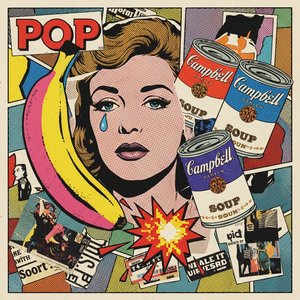
Challenging Conventions: Pop Art's Origins, Evolution & Enduring Legacy
Explore the fascinating history of Pop Art, from its rebellious origins to its enduring influence on contemporary artists. Discover key figures like Warhol & Lichtenstein and learn about collecting this iconic movement.