पूर्वावलोकन देखें
 साझा करें
 साझा करें
 विस्तृत विवरण

 डाउनलोड करें
 समान कलाकृतियाँ
 एक्स-रे
 स्लाइड शो देखें
Electric Chair

 पूरा देखें
गिक्ली / आर्ट प्रिंट
तेज़ उत्पादन और विभिन्न फिनिश विकल्पों के साथ म्यूजियम-क्वालिटी गिकली (giclée) या कैनवस प्रिंट। ( हाथ से बनी पेंटिंग पर स्विच करें इमेज पर बदलें)




P118B $10

P118H $10

P118W $10

P438Z $10

P508JH $12

P508YH $12

P805H $10

P805Z $10

P919BZ $10

P919G $10

P919XJ $10

P959ZH $10

P968JZ $12

W106C $8

W218G $10

W218JH $8

W218Y $10

W307PJ $10

W316G $10

W316PJ $8

W316Y $10

W398PJ $8

W4111J $10

W500HY $15

W500JH $15

W692G $12

W849H $8

W940BG $15

W953PJ $8




कलाकृति के मूल अनुपात से मेल खाने वाले हमारे पूर्व निर्धारित आकारों में से चुनें।

आप किसी विशिष्ट फ्रेम या स्थान के अनुसार अपने स्वयं के आयाम (dimensions) दर्ज कर सकते हैं। यदि आपके द्वारा चुना गया आकार मूल छवि के अनुपात से मेल नहीं खाता है, तो हम कलाकृति को क्रॉप कर देंगे या मिरर किए गए या सॉलिड-फिल किनारे के साथ छवि का विस्तार करेंगे। उत्पादन शुरू होने से पहले आपकी स्वीकृति के लिए एक डिजिटल मॉकअप भेजा जाएगा।
कृपया ध्यान दें कि स्क्रीन पर दिखने वाला प्रीव्यू वास्तविक क्रॉपिंग या विस्तार को नहीं दर्शाता है। केवल मॉकअप ही अंतिम संरचना को सटीक रूप से दिखाएगा।
हालाँकि कस्टम आकार उपलब्ध हैं, फिर भी हम मूल अनुपात बनाए रखने के लिए पूर्व-निर्धारित सूची में से एक आयाम चुनने की सलाह देते हैं।
विश्वव्यापी डिलीवरी (), मानक 4/5 सप्ताह के बजाय मात्र 2 सप्ताह में। (10 अगस्त)

दुनिया भर में मुफ़्त एक्सप्रेस शिपिंग

उच्च गुणवत्ता वाला लिनेन कैनवास

पूर्ण शिपिंग बीमा

सीमा शुल्क और आयात कर वापसी की गारंटी

सटीक रंग मिलान की गारंटी

60-दिन की वापसी नीति (केवल दोषों के लिए)

100% पैसे वापसी की गारंटी

थोक छूट का लाभ
 ग्लास का विकल्प केवल 110 सेमी से कम आकार में ही उपलब्ध है।

Electric Chair
गिक्ली / आर्ट प्रिंट
प्रतिकृति का आकार
-


कुल देय राशि
$ 80
संग्रहणीय वस्तु का विवरण
Andy Warhol’s Electric Chair: A Silent Scream of Anxiety
The image of Andy Warhol's ‘Electric Chair,’ rendered in stark black and white silkscreen print, isn’t merely a depiction of an instrument of death; it’s a carefully constructed visual statement that encapsulates the pervasive anxieties simmering beneath the surface of American society during the mid-1960s. Warhol, ever attuned to capturing the zeitgeist, seized upon the controversial debate surrounding capital punishment – specifically New York State's decision to abolish electrocution – transforming it into an unsettling emblem of mortality and institutional control. This wasn’t a flamboyant gesture of artistic rebellion; rather, Warhol employed meticulous technique to amplify the inherent pathos of the subject matter.- The Technique: Warhol’s signature silkscreen process—a method perfected during his experimental film years—allowed for an astonishing level of precision and reproducibility. Each print is created by transferring a halftone pattern onto a canvas, meticulously aligning it with the photographic reference image taken from Sing Sing Correctional Facility. This painstaking process deliberately introduces subtle imperfections – slight variations in tone and texture – mirroring the fractured reality of fear and uncertainty.
- Composition & Symbolism: Warhol’s choice to isolate the empty chair—a symbol of impending doom devoid of its occupant—was deliberate. The starkness of the monochrome palette intensifies the emotional impact, stripping away any comforting illusions about justice or retribution. It speaks to a profound disillusionment with authority and a confrontation with the inescapable inevitability of death.
- Historical Context: Warhol’s work emerged during a period marked by escalating social unrest and political polarization. The Vietnam War raged on, fueling anti-establishment sentiment, while civil rights activists tirelessly campaigned for equality. ‘Electric Chair,’ therefore, functions as a microcosm of these broader anxieties—a visual representation of the fear of judgment and the chilling prospect of irreversible consequence.
Exploring Warhol’s Influence: Beyond Pop Art Conventions
Warhol's fascination with filmography profoundly shaped his artistic vision. As evidenced by his groundbreaking Screen Tests, he prioritized capturing raw emotion and psychological vulnerability—a departure from the polished surfaces of traditional painting. This influence is palpable in ‘Electric Chair,’ where Warhol’s meticulous attention to detail isn’t merely about replicating a photograph; it's about conveying an unspoken terror. The artist deliberately disrupted conventional artistic norms, embracing repetition and chance as tools for exploring profound themes.- The Whitney Museum Collection: Warhol’s ‘Electric Chair’ resides prominently within the Whitney Museum of American Art’s collection, a testament to its enduring significance in art history. Its placement underscores the museum's commitment to showcasing innovative artistic practices and fostering dialogue about cultural impact.
- Contemporary Resonance: Despite being created over half a century ago, ‘Electric Chair’ continues to resonate with audiences today. Its unsettling imagery—the desolate chair against a stark white background—serves as a powerful reminder of the anxieties surrounding death and justice that persist across generations.
A Reproduction Worth Considering: Bringing Warhol's Vision Home
A high-quality reproduction of Andy Warhol’s ‘Electric Chair’ offers an opportunity to engage with one of Warhol’s most iconic artworks—a piece that transcends its historical context and speaks directly to the human condition. OriginalUniqueArt.com provides exceptional reproductions, meticulously crafted to capture the subtle nuances of Warhol's technique and faithfully reproduce his masterful use of monochrome printmaking. Explore the artwork here: Electric Chairकलाकार का जीवन परिचय
एंड्रयू वारहोला जूनियर: पॉप कला के जादूगर
पिट्सबर्ग, अमेरिका में 1928 में जन्मे एंड्रयू वारहोला जूनियर, जिन्हें दुनिया एंडी वारहोल के नाम से जानती है, 20वीं सदी के सबसे प्रभावशाली कलाकारों में से एक थे। उनका जीवन और कला अमेरिकी संस्कृति के बदलते चेहरे को दर्शाती है। बचपन में बीमार रहने के कारण उन्हें घर पर ही रहना पड़ता था, जहाँ उनकी माँ ने उन्हें कला की दुनिया से परिचित कराया। उन्होंने कमिक बुक्स और फिल्म पत्रिकाओं से प्रेरणा ली, जो बाद में उनकी कला का अभिन्न अंग बन गए। कारनेगी इंस्टीट्यूट ऑफ टेक्नोलॉजी से डिग्री हासिल करने के बाद, वारहोला न्यूयॉर्क शहर चले गए, जहाँ उन्होंने एक सफल वाणिज्यिक चित्रकार के रूप में अपना करियर शुरू किया। फैशन पत्रिकाओं के लिए उनके रेखाचित्रों ने उन्हें जल्दी ही पहचान दिलाई, लेकिन उनकी असली पहचान पॉप कला आंदोलन के माध्यम से मिली।
पॉप कला का उदय और 'द फैक्ट्री'
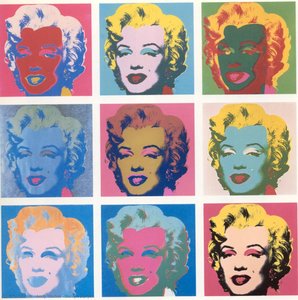
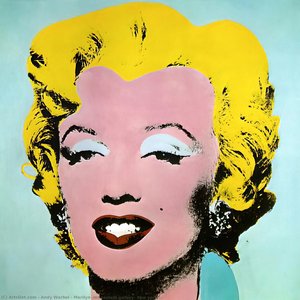
1960 के दशक में, वारहोला ने वाणिज्यिक कला की सीमाओं को पार करते हुए पॉप कला आंदोलन में एक महत्वपूर्ण भूमिका निभाई। उन्होंने विज्ञापन, कॉमिक बुक्स और उपभोक्ता वस्तुओं को कला के वैध विषय के रूप में अपनाया, जिससे पारंपरिक कला धारणाओं को चुनौती मिली। उनके प्रसिद्ध कार्यों, जैसे कि कैम्पबेल का सूप कैन (1962) और मैरीलिन डिप्टिक (1962), ने अमेरिकी उपभोक्तावाद के प्रतीक को दर्शाया। वारहोला ने स्क्रीन प्रिंटिंग तकनीक का उपयोग किया, जो छवियों की यांत्रिक पुनरुत्पादन पर जोर देती है, जिससे कला और उत्पादन के बीच की रेखाएँ धुंधली हो गईं। 'द फैक्ट्री' उनका स्टूडियो था, जो न्यूयॉर्क शहर में एक जीवंत केंद्र बन गया जहाँ कलाकार, संगीतकार, फिल्म निर्माता और समाजसेवियों ने मिलकर काम किया। यह रचनात्मकता और प्रयोग का स्थान था, जिसने वारहोला को अपनी कलात्मक दृष्टि को आगे बढ़ाने में मदद की।
सेलिब्रिटी, आपदा और अमेरिकी जुनून की खोज
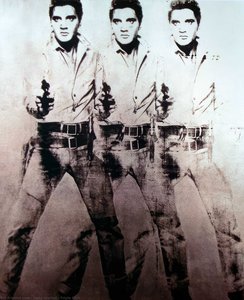
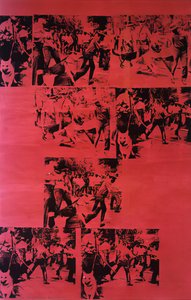
वारहोला की कलात्मक यात्रा उपभोक्ता वस्तुओं से परे सेलिब्रिटी, मृत्यु और आपदा जैसे विषयों तक फैली हुई थी। उन्होंने मैरीलिन मुनरो, एल्विस प्रेस्ली और एलिजाबेथ टेलर जैसे प्रतिष्ठित हस्तियों के चित्र बनाए, जो प्रसिद्धि, छवि और सेलिब्रिटी के नाजुक स्वभाव का पता लगाते हैं। उनकी "डिज़ास्टर" श्रृंखला में कार दुर्घटनाओं, इलेक्ट्रिक कुर्सियों और दंगों की छवियों को दर्शाया गया है, जिससे दर्शकों को हिंसा और मृत्यु दर के बारे में सोचने पर मजबूर होना पड़ता है। वारहोला ने इन छवियों को एक तटस्थ दृष्टिकोण से प्रस्तुत किया, जिससे दर्शक अपना निष्कर्ष निकाल सकें। उन्होंने फिल्म निर्माण में भी प्रयोग किया, स्लीप (1963) और चेल्सी गर्ल्स (1966) जैसी प्रयोगात्मक फिल्में बनाईं, जिसने कलात्मक अभिव्यक्ति की सीमाओं को आगे बढ़ाया।
कला और संस्कृति पर स्थायी प्रभाव
एंड्रयू वारहोला का कला जगत पर गहरा प्रभाव पड़ा है। उन्होंने कला की पारंपरिक परिभाषाओं को चुनौती दी, उच्च और निम्न संस्कृति के बीच की रेखाएँ धुंधली कर दीं, और अवधारणात्मक और प्रदर्शन कला जैसे नए आंदोलनों का मार्ग प्रशस्त किया। उनकी उपभोक्तावाद, सेलिब्रिटी संस्कृति और मीडिया के अन्वेषण आज भी दर्शकों के साथ गूंजते हैं, क्योंकि ये विषय समकालीन समाज के केंद्र में बने हुए हैं। वारहोला न केवल एक कलाकार थे, बल्कि एक सांस्कृतिक प्रतीक भी थे - एक दूरदर्शी जिन्होंने छवि की शक्ति को समझा और इसे धारणा को आकार देने की क्षमता को पहचाना। उन्होंने एक ऐसे समय में खुले तौर पर अपनी गे पहचान को अपनाया जब ऐसा करना दुर्लभ था, जिससे वे मुक्ति के प्रतीक बन गए और सामाजिक मानदंडों को चुनौती दी। उनकी विरासत अनगिनत क्षेत्रों में देखी जा सकती है, समकालीन कला, फैशन, संगीत और फिल्म से लेकर हर जगह। वारहोला ने कला को एक दुर्लभ खोज से बदलकर आधुनिक जीवन के रोजमर्रा के अनुभवों के साथ गहराई से जुड़ा हुआ बनाया।

एंडी वारहोल
1928 - 1987 , संयुक्त राज्य अमेरिका
मुख्य तथ्य
- Artistic Movement Or Style: पॉप कला
- Artists Or Movements Influenced By This Artist:
- समकालीन कला
- फैशन
- फिल्म
- संगीत
- Date Of Birth: 6 अगस्त 1928
- Date Of Death: 22 फरवरी 1987
- Full Name: एंडी वारहोल
- Nationality: अमेरिकी
- Notable Artworks:
- कैम्पबेल का सूप कैन
- मैरीलिन डिप्टिक
- चे ग्वेरा
- वेलवेट अंडरग्राउंड कवर
- Place Of Birth: पिट्सबर्ग, अमेरिका
संबंधित लेख

Richard Lindner: Pop Art's Intimate Narratives of Modern Alienation & Desire
Explore the captivating world of Richard Lindner, a pivotal Pop Art figure. Discover his unique style, symbolic depth, collecting insights & lasting influence on contemporary art. Expert analysis for collectors.
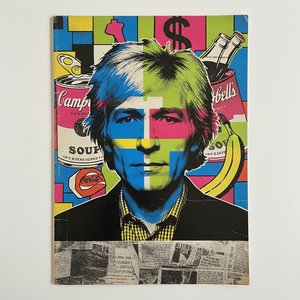
Andy Warhol: Deconstructing Pop Culture & Redefining Artistic Expression
Explore the revolutionary art of Andy Warhol & the Pop Art movement. Discover his iconic techniques, cultural impact, and investment potential. A guide for discerning collectors.
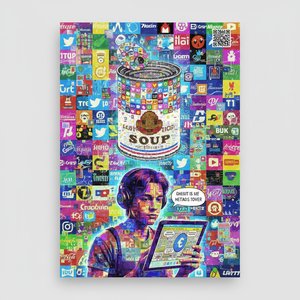
अगली पीढ़ी की कला: डिजिटल युग में विनियोग और उपभोक्तावाद का पुनर्मूल्यांकन
अगली पीढ़ी की कला में निवेश करें। डिजिटल युग में विनियोग और उपभोक्तावाद का पुनर्मूल्यांकन। OriginalUniqueArt.com पर उच्च गुणवत्ता वाली कलाकृतियाँ, कस्टम पोर्ट्रेट और विशेषज्ञ सलाह पाएं।
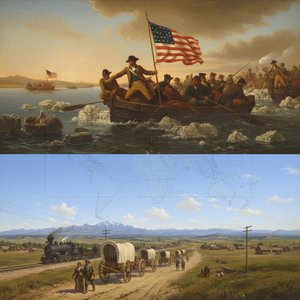
Emanuel Leutze: Transatlantic Identity & the Iconography of American Progress
Explore the life & art of Emanuel Leutze, famed for 'Washington Crossing the Delaware.' Discover his Romantic historical paintings, transatlantic influences, and powerful depictions of American identity & progress. Expert analysis at OriginalUniqueArt.
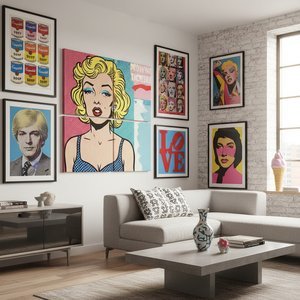
पॉप आर्ट आंदोलन को परिभाषित करने वाली 10 उत्कृष्ट कृतियाँ | OriginalUniqueArt
पॉप आर्ट आंदोलन को आकार देने वाली 10 सर्वश्रेष्ठ कृतियों का अन्वेषण करें। वारहोल, लिचटेनस्टीन और अन्य कलाकारों की कहानियाँ जानें। OriginalUniqueArt.com पर उच्च गुणवत्ता वाले कला पुनरुत्पादन खोजें।