

 पूर्वावलोकन देखें
 भेजें
भेजें साझा करें
 विवरण देखें
 मार्गदर्शिका

 डाउनलोड करें
 समान वस्तुएं
 एक्स-रे
 स्लाइड शो देखें
 आंकड़े
Still Life
 Oil On Canvas
- WallArt
- Fauvism
 17.0 x 34.0 cm
 फिट्ज़विलियम कॉलेज
 और पढ़ें
हस्तनिर्मित ऑयल रिप्रोडक्शन
आपके आकार और फ्रेम के अनुसार कैनवास पर हाथ से बनी ऑयल पेंटिंग, हमारे कलाकारों द्वारा विशेष रूप से ऑर्डर पर तैयार। ( प्रिंट विकल्प पर जाएँ डिजिटल इमेज पर जाएँ)




P118B ₹10

P118H ₹10

P118W ₹10

P438Z ₹10

P508JH ₹12

P508YH ₹12

P805H ₹10

P805Z ₹10

P919BZ ₹10

P919G ₹10

P919XJ ₹10

P959ZH ₹10

P968JZ ₹12

W106C ₹8

W218G ₹10

W218JH ₹8

W218Y ₹10

W307PJ ₹10

W316G ₹10

W316PJ ₹8

W316Y ₹10

W398PJ ₹8

W4111J ₹10

W500HY ₹15

W500JH ₹15

W692G ₹12

W849H ₹8

W940BG ₹15

W953PJ ₹8




कलाकृति के मूल अनुपात से मेल खाने वाले हमारे पूर्व निर्धारित आकारों में से चुनें।

आप किसी विशिष्ट फ्रेम या स्थान के अनुसार अपने स्वयं के आयाम (dimensions) दर्ज कर सकते हैं। यदि आपके द्वारा चुना गया आकार मूल छवि के अनुपात से मेल नहीं खाता है, तो हम कलाकृति को क्रॉप करेंगे या पेंटिंग में अतिरिक्त हाथ से चित्रित तत्व जोड़कर उसका विस्तार करेंगे। उत्पादन शुरू होने से पहले आपकी स्वीकृति के लिए एक डिजिटल मॉकअप भेजा जाएगा।
कृपया ध्यान दें कि स्क्रीन पर दिखने वाला पूर्वावलोकन वास्तविक क्रॉपिंग या विस्तार को नहीं दर्शाता है। केवल मॉकअप ही अंतिम रचना को सटीक रूप से दिखाएगा।
यद्यपि कस्टम आकार उपलब्ध हैं, फिर भी हम मूल अनुपात बनाए रखने के लिए पूर्व-निर्धारित सूची से आयाम चुनने की सलाह देते हैं।
ऑर्डर देने के बाद, OriginalUniqueArt.com टीम निर्देशों के लिए क्लाइंट को ईमेल करेगी और एक मॉकअप प्रीव्यू प्रदान करेगी
विश्वव्यापी वितरण () मानक 5 सप्ताह के बजाय मात्र 3/4 सप्ताह में। (13 अक्टूबर)। गुणवत्ता से कोई समझौता नहीं।

दुनिया भर में मुफ़्त एक्सप्रेस शिपिंग

प्रीमियम ग्रेड लिनेन कैनवास

पूर्ण शिपिंग बीमा

सीमा शुल्क और आयात कर वापसी की गारंटी

सटीक रंग मिलान की गारंटी

100 दिनों की वापसी नीति (केवल निर्माण दोष होने पर)

100% पैसे वापसी की गारंटी

थोक छूट का अवसर
 ग्लास का विकल्प केवल 110 सेमी से कम आकार में ही उपलब्ध है।

Still Life
प्रतिकृति की सामग्री
प्रतिकृति का आकार
-


कुल मूल्य
₹ 28698
André Derain’s Still Life: A Fragment of Abundance
André Derain's "Still Life," painted between 1921 and 1922, isn’t merely a depiction of fruit and vegetables; it’s a carefully constructed meditation on the transient beauty of everyday objects and the quiet dignity of domesticity. This work, now residing within the Art Gallery of New South Wales' collection, offers a fascinating glimpse into the artist’s evolving style – a deliberate shift away from the vibrant, almost aggressively colorful Fauvism that defined his earlier career and towards a more restrained, classically-influenced aesthetic.
The scene itself is deceptively simple: a bowl overflowing with olives and a solitary green pepper rest upon a pristine white plate. Yet, within this apparent stillness lies a remarkable dynamism. Derain’s brushstrokes are not smooth or polished; instead, they possess a palpable energy, building up layers of paint to create a textured surface that seems to shimmer in the light. The composition is dominated by the oval form of the plate, acting as a central anchor and drawing the eye inward. Notice how he utilizes broken lines and fragmented forms – echoes of Cubism but tempered with a sensitivity to color and shape reminiscent of his earlier Fauvist period.
The Echoes of Tradition and Modernity
To fully appreciate “Still Life,” it’s crucial to understand Derain's artistic journey. Following the explosive success of Fauvism, he embarked on a period of intense self-reflection, seeking inspiration in the art of the Renaissance masters – particularly Jan van Eyck and Hieronymus Bosch. This exploration led him to a renewed interest in order, harmony, and detachment, qualities he sought to embody in his later works. The muted palette—a blend of greys, browns, and subtle greens—reflects this shift away from the bold, unrestrained colors of his Fauvist phase.
However, Derain never abandoned his inherent expressive tendencies entirely. The painting retains a certain emotional resonance, a quiet intensity conveyed through the deliberate manipulation of color and texture. The olive’s dark hue, contrasted against the bright green pepper, creates a subtle tension, hinting at both abundance and decay – a poignant reminder of the fleeting nature of beauty. This duality is characteristic of Derain's work throughout his career: a constant negotiation between tradition and innovation, restraint and expression.
Symbolism and the Language of Still Life
Like many still life paintings of its era, “Still Life” carries layers of symbolic meaning. The arrangement of objects – the bowl, the plate, the fruit – can be interpreted as a visual representation of nourishment, abundance, and the cycle of seasons. The presence of olives, often associated with peace and prosperity, further reinforces this theme. Moreover, the painting’s composition subtly alludes to the tradition of *vanitas* paintings, which traditionally included objects representing mortality and the transience of earthly pleasures. The simple arrangement, devoid of overt religious iconography, suggests a more secular reflection on these themes – a quiet contemplation of life's ephemeral nature.
A Masterpiece in Reproduction
André Derain’s “Still Life” is a testament to the enduring power of seemingly simple subjects. Its evocative brushwork, subtle color palette, and layered symbolism continue to captivate viewers today. When considering a high-quality reproduction, it's important to select one that accurately captures the painting’s textural richness and nuanced tonal variations. The interplay of light and shadow, so skillfully rendered by Derain, is particularly crucial – ensuring that the reproduction conveys the same sense of depth and atmosphere as the original.
Whether displayed in a formal gallery setting or incorporated into a personal interior design scheme, “Still Life” offers a timeless reminder of beauty’s fleeting nature and the enduring appeal of everyday objects. It is a work that invites contemplation, sparking a dialogue between the viewer and the artist's profound understanding of light, color, and the human condition.
प्रश्न और उत्तर
आंद्रे डेरेन द्वारा "Still Life" किस कमरे के लिए उपयुक्त है?
"Still Life" की एक प्रतिकृति Living Room के लिए बिल्कुल उपयुक्त है।
क्या आंद्रे डेरेन द्वारा "Still Life" में गहरे विरोधाभास (strong contrasts) का उपयोग किया गया है या कोमल सामंजस्य (soft harmonies) का?
आंद्रे डेरेन द्वारा "Still Life" का रंग विश्लेषण एक Bold विरोधाभास और एक Balanced Harmony सामंजस्य को दर्शाता है।
"Still Life" का निर्माण किसने किया?
"Still Life" के पीछे के कलाकार आंद्रे डेरेन हैं। यह कृति आंद्रे डेरेन के नाम के अंतर्गत सूचीबद्ध है।
मैं आंद्रे डेरेन द्वारा "Still Life" की डिजिटल इमेज कहाँ से खरीद सकता हूँ?
"Still Life" एक उच्च-रिज़ॉल्यूशन वाली डिजिटल इमेज डाउनलोड के रूप में उपलब्ध है, जिसे सीधे यह पृष्ठ से खरीदा जा सकता है।
आंद्रे डेरेन द्वारा "Still Life" की एक प्रतिकृति (reproduction) कमरे में कैसा वातावरण लाएगी?
अपने Calm भाव के साथ, "Still Life" को Living Room के लिए सुझाया गया है।
क्या "Still Life" के रचनाकार आंद्रे डेरेन, अन्य नामों से भी जाने जाते हैं?
आंद्रे डेरेन अन्य नामों आंद्रे डेरेन (पूर्ण नाम), Andre Derain के नाम से भी जाने जाते हैं।
आंद्रे डेरेन द्वारा "Still Life" का आकार और अनुपात कैसा है, और यह कितना बड़ा है?
आंद्रे डेरेन द्वारा "Still Life" एक Panoramic रचना है, जिसका मूल आकार 17 x 34 cm है।
मूल आंद्रे डेरेन द्वारा "Still Life" का आकार क्या है?
मूल आंद्रे डेरेन द्वारा "Still Life" का माप 17 x 34 cm है।
कलाकार का परिचय
प्रारंभिक जीवन और फ़ोविज़्म के बीज
आंद्रे डेरेन, जिनका जन्म 1880 में पेरिस के पास आकर्षक गांव चाटू में हुआ था, का जीवन शुरूआती दौर में रंग और कैनवस से जुड़ा नहीं था। कुछ कथाओं के विपरीत जो व्लामिंक या मातिस जैसे साथी चित्रकारों के साथ तत्काल कलात्मक जागृति का सुझाव देती हैं, डेरेन ने लगभग 1895 में स्वतंत्र रूप से अपनी कलात्मक यात्रा शुरू की। ये प्रारंभिक अन्वेषण अक्सर फादर जैकोमिन और उनके बेटों के साथ ग्रामीण भ्रमण के दौरान किए जाते थे - एक रचनात्मक अनुभव जिसने प्रकृति के प्रति गहरी सराहना पैदा की। उन्होंने 1898 में एकेडेमी कैमिलो में संक्षेप में इंजीनियरिंग का अध्ययन किया, जहां भाग्यवश उनकी मुलाकात हेनरी मातिस से हुई, जिससे एक महत्वपूर्ण कलात्मक साझेदारी शुरू हुई। यूजीन कैरियर के तहत आगे के अध्ययनों ने उनके मूलभूत कौशल को निखारा, लेकिन 1901 से 1904 तक सैन्य सेवा ने उनके उभरते करियर में अस्थायी रूप से बाधा डाली। वापसी पर, मातिस के अटूट विश्वास से प्रेरित होकर, डेरेन ने निर्णायक रूप से इंजीनियरिंग छोड़ दी और पूरी तरह से चित्रकला के लिए समर्पित हो गए, एकेडेमी जूलियन में अपनी शिक्षा जारी रखी। इस प्रतिबद्धता ने एक महत्वपूर्ण मोड़ चिह्नित किया, जिससे वह आधुनिक कला के सबसे क्रांतिकारी आंदोलनों में से एक के केंद्रीय व्यक्ति बनने की राह पर अग्रसर हुए।रंगों का विस्फोटक जन्म: फ़ोविज़्म
1905 की गर्मियों में डेरेन और मातिस के लिए एक विस्फोटक क्षण साबित हुआ क्योंकि उन्होंने धूप से सराबोर तटीय गांव कोलीउरे में सहयोग किया। इस अवधि ने “माउंटेंस एट कोलीउरे” जैसे कार्यों को जन्म दिया, जो प्रतिनिधित्व रंग से एक कट्टरपंथी प्रस्थान द्वारा चिह्नित थे। परिदृश्य केवल स्थानों का चित्रण नहीं थे; वे तीव्र, गैर-प्राकृतिक रंगों में व्यक्त भावनाओं की अभिव्यक्ति थे। उसी वर्ष उनके काम को सैलून डी'ऑटम में प्रदर्शित किया गया था, जिससे आक्रोश और आश्चर्य हुआ। आलोचक लुई वॉक्ससेल्स ने उन्हें प्रसिद्ध रूप से “लेस फॉव्स” - जंगली जानवर कहा - एक नाम जो शुरू में अपमानजनक इरादे वाला था लेकिन अंततः कलाकारों द्वारा अपनाया गया। फ़ोविज़्म में डेरेन का योगदान केवल शैलीगत नहीं था; उनमें शुद्ध रंग में भावनात्मक तीव्रता को अनुवाद करने की एक अनूठी क्षमता थी। 1906 में, एम्ब्रॉइस वोल्लार्ड ने उन्हें लंदन चित्रित करने के लिए कमीशन किया, जिसके परिणामस्वरूप थेम्स और टॉवर ब्रिज को दर्शाने वाले आश्चर्यजनक कैनवस की एक श्रृंखला बनी। ये पारंपरिक शहर के दृश्य नहीं थे; वे बोल्ड व्याख्याएं थीं, जो डेरेन की नवीन दृष्टि के प्रमाण के रूप में एक अपरंपरागत लेंस के माध्यम से लंदन की ऊर्जा और वातावरण को पकड़ती हैं - उन्होंने वान गॉग और सेज़ान जैसे कलाकारों से प्रभावित होकर रंग और रूप की सीमाओं को आगे बढ़ाया, भविष्य की पीढ़ियों के अभिव्यक्तिवादी चित्रकारों के लिए आधार तैयार किया।फ़ोविज़्म से परे: एक बदलती सौंदर्यबोध
फ़ोविज़्म का प्रारंभिक उत्साह डेरेन के पूरे कलात्मक प्रक्षेपवक्र को परिभाषित नहीं करता था। लगभग 1907 के आसपास, उनकी शैली में एक महत्वपूर्ण विकास शुरू हुआ, जो अनियंत्रित क्रोमैटिक उत्साह से दूर और अधिक शांत रंगों और रूप पर बढ़ते जोर की ओर बढ़ रहा था। इस अवधि, जिसे अक्सर उनके “गॉथिक” चरण (1911-1914) के रूप में जाना जाता है, ने संरचना और रचना में बढ़ती रुचि को दर्शाया। उन्होंने पुराने मास्टर्स के अध्ययन में खुद को डुबो दिया, घनवाद के तत्वों को शामिल करते हुए साथ ही शास्त्रीय रूपों से प्रेरणा भी ली। यह उनके पहले काम का अस्वीकरण नहीं था बल्कि उनकी कलात्मक शब्दावली का विस्तार था। डेरेन की बहुमुखी प्रतिभा चित्रकला से परे फैली हुई थी; 1919 में, उन्होंने सर्गेई डायघिलेव के बैलेट्स रसेस के लिए “ला बुटीक फंतास्क” नामक बैले को डिजाइन किया, जिससे नाटकीय डिजाइन के लिए उनकी योग्यता का प्रदर्शन हुआ और उनकी विविध प्रतिभाओं को और दिखाया गया। इस युग के प्रमुख कार्यों, जैसे कि "हार्लेक्विन एंड पिएरोट" और विशाल भित्ति चित्र "यूलिस की वापसी", इस शैलीगत बदलाव का उदाहरण देते हैं - कला बनाने के लिए एक अधिक नियंत्रित और बौद्धिक रूप से कठोर दृष्टिकोण की ओर बढ़ना।विरासत और जटिलताएं
आंद्रे डेरेन का स्थान कला इतिहास में फ़ोविज़्म के सह-संस्थापक के रूप में सुरक्षित है, एक ऐसा आंदोलन जिसने अपरिवर्तनीय रूप से आधुनिक चित्रकला के पाठ्यक्रम को बदल दिया। उनके लंदन के जीवंत कैनवस पर अद्वितीय दृष्टिकोण ने एक प्रतिष्ठित शहर की ताज़ा धारणा पेश की। प्रथम विश्व युद्ध के बाद, उन्हें क्लासिकवाद के पुनरुद्धार में उनके योगदान के लिए फिर से मान्यता मिली, जिससे उनकी अनुकूलनशीलता और स्थायी कलात्मक प्रासंगिकता का प्रदर्शन हुआ। हालांकि, डेरेन के जीवन के अंतिम वर्षों को विवादों ने चिह्नित किया था। द्वितीय विश्व युद्ध के दौरान जर्मनी में उनकी उपस्थिति ने आलोचना को आकर्षित किया, जिसके परिणामस्वरूप युद्ध के बाद कुछ पूर्व समर्थकों द्वारा बहिष्कार किया गया। इस छाया के बावजूद, बाद की पीढ़ियों पर उनका प्रभाव निर्विवाद बना हुआ है। 1954 में उनका निधन हो गया, जिससे एक ऐसा काम पीछे छूट गया जो लगातार मोहित करता रहता है और प्रेरित करता रहता है। उनकी विरासत केवल बोल्ड रंगों और अभिव्यंजक ब्रशस्ट्रोक की नहीं है बल्कि एक ऐसे कलाकार की भी है जिसने लगातार खुद को चुनौती दी, अभिव्यक्ति के नए रास्ते खोजे और आधुनिक कला के परिदृश्य पर एक अमिट छाप छोड़ी। वह कलात्मक नवाचार की शक्ति और तेजी से बदलती दुनिया में नेविगेट करने की अंतर्निहित जटिलताओं का प्रमाण हैं। डेरेन की यात्रा हमें याद दिलाती है कि सच्ची कला शैली का पालन करने में नहीं बल्कि रचनात्मक सत्य की अथक खोज में निहित है।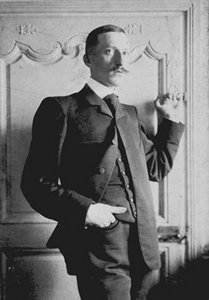
आंद्रे डेरेन
1880 - 1954 , फ़्रांस
संक्षिप्त जानकारी
- कला आंदोलन/शैली: फ़ोविज़्म, घनवाद
- किसके द्वारा प्रभावित:
- मतिस
- घनवाद
- जन्म तिथि: 10 जून 1880
- जन्म स्थान: शातू, फ्रांस
- पूरा नाम: आंद्रे डेरेन
- प्रभावित कलाकार:
- वान गाग
- सेज़ाने
- प्रमुख कलाकृतियाँ:
- माउंटेंस एट कोलीoure
- हार्लेक्विन और पिएरोट
- मृत्यु तिथि: 8 सितंबर 1954
- राष्ट्रीयता: फ्रांसीसी
संबंधित लेखों की सूची
André Derain: Fauvism's Bold Visionary & the Evolution of Modern Color
Explore the revolutionary art of André Derain, co-founder of Fauvism. Discover his bold use of color, evolution from radical expressionism to classicism, and lasting influence on modern art history. Learn more at OriginalUniqueArt.
फ़ॉविज़्म के शीर्ष 10 उत्कृष्ट कृतियाँ: कला और घर में रंग का विस्फोट | OriginalUniqueArt
फ़ॉविज़्म के 10 उत्कृष्ट कृतियाँ जानें! हेनरी मातीस और आंद्रे डेरैन जैसे कलाकारों की रंगीन दुनिया में डूबें। कला इतिहास, आधुनिक कला और घर की सजावट के लिए प्रेरणा पाएं। OriginalUniqueArt.com पर सभी उत्कृष्ट कृतियाँ देखें!

Bold Strokes & Powerful Visions: 10 Artworks That Command Attention | OriginalUniqueArt
Experience art's raw power! Explore 10 iconic paintings – Van Gogh, Kahlo & more – that define 'bold'. Discover the stories behind these expressive masterpieces and find museum-quality reproductions for your home at OriginalUniqueArt.com.

Silent Narratives: Exploring the Enduring Appeal of Still Life Painting Across Centuries
Explore the rich history of still life painting with OriginalUniqueArt. Discover Dutch Masters, decode vanitas symbolism & learn about collecting timeless art. Expert insights and museum-quality reproductions.
Fauvism's Boldest Visions: 10 Masterpieces That Revolutionized Modern Art | OriginalUniqueArt
Explore 10 Fauvist masterpieces by Matisse, Derain & Vlaminck that ignited Modern Art! Discover bold colors, expressionist landscapes & the history of this revolutionary movement. Find museum-quality prints at OriginalUniqueArt.com.

