

 पूर्वावलोकन देखें
 भेजें
भेजें साझा करें
 विवरण देखें
 मार्गदर्शिका

 डाउनलोड करें
 समान वस्तुएं
 एक्स-रे
 स्लाइड शो देखें
 Q&A
Q&A आंकड़े
George III (1738–1820)
 Oil On Canvas
- WallArt
- Neoclassicism
 214.0 x 150.0 cm
 The Royal Hospital Chelsea
 और पढ़ें
गिक्ली / आर्ट प्रिंट
तेज़ उत्पादन और विभिन्न फिनिश विकल्पों के साथ म्यूजियम-क्वालिटी गिकली (giclée) या कैनवस प्रिंट। ( हाथ से बनी पेंटिंग खरीदें डिजिटल इमेज पर जाएँ)




P118B ₹10

P118H ₹10

P118W ₹10

P438Z ₹10

P508JH ₹12

P508YH ₹12

P805H ₹10

P805Z ₹10

P919BZ ₹10

P919G ₹10

P919XJ ₹10

P959ZH ₹10

P968JZ ₹12

W106C ₹8

W218G ₹10

W218JH ₹8

W218Y ₹10

W307PJ ₹10

W316G ₹10

W316PJ ₹8

W316Y ₹10

W398PJ ₹8

W4111J ₹10

W500HY ₹15

W500JH ₹15

W692G ₹12

W849H ₹8

W940BG ₹15

W953PJ ₹8




कलाकृति के मूल अनुपात से मेल खाने वाले हमारे पूर्व निर्धारित आकारों में से चुनें।

अपने फ्रेम या अपनी दीवार के अनुसार आवश्यक चौड़ाई और ऊंचाई दर्ज करें। प्रिंट को केवल काटा जा सकता है, चित्र से बड़ा कभी नहीं बनाया जा सकता, इसलिए अलग आकार का साइज चित्र का एक हिस्सा खो देता है। किसी भी चीज़ को प्रिंट करने से पहले हम आपकी स्वीकृति के लिए आपको एक डिजिटल मॉकअप भेजते हैं। इस पृष्ठ पर दिखाया गया चित्र वास्तविक कटिंग नहीं दिखाता है — केवल मॉकअप ही इसे दर्शाता है।
विश्वव्यापी डिलीवरी (), मानक 4/5 सप्ताह के बजाय मात्र 2 सप्ताह में। (30 अक्टूबर)

दुनिया भर में मुफ़्त एक्सप्रेस शिपिंग

प्रीमियम ग्रेड लिनेन कैनवास

पूर्ण शिपिंग बीमा

सीमा शुल्क और आयात कर वापसी की गारंटी

सटीक रंग मिलान की गारंटी

100 दिनों की वापसी नीति (केवल निर्माण दोष होने पर)

100% पैसे वापसी की गारंटी

थोक छूट का अवसर
 ग्लास का विकल्प केवल 110 सेमी से कम आकार में ही उपलब्ध है।

George III (1738–1820)
गिक्ली / आर्ट प्रिंट
प्रतिकृति का आकार
-


कुल मूल्य
₹ 7681
A Regal Portrait: Allan Ramsay’s George III
Allan Ramsay's portrait of King George III, completed around 1761-2, is more than just a likeness; it’s a carefully constructed embodiment of power, authority, and the nascent complexities of the British monarchy. This masterful work, rendered in oil on canvas, transcends mere representation to become a window into the era's political climate and artistic sensibilities – specifically, the rise of Neoclassicism within portraiture. The painting immediately commands attention with its dramatic lighting, a key element that draws the viewer’s eye directly to the King’s face, imbuing him with an almost palpable sense of presence.
Ramsay, a leading figure in 18th-century Scottish art, expertly employs linear perspective to create a sense of depth and spatial arrangement. The throne, rendered as a robust square, anchors the composition while the draped fabric behind George III flows into a dark, indistinct background – a deliberate choice that serves to highlight the subject’s importance and elevate his status. The use of geometric shapes—squares for the throne, rectangles for the robes—contrasts with the more organic curves of the King's face, suggesting a balance between rigid formality and human warmth.
A Study in Neoclassical Detail
Examining the brushwork reveals Ramsay’s meticulous technique. Layered glazes build up color depth and luminosity, particularly noticeable in the rich textures of the royal robes – a testament to his ability to capture the sheen of velvet and the weight of heavy fabrics. The artist skillfully renders skin tones with subtle variations, avoiding overly smooth surfaces; instead, he introduces a slight roughness that lends a sense of realism and immediacy. The careful attention to detail extends to the rendering of the King’s attire: the intricate embroidery, the gleaming gold accents, and the precise folds of his garments all speak to the immense wealth and power associated with the monarchy.
The painting's palette is restrained yet sophisticated, dominated by deep reds, blues, and browns – colors traditionally linked with royalty and authority. The lighting, originating from a strong left-hand source, casts dramatic shadows that sculpt George III’s features, emphasizing his brow, cheekbones, and the solemnity of his expression. This chiaroscuro effect not only adds visual interest but also contributes to the overall sense of gravitas and dignity.
Symbolism and Historical Context
George III reigned from 1760 until his death in 1820, a period marked by significant political and military upheaval. The portrait itself is deeply symbolic, reflecting the King’s role as head of state during a time of considerable change. The crown, prominently displayed, represents sovereignty and divine right – concepts that were increasingly challenged during George III's reign. The robes, rich in color and ornamentation, symbolize his wealth and status, while the scepter and orb further reinforce his authority.
Ramsay’s work was commissioned during a pivotal moment in British history—the early years of George III’s rule. The King's reign coincided with the Seven Years’ War and the subsequent American Revolution, events that profoundly shaped the course of British history. The portrait, therefore, can be interpreted as an attempt to project an image of stability and strength at a time of considerable uncertainty. It is also important to note that this particular painting was one of many commissioned by the King, reflecting his desire to solidify his position and assert his authority.
A Legacy of Elegance
Allan Ramsay’s portrait of George III stands as a remarkable achievement of Neoclassical portraiture. It is a testament to the artist's technical skill, his understanding of symbolism, and his ability to capture the essence of a historical figure. Reproductions of this iconic image continue to resonate with viewers today, offering a glimpse into the grandeur and complexities of 18th-century Britain. The painting’s enduring appeal lies not only in its aesthetic beauty but also in its ability to evoke a sense of history, power, and timeless elegance.
प्रश्न और उत्तर
"George III (1738–1820)" के रंग कितने गहरे हैं?
"George III (1738–1820)" का रंग संतृप्ति (saturation) में Subtle Color और तीव्रता (intensity) में Monochromatic है।
"George III (1738–1820)" में कौन सा मिजाज और भावनाएं एक साथ उभर कर आती हैं?
एलन राम्से द्वारा "George III (1738–1820)" का दर्ज किया गया भाव Elegant है, और इसका भावनात्मक स्वर Nostalgic है।
एलन राम्से द्वारा "George III (1738–1820)" के रंग कितने सामंजस्यपूर्ण हैं?
"George III (1738–1820)" का रंग सामंजस्य Strong Color Unity के रूप में दर्ज है।
कलाकार का परिचय
एलन राम्से: एक युग की शालीनता और कलात्मक प्रतिभा
13 अक्टूबर, 1713 को एडिनबर्ग, स्कॉटलैंड में जन्मे एलन राम्से, अपने समय की शालीनता और परिष्कार को चित्रित करने वाले एक प्रमुख स्कॉटिश चित्रकार के रूप में उभरे। उनकी कलात्मक यात्रा बीस वर्ष की आयु में शुरू हुई जब वे स्वीडिश चित्रकार हंस हिसिंग के मार्गदर्शन में लंदन गए, इसके बाद सेंट मार्टिन लेन अकादमी में शिक्षा प्राप्त की। इस बुनियादी प्रशिक्षण ने उन्हें तकनीक और रचना का एक ठोस आधार प्रदान किया। राम्से की प्रतिभा जल्द ही उजागर हो गई, और उन्होंने कला जगत में अपनी पहचान बनाना शुरू कर दिया।
इतालवी प्रभाव और कलात्मक विकास
रम्से के कलात्मक विकास में महत्वपूर्ण मोड़ तब आया जब वे 1736-1738 तक रोम और नेपल्स की यात्रा पर गए, जहाँ उन्होंने फ्रांसेस्को सोलीमेना और इम्पेरियाली (फ्रांसेस्को फर्नांडी) के मार्गदर्शन में तीन साल बिताए। इन इतालवी गुरुओं ने उनकी शैली को गहराई से प्रभावित किया, जिससे उन्हें शास्त्रीय सिद्धांतों की गहरी समझ मिली और चरित्र और समानता को पकड़ने के उनके कौशल में वृद्धि हुई। उन्होंने प्रचलित रोकोको सौंदर्यशास्त्र को आत्मसात किया, साथ ही नवशास्त्रीय आदर्शों के लिए भी प्रशंसा विकसित की। इटली में बिताए गए वर्षों ने राम्से की कलात्मक दृष्टि को आकार दिया, जिससे उन्हें प्रकाश और छाया का उपयोग करने, रंग पैलेट को संयोजित करने और अपने चित्रों में भावनाओं को व्यक्त करने की क्षमता मिली।
एक समृद्ध करियर और उल्लेखनीय रचनाएँ
1738 में ब्रिटेन लौटने पर, राम्से ने जल्दी ही एक सफल चित्रकार के रूप में अपना करियर स्थापित किया। उनकी सटीकता और अनुग्रह दोनों के साथ विषयों को चित्रित करने की क्षमता ने उन्हें प्रतिष्ठित ग्राहकों को आकर्षित किया। उनकी सबसे उल्लेखनीय कृतियों में शामिल हैं:
- क्वीन चार्लोट (1744-1818) उनके दो सबसे बड़े बेटों के साथ (रॉयल कलेक्शन, लंदन): एक राजसी चित्रण जो रानी की मातृत्व उपस्थिति को दर्शाता है।
- मैरी डेग, लेडी रॉबर्ट मैनर्स (स्कॉटिश नेशनल गैलरी, एडिनबर्ग): एक सुरुचिपूर्ण चित्र जो राम्से की कुलीन सुंदरता को पकड़ने के कौशल का प्रदर्शन करता है।
- डंकन फोर्ब्स ऑफ कुलॉडेन का सिर: यह प्रारंभिक कार्य उन्हें ड्यूक ऑफ आर्गिल का ध्यान आकर्षित करने में सफल रहा और बाद में रॉयल बैंक ऑफ स्कॉटलैंड के नोटों पर चित्रित किया गया।
शाही नियुक्ति और चरम उपलब्धि
रम्से के करियर में एक महत्वपूर्ण क्षण 1761 में आया जब उन्हें जॉर्ज III के आधिकारिक चित्रकार के रूप में नियुक्त किया गया। इस प्रतिष्ठित पद ने कला जगत में उनकी स्थिति को मजबूत किया और शाही परिवार और उच्च समाज से लगातार कमीशन सुनिश्चित किए गए। वह जॉर्जियन युग के *अग्रणी* चित्रकार बन गए, जिनकी शैली और तकनीक की प्रशंसा हर कोई करता था। राम्से के चित्रों में विषयों की भव्यता और आत्मविश्वास को खूबसूरती से दर्शाया गया है, जो उन्हें उस समय के अभिजात वर्ग का प्रतीक बनाती हैं।
बाद का जीवन और विरासत
रम्से के बाद के जीवन में साहित्यिक गतिविधियों में बदलाव आया, जो उनकी व्यापक बौद्धिक रुचियों को दर्शाता था। हालांकि, व्यक्तिगत त्रासदियों – उनके दाहिने हाथ का आकस्मिक विस्थापन और 1782 में उनकी दूसरी पत्नी की मृत्यु – ने उनके स्वास्थ्य और उत्पादकता पर प्रभाव डाला। उनका निधन 1784 में हो गया।
इन चुनौतियों के बावजूद, राम्से ने स्कॉटलैंड के सबसे प्रसिद्ध चित्रकारों में से एक के रूप में एक स्थायी विरासत छोड़ी। जैसा कि सैमुअल जॉनसन ने कहा था, “मैं राम्से को पसंद करता हूँ। आपको ऐसा कोई व्यक्ति नहीं मिलेगा जिसकी बातचीत में राम्से की तरह निर्देश, जानकारी और शालीनता हो।” उनके कार्य उनकी तकनीकी कौशल, परिष्कृत सौंदर्यशास्त्र और अठारहवीं सदी के समाज के अंतर्दृष्टिपूर्ण चित्रण के लिए आज भी सराहे जाते हैं।
ऐतिहासिक महत्व
एलन राम्से का योगदान केवल उनकी कलात्मक प्रतिभा से परे है। उन्होंने एक महत्वपूर्ण सामाजिक और राजनीतिक परिवर्तन की अवधि के दौरान स्कॉटलैंड की दृश्य संस्कृति को आकार देने में महत्वपूर्ण भूमिका निभाई। उनके चित्र स्कॉटिश कुलीनता और जमींदारों के जीवन, फैशन और मूल्यों में बहुमूल्य अंतर्दृष्टि प्रदान करते हैं। उनके कार्य एयर टाउन हॉल और स्कॉटिश नेशनल पोर्ट्रेट गैलरी जैसे स्थानों पर पाए जा सकते हैं। राम्से की कला ने न केवल अपने समय को चित्रित किया बल्कि आने वाली पीढ़ियों के लिए एक प्रेरणा स्रोत भी बनी, जो उन्हें स्कॉटलैंड के इतिहास में एक महत्वपूर्ण व्यक्ति बनाती है।
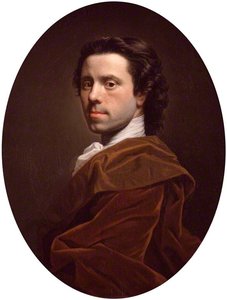
एलन राम्से
1713 - 1784 , यूनाइटेड किंगडम
संक्षिप्त जानकारी
- कला आंदोलन: रोकोको, नवशास्त्रीय
- जन्म तिथि: 13 अक्टूबर 1713
- जन्म स्थान: एडिनबर्ग, यूनाइटेड किंगडम
- पूरा नाम: एलन राम्से
- प्रभावित कलाकार:
- हंस हysing
- फ्रांसेस्को सोलीमेना
- प्रमुख कलाकृतियाँ:
- क्वीन चार्लोट के साथ दो पुत्र
- मैरी डेग, लेडी रॉबर्ट मैनर्स
- डंकन फोर्ब्स का चित्र
- मृत्यु तिथि: 1784
- राष्ट्रीयता: स्कॉटिश
संबंधित लेखों की सूची

Allen Ramsay: Portraiture, Patronage & Shaping Georgian Identity
Explore the life & work of Allen Ramsay, pivotal portraitist to George III. Discover his Rococo style, influence on Georgian society, and lasting legacy in British art history. Learn about his key works & patronage.

जॉर्ज पियरे सेउरा की 25 उत्कृष्ट कृतियाँ: कला, इतिहास और आपके घर के लिए प्रेरणा
जॉर्ज सेउरा की 25 सर्वश्रेष्ठ कृतियों का अन्वेषण करें! बिंदुवाद, आधुनिक कला और रंग सिद्धांत के जादू को जानें। उच्च गुणवत्ता वाले कला प्रिंट और दीवार सजावट के लिए OriginalUniqueArt.com पर खोजें।

Neoclassical Portraiture: The Timeless Elegance of Order, Grace, and Academic Mastery
Explore the refined world of Neoclassical portraiture. Discover the mastery of line, light, and order through an expert exploration of academic art history, from Jacques-Louis David to Jean-Antoine Houdon. Immerse yourself in the timeless elegance of classical realism.

जॉर्जेस ब्राक की शीर्ष 25 कलाकृतियाँ: आधुनिक कला का सफर | OriginalUniqueArt
जॉर्जेस ब्राक की शीर्ष 25 कलाकृतियों का अन्वेषण करें! क्यूबिज्म, आधुनिक कला और फ्रांसीसी शैली के उत्कृष्ट नमूनों को जानें। OriginalUniqueArt.com पर उच्च-गुणवत्ता वाले कला प्रिंट और घर की सजावट के विचार खोजें। अभी संग्रह देखें!

Majesty on Canvas: A Definitive Guide to Iconic Royal Portraits Through Art History
Explore the profound history of royal portraiture. From Baroque grandeur to Victorian elegance, discover how master artists captured power and lineage on canvas through the timeless medium of oil painting.