
 पूर्वावलोकन देखें
 साझा करें
 साझा करें
 विस्तृत विवरण

 डाउनलोड करें
 समान कलाकृतियाँ
 एक्स-रे
 स्लाइड शो देखें
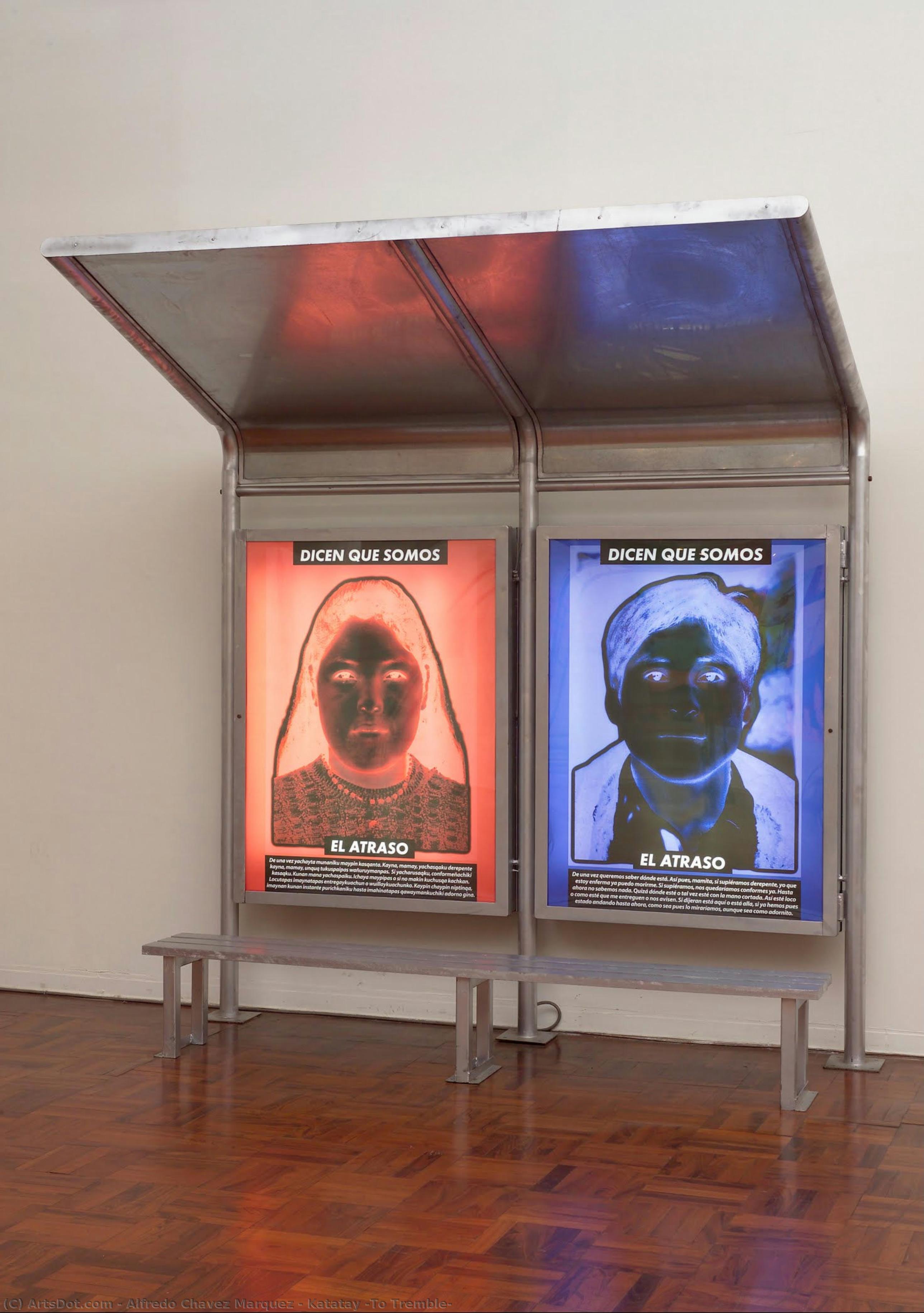
Katatay (To Tremble)
 2003
2003 1100.0 x 1550.0 cm
 Museo de Arte de Lima
 पूरा देखें
गिक्ली / आर्ट प्रिंट
तेज़ उत्पादन और विभिन्न फिनिश विकल्पों के साथ म्यूजियम-क्वालिटी गिकली (giclée) या कैनवस प्रिंट। ( हाथ से बनी पेंटिंग खरीदें छवि खरीदें)




































कलाकृति के मूल अनुपात से मेल खाने वाले हमारे पूर्व निर्धारित आकारों में से चुनें।

आप किसी विशिष्ट फ्रेम या स्थान के अनुसार अपने स्वयं के आयाम (dimensions) दर्ज कर सकते हैं। यदि आपके द्वारा चुना गया आकार मूल छवि के अनुपात से मेल नहीं खाता है, तो हम कलाकृति को क्रॉप कर देंगे या मिरर किए गए या सॉलिड-फिल किनारे के साथ छवि का विस्तार करेंगे। उत्पादन शुरू होने से पहले आपकी स्वीकृति के लिए एक डिजिटल मॉकअप भेजा जाएगा।
कृपया ध्यान दें कि स्क्रीन पर दिखने वाला प्रीव्यू वास्तविक क्रॉपिंग या विस्तार को नहीं दर्शाता है। केवल मॉकअप ही अंतिम संरचना को सटीक रूप से दिखाएगा।
हालाँकि कस्टम आकार उपलब्ध हैं, फिर भी हम मूल अनुपात बनाए रखने के लिए पूर्व-निर्धारित सूची में से एक आयाम चुनने की सलाह देते हैं।
विश्वव्यापी डिलीवरी (), मानक 4/5 सप्ताह के बजाय मात्र 2 सप्ताह में। (14 अगस्त)

दुनिया भर में मुफ़्त एक्सप्रेस शिपिंग

उच्च गुणवत्ता वाला लिनेन कैनवास

पूर्ण शिपिंग बीमा

सीमा शुल्क और आयात कर वापसी की गारंटी

सटीक रंग मिलान की गारंटी

60-दिन की वापसी नीति (केवल दोषों के लिए)

100% पैसे वापसी की गारंटी

थोक छूट का लाभ
 ग्लास का विकल्प केवल 110 सेमी से कम आकार में ही उपलब्ध है।

Katatay (To Tremble)
गिक्ली / आर्ट प्रिंट
प्रतिकृति का आकार
-


कुल देय राशि
$ 80
संग्रहणीय वस्तु का विवरण
कलाकार का जीवन परिचय
Lucian Freud: A Portrait of the Soul
Lucian Michael Freud (1922-2011) remains one of the most significant and intensely debated figures in 20th-century British art. More than simply a portrait painter, Freud offered a profound exploration of human psychology, capturing not just outward appearances but also the inner lives and vulnerabilities of his subjects – friends, family, lovers, and even the occasional stranger. His work, characterized by its thick impasto, unsettling interiors, and often confrontational intimacy, continues to provoke and fascinate viewers decades after its creation.
Born in Berlin during a period of immense political upheaval, Freud’s early life was shaped by his family's Jewish heritage and their eventual emigration to London in 1933. This experience profoundly influenced his artistic sensibility, fostering a sense of displacement and an acute awareness of the complexities of identity. His father, Ernst Freud, was the fourth child of Sigmund Freud, the renowned psychoanalyst, though Lucian maintained a deliberately distanced relationship with his famous uncle. This familial connection, however, undoubtedly contributed to the intellectual currents that informed his artistic development.
Freud’s formal art training began at Bryanston School and later at Dartington Hall, where he encountered a group of progressive educators who emphasized experiential learning and encouraged experimentation. However, it was his time in Paris during the 1940s – a period heavily influenced by Surrealism – that initially shaped his artistic approach. He experimented with dreamlike imagery and explored the subconscious, but quickly moved beyond this early influence to develop a distinctly realist style, albeit one radically different from traditional portraiture. His early works, such as “Portrait of Kitty” (1948-49), already hinted at the intensity and psychological depth that would become hallmarks of his mature oeuvre.
The Development of a Unique Style
Freud’s artistic evolution can be traced through several key stages. Initially influenced by Surrealism, he moved towards Expressionism, capturing raw emotion and distorted forms. Yet, it was in the early 1950s that he forged his own distinctive style – one characterized by an almost brutal honesty and a willingness to confront uncomfortable truths about human nature. He abandoned idealized representations, opting instead for unflinching portrayals of his subjects’ physicality, often revealing their vulnerabilities and imperfections.
A crucial element of Freud's technique was his reliance on direct observation and extended sittings with his models. He famously demanded hours-long sessions, sometimes lasting days, patiently waiting for the precise moment when a subject would reveal themselves – a flicker of emotion, a subtle shift in expression. This process wasn’t merely about capturing likeness; it was about penetrating the surface and accessing the inner world of the individual. His studio became a space of intense psychological engagement, where the artist and model existed in a state of almost symbiotic relationship.
Freud's use of paint was equally significant. He applied thick layers of impasto, building up texture and volume to create a palpable sense of presence. The surfaces of his paintings are often rough and uneven, reflecting the physicality of his subjects and conveying a feeling of immediacy and urgency. The dark, muted palette – dominated by browns, greys, and blacks – further contributes to the somber and introspective mood of his work.
Major Works and Influences
Throughout his prolific career, Freud produced a vast body of paintings, drawings, and prints. Some of his most celebrated works include “Benefits Supervisor Sleeping” (1995), a monumental portrait of the dancer and performer Alison Hedley; "The Bear" (1964), a powerfully evocative depiction of his dachshund, Pablo; and numerous portraits of friends and family members, including David Hockney, Rosalinde Franklin, and Clement Freud. These works demonstrate his ability to capture not just physical likeness but also the essence of his subjects’ personalities.
Freud's work has been influenced by a diverse range of sources, from Rembrandt and Velázquez – masters of psychological portraiture – to the German Expressionists and the British School of London. However, he ultimately forged his own unique path, rejecting conventional notions of beauty and embracing a more honest and challenging approach to representation.
Legacy and Historical Significance
Lucian Freud’s impact on contemporary art is undeniable. He challenged traditional conventions of portraiture, pushing the boundaries of what was considered acceptable subject matter and technique. His unflinching honesty and psychological depth have resonated with artists and viewers alike, establishing him as one of the most important figures in British art since World War II.
Despite facing criticism for his sometimes unsettling depictions of his subjects, Freud’s work continues to be exhibited widely and studied extensively. He remains a vital voice in the ongoing conversation about representation, identity, and the complexities of human experience. His legacy lies not only in the beauty of his paintings but also in their profound ability to provoke thought and emotion.
alfredo chavez marquez
1922 - 2014 , United States of America
मुख्य तथ्य
- Artistic Movement Or Style: Figurative art, Portraiture
- Artists Or Movements Influenced By This Artist:
- Surrealism
- Expressionism
- Artists Who Influenced This Artist:
- Cedric Morris
- David and Eli
- Date Of Birth: 8 December 1922
- Date Of Death: 20 July 2011
- Full Name: Lucian Michael Freud
- Nationality: British
- Notable Artworks:
- Portrait of Kitty
- Benefits Supervisor Sleeping
- Place Of Birth: Berlin, Germany

