 पूर्वावलोकन देखें
 साझा करें
 साझा करें
 विस्तृत विवरण
 मार्गदर्शिका

 डाउनलोड करें
 समान वस्तुएं
 एक्स-रे
 स्लाइड शो देखें
 Q&A
Q&A आंकड़े
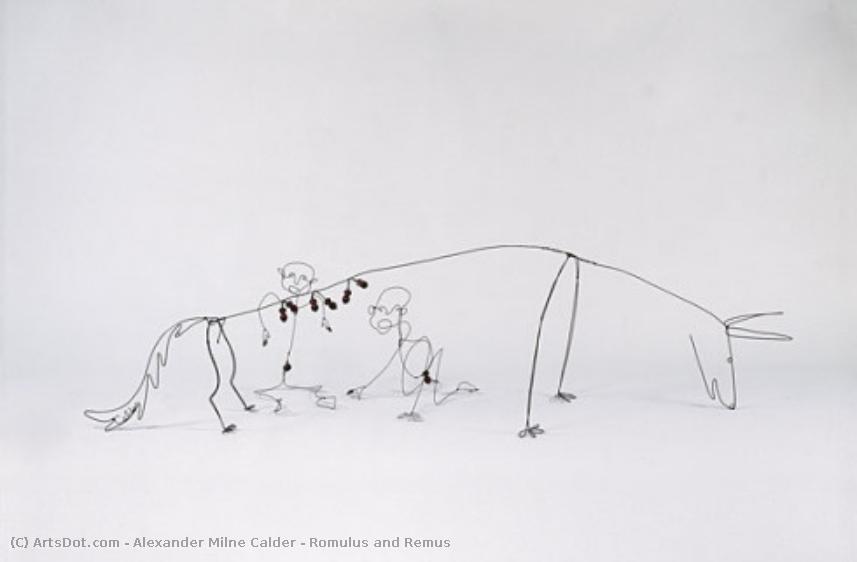
Romulus and Remus


 पूरा देखें
इस पृष्ठ पर प्रदर्शित कलाकृति कॉपीराइट कानून द्वारा संरक्षित है, जिसका अर्थ है कि हम कानूनी रूप से इसकी हूबहू प्रतिलिपि बनाने या बेचने का अधिकार नहीं रखते हैं। यह संरक्षण अंतर्राष्ट्रीय समझौतों के तहत लागू किया जाता है, जैसे कि बर्न कन्वेंशन और राष्ट्रीय कानूनों द्वारा, जिनमें % द्वारा निर्धारित कानून भी शामिल हैं। अमेरिकी कॉपीराइट कानून - शीर्षक 17।
यह विधि कॉपीराइट नियमों का पूरी तरह से पालन करती है क्योंकि इसमें संरक्षित कलाकृति की नकल या प्रतिलिपि बनाना शामिल नहीं है। इसके बजाय, यह एक रचनात्मक पुनर्व्याख्या है - एक ऐसी नई पेंटिंग जो मूल कृति से प्रेरित तो है, लेकिन उसके समान नहीं है।
गिक्ली / आर्ट प्रिंट
तेज़ उत्पादन और विभिन्न फिनिश विकल्पों के साथ म्यूजियम-क्वालिटी गिकली (giclée) या कैनवस प्रिंट। ( इस संग्रहणीय वस्तु की हाथ से बनी प्रतिकृति मंगवाएं डिजिटल इमेज पर स्विच करें)




P118B ₹10

P118H ₹10

P118W ₹10

P438Z ₹10

P508JH ₹12

P508YH ₹12

P805H ₹10

P805Z ₹10

P919BZ ₹10

P919G ₹10

P919XJ ₹10

P959ZH ₹10

P968JZ ₹12

W106C ₹8

W218G ₹10

W218JH ₹8

W218Y ₹10

W307PJ ₹10

W316G ₹10

W316PJ ₹8

W316Y ₹10

W398PJ ₹8

W4111J ₹10

W500HY ₹15

W500JH ₹15

W692G ₹12

W849H ₹8

W940BG ₹15

W953PJ ₹8




कलाकृति के मूल अनुपात से मेल खाने वाले हमारे पूर्व निर्धारित आकारों में से चुनें।

अपने फ्रेम या अपनी दीवार के अनुसार आवश्यक चौड़ाई और ऊंचाई दर्ज करें। प्रिंट को केवल काटा जा सकता है, चित्र से बड़ा कभी नहीं बनाया जा सकता, इसलिए अलग आकार का साइज चित्र का एक हिस्सा खो देता है। किसी भी चीज़ को प्रिंट करने से पहले हम आपकी स्वीकृति के लिए आपको एक डिजिटल मॉकअप भेजते हैं। इस पृष्ठ पर दिखाया गया चित्र वास्तविक कटिंग नहीं दिखाता है — केवल मॉकअप ही इसे दर्शाता है।
विश्वव्यापी डिलीवरी (), मानक 4/5 सप्ताह के बजाय मात्र 2 सप्ताह में। (2 नवमबर)

दुनिया भर में मुफ़्त एक्सप्रेस शिपिंग

उच्च गुणवत्ता वाला लिनेन कैनवास

पूर्ण शिपिंग बीमा

सीमा शुल्क और आयात कर वापसी की गारंटी

सटीक रंग मिलान की गारंटी

100 दिनों की वापसी नीति (केवल दोष होने पर)

100% पैसे वापसी की गारंटी

थोक छूट का अवसर
 ग्लास का विकल्प केवल 110 सेमी से कम आकार में ही उपलब्ध है।

Romulus and Remus
गिक्ली / आर्ट प्रिंट
प्रतिकृति का आकार
-


कुल देय राशि
₹ 7715
A Moment Frozen in Steel: Exploring Calder’s “Romulus and Remus”
Alexander Milne Calder's "Romulus and Remus," crafted in 1928, isn’t merely a sculpture; it’s a distilled essence of myth rendered in delicate wire. This piece, a testament to the artist’s pioneering approach to three-dimensional form, transcends its subject matter – the legendary founders of Rome – to become a profound meditation on beginnings, brotherhood, and the very act of creation itself. Calder, deeply influenced by Constructivism and early Modernism, sought to liberate sculpture from the constraints of traditional materials, embracing the inherent qualities of industrial wire as both medium and metaphor.
The sculpture’s stark simplicity is its most arresting feature. Two figures, rendered with astonishing grace despite their skeletal construction, stand beneath a subtly arching structure that evokes a horizon line or perhaps a stylized landscape. The color palette – a resolute black and white punctuated by subtle grays – amplifies the work's austerity, forcing the viewer to focus entirely on form and movement. The lines themselves are paramount; thin, almost impossibly delicate wires define every contour, creating an illusion of both fragility and strength. This deliberate reductionist approach mirrors Calder’s broader philosophy: to strip away the superfluous and reveal the fundamental elements of a subject.
The Poetics of Chance and Kinetic Form
Calder's work in this period – particularly his “Cirque Calder” series – exemplifies his fascination with chance and spontaneity. He didn’t meticulously plan every curve or angle; instead, he allowed the wire to guide him, embracing the unpredictable nature of the material. This process is vividly captured in "Romulus and Remus," where the figures appear to be caught mid-action, poised on the precipice of a narrative yet undefined. The slight wobble inherent in the sculpture’s construction – a subtle consequence of its wire composition – hints at a kinetic energy, suggesting that even stillness can hold a dynamic potential.
The technique itself is deceptively complex. Calder skillfully bent and assembled hundreds of individual wires, creating a surprisingly robust structure despite its delicate appearance. The varying thicknesses of the wire contribute to the sculpture’s textural richness, offering subtle shifts in sheen as light catches the metal. This careful manipulation of material speaks to Calder's mastery of his chosen medium – a testament to his ability to transform industrial components into objects of profound beauty and intellectual resonance.
Myth, Brotherhood, and the Dawn of Rome
The subject matter—the story of Romulus and Remus—is deeply rooted in Roman mythology. The legend of the twins suckled by a she-wolf is an enduring symbol of resilience, survival, and the founding of civilization. Calder’s sculpture doesn't simply depict this narrative; it captures its essence – the primal struggle for existence, the bond between brothers, and the birth of a new order. The wire itself can be interpreted as representing the threads that connect us to our past, shaping our present and influencing our future.
Created in 1928, “Romulus and Remus” stands as a pivotal work in Calder’s oeuvre, marking a significant shift towards abstraction while retaining a powerful connection to his artistic roots. It's a sculpture that invites contemplation, prompting viewers to consider the interplay of form, material, and narrative – a timeless meditation on the foundations of human experience.
प्रश्न और उत्तर
क्या अलेक्जेंडर मिल्ने कैल्डर द्वारा "Romulus and Remus" कलाकार के अपने देश में रखा गया है?
नहीं - यह कलाकृति विदेश में रखी गई है. अलेक्जेंडर मिल्ने कैल्डर का जन्म देश यूनाइटेड किंगडम है, और "Romulus and Remus" की मूल प्रति जिस संग्रहालय में रखी गई है, वह संयुक्त राज्य अमेरिका में स्थित है।
"Romulus and Remus" के रचनाकार और निर्माण वर्ष क्या हैं?
"Romulus and Remus" के रचनाकार अलेक्जेंडर मिल्ने कैल्डर हैं, और यह कृति 1928 की है।
अलेक्जेंडर मिल्ने कैल्डर द्वारा "Romulus and Remus" से संबंधित आंकड़े मुझे कहाँ मिल सकते हैं?
अलेक्जेंडर मिल्ने कैल्डर द्वारा "Romulus and Remus" का आंकड़े पेज सार्वजनिक विज़िट के आँकड़े प्रस्तुत करता है: इस कलाकृति की मासिक विज़िट, कलाकार की सबसे अधिक देखी जाने वाली कृतियों के साथ तुलना, और इसके दर्शकों का मूल स्थान।
कलाकार की जीवनी
परिचय: अलेक्जेंडर मिल्ने कैल्डर
अलेक्जेंडर मिल्ने कैल्डर, एक स्कॉटिश-अमेरिकी मूर्तिकार थे जिनका जन्म 1846 में एबरडीन, स्कॉटलैंड में हुआ था। वे अपनी वास्तुकलात्मक मूर्तियों के लिए सबसे ज्यादा जाने जाते हैं, विशेष रूप से फिलाडेल्फिया सिटी हॉल की जटिल रचनाओं के लिए। कैल्डर का जीवन कला और पारिवारिक विरासत का एक अद्भुत संगम था; उनके पुत्र, अलेक्जेंडर स्टर्लिंग कैल्डर, और पोते, अलेक्जेंडर 'सैंडी' कैल्डर, दोनों ही 20वीं सदी में महत्वपूर्ण मूर्तिकार बने। कैल्डर की कहानी न केवल एक कलाकार के व्यक्तिगत विकास की है, बल्कि कलात्मक प्रतिभा की पीढ़ियों को प्रेरित करने वाली विरासत की भी है।प्रारंभिक जीवन और करियर
कैल्डर ने स्कॉटलैंड में अपना करियर शुरू किया, मूर्तिकार जॉन रिंड के साथ काम करते हुए, जबकि वे एडिनबर्ग में रॉयल अकादमी में अध्ययन कर रहे थे। लंदन जाने के बाद उन्होंने अल्बर्ट मेमोरियल पर भी काम किया, जो उस समय की एक महत्वपूर्ण परियोजना थी। 1868 में कैल्डर संयुक्त राज्य अमेरिका में आकर फिलाडेल्फिया में बस गए। यहां उन्होंने जोसेफ ए. बैली से शिक्षा ली और थॉमस ईकिंस के साथ पेंसिल्वेनिया अकादमी ऑफ फाइन आर्ट्स में कक्षाएं लीं। यह समय उनके कलात्मक विकास के लिए महत्वपूर्ण था, क्योंकि उन्होंने विभिन्न शैलियों और तकनीकों का अध्ययन किया और अपनी अनूठी शैली को विकसित करना शुरू किया। कैल्डर की प्रारंभिक रचनाओं में उनकी प्रतिभा और विस्तार पर ध्यान देना स्पष्ट रूप से दिखाई देता है।महत्वपूर्ण कार्य
अलेक्जेंडर मिल्ने कैल्डर के सबसे उल्लेखनीय कार्यों में फिलाडेल्फिया सिटी हॉल शामिल है, जो एक ऐसा कमीशन था जिसमें संगमरमर और कांस्य की 250 से अधिक रचनाएं थीं। इस परियोजना को पूरा करने में उन्हें लगभग 20 साल लग गए। विलियम पेन की विशालकाय कांस्य प्रतिमा भी उनकी महत्वपूर्ण कृतियों में से एक थी, जिसे सिटी हॉल के टावर पर स्थापित किया जाना था। इसके अतिरिक्त, 'इंडियन फिगर' नामक मूर्ति भी उनके उल्लेखनीय कार्यों में शामिल है, जो सिटी हॉल पर स्थापना से पहले बनाई गई थी। कैल्डर ने साउथ पोर्टल और वेस्ट पोर्टल को रंगीन रोशनी से सजाया, जिससे उनकी विस्तार पर ध्यान देने की क्षमता का पता चलता है। इन रचनाओं में कैल्डर की कलात्मक दृष्टि और तकनीकी कौशल का अद्भुत मिश्रण देखने को मिलता है।विरासत और प्रभाव
अलेक्जेंडर मिल्ने कैल्डर की विरासत केवल उनके अपने कार्यों तक सीमित नहीं है, बल्कि उनके पुत्र और पोते के कार्यों से भी आगे बढ़ती है, जो दोनों ही प्रमुख मूर्तिकार बने। उनकी कलात्मक योगदान विभिन्न संग्रहालयों में देखे जा सकते हैं, जिनमें स्मिथसोनियन अमेरिकन आर्ट म्यूजियम और गैलेरिया सिविका डी आरे मॉडर्ना ई कॉन्टेम्पोरानिया ट्यूरिनो शामिल हैं। कैल्डर की रचनाएं न केवल कला प्रेमियों और विद्वानों द्वारा सराही गई हैं, बल्कि वे कला जगत में एक महत्वपूर्ण व्यक्ति के रूप में भी माने जाते हैं। उनकी विरासत आने वाली पीढ़ियों तक प्रेरणा देती रहेगी और उनका अध्ययन किया जाएगा। कैल्डर का प्रभाव आज भी मूर्तिकला की दुनिया में महसूस किया जाता है, खासकर वास्तुकलात्मक मूर्तियों के क्षेत्र में।ऐतिहासिक महत्व
अलेक्जेंडर मिल्ने कैल्डर 19वीं सदी के एक महत्वपूर्ण मूर्तिकार थे, जिन्होंने अपनी रचनाओं से कला जगत को समृद्ध किया। फिलाडेल्फिया सिटी हॉल पर उनके काम ने शहर की पहचान को आकार देने में महत्वपूर्ण भूमिका निभाई और यह आज भी एक प्रतिष्ठित स्थल है। कैल्डर का योगदान न केवल कलात्मक था, बल्कि सांस्कृतिक और ऐतिहासिक रूप से भी महत्वपूर्ण था। उनकी रचनाएं उस समय के सामाजिक और राजनीतिक मूल्यों को दर्शाती हैं और वे हमें उस युग की जीवनशैली और विचारधाराओं के बारे में जानकारी प्रदान करती हैं। कैल्डर की विरासत एक प्रेरणादायक उदाहरण है कि कैसे एक कलाकार अपनी प्रतिभा और समर्पण से दुनिया को बदल सकता है।
अलेक्जेंडर मिल्ने कैल्डर
1898 - 1976 , यूनाइटेड किंगडम
प्रमुख तथ्य
- कला आंदोलन/शैली: वास्तुकला मूर्तिकला
- जन्म तिथि: 23 अगस्त 1846
- जन्म स्थान: एबरडीन, यूनाइटेड किंगडम
- जिन कलाकारों को प्रभावित किया:
- अलेक्जेंडर स्टर्लिंग कैल्डर
- अलेक्जेंडर कैल्डर
- पूरा नाम: अलेक्जेंडर मिल्ने कैल्डर
- प्रभावित कलाकार: ['जॉन रिंड']
- प्रमुख कलाकृतियाँ:
- फिलाडेल्फिया सिटी हॉल
- विलियम पेन प्रतिमा
- भारतीय आकृति
- मृत्यु तिथि: 14 जून 1923
- राष्ट्रीयता: स्कॉटिश-अमेरिकी
संबंधित लेख

Bronze Age to Modern Masters: 10 Sculptures That Redefined Art | OriginalUniqueArt
Journey through art history with 10 legendary bronze sculptures – from Michelangelo's David to Rodin’s Thinker. Explore the stories, techniques & timeless beauty of these masterpieces. Find museum-quality reproductions & elevate your home decor on OriginalUniqueArt.com.
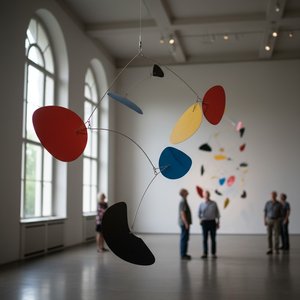
Alexander Calder: Kinetic Sculpture, Mobile Art & the Poetics of Chance
Explore the revolutionary world of Alexander Calder's kinetic sculptures & mobiles. Discover insights for collectors, acquisition advice, and the enduring legacy of this modern master. Expert analysis & art valuation.

The Enduring Form: Exploring Themes & Techniques in Sculpture Across Historical Periods
Explore the rich history of sculpture from ancient masterpieces to contemporary innovations. Discover key techniques, influential artists & investment potential for discerning art collectors.

The Enduring Form: Sculpture Across History, Technique & Emotional Resonance
Explore the rich history of sculpture with OriginalUniqueArt. Discover key techniques, influential artists & investment potential for discerning collectors. Expert insights into valuing and collecting timeless masterpieces.

Bronze Sculptures That Defined Art History | OriginalUniqueArt
Journey through art history with our Top 10 bronze sculptures! Explore masterpieces by Rodin, Michelangelo & more. Discover stories behind iconic statues and find museum-quality reproductions for your home decor at OriginalUniqueArt.com.
