

 पूर्वावलोकन देखें
 भेजें
भेजें साझा करें
 विवरण देखें
 मार्गदर्शिका

 डाउनलोड करें
 समान वस्तुएं
 एक्स-रे
 स्लाइड शो देखें
 Q&A
Q&A आंकड़े
The Seashore
 Oil On Canvas
- WallArt
- Baroque
 1720
1720 158.0 x 211.0 cm
 Hermitage Museum
 और पढ़ें
गिक्ली / आर्ट प्रिंट
तेज़ उत्पादन और विभिन्न फिनिश विकल्पों के साथ म्यूजियम-क्वालिटी गिकली (giclée) या कैनवस प्रिंट। ( हाथ से बनी पेंटिंग खरीदें डिजिटल इमेज पर जाएँ)




P118B ₹10

P118H ₹10

P118W ₹10

P438Z ₹10

P508JH ₹12

P508YH ₹12

P805H ₹10

P805Z ₹10

P919BZ ₹10

P919G ₹10

P919XJ ₹10

P959ZH ₹10

P968JZ ₹12

W106C ₹8

W218G ₹10

W218JH ₹8

W218Y ₹10

W307PJ ₹10

W316G ₹10

W316PJ ₹8

W316Y ₹10

W398PJ ₹8

W4111J ₹10

W500HY ₹15

W500JH ₹15

W692G ₹12

W849H ₹8

W940BG ₹15

W953PJ ₹8




कलाकृति के मूल अनुपात से मेल खाने वाले हमारे पूर्व निर्धारित आकारों में से चुनें।

अपने फ्रेम या अपनी दीवार के अनुसार आवश्यक चौड़ाई और ऊंचाई दर्ज करें। प्रिंट को केवल काटा जा सकता है, चित्र से बड़ा कभी नहीं बनाया जा सकता, इसलिए अलग आकार का साइज चित्र का एक हिस्सा खो देता है। किसी भी चीज़ को प्रिंट करने से पहले हम आपकी स्वीकृति के लिए आपको एक डिजिटल मॉकअप भेजते हैं। इस पृष्ठ पर दिखाया गया चित्र वास्तविक कटिंग नहीं दिखाता है — केवल मॉकअप ही इसे दर्शाता है।
विश्वव्यापी डिलीवरी (), मानक 4/5 सप्ताह के बजाय मात्र 2 सप्ताह में। (29 अक्टूबर)

दुनिया भर में मुफ़्त एक्सप्रेस शिपिंग

प्रीमियम ग्रेड लिनेन कैनवास

पूर्ण शिपिंग बीमा

सीमा शुल्क और आयात कर वापसी की गारंटी

सटीक रंग मिलान की गारंटी

100 दिनों की वापसी नीति (केवल निर्माण दोष होने पर)

100% पैसे वापसी की गारंटी

थोक छूट का अवसर
 ग्लास का विकल्प केवल 110 सेमी से कम आकार में ही उपलब्ध है।

The Seashore
गिक्ली / आर्ट प्रिंट
प्रतिकृति का आकार
-


कुल मूल्य
₹ 7681
A Glimpse into the Soul of a Storm: Exploring Alessandro Magnasco’s “The Seashore”
Alessandro Magnasco's "The Seashore," painted in 1720, isn’t merely a depiction of a rugged coastline; it’s an immersion into a world steeped in melancholy and profound observation. More than just a landscape, this work is a carefully constructed tableau of human existence against the relentless power of nature – a testament to Magnasco's unique ability to capture not just what he saw, but the very *feeling* of being present within that scene. The painting immediately draws the viewer in with its dramatic chiaroscuro, where pools of dark shadow wrestle with bursts of light, creating an atmosphere thick with both foreboding and a strange, haunting beauty.
Magnasco’s style, particularly during this period, is often described as intensely personal and somewhat unsettling. He wasn't interested in idealized landscapes or heroic narratives; instead, he favored scenes of quiet desperation – solitary figures huddled against the elements, weathered buildings clinging precariously to cliffsides, and a pervasive sense of isolation. “The Seashore” embodies this perfectly. The small village nestled amongst the rocks isn’t a vibrant hub of activity, but rather a collection of humble dwellings, suggesting a life lived in close proximity to hardship and uncertainty. The artist masterfully uses color – predominantly earthy tones of ochre, brown, and slate gray – punctuated by the cool blues and greens of the sea – to evoke a sense of timelessness and quiet endurance.
Technical Mastery and the Language of Light
Examining Magnasco’s technique reveals a remarkable control over light and shadow. He employs a rapid, almost frenetic brushstroke, creating a dynamic surface that seems to shimmer with movement. The waves are not rendered as smooth, idealized forms; they crash against the rocks with an implied violence, their foam rendered in quick, broken strokes of white and gray. This technique isn’t simply about realism; it's about conveying *feeling* – the raw energy of the sea, the vulnerability of the coastline, and the precariousness of human existence within this vast landscape.
The composition itself is carefully considered. The diagonal thrust of the cliffs creates a sense of instability, while the small village provides a focal point for the eye, drawing us into the scene. Magnasco’s use of perspective is subtly distorted, adding to the painting's unsettling atmosphere and suggesting that we are not simply observing a landscape; we are being invited to step *into* it.
A Window into 18th-Century Genoa
Magnasco’s life was deeply intertwined with the artistic traditions of Genoa, where he was born and spent much of his career. His work reflects a fascination with the city's maritime history and its complex relationship with the sea – a source of both prosperity and peril. The painting can be interpreted as a meditation on this duality, capturing the beauty and danger inherent in the natural world. It’s also worth noting that Magnasco often depicted scenes of poverty and hardship, reflecting the social realities of his time.
Interestingly, Magnasco's work was initially met with mixed reactions. While some critics praised his innovative style and emotional intensity, others found it unsettling and unconventional. His tendency to portray subjects in a dark and ambiguous light – often depicting figures in states of vulnerability or despair – set him apart from the more conventional landscape painters of his era. Despite this initial resistance, Magnasco’s work gradually gained recognition for its originality and power.
Bringing “The Seashore” Home: A Reproduction to Cherish
Reproducing "The Seashore" in a high-quality oil painting captures the essence of Magnasco's vision. Each brushstroke, each subtle shift in color, is meticulously recreated, allowing you to experience the same sense of atmosphere and emotion that captivated viewers centuries ago. Whether displayed in a grand salon or a cozy study, this artwork will serve as a constant reminder of the beauty and fragility of the natural world – and the enduring power of human observation.
प्रश्न और उत्तर
"The Seashore" में कौन सा मिजाज और भावनाएं एक साथ उभर कर आती हैं?
अलेसांद्रो मैग्नस्को द्वारा "The Seashore" का दर्ज किया गया भाव Romantic है, और इसका भावनात्मक स्वर Melancholic है।
अलेसांद्रो मैग्नस्को द्वारा "The Seashore" में रंगों का संतृप्ति स्तर (saturation) कैसा है?
अलेसांद्रो मैग्नस्को द्वारा "The Seashore" को Muted संतृप्ति (saturation) के साथ रिकॉर्ड किया गया है।
अलेसांद्रो मैग्नस्को द्वारा "The Seashore" का आकार और आयाम क्या हैं?
अलेसांद्रो मैग्नस्को द्वारा "The Seashore" एक Landscape रचना है, जिसका मूल आकार 158 x 211 cm है।
कलाकार का परिचय
उदासी में लिपटा जीवन: अलेसांड्रो मैग्नास्को की रहस्यमय दुनिया
अलेसांड्रो मैग्नास्को, एक नाम शायद उनके बारोक समकालीनों जितने परिचित न हो, फिर भी यह इतालवी कला के इतिहास में एक अनूठा और सम्मोहक स्थान रखता है। 1667 में जेनोआ में जन्मे, उन्होंने अपने कामकाजी जीवन का अधिकांश समय मिलान में बिताया, और अपने जन्मस्थान पर केवल अपने करियर के अंत में 1735 में लौटे। यह भौगोलिक बदलाव उनकी कलात्मक दृष्टि में एक सूक्ष्म लेकिन महत्वपूर्ण विकास को दर्शाता है—यह सहयोगात्मक परियोजनाओं और स्थापित परंपराओं से हटकर एक अत्यंत व्यक्तिगत और अक्सर बेचैन करने वाली शैली की ओर एक यात्रा थी। मैग्नास्को केवल जो देखते थे, वह चित्रित नहीं कर रहे थे; वे कैनवास पर एक विशेष मनोदशा, उदासी और क्षय की भावना को उस साहस के साथ उतार रहे थे जिसने उन्हें अलग खड़ा किया। 1703 और 1709 के बीच का समय उन्हें फ्लोरेंस में मिला, जहाँ उन्होंने ग्रैंड ड्यूक कोसिमो III की सेवा की—एक ऐसा अनुभव जिसने निस्संदेह उनके कलात्मक क्षितिज का विस्तार किया, हालांकि इसका उनके परिपक्व शैली पर सीधा प्रभाव व्याख्या के लिए खुला है। अपने करियर की शुरुआत में, वह अक्सर अन्य कलाकारों के साथ साझेदारी करते थे, जिसमें Giovanni Battista Tavella के लैंडस्केप्स में कुशलता से आकृतियों को एकीकृत करना और Clemente Spera द्वारा बनाए गए वास्तुशिल्प खंडहरों का उपयोग करना शामिल था—ये सहयोग ऐसे थे जिन्होंने उनके तकनीकी कौशल को निखारा जबकि एक उभरती स्वतंत्रता की ओर इशारा किया।एक असामान्य दृष्टि: शैली और विषय वस्तु
मैग्नास्को की कलात्मक पहचान पैमाने और रंग पटल दोनों के प्रति उनके विशिष्ट दृष्टिकोण में निहित है। वह छोटे कैनवस पसंद करते थे, अक्सर रंगों की एक हाइपोक्रोमैटिक श्रृंखला का उपयोग करते थे—भूरे, भूरे, गेरू—जो उनकी कृति में व्याप्त उदास वातावरण में योगदान देते हैं। ये ऐसे चित्र नहीं हैं जो ध्यान आकर्षित करने के लिए चिल्लाते हों; वे मंद रोशनी वाले कोनों से रहस्य फुसफुसाते हैं। उनके दृश्यों में अक्सर ढहते हुए खंडहर, कोहरे में लिपटे भयावह परिदृश्य, या लम्बी आकृतियों से भरे भीड़भाड़ वाले आंतरिक भाग चित्रित होते हैं जिन्हें तंत्रिका, झिलमिलाती ब्रशस्ट्रोक के साथ बनाया गया है। ये आकृतियाँ—अक्सर फटेहाल भिखारी, एकांत भिक्षु, या रहस्यमय गतिविधियों में लगे छायादार समूह—जो वास्तव में उनके संपूर्ण कार्य को परिभाषित करती हैं। मैग्नास्को की विषय वस्तु का चुनाव अपने समय के लिए उल्लेखनीय रूप से अपरंपरागत था। वह उन दृश्यों को चित्रित करने से नहीं हिचकिचाते थे जिन्हें सीमांत या यहाँ तक कि वर्जित माना जाता था: सिनेगॉग सेवाएँ, क्वैकर बैठकें, लुटेरों का जमावड़ा, इंक्विजिशन द्वारा पूछताछ, और आपदाओं के चित्रण। कलाकार का इरादा अस्पष्ट रहता है; क्या ये पेंटिंग सामाजिक टिप्पणी की अभिव्यक्ति थे, धार्मिक सहिष्णुता (या असहिष्णुता) की खोज थी, या बस एक विशेष मनोदशा को पकड़ने का अभ्यास था? यही अस्पष्टता उनकी कृति को इतना मनमोहक बनाती है। अपने करियर में बाद में, 1710 के बाद, वह गोथिक चर्चों, एकांत तपस्वियों और भिक्षुओं, कस्बे के चौराहों पर जमा बदमाश, और बैरकों में सैनिकों के लिए जाने जाते थे—दृश्य जिन्होंने समाज की बाहरी सीमाओं की ओर आकर्षित कलाकार के रूप में उनकी प्रतिष्ठा को और मजबूत किया।प्रभाव और कलात्मक विकास
मैग्नास्को के कलात्मक विकास पर सटीक प्रभावों की पहचान करना एक जटिल कार्य है। उन्होंने स्पष्ट रूप से विभिन्न स्रोतों से तत्वों को अवशोषित किया, फिर भी उन्हें कुछ पूरी तरह से मौलिक में संश्लेषित किया। उनके वेनिस के समकालीन, सेबस्टियनो रिक्की की ढीली चित्रकला शैली ने निस्संदेह भूमिका निभाई, हालांकि रिक्की का काम बड़े पैमाने और अधिक स्पष्ट रूप से पौराणिक विषयों की ओर झुकाव रखता था। घर के करीब, जेनोआ के कलाकारों डोमेनिको पियोला और ग्रेगोरियो डी फेरारी ने शैलीगत उदाहरण पेश किए, लेकिन मैग्नास्को का दृष्टिकोण कहीं अधिक गहरा और आत्मनिरीक्षणकारी था। मिलान के कलाकार इल मोराज़ोन की भावनात्मक तीव्रता भी उनसे प्रतिध्वनित हुई, विशेष रूप से अभिव्यंजक ब्रशवर्क के माध्यम से मनोवैज्ञानिक गहराई व्यक्त करने की उनकी क्षमता में। उनके समुद्री दृश्य साल्वाटोर रोज़ा द्वारा पसंद किए गए तूफानी समुद्रों और डाकुओं के रोमांटिक चित्रण के लिए एक लगाव दर्शाते हैं, जबकि विशाल परिदृश्यों के सापेक्ष उनकी आकृतियों का छोटा पैमाना क्लाउड लोर्रेन की हवादार रचनाओं को प्रतिध्वनित करता है। तुलनाएँ भूखे भिखारियों को दर्शाने वाले ज्यूसेपे मारिया क्रेस्पी के शैलीगत दृश्यों से भी की गई हैं, हालांकि क्रेस्पी की आकृतियाँ आम तौर पर अधिक ठोस और व्यक्तिगत होती हैं। कुछ विद्वान तो यह भी सुझाव देते हैं कि मैग्नास्को ने स्वयं क्रेस्पी को प्रभावित किया होगा। इसके अलावा, कलाकार संभवतः देर से बारोक इतालवी शैली के चित्रकारों, रोमन बम्बोचियान्टी, और जैक कैलोट की विस्तृत नक्काशी से प्रभावित थे।विरासत और ऐतिहासिक महत्व
अलेसांड्रो मैग्नास्को की शैली जेनोआ के प्रचलित कलात्मक मानदंडों के बिल्कुल विपरीत थी, जो पॉलिश सतहों और सामंजस्यपूर्ण रंग मिश्रण पर जोर देते थे। उनका साहसिक दृष्टिकोण और अनूठी दृष्टि को उनके मूल शहर में तुरंत सराहा नहीं गया था, बल्कि उन्हें अन्यत्र संग्राहकों और संरक्षकों के बीच पसंद किया गया, विशेष रूप से मिलान के अभिजात्य वृत्तों में। रुडोल्फ विटकोवर ने प्रसिद्ध रूप से उन्हें एक "एकांत, तनावपूर्ण, अजीब" कलाकार बताया, जो प्रमुख वेनिस स्कूल से अलग थे। इस प्रारंभिक अज्ञानता के बावजूद, मैग्नास्को के काम ने बाद की पीढ़ियों के कलाकारों पर एक सूक्ष्म लेकिन महत्वपूर्ण प्रभाव डाला, जिनमें मार्को रिक्की, ज्यूसेपे बाज़्ज़ानी, फ्रांसेस्को मैफ़ेई, और प्रसिद्ध वेनिस चित्रकार जियानानटोनियो और फ्रांसेस्को गार्डि शामिल थे। जबकि इन बाद के रोकोको चित्रकारों ने सजावटी उद्देश्यों के लिए उनके ढीले ब्रशवर्क को अपनाया, मैग्नास्को ने स्वयं इसका उपयोग उदासी, वास्तविकता और मनोवैज्ञानिक बेचैनी की भावना को पकड़ने के लिए किया। यातना और मानवता के अन्य अंधेरे पहलुओं के उनके चित्रणों की तुलना यहाँ तक कि फ्रांस्को गोया की 19वीं सदी की नक्काशी में पाए जाने वाले सामाजिक टिप्पणी से भी की गई है—जो उनकी परेशान करने वाली दृष्टि की स्थायी शक्ति और प्रासंगिकता का प्रमाण है। मैग्नास्को एक रहस्यमय व्यक्ति बने हुए हैं, मनोदशा और वातावरण के मास्टर जिनके चित्र अपनी रचना के सदियों बाद भी मोहित करते और चिंतन को प्रेरित करते रहते हैं। उनकी कला एक अनुस्मारक है कि सुंदरता अंधेरे में भी पाई जा सकती है, और सच्चा कलात्मक अभिव्यक्ति अक्सर परंपरा की सीमाओं से परे होता है।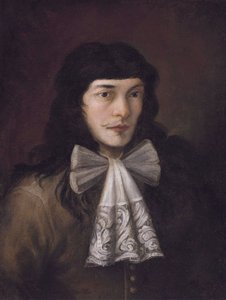
अलेसांद्रो मैग्नस्को
1667 - 1749 , इटली
संक्षिप्त जानकारी
- Artistic Movement Or Style: बरोक, विधा चित्रकला
- Artists Or Movements Influenced By This Artist:
- मार्को रिक्की
- जूसेप्पे बाज़्ज़ानी
- फ्रांसेस्को मैफ़ेई
- Artists Who Influenced This Artist:
- सेबास्टियानो रिक्की
- डोमेनिको पियोला
- ग्रेगोरियो डी फेरारी
- Date Of Birth: 1667
- Date Of Death: 1749
- Full Name: अलेसांड्रो मैग्नास्को
- Nationality: इतालवी
- Notable Artworks:
- तीन कैमाल्डोसे भिक्षु
- परिदृश्य में कारथूसियन भिक्षु
- लाज़रोस का पुनरुत्थान
- Place Of Birth: जेनोआ, इटली
संबंधित लेखों की सूची

Drama and Light: A Definitive Guide to the Italian Baroque Masterpieces and the Revolution of Chiaroscuro
Explore the dramatic world of Italian Baroque art. Discover how masters like Caravaggio used chiaroscuro and tenebrism to revolutionize painting through light, shadow, and profound realism. A definitive guide for history lovers and art collectors.

भारोपीय कला: शीर्ष 10 उत्कृष्ट कृतियाँ जो युग को परिभाषित करती हैं | OriginalUniqueArt
भारोपीय कला की भव्यता का अनुभव करें! शीर्ष 10 उत्कृष्ट कृतियाँ जानें जिन्होंने इस युग को परिभाषित किया। रुबेन्स, रेम्ब्रांट और कारवागियो जैसे कलाकारों के अद्भुत कार्यों की खोज करें। OriginalUniqueArt.com पर संग्रहालय-गुणवत्ता वाले कला प्रजनन और सजावट के विचार खोजें।

रोमांटिक कला: 10 उत्कृष्ट लैंडस्केप कृतियाँ जो परिभाषित करती हैं | OriginalUniqueArt
रोमांटिक लैंडस्केप पेंटिंग की 10 उत्कृष्ट कृतियाँ! जानें कैस्पर डेविड फ्रेडरिक, टर्नर जैसे कलाकारों के बारे में और कला के इतिहास को समझें। OriginalUniqueArt.com पर उच्च गुणवत्ता वाले आर्ट रिप्रोडक्शन और सजावट के विचार खोजें।

Evocations of Place: A Historical Journey Through Landscape Art
Explore the rich history of landscape art with OriginalUniqueArt. Discover renowned artists, movements like Impressionism & Romanticism, and expert guidance for collecting timeless pieces. Find your perfect serene escape today!
Epic Drama & Dark Vibes: The Ultimate Collector's Guide to Baroque Landscapes
Master the art of drama with our ultimate guide to Baroque landscapes. Discover the power of chiaroscuro, explore legendary masters, and learn how to curate epic, dark-vibe masterpieces for your collection with expert insights from OriginalUniqueArt.