पूर्वावलोकन देखें
 साझा करें
 साझा करें
 विस्तृत विवरण

 डाउनलोड करें
 समान कलाकृतियाँ
 एक्स-रे
 स्लाइड शो देखें
 आंकड़े
Two squirrels


 पूरा देखें
गिक्ली / आर्ट प्रिंट
तेज़ उत्पादन और विभिन्न फिनिश विकल्पों के साथ म्यूजियम-क्वालिटी गिकली (giclée) या कैनवस प्रिंट। ( हाथ से बनी पेंटिंग खरीदें डिजिटल इमेज पर स्विच करें)




P118B $10

P118H $10

P118W $10

P438Z $10

P508JH $12

P508YH $12

P805H $10

P805Z $10

P919BZ $10

P919G $10

P919XJ $10

P959ZH $10

P968JZ $12

W106C $8

W218G $10

W218JH $8

W218Y $10

W307PJ $10

W316G $10

W316PJ $8

W316Y $10

W398PJ $8

W4111J $10

W500HY $15

W500JH $15

W692G $12

W849H $8

W940BG $15

W953PJ $8




कलाकृति के मूल अनुपात से मेल खाने वाले हमारे पूर्व निर्धारित आकारों में से चुनें।

आप किसी विशिष्ट फ्रेम या स्थान के अनुसार अपने स्वयं के आयाम (dimensions) दर्ज कर सकते हैं। यदि आपके द्वारा चुना गया आकार मूल छवि के अनुपात से मेल नहीं खाता है, तो हम कलाकृति को क्रॉप कर देंगे या मिरर किए गए या सॉलिड-फिल किनारे के साथ छवि का विस्तार करेंगे। उत्पादन शुरू होने से पहले आपकी स्वीकृति के लिए एक डिजिटल मॉकअप भेजा जाएगा।
कृपया ध्यान दें कि स्क्रीन पर दिखने वाला प्रीव्यू वास्तविक क्रॉपिंग या विस्तार को नहीं दर्शाता है। केवल मॉकअप ही अंतिम संरचना को सटीक रूप से दिखाएगा।
हालाँकि कस्टम आकार उपलब्ध हैं, फिर भी हम मूल अनुपात बनाए रखने के लिए पूर्व-निर्धारित सूची में से एक आयाम चुनने की सलाह देते हैं।
विश्वव्यापी डिलीवरी (), मानक 4/5 सप्ताह के बजाय मात्र 2 सप्ताह में। (12 सितमबर)

दुनिया भर में मुफ़्त एक्सप्रेस शिपिंग

उच्च गुणवत्ता वाला लिनेन कैनवास

पूर्ण शिपिंग बीमा

सीमा शुल्क और आयात कर वापसी की गारंटी

सटीक रंग मिलान की गारंटी

100-दिन की वापसी नीति (केवल दोषपूर्ण होने पर)

100% पैसे वापसी की गारंटी

थोक छूट का लाभ
 ग्लास का विकल्प केवल 110 सेमी से कम आकार में ही उपलब्ध है।

Two squirrels
गिक्ली / आर्ट प्रिंट
प्रतिकृति का आकार
-


कुल देय राशि
$ 80
A Moment Frozen in Time: Albrecht Dürer’s “Two Squirrels” – A Study in Observation and Renaissance Detail
Albrecht Dürer's "Two Squirrels," painted in 1492, isn’t merely a depiction of woodland creatures; it’s a profound meditation on observation, the burgeoning scientific interest in nature during the Renaissance, and the artist’s own meticulous approach to capturing reality. Emerging from his apprenticeship under Michael Wolgemut, Dürer was already demonstrating an extraordinary ability to render detail – a skill honed by years spent meticulously illustrating illuminated manuscripts. This particular work, though small in scale, reveals a remarkable level of technical mastery and a nascent desire to understand the natural world beyond mere representation.
The painting itself is deceptively simple: two squirrels, rendered with astonishing accuracy, occupy a modest patch of ground. They are positioned almost identically – one slightly to the left, the other to the right – creating a sense of quiet contemplation. Their downward gaze suggests they’re intently focused on something unseen, perhaps a buried nut or a fleeting glimpse of movement in the undergrowth. The surrounding elements—three scattered apples, a few strategically placed rocks, and the muted tones of the earth—are not merely decorative; they contribute to the overall sense of a lived-in landscape, hinting at the squirrels’ daily routines and interactions.
The Dawn of Naturalistic Observation
1492 marks a pivotal moment in art history. The late 15th century witnessed a shift away from purely symbolic or allegorical representations towards a more direct engagement with nature. Dürer, deeply influenced by the humanist ideals gaining traction across Europe, was part of this movement. He wasn’t simply painting *squirrels*; he was studying them – analyzing their anatomy, their posture, and their relationship to their environment. This desire for accurate observation is evident in the painstaking detail with which Dürer renders every whisker, claw, and patch of fur.
The inclusion of natural objects like apples and rocks wasn’t arbitrary. They served as points of reference, anchors within a composition designed to ground the viewer in the tangible world. It's a technique reminiscent of Leonardo da Vinci’s meticulous studies of flora and fauna – both artists were driven by a desire to understand the underlying principles governing the natural order.
Technique and Materials: A Master at Work
Dürer was renowned for his innovative use of oil paints, a relatively new medium in Northern Europe at the time. This allowed him to achieve subtle gradations of tone and color that were impossible with traditional tempera or fresco techniques. The painting’s surface is remarkably smooth, indicative of careful layering and blending – a testament to Dürer's patience and control. He employed a technique known as *sfumato*, creating soft edges and hazy outlines, lending the squirrels an almost ethereal quality.
- Pigments: Dürer utilized a rich palette of pigments, including ultramarine blue (derived from lapis lazuli), vermilion red, and various shades of brown and ochre.
- Support: The painting was likely executed on a wooden panel, a common medium for artists of the period.
- Brushwork: Close examination reveals delicate brushstrokes – precise yet confident – that contribute to the overall sense of realism.
Symbolism and Emotional Resonance
While seemingly straightforward, “Two Squirrels” carries a subtle symbolic weight. Squirrels have long been associated with diligence, resourcefulness, and even hoarding—qualities admired in Renaissance society. The animals’ focused gaze could be interpreted as a metaphor for the pursuit of knowledge or the importance of careful observation. The painting's quiet intimacy evokes a sense of peaceful contemplation – a moment captured outside the grand narratives of history and religion.
Today, a reproduction of Dürer’s “Two Squirrels” offers more than just a beautiful image; it provides a window into the mind of one of the Renaissance’s greatest artists. Its meticulous detail, combined with its subtle symbolism, makes it a compelling subject for art lovers, collectors, and those seeking to infuse their interiors with a touch of timeless elegance and intellectual depth.
कलाकार का जीवन परिचय
अल्ब्रेक्ट ड्यूरर: पुनर्जागरण के एक जर्मन दिग्गज की जीवनगाथा
अल्brecht ड्यूरर, जर्मनी के पुनर्जागरण काल के सबसे महान कलाकारों में से एक थे। उनका जन्म 1471 में नूर्नबर्ग शहर में हुआ था, जो उस समय यूरोप के सबसे महत्वपूर्ण कला और वाणिज्यिक केंद्रों में से एक था। उनके पिता अल्ब्रेक्ट ड्यूरर सीनियर एक सफल सुनार थे, जिन्होंने अपने परिवार को कलात्मक माहौल में पाला-पोसा। ड्यूरर ने बचपन से ही चित्रकला में असाधारण प्रतिभा दिखाई, जिसने उन्हें माइकल वोल्गेमट के कार्यशाला में प्रशिक्षु बनने के लिए प्रेरित किया। वोल्गेमट नूर्नबर्ग के अग्रणी कलाकार थे और उन्होंने ड्यूरर को चित्रकला, लकड़ी की कटाई (woodcut) और डिजाइन के क्षेत्र में महत्वपूर्ण प्रशिक्षण दिया। इस दौरान, ड्यूरर ने नूर्नबर्ग क्रॉनिकल जैसे बड़े पैमाने पर प्रकाशनों के लिए विस्तृत चित्रण करके अपनी कलात्मक क्षमताओं को निखाराया। उनकी शुरुआती रचनाओं में से एक, 1484 का चांदी की कलम से बना स्व-चित्र (self-portrait), उनकी असाधारण प्रतिभा का प्रमाण है - जो एक उभरती हुई कलात्मक पहचान का प्रतीक है।
इटली का प्रभाव और कलात्मक विकास
ड्यूरर की महत्वाकांक्षा नूर्नबर्ग की सीमाओं से परे थी। चित्रकला में महारत हासिल करने की तीव्र इच्छा से प्रेरित होकर, उन्होंने 1494 में इटली की अपनी पहली यात्रा शुरू की। यह सिर्फ एक पर्यटन यात्रा नहीं थी; यह पुनर्जागरण के हृदय स्थल की तीर्थयात्रा थी। उन्होंने राफेल, जियोवानी बेलिनी और लियोनार्डो दा विंची जैसे महान कलाकारों के कार्यों को देखा - जिन्होंने रूप, परिप्रेक्ष्य और मानवीय अभिव्यक्ति की संभावनाओं को फिर से परिभाषित किया था। इस अनुभव का गहरा प्रभाव पड़ा। ड्यूरर ने शास्त्रीय रूपांकनों, सामंजस्यपूर्ण रचनाओं और सूक्ष्म स्फुमाटो तकनीकों को आत्मसात किया जो इतालवी कला की विशेषता थीं, लेकिन उन्होंने अपनी उत्तरी यूरोपीय संवेदनशीलता के लिए सावधानीपूर्वक विवरण और प्रतीकात्मक गहराई को कभी नहीं छोड़ा। 1505 से 1507 के बीच इटली में दूसरी यात्रा ने इन प्रभावों को और मजबूत किया, जिससे उन्हें प्राचीन रोमन खंडहरों का अध्ययन करने और शरीर रचना विज्ञान और अनुपात की अपनी समझ को परिष्कृत करने का अवसर मिला। उत्तरी परिशुद्धता और इतालवी कृपा का यह संश्लेषण ड्यूरर की अनूठी कलात्मक शैली का प्रतीक बन गया।
माध्यमों में महारत: चित्रकला, उत्कीर्णन और लकड़ी की कटाई
ड्यूरर एक बहुमुखी कलाकार थे, जो विभिन्न माध्यमों में निपुण थे, जिनमें से प्रत्येक ने उन्हें रचनात्मक अभिव्यक्ति के लिए अलग-अलग रास्ते प्रदान किए। उनकी पेंटिंग, हालांकि उनकी प्रिंटों की तुलना में कम संख्या में हैं, तेल रंग के उपयोग पर उल्लेखनीय नियंत्रण और शारीरिक समानता और मनोवैज्ञानिक गहराई दोनों को पकड़ने की क्षमता का प्रदर्शन करती है। *गुलाब माला का भोज* (Feast of the Rose Garlands) जैसे कार्यों से वेनिसियन रंगवाद से प्रभावित जीवंत रंगों का पता चलता है। हालाँकि, प्रिंटमेकिंग - विशेष रूप से उत्कीर्णन और लकड़ी की कटाई - के क्षेत्र में ड्यूरर ने वास्तव में कलात्मक अभ्यास में क्रांति ला दी। उन्होंने इन तकनीकों को केवल पुनरुत्पादक विधियों से स्वतंत्र कला रूपों तक ऊंचा किया, जो जटिल कथाओं और गहन भावनाओं को व्यक्त करने में सक्षम थे। *प्रकाशित (Apocalypse)* श्रृंखला (1498), जो रहस्योद्घाटन की पुस्तक के चित्रणों का संग्रह है, ने इस माध्यम की अपनी महारत का प्रदर्शन किया, भले ही इसमें अंतर्निहित सीमाएँ हों। बाद के उत्कीर्णन जैसे *मेलेनकोलिया I* (1514) और *सेंट जेरोम उनके अध्ययन में* (1514), उनकी बेजोड़ कौशल के प्रमाण हैं - प्रतीकात्मक अर्थ से भरे जटिल रचनाएं और आश्चर्यजनक सटीकता के साथ निष्पादित। उन्होंने सिर्फ वास्तविकता को चित्रित नहीं किया; उन्होंने इसमें बौद्धिक और आध्यात्मिक महत्व की परतें डालीं।
एक सिद्धांतकार और नवप्रवर्तक: अल्ब्रेक्ट ड्यूरर की विरासत
ड्यूरर केवल एक कलाकार ही नहीं थे; वे एक विद्वान, एक सिद्धांतकार और एक नवप्रवर्तक थे जिन्होंने कलात्मक रचना को नियंत्रित करने वाले अंतर्निहित सिद्धांतों को समझने का प्रयास किया। उनका मानना था कि कला के गणितीय आधार हैं और उन्होंने मानव अनुपात, अनुप्रस्थ परिप्रेक्ष्य (perspective) और शरीर रचना विज्ञान पर वैज्ञानिक दृष्टिकोण स्थापित करने के लिए खुद को समर्पित कर दिया। *चार पुस्तकें मानव अनुपात पर* (Four Books of Human Proportion) (1528), जिसमें से केवल एक ही उनके जीवनकाल में प्रकाशित हुआ था, अपने समय के लिए अभूतपूर्व थे, जो कठोर अवलोकन और तर्कसंगत विश्लेषण के प्रति उनकी प्रतिबद्धता का प्रदर्शन करते हैं। ये लेखन केवल अकादमिक अभ्यास नहीं थे; उनका उद्देश्य कलाकारों को साधारण कारीगरों से बौद्धिक चिकित्सकों के रूप में स्थापित करना था। ड्यूरर की विरासत उनके व्यक्तिगत कलाकृतियों से कहीं आगे तक फैली हुई है। उन्होंने उत्तरी यूरोपीय परंपराओं और इतालवी पुनर्जागरण आदर्शों के बीच एक सेतु बनाया, जबकि अपनी विशिष्ट विशेषता को बनाए रखा। उनके सैद्धांतिक योगदान ने कलाकारों की पीढ़ी के लिए एक नया ढांचा स्थापित करने में मदद की, उनकी तकनीकी कौशल, नवोन्मेषी भावना और गहन दृष्टि से उन्हें प्रेरित किया। वह आज भी पश्चिमी कला के इतिहास में सबसे महत्वपूर्ण शख्सियतों में से एक बने हुए हैं।
प्रभाव और स्थायी प्रभाव
- माइकल वोल्गेमट: ड्यूरर के प्रारंभिक गुरु, जिन्होंने चित्रकला, लकड़ी की कटाई और डिजाइन में बुनियादी कौशल प्रदान किया।
- लियोनार्डो दा विंची: शरीर रचना विज्ञान, परिप्रेक्ष्य और स्फुमाटो का पता लगाने के लिए ड्यूरर को प्रेरित किया।
- राफेल: ड्यूरर की संरचनात्मक सामंजस्य और आदर्श रूपों को प्रभावित किया।
- जियोवानी बेलिनी: रंग और वेनिसियन पेंटिंग परंपराओं के बारे में ड्यूरर की समझ में योगदान दिया।
ड्यूरर का प्रभाव सदियों से कला के इतिहास में गूंजता रहता है। उनकी सावधानीपूर्वक यथार्थवाद, प्रिंटमेकिंग के अभिनव उपयोग और उनके सैद्धांतिक लेखन कलाकारों और विद्वानों को प्रेरित करते रहते हैं। उन्होंने प्रदर्शित किया कि कला तकनीकी रूप से उत्कृष्ट होने के साथ-साथ बौद्धिक रूप से भी कठोर हो सकती है - एक विरासत जो आज भी कलात्मक परिदृश्य को आकार दे रही है। उनकी रचनाएँ अवलोकन की शक्ति, ज्ञान की खोज और सुंदरता और अर्थ बनाने की स्थायी मानवीय इच्छा का प्रमाण हैं।
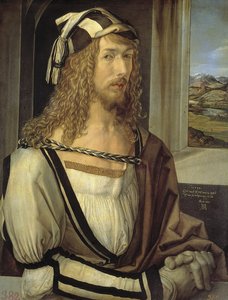
अल्ब्रेक्ट ड्यूरर
1471 - 1528 , इटली
मुख्य तथ्य
- Artistic Movement Or Style: जर्मन पुनर्जागरण
- Artists Or Movements Influenced By This Artist: ['उत्तरी पुनर्जागरण']
- Artists Who Influenced This Artist:
- लियोनार्डो दा विंची
- राफेल
- जोवान्नी बेलिनी
- Date Of Birth: 21 मई 1471
- Date Of Death: 6 अप्रैल 1528
- Full Name: अल्ब्रेक्ट ड्यूरर
- Nationality: जर्मन
- Notable Artworks:
- एपोकैलिप्स श्रृंखला
- मेलेनकोलिया I
- सेंट जेरोम का अध्ययन
- Place Of Birth: नूर्नबर्ग, जर्मनी
संबंधित लेख
Albrecht Dürer's Masterpieces: 25 Iconic Artworks for Your Home | OriginalUniqueArt
Explore 25 iconic artworks by Albrecht Dürer, a master of the German Renaissance. Discover the stories behind Melencolia I, Knight Death and Devil & more. Find museum-quality art reproductions for your home at OriginalUniqueArt.com.

Albrecht Dürer: A Renaissance Master's Legacy of Innovation and Self-Portraiture
Explore the life & art of Albrecht Dürer, a pivotal German Renaissance master. Discover his groundbreaking printmaking techniques, iconic self-portraits, and lasting influence on Western art history. A deep dive into innovation & symbolism.
German Renaissance Unlocked: The Bold Precision and Iconic Mastery of Albrecht Dürer Reimagined
Discover the bold precision of the German Renaissance. Explore the legendary mastery of Albrecht Dürer through expert art history insights and premium, hand-painted reproductions designed to bring iconic Northern Renaissance detail into your modern collection.
लंदन के ब्रिटिश संग्रहालय की शीर्ष 25 कलाकृतियाँ: इतिहास और सौंदर्य का संगम
लंदन के ब्रिटिश संग्रहालय की शीर्ष 25 कलाकृतियों का अन्वेषण करें! प्रसिद्ध कलाकारों, ऐतिहासिक शैलियों और भावनात्मक रंग पैलेटों से भरी कहानियाँ जानें। उच्च गुणवत्ता वाले कला पुनरुत्पादन और घर की सजावट के लिए OriginalUniqueArt.com पर खोजें।
The Northern Awakening: Artistic Innovation & Cultural Transformation in the German Renaissance
Explore the artistic innovation of the German Renaissance! Discover Dürer, the Danube School & Reformation art. Learn about techniques, materials & lasting influence. Find museum-quality reproductions at OriginalUniqueArt.