
 पूर्वावलोकन देखें
 भेजें
भेजें साझा करें
 विवरण देखें
 मार्गदर्शिका

 डाउनलोड करें
 समान वस्तुएं
 एक्स-रे
 स्लाइड शो देखें
 Q&A
Q&A आंकड़े
The Lone Scout


 और पढ़ें
गिक्ली / आर्ट प्रिंट
तेज़ उत्पादन और विभिन्न फिनिश विकल्पों के साथ म्यूजियम-क्वालिटी गिकली (giclée) या कैनवस प्रिंट। ( हाथ से बनी पेंटिंग खरीदें डिजिटल इमेज पर जाएँ)




P118B ₹10

P118H ₹10

P118W ₹10

P438Z ₹10

P508JH ₹12

P508YH ₹12

P805H ₹10

P805Z ₹10

P919BZ ₹10

P919G ₹10

P919XJ ₹10

P959ZH ₹10

P968JZ ₹12

W106C ₹8

W218G ₹10

W218JH ₹8

W218Y ₹10

W307PJ ₹10

W316G ₹10

W316PJ ₹8

W316Y ₹10

W398PJ ₹8

W4111J ₹10

W500HY ₹15

W500JH ₹15

W692G ₹12

W849H ₹8

W940BG ₹15

W953PJ ₹8




कलाकृति के मूल अनुपात से मेल खाने वाले हमारे पूर्व निर्धारित आकारों में से चुनें।

अपने फ्रेम या अपनी दीवार के अनुसार आवश्यक चौड़ाई और ऊंचाई दर्ज करें। प्रिंट को केवल काटा जा सकता है, चित्र से बड़ा कभी नहीं बनाया जा सकता, इसलिए अलग आकार का साइज चित्र का एक हिस्सा खो देता है। किसी भी चीज़ को प्रिंट करने से पहले हम आपकी स्वीकृति के लिए आपको एक डिजिटल मॉकअप भेजते हैं। इस पृष्ठ पर दिखाया गया चित्र वास्तविक कटिंग नहीं दिखाता है — केवल मॉकअप ही इसे दर्शाता है।
विश्वव्यापी डिलीवरी (), मानक 4/5 सप्ताह के बजाय मात्र 2 सप्ताह में। (1 नवमबर)

दुनिया भर में मुफ़्त एक्सप्रेस शिपिंग

प्रीमियम ग्रेड लिनेन कैनवास

पूर्ण शिपिंग बीमा

सीमा शुल्क और आयात कर वापसी की गारंटी

सटीक रंग मिलान की गारंटी

100 दिनों की वापसी नीति (केवल निर्माण दोष होने पर)

100% पैसे वापसी की गारंटी

थोक छूट का अवसर
 ग्लास का विकल्प केवल 110 सेमी से कम आकार में ही उपलब्ध है।

The Lone Scout
गिक्ली / आर्ट प्रिंट
प्रतिकृति का आकार
-


कुल मूल्य
₹ 7708
The Lone Scout: A Vision of American Symbolism
Albert Pinkham Ryder’s “The Lone Scout,” painted in 1885, is more than just a depiction of a rider on horseback; it's a deeply resonant exploration of solitude, discovery, and the untamed spirit of the American West. Housed within the Fine Arts Museums of San Francisco, this oil-on-canvas masterpiece stands as a pivotal work in Ryder’s oeuvre and a significant example of American Symbolism and Tonalism – movements that sought to capture not just visual reality but also emotional atmosphere and subjective experience.
Ryder, born in New Bedford, Massachusetts, possessed an intensely private and often eccentric personality. His early life was steeped in the maritime traditions of his hometown, a landscape of rugged coastlines and bustling harbors that undoubtedly informed his artistic sensibilities. However, it was his relocation to New York City in the late 1860s, amidst his brother’s burgeoning hotel business, that provided him with access to a vibrant cultural scene – an exposure that would profoundly shape his artistic development. Influenced by the Barbizon School in France and the Hague School in Holland, Ryder developed a distinctive style characterized by bold colors, expressive brushstrokes, and a masterful manipulation of light and shadow. “The Lone Scout” exemplifies this approach, eschewing photographic realism in favor of an evocative portrayal of mood and feeling.
A Landscape of Dreams: Composition and Technique
The painting’s composition immediately draws the viewer into its dreamlike quality. A solitary figure, clad in a dark coat and turban-like head covering, dominates the left side of the frame, perched atop a powerful horse that surges forward across an expansive, undulating landscape. The background is dominated by a vast, turbulent sky – a swirling vortex of blues, grays, and hints of violet – suggesting both immensity and impending change. Ryder’s technique is particularly noteworthy; he employs loose, gestural brushstrokes to create a sense of movement and dynamism, while simultaneously utilizing tonal variations to establish depth and atmosphere. The colors are rich and saturated, yet subtly muted, contributing to the painting's overall mood of quiet contemplation.
Ryder’s use of light is particularly striking. It isn’t a bright, direct illumination but rather a diffused glow that seems to emanate from an unseen source, casting long shadows and highlighting key elements within the composition. This technique creates a sense of mystery and invites the viewer to actively participate in interpreting the scene.
Symbolism and Narrative
“The Lone Scout” is rich with symbolic meaning. The solitary figure on horseback represents exploration, both physical and spiritual – a journey into the unknown. The vast landscape symbolizes the challenges and opportunities of the American frontier, while the turbulent sky hints at the unpredictable nature of life itself. Some art historians interpret the scout as an allegory for the pioneer spirit, embodying the courage and resilience required to forge a new path in a challenging environment. Ryder himself often imbued his paintings with personal symbolism, drawing inspiration from literature, mythology, and his own emotional experiences.
Interestingly, “The Lone Scout” was created during a period of significant social and cultural change in America – the late 19th century, a time marked by westward expansion, industrialization, and increasing urbanization. Ryder’s painting can be seen as a reflection of these broader societal trends, capturing both the allure and the anxieties associated with this era of transformation.
A Legacy of Mystique
Albert Pinkham Ryder remains one of America's most enigmatic and beloved artists. “The Lone Scout” stands as a testament to his unique vision and artistic genius – a painting that continues to captivate viewers with its evocative atmosphere, symbolic depth, and masterful technique. Reproductions of this iconic work offer an accessible way to experience the power and beauty of Ryder’s art, bringing a touch of American Symbolism into any space. For those seeking to delve deeper into Ryder's life and work, resources such as Wikipedia and OriginalUniqueArt.com provide valuable insights into his artistic journey.
प्रश्न और उत्तर
"The Lone Scout" को प्रिंट करने के लिए क्या सुझाव दिया जाता है - कौन सा आकार और कौन सा ओरिएंटेशन (orientation) सबसे अच्छा रहेगा?
"The Lone Scout" के लिए, अनुशंसित प्रिंट सेटअप Medium आकार और Portrait ओरिएंटेशन है।
क्या अल्बर्ट पिंघम राइडर द्वारा "The Lone Scout" एक पोर्ट्रेट, लैंडस्केप या वर्गाकार रचना है?
अल्बर्ट पिंघम राइडर द्वारा "The Lone Scout" का स्वरूप Portrait है। यह स्वरूप रचना के अनुपात को दर्शाता है।
क्या Fine Arts Museums of San Francisco में रखी गई अल्बर्ट पिंघम राइडर द्वारा "The Lone Scout" का कानूनी रूप से पुनरुत्पादन किया जा सकता है?
मूल "The Lone Scout" Fine Arts Museums of San Francisco में है, और यह कृति सार्वजनिक डोमेन में - इसका कॉपीराइट समाप्त हो चुका है है।
कलाकार का परिचय
प्रारंभिक जीवन और कलात्मक शुरुआत
19 मार्च, 1847 को मैसाचुसेट्स के न्यू बेडफोर्ड में जन्मे अल्बर्ट पिंघम राइडर, अमेरिकी कला इतिहास के एक रहस्यमयी व्यक्तित्व बने हुए हैं। उनके बचपन का विवरण अत्यंत दुर्लभ है, जो उन धुंधों में लिपटा हुआ है जो बाद में उनकी पेंटिंग्स की मुख्य विशेषता बन गए। हालांकि, यह ज्ञात है कि उन्होंने बहुत कम उम्र में ही अपनी कलात्मक प्रवृत्तियों को खोजना शुरू कर दिया था, और अपने जन्मस्थान न्यू बेडफोft के परिदृश्यों को प्रारंभिक कौशल के साथ कैनवास पर उतारा था। एक हलचल भरे व्हेल पकड़ने वाले बंदरगाह के वातावरण में बीता उनका यह तटीय बचपन, निस्संदेह उनकी कल्पना पर एक अमिट छाप छोड़ गया और उनके पूरे करियर में प्रेरणा के एक निरंतर स्रोत के रूप में उभरता रहा।
1860 के दशक के उत्तरार्ध में, राइडर का परिवार न्यूयॉर्क शहर चला गया, जहाँ उनके भाई ग्रीनविच विलेज के प्रसिद्ध होटल अल्बर्ट का प्रबंधन करते थे। इस पलायन ने युवा अल्बर्ट को एक जीवंत सांस्कृतिक परिवेश में ला खड़ा किया, जिससे उन्हें कलात्मक विकास और नए विचारों के संपर्क में आने के अवसर मिले। पारिवारिक जिम्मेदारियों में मदद करने के साथ-साथ, उन्होंने पेंटिंग के प्रति अपने जुनून को जारी रखा, जिसने उनके भविष्य के कलात्मक सफर की नींव रखी।
औपचारिक प्रशिक्षण और यूरोपीय प्रभाव
राइडर की औपचारिक कला शिक्षा न्यूयॉर्क शहर में विलियम एडगर मार्शल के मार्गदर्शन में शुरू हुई। इसके बाद उन्होंने नेशनल एकेडमी ऑफ डिजाइन में प्रवेश लिया, जहाँ 1870 से 1875 के बीच उन्होंने अध्ययन किया। यहीं उन्होंने 1873 में अपनी पहली कृति प्रदर्शित की और साथी कलाकार जूलियन एल्डन वियर के साथ एक आजीवन मित्रता कायम की। इन रचनात्मक वर्षों ने उन्हें पारंपरिक तकनीकों का एक ठोस आधार प्रदान किया और स्थापित कला जगत से परिचित कराया।
हालांकि, राइडर की कलात्मक दृष्टि पारंपरिक शैक्षणिक प्रशिक्षण से कहीं आगे तक फैली हुई थी। 1877 और 1903 के बीच, उन्होंने यूरोप की चार यात्राएं कीं, जहाँ वे पुरानी दुनिया की कलात्मक धाराओं में पूरी तरह डूब गए। वे विशेष रूप से फ्रांसीसी बारबिसन स्कूल की ओर आकर्षित हुए, जो प्रकृतिवाद और 'प्लेन एयर' पेंटिंग पर जोर देता था, और डच हेग स्कूल की ओर भी, जो अपने वायुमंडलीय परिदृश्यों और मंद रंग पैलेट के लिए जाना जाता था। इन प्रभावों ने उनकी सौंदर्य संबंधी संवेदनाओं को गहराई से आकार दिया, जिससे उनकी अनूठी शैली का विकास हुआ।
एक अनूठी कलात्मक दृष्टि: शैली और विषय
अल्बर्ट पिंघम राइडर की कलात्मक पहचान तुरंत पहचानी जा सकती है—यह प्रतीकवाद (Symbolism), टोनलिज्म (Tonalism) और एक अत्यंत व्यक्तिगत दृष्टिकोण का एक मंत्रमुग्ध कर देने वाला मिश्रण है। उनकी पेंटिंग्स केवल वास्तविकता का चित्रण मात्र नहीं हैं, बल्कि मनोभाव, रहस्य और आध्यात्मिक प्रतिध्वनि से सराबोर प्रकृति की भावपूर्ण व्याख्याएँ हैं। वे स्वप्निल परिदृशंतों या समुद्री दृश्यों के भीतर व्यापक, अक्सर अस्पष्ट आकृतियों और शैलीबद्ध आकृतियों को पसंद करते थे, जिससे एक ऐसा वातावरण निर्मित होता है जो अलौकिक और विस्मयकारी दोनों है।
राइडर के काम में प्रकाश की भूमिका अत्यंत महत्वपूर्ण है। उनके दृश्य अक्सर डरावले बादलों से छनकर आती मंद धूप या चांदनी की कोमल चमक से आलोकित होते हैं, जो लंबी छायाएँ बनाते हैं और नाटकीयता एवं आत्मनिरीक्षण की भावना को बढ़ाते हैं। उन्होंने सूक्ष्म विविधताओं और वायुमंडलीय प्रभावों को पैदा करने के लिए रंगों का कुशलतापूर्वक उपयोग किया, और अक्सर अधिकतम भावनात्मक प्रभाव प्राप्त करने के लिए एक सीमित रंग पैलेट का प्रयोग किया।
तटीय न्यू बेडफोर्ड की उनकी बचपन की यादों से प्रेरित मिस्टी मूनलाइट (Misty Moonlight) जैसी उल्लेखनीय कृतियाँ, व्यक्तिगत अनुभवों को लालसा और चिंतन की सार्वभौमिक अभिव्यक्ति में बदलने की राइडर की क्षमता का उदाहरण पेश करती हैं। सिगफ्राइड एंड द राइन मेडन्स (Siegfried and the Rhine Maidens) जैसी अन्य महत्वपूर्ण पेंटिंग्स पौराणिक कथाओं और प्रतीकवाद के प्रति उनके आकर्षण को प्रदर्शित करती हैं।
अंतिम वर्ष और स्थायी विरासत
1900 के बाद, राइडर की रचनात्मकता में काफी कमी आई। वे तेजी से एकांतप्रिय होते गए, और अपना अधिकांश समय पूर्णता की अथक खोज में मौजूदा पेंटिंग्स को फिर से बनाने में बिताया। उत्पादकता में इस गिरावट के बावजूद, उनकी प्रारंभिक कृतियों ने ध्यान और प्रशंसा प्राप्त करना जारी रखा।
अल्बर्ट पिंघम राइडर का निधन 28 मार्च, 1917 को हुआ, और वे अपने पीछे कला का एक ऐसा संग्रह छोड़ गए जो आज भी दर्शकों को मंत्रमुग्ध करता है। 1918 में न्यूयॉर्क के मेट्रोपॉलिटन म्यूजियम ऑफ आर्ट में आयोजित एक स्मारक प्रदर्शनी ने अमेरिकी कला के एक प्रमुख व्यक्तित्व के रूप में उनकी प्रतिष्ठा को सुदृढ़ किया।
राइडर का प्रभाव उनके समकालीनों से कहीं आगे तक फैला हुआ है। रूप, रंग और भावनात्मक अभिव्यक्ति पर उनके जोर ने जैक्सन पोलक सहित कलाकारों की बाद की पीढ़ियों के लिए मार्ग प्रशस्त किया, जिन्होंने राइडर को अमूर्त अभिव्यक्तिवाद (Abstract Expressionism) के एक महत्वपूर्ण अग्रदूत के रूप में स्वीकार किया। वे अमेरिकी टोनलिज्म और प्रतीकवाद के एक अग्रणी के रूप में विख्यात हैं, एक ऐसे कलाकार जिनकी रहस्यमयी पेंटिंग्स आज भी विस्मय और आश्चर्य पैदा करती हैं।
अल्बर्ट पिंघम राइडर की कला की मुख्य विशेषताएं
- स्वप्निल वातावरण: उनके परिदृश्य और समुद्री दृश्य रहस्य और परलौकिकता की भावना पैदा करते हैं।
- प्रतीकवाद और पौराणिक कथाएं: प्रतीकात्मक छवियों और पौराणिक आख्यानों का बार-बार उपयोग।
- टोनलिस्ट प्रभाव: रंगों में सूक्ष्म विविधता और वायुमंडलीय प्रभावों पर जोर।
- भावनात्मक प्रतिध्वनि: ऐसी पेंटिंग्स जो लालसा, चिंतन और आध्यात्मिक तड़प की गहरी भावना व्यक्त करती हैं।
- अद्वितीय ब्रशवर्क: व्यापक, अभिव्यंजक ब्रशस्ट्रोक जो समग्र मनोदशा और बनावट में योगदान देते हैं।

अल्बर्ट पिंघम राइडर
1847 - 1917 , संयुक्त राज्य अमेरिका
संक्षिप्त जानकारी
- Artistic Movement Or Style: टोनलिज्म और प्रतीकवाद
- Artists Or Movements Influenced By This Artist: ['जैक्सन पोलक']
- Artists Who Influenced This Artist:
- बार्बिसन स्कूल
- हेग स्कूल
- Date Of Birth: 19 मार्च, 1847
- Date Of Death: 28 मार्च, 1917
- Full Name: अल्बर्ट पिंघम राइडर
- Nationality: अमेरिकी
- Notable Artworks:
- मिस्टी मूनलाइट
- द रेस ट्रैक
- सिगफ्राइड और राइन मेडन्स
- Place Of Birth: न्यू बेडफोर्ड, यूएसए
संबंधित लेखों की सूची

American Realism's Defining Works: 10 Masterpieces for Your Home
Explore 10 defining American Realism masterpieces – Hopper, Homer & more. Discover the stories behind these iconic paintings and bring timeless art to your home with OriginalUniqueArt's museum-quality reproductions. Explore the full collection online.

Albert Bierstadt: Luminosity, Landscape & the American Ideal
Explore the breathtaking landscapes of Albert Bierstadt, master of the American West & a leading figure in the Hudson River School. Discover his luminous style and iconic paintings – a timeless investment for art lovers.

Grant Wood & American Regionalism: Identity, Myth & the Rural Landscape
Explore the world of Grant Wood & American Regionalism with OriginalUniqueArt. Discover the symbolism behind 'American Gothic', recurring themes, and the movement's lasting impact on art history. High-quality reproductions available.
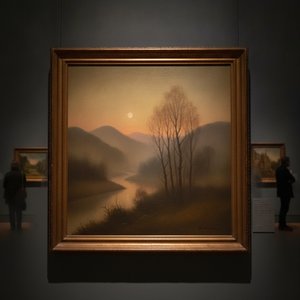
Tonalism Explained: The Art of Mood, Mist, and Masterful Color in Landscape Painting
Discover the evocative world of Tonalism. Explore how masters like Whistler and Tryon used mist, shadow, and subtle color to capture profound mood and atmosphere in landscape art. An expert guide for fine art enthusiasts and collectors.
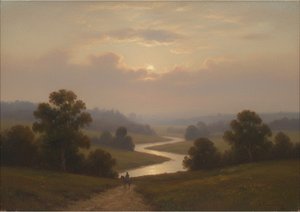
Atmospheric Visions: Exploring Tonalism in American Painting
Explore the captivating world of American Tonalism! Discover its history, key artists like Whistler & Inness, techniques, and lasting influence on art. Expert insights for collectors & enthusiasts.
