

 पूर्वावलोकन देखें
 भेजें
भेजें साझा करें
 विवरण देखें
 मार्गदर्शिका

 डाउनलोड करें
 समान वस्तुएं
 एक्स-रे
 स्लाइड शो देखें
 आंकड़े
Queen Bianca
 Acrylic On Canvas
- WallArt
- Albert Edelfelt, Queen Bianca
 1877
1877- Renaissance
 75.0 x 96.0 cm
 Ateneum Art Museum
 और पढ़ें
गिक्ली / आर्ट प्रिंट
तेज़ उत्पादन और विभिन्न फिनिश विकल्पों के साथ म्यूजियम-क्वालिटी गिकली (giclée) या कैनवस प्रिंट। ( हाथ से बनी पेंटिंग खरीदें डिजिटल इमेज पर जाएँ)




P118B ₹10

P118H ₹10

P118W ₹10

P438Z ₹10

P508JH ₹12

P508YH ₹12

P805H ₹10

P805Z ₹10

P919BZ ₹10

P919G ₹10

P919XJ ₹10

P959ZH ₹10

P968JZ ₹12

W106C ₹8

W218G ₹10

W218JH ₹8

W218Y ₹10

W307PJ ₹10

W316G ₹10

W316PJ ₹8

W316Y ₹10

W398PJ ₹8

W4111J ₹10

W500HY ₹15

W500JH ₹15

W692G ₹12

W849H ₹8

W940BG ₹15

W953PJ ₹8




कलाकृति के मूल अनुपात से मेल खाने वाले हमारे पूर्व निर्धारित आकारों में से चुनें।

अपने फ्रेम या अपनी दीवार के अनुसार आवश्यक चौड़ाई और ऊंचाई दर्ज करें। प्रिंट को केवल काटा जा सकता है, चित्र से बड़ा कभी नहीं बनाया जा सकता, इसलिए अलग आकार का साइज चित्र का एक हिस्सा खो देता है। किसी भी चीज़ को प्रिंट करने से पहले हम आपकी स्वीकृति के लिए आपको एक डिजिटल मॉकअप भेजते हैं। इस पृष्ठ पर दिखाया गया चित्र वास्तविक कटिंग नहीं दिखाता है — केवल मॉकअप ही इसे दर्शाता है।
विश्वव्यापी डिलीवरी (), मानक 4/5 सप्ताह के बजाय मात्र 2 सप्ताह में। (20 अक्टूबर)

दुनिया भर में मुफ़्त एक्सप्रेस शिपिंग

प्रीमियम ग्रेड लिनेन कैनवास

पूर्ण शिपिंग बीमा

सीमा शुल्क और आयात कर वापसी की गारंटी

सटीक रंग मिलान की गारंटी

100 दिनों की वापसी नीति (केवल निर्माण दोष होने पर)

100% पैसे वापसी की गारंटी

थोक छूट का अवसर
 ग्लास का विकल्प केवल 110 सेमी से कम आकार में ही उपलब्ध है।

Queen Bianca
गिक्ली / आर्ट प्रिंट
प्रतिकृति का आकार
-


कुल मूल्य
₹ 7670
The Enigmatic Majesty of Queen Bianca
Albert Edelfelt’s “Queen Bianca,” painted in 1877, isn't merely a portrait; it’s a carefully constructed tableau of Victorian ideals and nascent Finnish national identity. The painting captures a woman radiating quiet authority and profound tenderness – a figure both regal and intimately maternal. At first glance, the scene presents a domestic intimacy: a woman, identified as Queen Bianca (a reference to the Shakespearean character), cradles her child in a gesture of unwavering devotion. However, beneath this surface serenity lies a complex layering of symbolism and historical context, reflecting Edelfelt’s ambition to elevate Finnish art onto an international stage.
The composition itself is meticulously balanced. The woman, rendered with a subtle realism that eschews the overly idealized depictions common in court portraits, occupies the central space, her gaze direct yet gentle. Her attire – a flowing white gown and delicate jewelry – speaks to her status while simultaneously conveying an understated elegance. Crucially, she’s not posed dramatically; instead, she appears caught in a moment of quiet contemplation, suggesting a deeper narrative beyond simple motherhood. The child, nestled securely within her arms, mirrors her composure, hinting at a lineage of strength and grace. To the right, a richly upholstered couch provides a sense of domestic comfort, while a chair positioned near the left edge subtly introduces an element of formality, anchoring the scene within a refined setting.
A Painter’s Journey: Edelfelt's Artistic Evolution
Albert Edelfelt’s artistic trajectory is inextricably linked to his evolving understanding of Finnish identity. Born in Porvoo, Finland, in 1854, he initially trained in Antwerp and Paris, immersing himself in the traditions of historical painting – a genre favored by the academies of those eras. However, it was his time in France that exposed him to the burgeoning Impressionist movement, influencing his approach to light, color, and brushwork. Returning to Finland, Edelfelt skillfully blended these diverse influences, creating a style characterized by its naturalism, emotional depth, and meticulous attention to detail. “Queen Bianca” exemplifies this synthesis; it’s both rooted in academic training and infused with the spirit of modern artistic experimentation.
The painting's creation coincided with a period of significant social and political change in Finland. The country was transitioning from Russian rule towards independence, and artists like Edelfelt sought to capture the essence of Finnish culture and values. “Queen Bianca” can be interpreted as an allegory for the nation itself – a symbol of strength, resilience, and maternal care. The woman’s dignified bearing reflects the aspirations of a newly independent Finland, while her tender embrace embodies the enduring values of family and community.
Technique and Material: A Study in Detail
Edelfelt's mastery lies not only in his composition but also in his technical execution. He employed a layering technique, building up the image through numerous thin glazes of oil paint, creating a luminous surface that captures subtle shifts in light and shadow. The brushwork is remarkably delicate, particularly evident in the rendering of the woman’s gown and the child's clothing – each fabric texture meticulously depicted with remarkable precision. The use of color is restrained yet evocative; soft blues, greens, and creams dominate the palette, creating a sense of serenity and warmth.
Notably, Edelfelt utilized a technique known as *alla prima*, working directly onto the canvas without extensive underpainting. This approach allowed him to capture the immediacy of the moment and imbue the painting with a palpable sense of emotion. The subtle variations in tone and color – particularly in the shadows cast by the furniture – contribute significantly to the painting’s atmospheric depth and realism. The choice of canvas, likely linen, further enhanced the richness and texture of the work.
Symbolism and Emotional Resonance
Beyond its technical merits, “Queen Bianca” is rich in symbolic meaning. The child represents not only lineage but also the future – a symbol of hope and continuity for Finland. The woman’s gaze, direct and unwavering, conveys a sense of quiet confidence and authority. She isn't merely a mother; she embodies strength, wisdom, and resilience. The setting itself—a comfortable yet refined room—suggests a stable and secure environment, reflecting the values that Edelfelt sought to promote through his art.
Ultimately, “Queen Bianca” is a powerful meditation on motherhood, national identity, and the enduring human spirit. It’s a painting that invites contemplation, prompting viewers to consider the complex interplay of tradition and modernity, strength and tenderness, and the timeless beauty of family bonds. Reproductions of this iconic work offer a captivating glimpse into Edelfelt's artistic vision and provide a poignant reminder of Finland’s rich cultural heritage.
प्रश्न और उत्तर
"Queen Bianca" की कॉपीराइट स्थिति ऐसी क्यों है?
"Queen Bianca" की कॉपीराइट स्थिति - सार्वजनिक डोमेन में - इसका कॉपीराइट समाप्त हो चुका है - कलाकार की 1905 में मृत्यु के आधार पर निर्धारित होती है।
क्या "Queen Bianca" कुल मिलाकर अधिक उज्ज्वल है या अधिक गहरा?
"Queen Bianca" की समग्र चमक deep_shadow है, और इसकी ल्यूमिनेंस (luminance) Soft Shadow है।
"Queen Bianca" की शैली इसके रचनाकार के युग से किस प्रकार संबंधित है?
अल्बर्ट एडेलफेल्ट द्वारा "Queen Bianca" में, Albert Edelfelt, Queen Bianca आंदोलन और 19वीं शताब्दी युग का संगम होता है।
कलाकार का परिचय
प्रारंभिक जीवन और कलात्मक यात्रा
अल्बर्ट एडेलफेल्ट, जिनका जन्म 21 जुलाई 1854 को फिनलैंड के पोर्वो शहर में हुआ था, एक प्रसिद्ध फिनिश चित्रकार थे। उनके माता-पिता, कार्ल अल्बर्ट एडेलफेल्ट और एलेक्जेंड्रा एडेलफेल्ट (नी ब्रांड्ट), स्वीडिश भाषी फिनिश थे। बचपन से ही अल्बर्ट की कला के प्रति गहरी रुचि थी, जिसके कारण उन्होंने 1869 में फिनिश आर्ट सोसाइटी के ड्राइंग स्कूल में औपचारिक शिक्षा प्राप्त की। उनकी प्रारंभिक शिक्षा ने उनके भीतर कलात्मक प्रतिभा को और अधिक विकसित किया। एडेलफेल्ट की कलात्मक यात्रा उन्हें विभिन्न प्रतिष्ठित संस्थानों तक ले गई: एंटवर्प एकेडमी ऑफ आर्ट (1873-74), जहाँ उन्होंने इतिहास चित्रकला में अपने कौशल को निखारा, और École Nationale des Beaux-Arts, पेरिस (1874-78), जहाँ जीन-लियोन जेरोम के मार्गदर्शन में उनकी कला का विकास हुआ। सेंट पीटर्सबर्ग में थोड़े समय तक रहने से उन्हें विभिन्न कलात्मक प्रभावों का अनुभव मिला, जिसने उनके दृष्टिकोण को व्यापक बनाया।कलात्मक विकास और प्रमुख कार्य
एडेलफेल्ट की कलात्मक शैली यथार्थवाद (Realism) पर आधारित थी, जिसमें उन्होंने फिनिश जीवन और परिदृश्यों को जीवंतता से चित्रित किया। 1889 में पेरिस यूनिवर्सल प्रदर्शनी में उन्हें स्वर्ण पदक प्राप्त हुआ, जो उनकी प्रतिभा का प्रमाण था। उनके कुछ उल्लेखनीय कार्यों में शामिल हैं: 'लुई पाश्चर का चित्र', जिसके लिए उन्हें 1886 में लीजन ऑफ ऑनर से सम्मानित किया गया; 'युवा महिला अपने शयनकक्ष में', जिसमें उन्होंने नारीत्व के सार को खूबसूरती से दर्शाया; और 'बर्च के पेड़ों के नीचे', जो फिनिश परिदृश्यों का एक मार्मिक चित्रण है। एडेलफेल्ट ने अपनी कला के माध्यम से फिनलैंड की संस्कृति और प्रकृति को अंतर्राष्ट्रीय स्तर पर पहचान दिलाई। उनकी पेंटिंगों में रंगों का उपयोग और बारीकियां दर्शकों को आकर्षित करती हैं, जिससे वे चित्रों में खो जाते हैं।प्रभाव और विरासत
अल्बर्ट एडेलफेल्ट फिनलैंड के पहले कलाकारों में से एक थे जिन्होंने अंतरराष्ट्रीय ख्याति प्राप्त की। उन्होंने यथार्थवादी कला आंदोलन में महत्वपूर्ण योगदान दिया। उनका प्रभाव युवा फिनिश चित्रकारों, जैसे अक्सेली Gallen-Kallela और Gunnar Berndtson पर पड़ा, जिनकी मदद से उन्होंने पेरिस में सफलता हासिल की। एडेलफेल्ट ने न केवल अपनी कला के माध्यम से फिनलैंड को विश्व मानचित्र पर स्थापित किया, बल्कि आने वाली पीढ़ियों के कलाकारों के लिए भी प्रेरणा स्रोत बने। उनकी पेंटिंगों में सामाजिक संदेश और मानवीय भावनाओं का गहरा चित्रण होता है, जो उन्हें अद्वितीय बनाता है।संग्रहालय संग्रह और सम्मान
एडेलफेल्ट के कार्यों को विभिन्न संग्रहालयों में प्रदर्शित किया गया है, जिनमें हेलसिंकी स्थित Ateneumin Taidemuseo प्रमुख है। 2004 में उनके जन्म की 150वीं वर्षगांठ पर €100 का अल्बर्ट एडेलफेल्ट स्मृति सिक्का जारी किया गया, जो उनके योगदान का सम्मान था। उनकी कलाकृतियाँ आज भी फिनलैंड की सांस्कृतिक धरोहर का महत्वपूर्ण हिस्सा हैं, और उन्हें देश के सबसे महान कलाकारों में से एक माना जाता है। एडेलफेल्ट की पेंटिंगों को देखने वाले दर्शक उनकी प्रतिभा और समर्पण से प्रभावित होते हैं, जो उन्हें हमेशा याद रखते हैं।अतिरिक्त जानकारी
- प्रमुख कलाकृतियाँ: 'लुई पाश्चर का चित्र', 'युवा महिला अपने शयनकक्ष में', 'बर्च के पेड़ों के नीचे', 'पोर्वो की लड़की'।
- कला आंदोलन: यथार्थवाद (Realism)।
- प्रभावित कलाकार: अक्सेली Gallen-Kallela, Gunnar Berndtson।
- प्रभावित करने वाले कलाकार: जीन-लियोन जेरोम।

अल्बर्ट एडेलफेल्ट
1854 - 1905 , फ़िनलैंड
संक्षिप्त जानकारी
- कला आंदोलन/शैली: यथार्थवाद
- जन्म तिथि: 21 जुलाई 1854
- जन्म स्थान: पोरवो, फिनलैंड
- जिन कलाकारों को प्रभावित किया:
- अक्सेली गैलेन-कालेला
- गुन्नार बर्नड्टसन
- पूरा नाम: अल्बर्ट गुस्ताव अरिस्टाइड एडेलफेल्ट
- प्रभावित कलाकार: ['जीन-लियोन जेरोम']
- प्रमुख कलाकृतियाँ:
- लुई पाश्चर का चित्र
- युवा महिला शयनकक्ष में
- बर्च के नीचे
- मृत्यु तिथि: 1905
- राष्ट्रीयता: फिनिश
संबंधित लेखों की सूची

Akseli Gallen-Kallela: Shaping Finnish Identity Through National Romanticism & Symbolism
Explore the captivating world of Akseli Gallen-Kallela, Finland's iconic National Romantic painter. Discover his symbolic landscapes, Kalevala illustrations & lasting impact on Finnish identity. Expert analysis & high-quality reproductions at OriginalUniqueArt.

Albert Goodwin: Capturing Victorian Light & Atmosphere – A Study in Landscape Painting
Explore the captivating landscapes of Albert Goodwin (1845-1932), a celebrated Victorian watercolourist influenced by Turner & Ruskin. Discover his techniques, prolific collection, and lasting legacy in British art history.
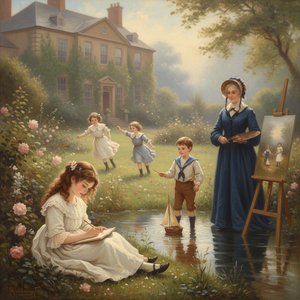
James Sant: Capturing Victorian Childhood & the Evolving Landscape of British Genre Painting
Explore the life & art of James Sant (1820-1916), renowned Victorian portraitist to Queen Victoria. Discover his captivating depictions of childhood, landscapes, and aristocratic society. Learn about his legacy & find fine art reproductions.
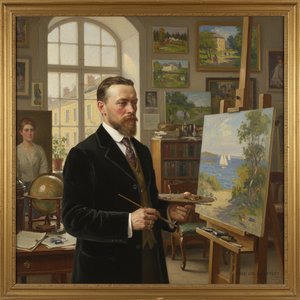
Albert Edelfelt: A Pioneer of Finnish Realism & International Impressionist Circles
Explore the life & work of Albert Edelfelt, a pioneering Finnish Realist painter who bridged Impressionism & national identity. Discover his masterpieces and lasting influence on art history.

The Refined Aesthetic of Victorian Illustration: A Study in Narrative & Technique
Explore the captivating world of Victorian illustration! Discover Pre-Raphaelite influences, key artists like Rossetti & Stephens, and the era's rich narrative detail. A deep dive for art enthusiasts.
