
Sommaire
Informations clés
- Art types: art mural
- Location: Cambridge, Royaume-Uni
- Alternate names:
- Université de Cambridge
- []
- Fitzwilliam Museum
- Cambridge University Museums
- Movements:
- néoclassicisme
- portraiture du xviiie siècle
- En savoir plus…
- Featured artists:
- Lowes Cato Dickinson
- Sir Joshua Reynolds
- Thomas Gainsborough
- William Etty
- Sir William Beechey
- Mediums:
- acrylique sur toile
- huile sur toile
- Works on APS: 39
Artistes de la collection
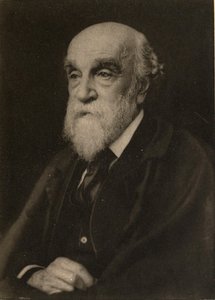
Lowes Cato Dickinson
Découvrez Lowes Cato Dickinson (1819-1908), peintre portraitiste britannique & socialiste chrétien. Portraits victoriens, liens préraphaélites & fondateur du Working Men's College.

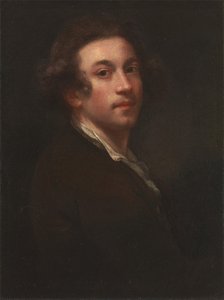
Sir Joshua Reynolds
Sir Joshua Reynolds (1723-1792), portraitiste britannique majeur & premier président de la Royal Academy ! Découvrez son style 'Grand Style' et l'élégance capturée dans ses œuvres.

Thomas Gainsborough
Thomas Gainsborough (1727-1788) : peintre britannique emblématique, maître du portrait et de la nature. Découvrez son style unique et ses œuvres célèbres !
Quiz d'art
Chaque question ne comporte qu'une seule réponse correcte.
Question 1:
Quel est le nom du musée phare de Cambridge ?
Question 2:
Dans quelle période artistique le musée Fitzwilliam présente-t-il une vaste collection ?
Question 3:
Quel est un élément remarquable de la bibliothèque universitaire ?
Question 4:
Le musée Fitzwilliam possède une collection exceptionnelle d'antiquités égyptiennes. Parmi ces objets, quels sont les principaux ?
Question 5:
Le jardin botanique et la bibliothèque sont associés à une étude approfondie des plantes. Quel est le rôle essentiel de cette étude ?
Question 6:
Les musées universitaires offrent une diversité remarquable de domaines scientifiques. Quel musée est particulièrement connu pour ses expositions sur les fossiles ?
Question 7:
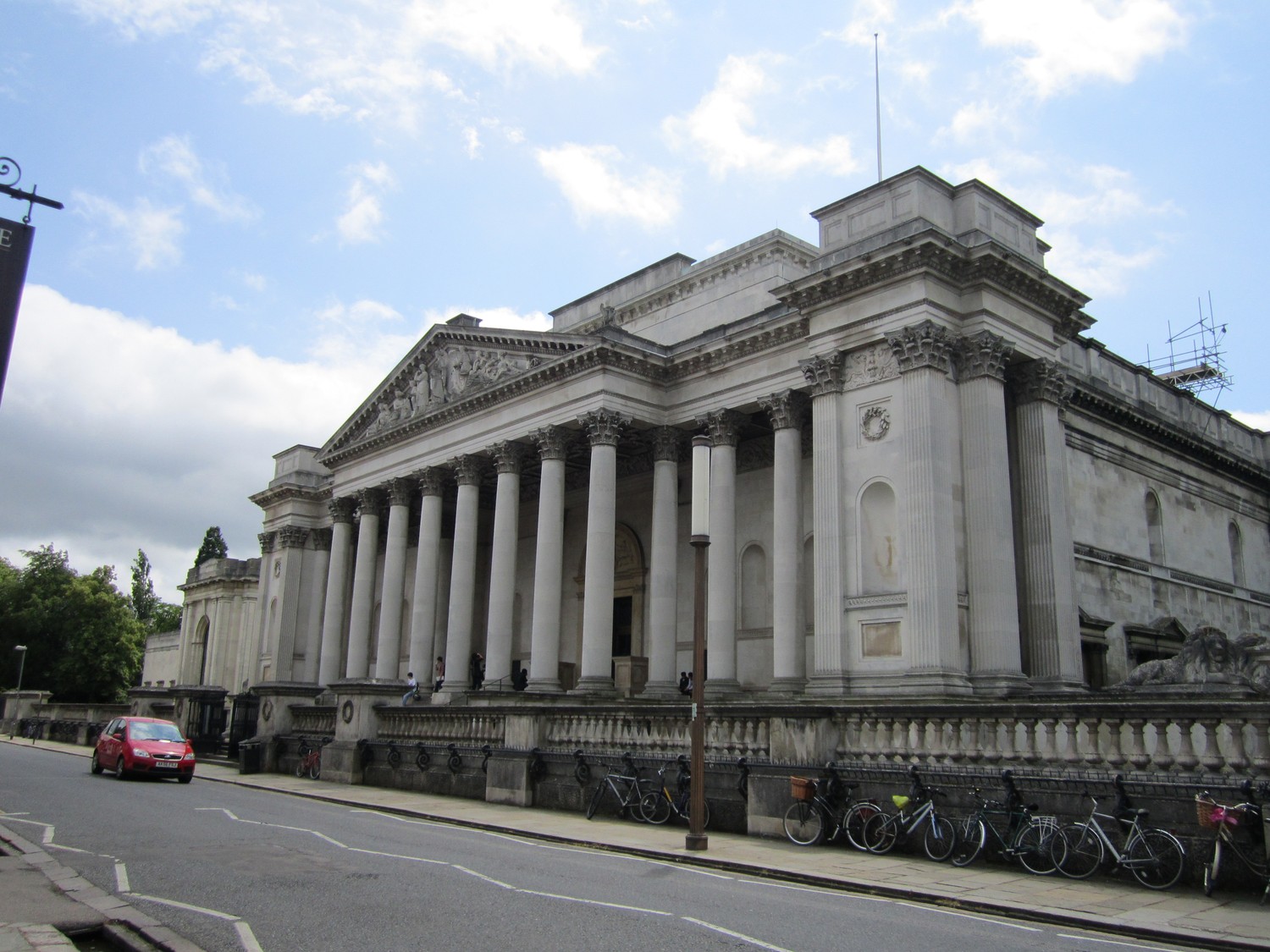
Quel est le symbole architectural du Fitzwilliam Museum ?
Question 8:
Les musées universitaires sont essentiels à la poursuite du savoir et de la beauté. Quel est le rôle des collèges dans cette mission ?
Articles connexes

Claude Monet : Les 25 Chefs-d'Œuvre Impressionnistes à Redécouvrir | OriginalUniqueArt
Plongez dans l'univers impressionniste de Claude Monet ! Découvrez les 25 œuvres les plus célèbres du maître, de 'Impression soleil levant' aux 'Nymphéas'. Inspirez votre décoration intérieure avec OriginalUniqueArt.com et trouvez la reproduction parfaite.

Rembrandt van Rijn : Les 25 Œuvres Maîtresses à Redécouvrir | OriginalUniqueArt
Plongez dans l'univers de Rembrandt van Rijn avec les 25 œuvres incontournables du maître baroque. Découvrez l'histoire, la technique et l'émotion derrière ses portraits célèbres et 'La Ronde de Nuit'. Reproductions tableaux haute qualité sur OriginalUniqueArt.com

Les 10 Chefs-d'œuvre Impressionnistes qui ont Révolutionné le Paysage
Plongez au cœur de l'Impressionnisme avec les 10 chefs-d'œuvre qui ont révolutionné le paysage. Découvrez Monet, Renoir et plus encore sur OriginalUniqueArt.com – reproductions d'art de qualité muséale pour sublimer votre intérieur.


