

Sommaire
Informations clés
- Featured artists: Giotto di Bondone
- Historical periods:
- bas moyen âge
- renaissance
- Mediums: acrylique sur toile
- Works on APS: 2
- Plus…
- Movements: proto-renaissance
- Alternate names:
- San Giorgio alla Costa
- San Giorgio
- Chiesa di San Giorgio e Spirito Santo alla Costa
- Location: Florence, Italie
- Art types: art mural
Quiz d'art
Chaque question ne comporte qu'une seule réponse correcte.
Question 1:
Quel mouvement artistique majeur est associé à San Giorgio alla Costa ?
Question 2:
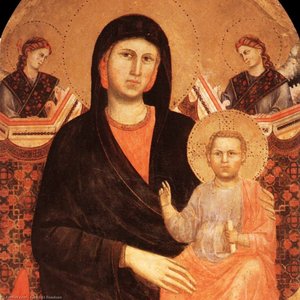
Quel artiste a peint l'iconique Madone de San Giorgio alla Costa, aujourd'hui conservée au Musée diocésain à Santo Stefano al Ponte ?
Question 3:
À quelle année environ Alessandro Baldovinetti a-t-il peint *L'Annonciation* ?
Question 4:
San Giorgio alla Costa servait-elle de bâtiment quelle pendant la deuxième moitié du XXe siècle ?
Question 5:
Quel style architectural caractérise San Giorgio alla Costa ?
Artistes de la collection

Giotto di Bondone
Découvrez Giotto di Bondone (1267-1337), le peintre et architecte italien révolutionnaire ! Explorez ses fresques proto-renaissance, son naturalisme, sa profondeur émotionnelle et ses œuvres emblématiques telles que la Chapelle Scrovegni. Une figure fondatrice de l'histoire de l'art européen.

Articles connexes
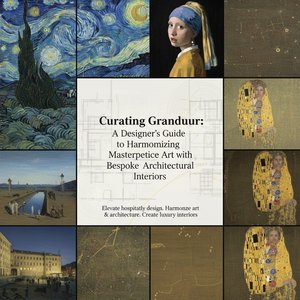
Harmoniser l'Histoire et la Teinte : Guide pour Associer les Styles Artistiques à l'Architecture Intérieure en Vue d'une Décoration Équilibrée
Guide expert pour associer harmonieusement styles artistiques et architecture intérieure. Conseils pratiques, inspiration déco & œuvres d'art pour une décoration équilibrée et raffinée. Trouvez l'œuvre parfaite !

Jacopo Pontormo: A Bridge Between Renaissance Tradition & Mannerist Emotion
Explore the captivating world of Jacopo Pontormo, a pivotal Italian Mannerist painter. Discover his unique style, influences & masterpieces – and find museum-quality reproductions at OriginalUniqueArt.
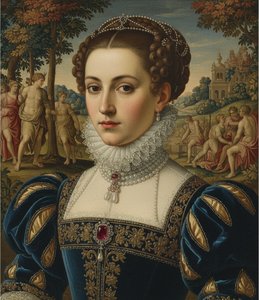
Agnolo Bronzino: Mastering Courtly Portraiture & the Enigmatic Gaze of Renaissance Florence
Explore the captivating world of Agnolo Bronzino, Renaissance master portraitist. Discover his elegant style, symbolic depth & lasting influence on art history. Expert insights for collectors.
Collection d'œuvres d'art



Abonnez-vous à notre newsletter
Restez informé(e) des dernières actualités artistiques, des offres exclusives et des idées de décoration.
Recevez 3 suggestions d'œuvres d'art gratuites
Parlez-nous de votre projet et nos experts en art vous proposeront 3 suggestions d'œuvres personnalisées.
Not Sure Where to Start?
Let Us Curate 3 Options Just for You - Free!