National Gallery : A Beacon of Norwegian Art
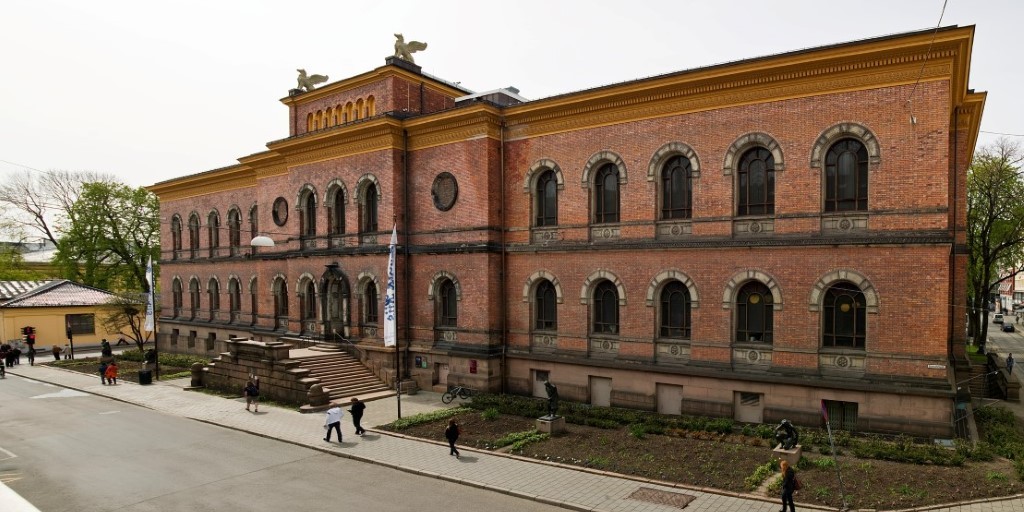
The National Museum stands as a testament to Norway’s artistic heritage—a repository not merely of artworks but of narratives woven through centuries, reflecting both the nation's soul and its engagement with the broader panorama of European culture. Established in 1842 following a parliamentary decree from 1836, it began its journey within the walls of the Royal Palace before relocating to a magnificent new building on Oslo’s waterfront in June 2022—a deliberate act signaling Norway's unwavering commitment to preserving and showcasing its artistic legacy for generations to come. This architectural marvel, conceived by Kleihues + Schuwerk, transcends mere structural design; it embodies an ethos of openness and contemplation, enhancing the experience of encountering masterpieces both familiar and newly discovered. Its expansive galleries provide a stimulating backdrop for pondering the profound power of human creativity—a space where art breathes life into history and inspires visions of the future.
-
Collection Highlights:
The Gallery’s core comprises over 3,800 artworks spanning from the Middle Ages to contemporary times, with Edvard Munch's *The Scream* reigning supreme as its most iconic emblem—a visceral depiction of existential angst that continues to resonate globally. Alongside this monumental masterpiece are treasures from European Old Masters, including paintings by El Greco, Lucas Cranach the Elder and Gaulli, offering glimpses into artistic traditions that shaped Western civilization.
-
European Art Treasures:
The Gallery’s collection showcases a remarkable diversity of styles and movements—from Impressionism to Cubism—featuring works by Monet, Renoir, Cézanne and Picasso. These artists revolutionized painting techniques and challenged conventional perceptions of beauty, leaving an indelible mark on the artistic landscape.
-
Norwegian Artistic Legacy:
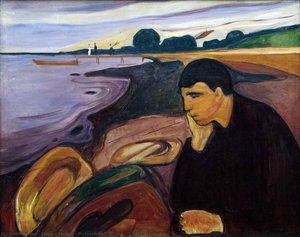
The Gallery champions Norwegian art history, presenting masterpieces by Johan Christian Claussen Dahl, Christian Krohg and Harriet Backer—artists who captured the sublime grandeur of Norway’s landscapes and imbued their canvases with profound emotional depth. These works exemplify the spirit of Romanticism and Symbolism, reflecting a deep connection to nature and an exploration of human psychology.
-
Architectural Marvel:
The building itself is a triumph of modern architecture—designed by Kleihues + Schuwerk, it prioritizes natural light and spaciousness, creating an environment conducive to artistic contemplation. Its innovative design incorporates sustainable materials and technologies, aligning with Norway’s commitment to environmental responsibility.
-
A Hub for Cultural Dialogue:
The National Museum distinguishes itself through its multifaceted approach—combining a comprehensive collection of artworks with engaging exhibitions that foster dialogue between artists and audiences. It serves as a vital center for artistic research and education, nurturing creativity and inspiring appreciation for the transformative power of art.
Additional Research:
The Gallery’s story began in 1824 when it acquired its first significant collection—the heirs of Robert Walpole's estate—a gift that propelled it to prominence among European national museums. The establishment was driven by a shared conviction that Norway needed a dedicated space for artistic expression, mirroring the ambitions of other nations like Britain and France. Recognizing the importance of fostering innovation and broadening horizons, the Gallery’s founders championed the inclusion of diverse artistic voices and perspectives—a commitment that continues to shape its identity today.
The Gallery's initial home was modest compared to later institutions—only 38 paintings from Robert Walpole’s collection were initially housed in Dulwich College, where it opened its doors in 1842. The gallery’s growth accelerated thanks to generous donations from individuals like William Henry Alexander and Francis Bourgeois—who bequeathed their art collections to the institution—and subsequent acquisitions solidified its position as a cornerstone of Norwegian cultural heritage.
The Gallery's relocation to St Martin’s Place in 1896 marked a pivotal moment—a response to growing concerns about inadequate space and illumination, fueled by the burgeoning artistic fervor of the era. The architect Sir Richard Allison oversaw the construction of the new building, prioritizing functionality and aesthetic harmony—a project that symbolized Norway's aspiration for excellence in architectural design.
The Gallery’s ongoing mission is to safeguard its collection while promoting artistic understanding—a task undertaken with unwavering dedication by directors like Jens Thiis and Sigurd Willoch—who championed innovative programming and fostered collaborations between artists and scholars. Knut Berg succeeded Willoch in 1975, followed by Tone Skedsmo in 1995 and Anniken Thue in 2001—each director oversaw a period of significant expansion and diversification of the Gallery’s activities.
The National Museum continues to evolve—embracing new technologies and engaging with contemporary audiences—a testament to its enduring relevance as a cultural institution. Its waterfront location, coupled with its world-class collection and pioneering architectural design, creates an unforgettable experience for visitors—inspiring contemplation and fostering appreciation for the transformative power of art.