Une Symphonie de Pierre et de Peinture : L'Âme de Castelvecchio
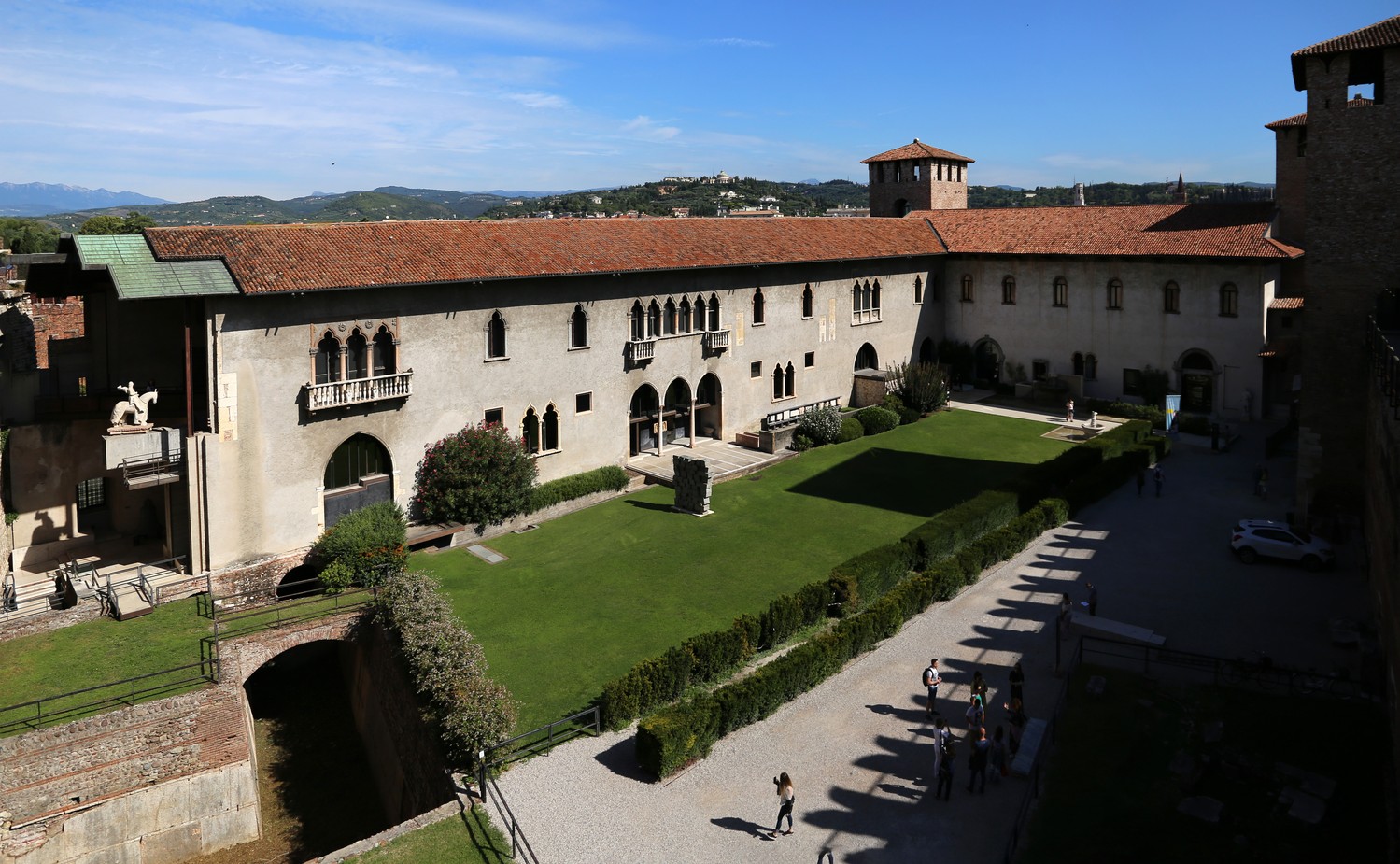
Niché au cœur des remparts médiévaux imposants du château emblématique de Vérone, le Museo Civico di Castelvecchio s'érige comme un témoignage profond de la puissance durable de la créativité humaine et de la résilience architecturale. Autrefois bastion militaire stratégique conçu par la dynastie Scaliger pour protéger leur domination au XIVe siècle, cette structure imposante a connu une métamorphose époustouflante. Elle est passée d'un rempart de guerre à un sanctuaire de paix, où les pierres défensives et massives du passé bercent désormais certains des trésors artistiques les plus délicats de l'Italie du Nord. Franchir ses portes, c'est entrer dans un dialogue vivant entre la force brute des fortifications médiévales et l'élégance raffinée de l'humanisme de la Renaissance.
L'expérience muséale est définie par une intervention architecturale révolutionnaire du légendaire Carlo Scarpa , dont la touche visionnaire a transformé le château, d'un simple dépôt en un chef-d'œuvre immersif de conception spatiale. Scarpa ne s'est pas contenté de restaurer les murs anciens ; il les a réimaginés, traitant la structure même du bâtiment comme une toile pour la lumière et la texture. En intégrant des matériaux modernes tels que le marbre poli et le plâtre texturé face à la maçonnerie médiévale érodée par le temps, il a créé un jeu sophistiqué entre l'ancien et le nouveau. Son attention méticuleuse aux détails — visible dans les portes et escaliers conçus sur mesure, ainsi que dans l'éclairage précisément positionné — fait de chaque couloir un voyage intentionnel, guidant le visiteur à travers une séquence soigneusement orchestrée d'ombres et de lumière.
Une Tapisserie de l'Évolution Artistique
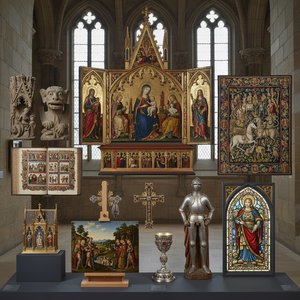
La collection elle-même est une magnifique tapisserie de l'évolution artistique de Vérone, offrant une profondeur profonde qui captive tant l'observateur occasionnel que le collectionneur chevronné. Les collections sculpturales du musée imposent un respect immédiat, présentant des chefs-d'œuvre romans tels que le Sépulcre des Saints Serge et Bacchus , qui évoquent un sentiment de piété ancienne et de solennité. À mesure que l'on s'enfonce dans les galeries, l'atmosphère bascule vers la grâce lumineuse de la Renaissance. Ici, le coup de pinceau délicat et éthéré de la Vierge à la Caille de Pisanello invite à une contemplation silencieuse, tandis que l'utilisation magistrale de la perspective dans la Sainte Famille d'Andrea Mantegna illustre les triomphes intellectuels et techniques de cette époque.
Au-delà des arts majeurs de la peinture et de la sculpture, Castelvecchio offre une exploration historique riche et multisensorielle à travers ses divers artefacts. Le musée abrite une collection évocatrice d'armements qui murmure des récits de conflits médiévaux, aux côtés de céramiques complexes et d'ouvrages d'or opulents qui reflètent le mécénat sophistiqué de la noblesse italienne. Même le paysage sonore est empreint d'histoire, car la présence de cloches anciennes résonne avec les échos du passé de Vérone. Pour les designers d'intérieur comme pour les amoureux des beaux-arts, le musée constitue une source d'inspiration inégalée, démontrant comment les textures rugueuses de l'histoire peuvent être harmonieusement mêlées à une beauté esthétique raffinée pour créer un espace à la fois intemporel et profondément émouvant.