
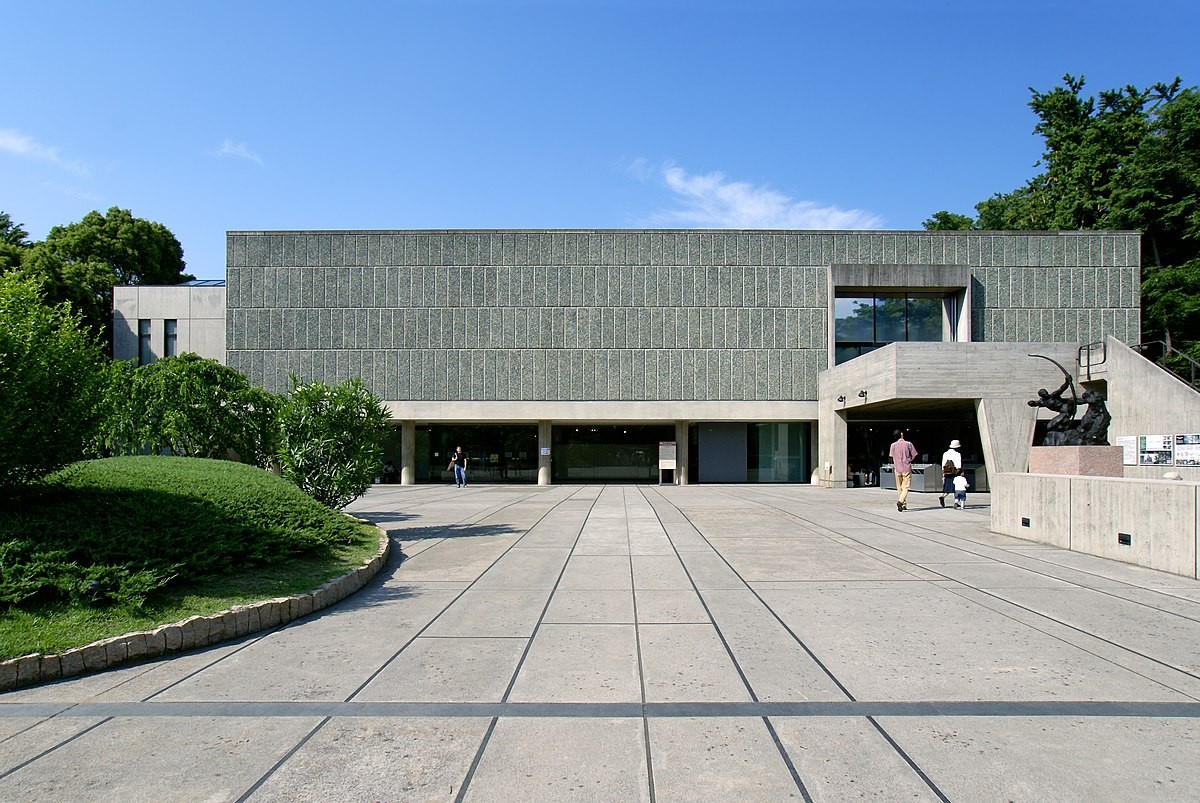
Une fenêtre sur les chefs-d'œuvre occidentaux : le Musée National d'Art Occidental
Niché dans l'étendue sereine du parc Ueno à Tokyo, le Musée National d'Art Occidental (NMWA) s'érige comme un joyau unique — un témoignage de l'engagement évolutissant du Japon envers l'art européen et une prouesse architecturale stupéfiante. Fondé en 1959, en grande partie grâce à la collection visionnaire de Kōjirō Matsukata, le musée n'a pas été simplement conçu comme un simple dépôt d'œuvres d'art ; il a été imaginé comme l'incarnation vivante de sa conviction que l'art occidental devait être accessible à tous, favorisant une compréhension plus profonde de sa signification culturelle et historique. Aujourd'hui, le NMWA propose un voyage immersif à travers des siècles d'expression artistique, de la grandeur opulente de la Renaissance aux expérimentations vibrantes du début du XXe siècle — une prouesse remarquable compte tenu de l'entrée relativement tardive du Japon dans le monde de l'art occidental.
La structure même du musée constitue un prologue captivant. Conçu par le légendaire architecte franco-suisse Le Corbusier, il est un exemple saisissant du design moderniste, une affirmation audacieuse face à l'esthétique traditionnelle japonaise. Le bâtiment lui-même — un chef-d'œuvre de béton s'élançant vers le ciel, avec son toit en porte-à-faux distinctif et ses fenêtres expansives — est considéré comme l'une des rares œuvres de Le Corbusier en Asie. Sa forme non conventionnelle attire immédiatement le regard, symbolisant une rupture délibérée avec les normes établies et reflétant l'engagement du musée à présenter un art qui transcende les frontières géographiques. La conception du bâtiment n'est pas purement décorative ; elle fait partie intégrante de l'expérience, créant une atmosphère de grandeur et de lumière qui complète parfaitement les œuvres d'art qu'il abrite.
Une collection façonnée par la vision
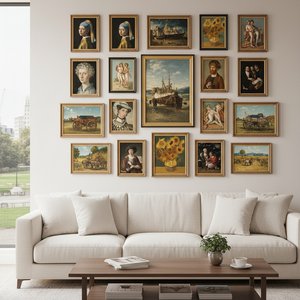
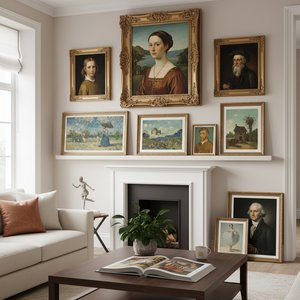
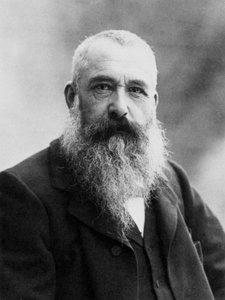
La collection du NMWA est un récit soigneusement orchestré, bâti sur l'intérêt initial de Matsukata pour l'impressionnisme et élargi par la suite grâce à des acquisitions stratégiques. Le musée possède environ 6 000 œuvres, représentant une riche tapisserie de l'art européen du XIVe au début du XXe siècle. Parmi les points forts figure un éventail impressionnant de chefs-d'œuvre de la Renaissance — les compositions dramatiques de Véronèse, l'énergie dynamique de Rubens et les paysages captivants de Bruegel — offrant un aperçu de la ferveur religieuse et des idéaux humanistes de cette époque. La collection du musée brille également par ses maîtres français tels que Delacroix, Courbet et Monet, dont les techniques révolutionnaires et les sujets ont profondément influencé les générations d'artistes suivantes. Notamment, le NMWA détient l'une des collections les plus importantes d'œuvres de Van Gogh en dehors des Pays-Bas, incluant l'emblématique « Les Tournesols », témoignage de l'attrait éternel de l'artiste.
Instants suspendus : expositions notables et dialogue artistique
Au-delà de sa collection permanente, le NMWA est réputé pour son programme d'expositions dynamique. Tout au long de l'année, le musée accueille des expositions spéciales qui rassemblent souvent des œuvres provenant de prestigieuses institutions internationales, favorisant un dialogue mondial entre artistes et publics. En 1963, le NMWA a captivé le monde de l'art avec une rétrospective sans précédent de l'œuvre de Marc Chagall, réunissant des pièces provenant de quinze pays — une entreprise audacieuse qui a consolidé la réputation du musée en tant que centre majeur de l'art occidental. Plus récemment, en janvier 2019, le musée a accueilli plus de soixante peintures de la National Gallery de Londres, dont « Les Tournesols » de Vincent van Gogh, marquant un moment significatif dans l'histoire de l'art japonais et offrant aux visiteurs une opportunité inégalée de découvrir ces chefs-d'œuvre de près. Ces expositions ne sont pas de simples présentations ; ce sont des récits soigneusement construits pour éclairer les mouvements artistiques, explorer les liens thématiques et susciter un engagement critique.
Au-delà des coups de pinceau : architecture et héritage
L'importance du NMWA s'étend bien au-delà de sa collection et de ses expositions. En tant que l'un des monuments architecturaux du XXe siècle reconnus par l'UNESCO comme faisant partie de l'œuvre architecturale de Le Corbusier, le musée s'érige en symbole de la reconstruction du Japon après-guerre et de son adhésée aux échanges culturels internationaux. Le bâtiment lui-même est une œuvre d'art — un témoignage de l'approche innovante de Le Corbusier en matière de conception et de sa croyance dans le pouvoir de l'architecture pour façonner l'expérience humaine. Le NMWA continue d'évoluer, s'adaptant aux besoins contemporains tout en restant fidèle à ses principes fondateurs : promouvoir la compréhension, l'appréciation et l'engagement critique envers l'art occidental pour les générations à venir. Il demeure une institution vitale, non seulement pour les amateurs d'art, mais aussi comme un pont entre les cultures et un phare de l'innovation artistique.