

Un voyage à travers le patrimoine artistique européen : À la découverte du Musée des Beaux-Arts d'Orléans
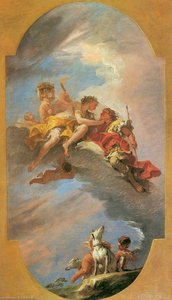
Le Musée des Beaux-Arts d’Orléans s'érige comme un témoignage de l'engagement indéfectible de la France envers l'excellence artistique, niché au cœur de la pittoresque vallée de la Loire. Fondé en 1797 dans la ferveur de la Révolution française, il représente l'un des plus anciens musées provinciaux du pays — un sanctuaire préservant des siècles d'efforts artistiques et de portée culturelle. Bien plus qu'une simple collection d'œuvres d'art, c'est une expérience immersive qui transporte les visiteurs vers les moments charnières de l'histoire de l'art européen.- Les joyaux de la collection : En son cœur repose un assemblage remarquable s'étendant du XVe au XXe siècle, principalement axé sur la peinture et la sculpture européennes. Les visiteurs y croiseront des chefs-d'œuvre de luminaires tels que le Corrège, Annibale Carracci, Guido Reni, Sebastiano Ricci, Diego Velázquez, Anthony van Dyck, Antoine Watteau, François Boucher, Hubert Robert, Eugène Delacroix (notamment son poignant « Tête de femme ») et Gustave Courbet — autant d'artistes qui ont façonné le paysage artistique de leur époque.
- Le paradis du pastel : L'accomplissement le plus célébré du musée est sans doute sa collection de pastels inégalée, la deuxième plus importante de France. Ce médium, réputé pour ses nuances délicates et ses textures éthérées, permet une démonstration magistrale de savoir-faire, offrant aux spectateurs un aperçu intime du processus créatif tout en capturant des instants fugaces avec une précision remarquable. L'influence d'artistes comme Victor François Tardieu et Charles François Jalabert se fait ressentir à travers toute cette collection.
- Élégance architecturale : Installé dans un édifice historique qui servit originellement de Palais épiscopal d’Orléans, l'architecture du musée incarne la grandeur de son passé. Son cadre serein contribue à une atmosphère propice à la contemplation et à l'appréciation de l'art — un choix délibéré conçu pour enrichir l'engagement du visiteur face aux trésors artistiques qui y sont conservés.
L'évolution du Musée des Beaux-Arts reflète le récit plus large de l'histoire culturelle française. Le mécénat initial de Jean Bardin et d'Aignan-Thomas Desfriches en a établi les fondations, suivi par des périodes de fermeture et de renouveau alimentées par les dons généreux de figures influentes comme Madame de Limay et d'artistes tels qu'Henri de Triqueti. Ces contributions ont consolidé la position du musée en tant que phare de la recherche artistique et ont favorisé un environnement où la créativité pouvait s'épanouir.
- Expositions notables : Tout au long de son histoire, le Musée des Beaux-Arts a accueilli des expositions révolutionnaires qui ont captivé les publics du monde entier. Des thèmes récurrents explorent les mouvements artistiques — de la grandeur baroque à l'idéalisme romantique — éclairant les courants intellectuels et esthétiques de chaque époque.
Ce qui distingue ce musée des autres n'est pas seulement sa taille ou son envergure, mais son dévouement inébranlable à la préservation et à la diffusion du patrimoine artistique européen. Il constitue une ressource vitale pour les chercheurs, les étudiants et quiconque souhaite plonger dans les récits captivants enchâssés dans les coups de pinceau et les formes sculptées — un lieu où la beauté transcende le temps et inspire une réflexion profonde.