A Cultural Gem in Arras: Musée des Beaux-Arts
The Musée des Beaux-Arts d’Arras stands as a testament to artistic heritage and regional identity, nestled within the magnificent Palais Saint-Vaast Abbey—a former Benedictine monastery that breathes history into its very walls. Founded in 1096, this architectural marvel now houses an extraordinary collection spanning centuries of European art, offering visitors an unforgettable journey through visual culture. Its location alone – a building steeped in monastic tradition – imbues the museum experience with a palpable sense of solemn beauty and intellectual curiosity.History & Architecture: A Baroque Embrace
The Palais Saint-Vaast’s current grandeur dates primarily from the 17th and 18th centuries, showcasing breathtaking Baroque architecture—a deliberate choice to elevate the artistic treasures housed within. Imagine soaring ceilings adorned with gilded frescoes depicting biblical scenes, vast halls illuminated by monumental chandeliers casting shimmering light upon canvases of unparalleled splendor. This architectural setting isn’t merely a backdrop; it's an active participant in shaping the visitor’s perception of art and history. The Abbey’s meticulous preservation ensures that every stone whispers tales of faith, patronage, and artistic ambition—a legacy that continues to inspire awe and contemplation today.A Collection That Speaks Across Time
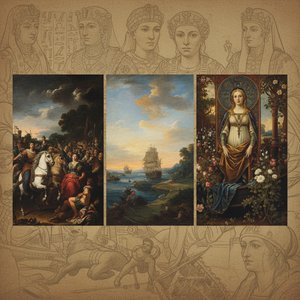
The Musée des Beaux-Arts’ core comprises a remarkable selection of Flemish paintings dominated by titans like Peter Paul Rubens, Pieter Brueghel the Younger, and Jehan Bellegambe—artists who captured the spirit of their time with unparalleled dynamism and detail. These masters employed innovative techniques – layering pigments, manipulating light, and utilizing dramatic compositions – to convey profound emotions and narratives. Alongside these Flemish luminaries are Dutch portraits from Rembrandt and Frans Hals, alongside monumental canvases from Nicolas Poussin and Claude Lorrain. Each artwork invites viewers to engage in a dialogue with the past, prompting reflection on artistic ideals and cultural values that endure across generations. The museum’s curators skillfully contextualize these masterpieces within broader historical narratives, fostering a deeper understanding of artistic movements and their impact on society.Beyond Masterpieces: Exploring French Art & Sculpture
Delacroix’s influence is palpable in the museum's collection, which includes works by Philippe de Champaigne, Charles Le Brun, Eugène Delacroix, and Jean-Baptiste Oudry—artists who wrestled with themes of Romanticism and grandeur. The Musée des Beaux-Arts also houses sculptures from medieval fragments to 16th-century polychrome wood carvings, reflecting the breadth of artistic expression throughout French history. These pieces demonstrate a remarkable mastery of form and material – marble, bronze, alabaster – conveying both solemn dignity and subtle nuance. Examining these artworks alongside their counterparts from other European nations illuminates the interconnectedness of artistic traditions and reveals shared aspirations for beauty and intellectual enlightenment.A Singular Destination: More Than Just Art
What Makes It Unique? Unlike many museums focused solely on canonical masterpieces, the Musée des Beaux-Arts d’Arras distinguishes itself by its harmonious blend of artistic grandeur and regional storytelling—creating an immersive experience that transcends mere observation. Its setting within the Palais Saint-Vaast Abbey amplifies this effect, transporting visitors back to a bygone era where art served as both decoration and reflection of faith and power. Furthermore, the museum’s commitment to showcasing lesser-known artists alongside celebrated figures ensures that its narrative remains vibrant and relevant for generations to come. It's a place where history breathes alongside artistry—a celebration of cultural heritage that inspires wonder and stimulates intellectual curiosity.- Planning Your Visit: Whether you are an avid collector or simply seeking inspiration, a visit to Musée des Beaux-Arts d’Arras promises a rewarding encounter with art history—a chance to contemplate beauty, ponder meaning, and appreciate the enduring legacy of artistic creativity.