


Un Phare de la Modernité Belge
Niché au cœur des historiques Galeries Vénitiennes d'Ostende, le Mu.ZEE s'érige comme un témoignage profond de l'évolution de l'expression visuelle belge. Depuis sa création en 2008 — issue de la fusion réfléchie entre le Provinciaal Museum voor Moderne Kunst et le Museum voor Schone Kunsten Oostende — cette institution est devenue bien plus qu'un simple conservatoire de toiles et de pierres. C'est un voyage immersif à travers l'âme belge, retraçant une lignée vibrante de créativité qui s'étend de 1880 à l'ère contemporaine. Pour l'amateur d'art ou le collectionneur averti, Mu.ZEE offre une occasion rare de ressentir le pouls de l'identité artistique d'une nation, là où les frontières entre héritage historique et innovation moderne s'estompent perpétuellement.
La collection du musée est ancrée par la présence monumentale de deux titans : James Ensor et Constant Permeke . Déambuler dans ces galeries, c'est se confronter aux profondeurs psychologiques brutes de l'expressionnisme belge. L'œuvre d'Ensor, caractérisée par ses masques troublants, son imagerie grotesque et ses critiques sociales cinglantes, ouvre une fenêtre sur un monde de décomposition magnifique et de satire mordante. En contraste, les paysages et portraits à la résonance émotionnelle de Permeke offrent un reflet puissant de la Belgique d'après-guerre, capturant l'esprit rude et l'atmosphère pesante de cette époque. Ensemble, ces maîtres instaurent un dialogue de tension et de texture qui continue de captiver ceux qui rechercheent un art parlant des complexités de la condition humaine.
Lumière Architecturale et Inspiration Côtière
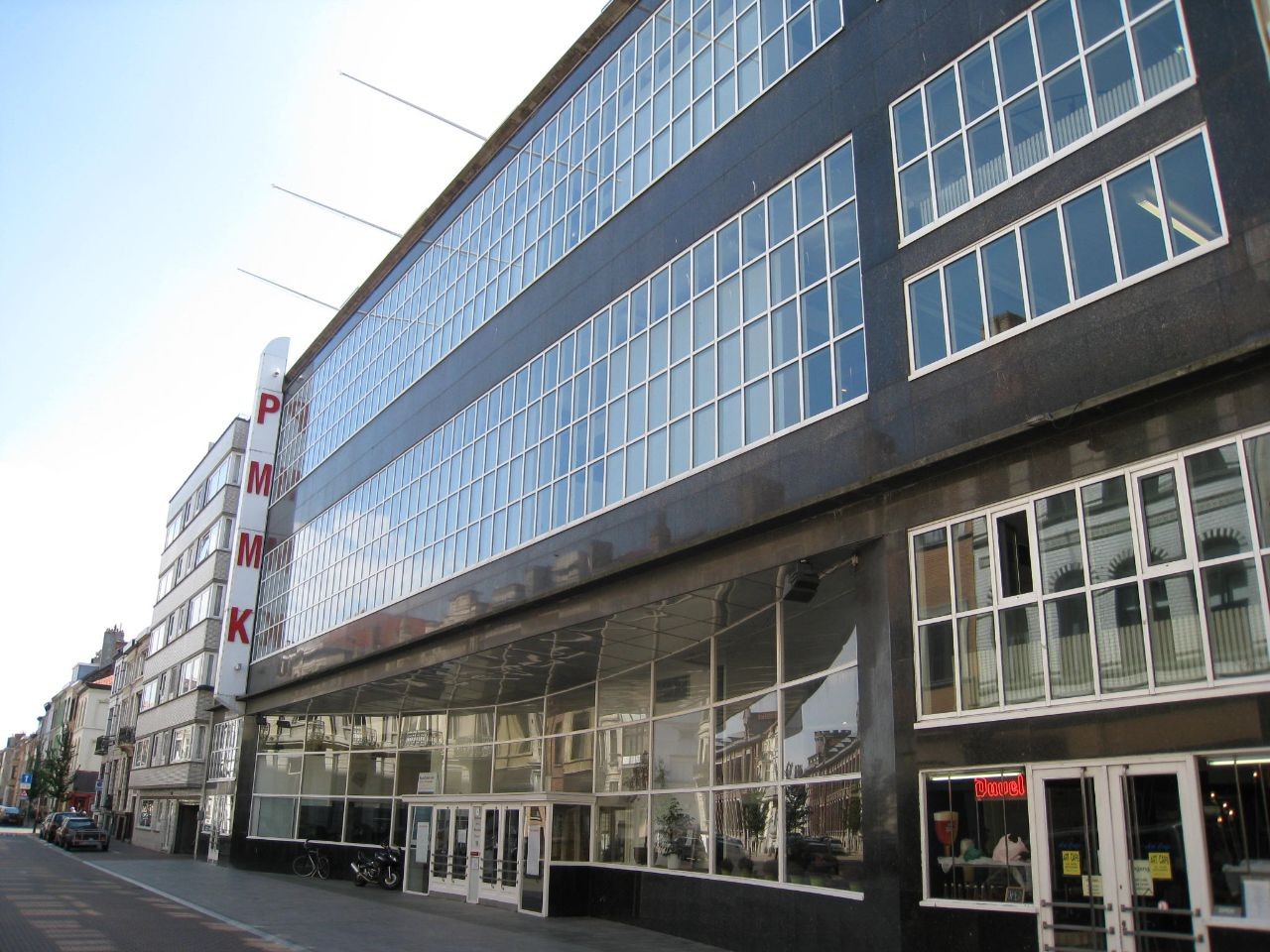
L'espace physique du Mu.ZEE fait partie intégrante de l'expérience, au même titre que les chefs-d'œuvre qu'il abrite. Conçue par Gaston Eysselinck et achevée en 1940, l'architecture du musée est un triomphe frappant du modernisme. Sa façade de verre aérienne et ses intérieurs vastes et légers sont intentionnellement conçus pour maximiser la lumière naturelle, créant un environnement lumineux qui invite à une contemplation profonde. Cette transparence architecturale sert de métaphore à la mission du musée : illuminer les récits cachés de l'histoire de l'art belge. Pour les designers d'intérieur et les amoureux de l'espace, le jeu entre l'audace structurelle du bâtiment et la lumière côtière dramatique d'Ostende procure une atmosphère d'élégance et de clarté inégalée.
Ce lien avec la mer est un thème récurrent qui imprègne la vision curatoriale du musée. Les ciels spectaculaires et les paysages marins sereins de la côte belge ont longtemps servi de muse aux artistes de la collection, et le Mu.ZEE honore ce lien géographique. Au-delà de ses icônes permanentes, le musée accueille fréquemment des expositions temporaires dynamiques qui apportent des perspectives internationales inédites à Ostende. Des nuances délicates de l'impressionnisme aux paysages oniriques du surréalisme qui défient notre perception de la réalité, ces vitrines rotatives garantissent que le musée demeure une entité vivante et vibrante — un lieu où le passé est constamment réinterprété à travers le prisme du présent.
En fin de compte, Mu.ZEE propose un focus sans compromis sur la créativité belge, en faisant une destination singulière dans le paysage artistique mondial. C'est un sanctuaire pour ceux qui trouvent la beauté dans l'unconventional et le sens dans le profond. Que vous soyez attiré par le poids historique des visions d'Ensor ou par la grâce architecturale des Galeries Vénitiennes, une visite au Mu.ZEE promet une rencontre avec un héritage durable qui continue de façonner le récit culturel de l'Europe.


