Un joyau de l'Ayrshire : L'héritage vivant du Dick Institute
Niché au cœur des paysages verdoyants et soignés de Kilmarnock, le Dick Institute s'érige comme un témoignage profond de l'ambition victorienne et de la puissance durable de la philanthropie culturelle. Fondé grâce à la générosité visionnaire de James Dick, cette merveille architecturale n'a pas été conçue comme un simple dépôt d'objets, mais comme un véritable phare de l'éveil intellectuel. Franchir ses portes, c'est pénétrer dans un espace où l'histoire, la science et les beaux-arts convergent en un dialogue harmonieux. Le bâtiment lui-même, prouesse époustouflante du design néoclassique, impose le respect par ses proportions majestueuses et sa présence grandiose, incarnant le progrès et le raffinement d'une époque qui cherchait à élever l'esprit humain par le partage des connaissances.
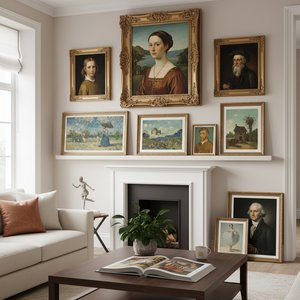
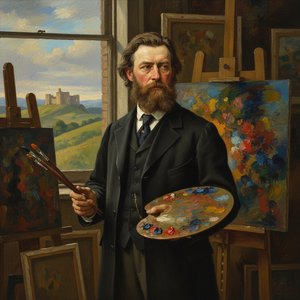
L'âme de l'Institut réside dans la remarquable diversité de ses collections, qui entrelacent les fils complexes de l'identité écossaise et des merveilles de la nature. Pour l'amateur d'art, les galeries offrent un voyage poignant à travers le patrimoine local et national, présentant des chefs-d'œuvre évocateurs d'artistes écossais de renom tels que David Octavius Hill et James Mackay . Leurs œuvres, particulièrement celles capturant l'essence historique de Kilmormock Cross, possèdent une beauté envoûtante qui résonne avec l'esprit même de la terre. Pourtant, le génie de cette institution réside dans son refus d'être confinée à une seule discipline ; la collection de sciences naturelles insuffle la vie aux salles grâce à une panoplie de fossiles, de minéraux et de spécimens naturalisés, créant une riche tapisserie où l'évolution de la biologie rencontre l'élégance de la créativité humaine.
Un sanctuaire de résilience et de vitalité contemporaine
L'histoire de cette institution est celle d'une résilience remarquable, marquée par un incendie dramatique lors de ses premières années qui menaça d'effacer une grande partie de ses trésors naissants. Cependant, la détermination de la communauté et du personnel — dont l'acte héroïque consistant à tout risquer pour sauver des peintures précieuses des flammes est resté célèbre — a permis une reconstruction triomphale. Cet esprit d'endurance fut mis à l'épreuve lors de la Première Guerre mondiale, lorsque le bâtiment devint un hôpital auxiliaire, servant de refuge et de lieu de soins au milieu du tumulte mondial. Aujourd'hui, grâce à une préservation méticuleuse et une rénovation réfléchie, le Dick Institute demeure un pôle vibrant et accessible où chaque visiteur peut découvrir un fragment de l'histoire éternelle de l'Écosse.
Au-delà de ses trésors permanents, l'Institut s'est forgé une réputation prestigieuse en tant que "plus belle galerie municipale d'Écosse" , un titre justifié par son programme d'expositions ambitieux qui repousse sans cesse les limites. C'est un lieu qui bat au rythme de la contemporanéité, accueillant fréquemment d'importantes expositions itinérantes qui apportent une dimension internationale au cœur de l'Ayrshire. Le musée sert de scène vitale tant pour les voix émergentes que pour les légendes établies, mettant en lumière une gamme impressionnante d'artistes, d'écrivains et d'illustrateurs célèbres. Parmi les moments forts, on peut noter :
- Les illustrations fantaisistes de Quentin Blake
- Les paysages numériques profonds et immersifs de Bill Viola
- Des expositions captivantes telles que celles de Wallace et Gromit
- Des explorations du Pop Art en imprimerie et des œuvres de Gerhard Richter
Cet engagement envers le dynamisme garantit que l'Institut demeure une pierre angulaire pour les designers d'intérieur en quête d'inspiration et pour les collectionneurs attirés par l'intersection entre tradition et innovation, en faisant une destination essentielle pour quiconque est touché par la connexion profonde entre l'art, l'histoire et la communauté.