

Sommaire
Informations clés
- Featured artists: Marc Nattier
- Works on APS: 1
- Alternate names:
- Musée de la Cour dOr - Metz Métropole
- la Cour Dor
- Museum of La Cour dOr - Metz Métropole
- La Cour Dor
- Musée de Metz
- Location: Metz, France
Quiz d'art
Chaque question ne comporte qu'une seule réponse correcte.
Question 1:
Quel est le bâtiment phare de La Cour D'or qui témoigne de l’architecture romane ?
Question 2:
La Cour D'or présente une collection remarquable comprenant des vestiges thermaux gallo-romains découverts lors des agrandissements du musée. Quel est le style architectural dominant de cette période ?
Question 3:
La Cour D'or célèbre notamment les œuvres d'Emile Friant, un artiste lorrain reconnu pour sa maîtrise de la peinture à l’huile et son interprétation des paysages locaux. Quel mouvement artistique est associé à cette œuvre ?
Question 4:
La Cour D'or offre une expérience immersive qui permet aux visiteurs de retracer l'évolution de Metz depuis les vestiges romains jusqu'à son statut de centre médiéval et au-delà. Quel est le résultat de cette approche historique ?
Question 5:
La Cour D'or abrite une magnifique collection de sculptures médiévales, notamment une remarquable église contenant une œuvre exceptionnelle représentant Saint Jude Thaddeus. Quel mouvement artistique est représenté par cette sculpture ?
Artistes de la collection

Marc Nattier
Découvrez Jean-Marc Nattier (1685-1766), maître français du Rococo ! Portraits élégants, scènes mythologiques & héritage artistique sur OriginalUniqueArt.

Articles connexes
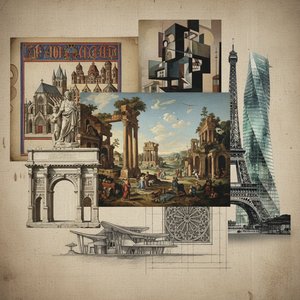
The Enduring Legacy of Architecture in Art: A Historical Survey of Representation & Meaning
Explore the rich history of architecture in art, from Renaissance theory to 19th-century reconstructions. Discover key artists & movements shaping visual representation – a guide for discerning collectors.

Myles Birket Foster: Nostalgia, Narrative & the Victorian Pastoral Tradition
Explore the captivating world of Myles Birket Foster, Victorian watercolorist renowned for idyllic rural scenes. Discover his sentimental landscapes, narrative detail & lasting artistic legacy. Learn more at OriginalUniqueArt.
La Reproduction Artistique : Un Héritage Continu et une Nouvelle Ère de Création
Découvrez : reproductions d'art de qualité musée, réalisées par des artistes experts. Peintures à l'huile personnalisées et impressions sur toile pour sublimer votre intérieur.


Abonnez-vous à notre newsletter
Restez informé(e) des dernières actualités artistiques, des offres exclusives et des idées de décoration.
Recevez 3 suggestions d'œuvres d'art gratuites
Parlez-nous de votre projet et nos experts en art vous proposeront 3 suggestions d'œuvres personnalisées.
Not Sure Where to Start?
Let Us Curate 3 Options Just for You - Free!