Un Sanctuaire où l'Art Respire
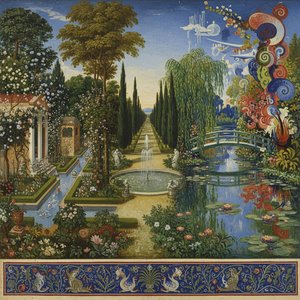
Niché au cœur des paysages verdoyants et vallonnés de Brumadinho, au Brésil, se trouve l' Instituto Inhotim —un lieu unique au monde. Bien plus qu'un simple musée ou un jardin botanique, il s'agit d'une expérience immersive, une convergence harmonieuse entre l'art contemporain et la nature qui bouscule les perceptions et éveille les sens. Fondée en 200'4 par Bernardo Paz, l'institution est née d'une réponse passionnée à la menace imminente du développement urbain ; Paz cherchait à préserver la beauté naturelle époustouflante de la région tout en offrant simultanément une scène mondiale à la créativité. Ce qui n'était au départ qu'une vision ambitieuse — transformer un ranch de bétail en un havre d'expression artistique — s'est épanoui en un sanctuaire de renommée internationale où les frontières entre l'œuvre humaine et l'organique se dissolvent dans une réalité singulière et saisissante.
L'expérience d'Inhotim se définit par son immensité autant que par son intimité. S'étendant sur plus de 2 000 hectares, le jardin botanique s'offre comme un chef-d'œuvre vivant de conception écologique. Conçus par le légendaire paysagiste Roberto Burle Marx , les jardins arborent une collection étonnante d'espèces végétales brésiliennes et internationales, dont beaucoup sont rares ou même menacées. En déambulant à travers cette étendue luxuriante, les visiteurs rencontrent un art qui ne se contente pas de reposer sur la terre, mais qui semble en émerger. L'architecture du musée défie les normes conventionnelles ; les galeries ne sont pas imposées au paysage, mais semblent surgir organiquement du sol. Conçues par des architectes visionnaires tels que Selva Henrique Coutiente et João Paulo Oliveira Silva, ces structures complètent et subliment leur environnement naturel, créant un dialogue entre la précision géométrique et le feuillage sauvage et indompté.
Un Dialogue entre Forme et Nature
La collection d'Inhotim est une célébration profonde des médiums artistiques contemporains, offrant une gamme diversifiée de sculptures, d'installations, de photographies et de vidéos mettant en scène des artistes du monde entier. C'est un lieu où l'on peut découvrir les structures miroirs envoûtantes de Yayoi Kusama , reflétant la canopée dense de la jungle, ou s'immerger dans les mondes interactifs et participatifs d' Hélio Oiticica . Chaque œuvre est pensée pour interagir avec son environnement, faisant du paysage un participant actif de l'œuvre elle-même. Cette intégration unique fait d'Inhotim un lieu de pèlerinage pour les collectionneurs et les designers en quête d'inspiration dans la manière dont la lumière, l'ombre et la texture fusionnent au sein d'un écosystème vivant.
Au-delà de la collection permanente, l'institut accueille régulièrement des expositions révolutionnaires qui explorent des enjeux sociaux et environnementaux pressants. Des expositions récentes ont abordé des thèmes allant de la complexité du changement climatique à la riche culture des peuples autochtones, captivant le public et encourageant une réflexion critique sur notre avenir mondial. Même face à la tragédie — comme la catastrophe dévastatrice du barrage de Brumadinho en 2019 — Inhotim a fait preuve d'une résilience remarquable. L'institution continue de servir de phare d'espoir et de créativité pour la communauté, prouvant que la beauté et l'innovation peuvent coexister, même au service de la protection de la précieuse biodiversité de notre planète. Pour l'amateur d'art, Inhotim n'est pas seulement un lieu d'observation ; c'est une invitation à l'errance, à la contemplation, et à se laisser transporter par la beauté profonde d'un monde où l'art et la nature sont éternellement entrelacés.