Une toile singulière du temps : là où les échos romains rencontrent la grandeur victorienne
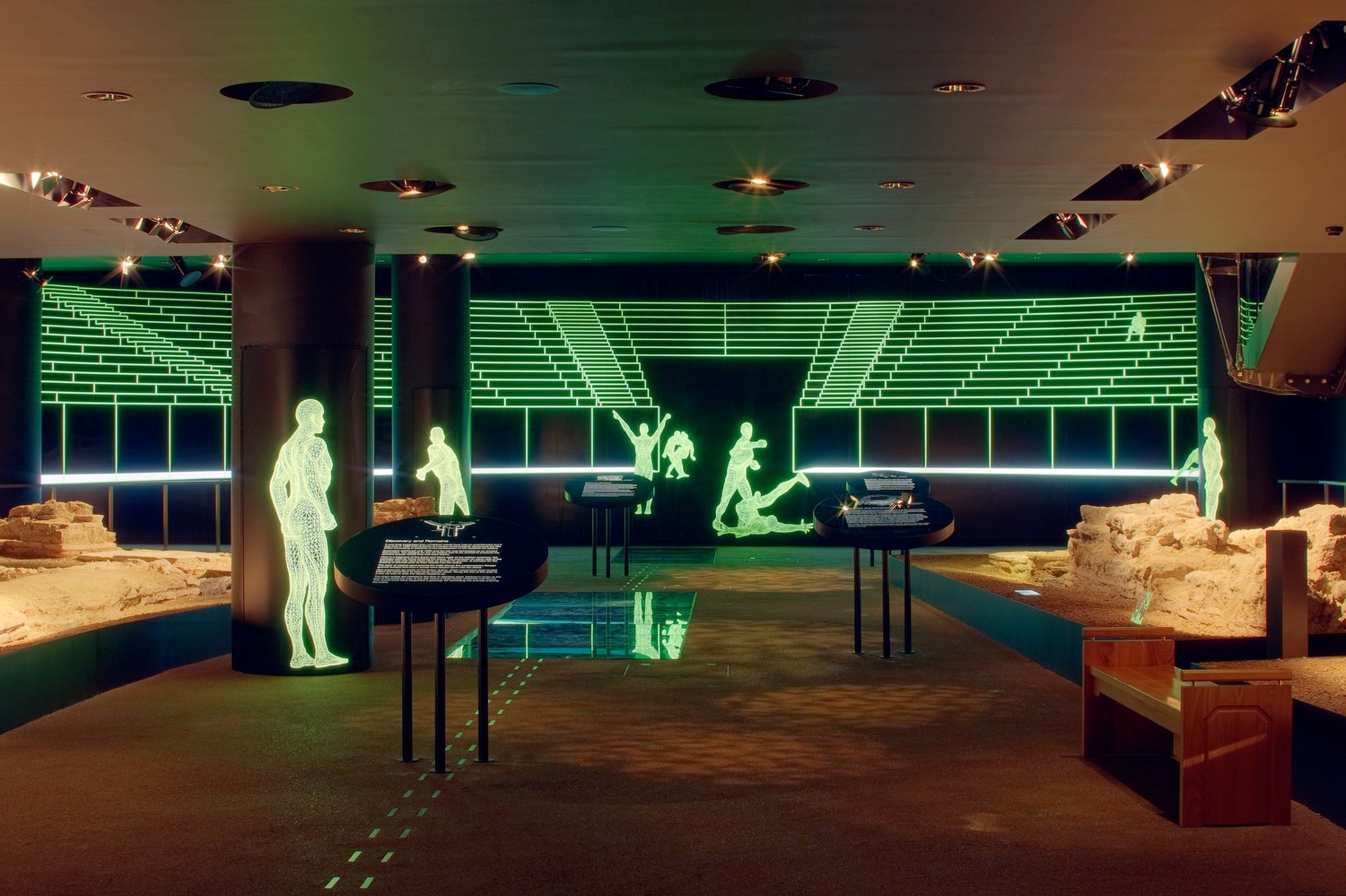
Franchir le seuil de la Guildhall Art Gallery - London's Roman Amphitheatre , c'est s'engager dans un dialogue profond entre les fondations antiques de Londres et les fioritures opulentes de l'ère victorienne. Nichée au cœur vénérable de la City de Londres, cette institution offre bien plus qu'une simple exposition de toiles ; elle propose un voyage immersif à travers les strates de l'histoire britannique. L'architecture même de la galerie agit comme un narrateur silencieux, là où le design moderne et postmoderne de Richard Gilbert Scott rencontre les vestiges tangibles du passé. Plus frappant encore, le site est édifié sur les ruines excavées du plus grand amphithéâtre romain de Londres, découvert en 1988. Tandis que les visiteurs déambulent dans la cour, les marquages subtils sur le pavage tracent le contour de cette arène antique, permettant de ressentir le pouls d'un établissement romain sous les pieds d'une métropole contemporaine.
L'architecture elle-même est une leçon magistrale de synthèse historique. Le bâtiment est construit dans un style semi-gothique en pierre, conçu pour s'harmoniser avec l'historique Guildhall, adjacent et relié intérieurement. Cette harmonie structurelle permet une transition fluide entre la merveille archéologique des vestiges romains — dont certains sont exposés in situ dans une salle au sous-sol — et les espaces artistiques sophistiqués situés en étage. Pour l'amateur d'architecture ou le designer d'intérieur, la manière dont le design moderne berce ces fragments anciens offre une leçon rare sur l'intégration du patrimoine à l'élégance contemporaine.
L'âme de la collection : maîtrise victorienne et profondeur narrative
Le cœur de la collection réside dans son magnifique assemblage de peintures victoriennes, une période caractérisée par une ambition artistique et une transformation sociale sans précédent. Ces œuvres servent de fenêtres lumineuses sur un âge révolu, capturant avec un détail méticuleux l'énergie rythmique du paysage urbain en pleine mutation à Londres. Les collectionneurs et passionnés d'art se laisseront captiver par les scènes nocturnes atmosphériques d'artistes tels que John Atkinson Grimshaw , dont la maîtrise de l'ombre et de la lumière évoque un sentiment de mystère romantique. Aux côtés de ces œuvres, celles d' Albert Brumley offrent un aperçu de la théâtralité et du progrès industriel de l'époque, dépeignant l'élégance aristocratique et la vitalité bourdonnante de la vie londonienne.
La collection est enrichie par d'importants legs historiques qui ont façonné son caractère, notamment le don de 1902 de Charles Gassiot , qui a apporté plus d'une centaine de tableaux à la galerie. Cet afflux a renforcé les collections avec des œuvres de maîtres tels que :
- John Singleton Copley , dont la peinture monumentale représentant La défaite des batteries flottantes à Gibraltar impose le respect dans le hall d'entrée ;
- John Everett Millais , figure centrale du mouvement préraphaélite ;
- James Tissot , célèbre pour ses représentations exquises de la vie sociale ;
- Clarkson Stanfield et David Roberts , dont les œuvres contribuent au riche récit historique et paysager de la galerie.
Au-delà de ses trésors permanents, l'institution se distingue par son engagement à dévoiler les récits cachés de l'art britannique. À travers des expositions telles que « London Landscapes », la galerie célèbre la résilience et l'évolution esthétique de la ville. Ce dévouement à l'engagement éducatif — par le biais de conférences enrichissantes et de visites interactives — favorise une connexion intellectuelle profonde entre le public et les chefs-d'œuvre exposés. Elle demeure un lieu où le poids de l'histoire romaine sert de fondation aux coups de pinceau délicats des maîtres victoriens, créant un cycle continu de culture, de mémoire et de triomphe artistique.