

Sommaire
Informations clés
- Art types:
- art mural
- autres techniques
- Mediums:
- acrylique sur toile
- estampe sur bois
- Featured artists:
- Katsushika Hokusai
- hiroshige i, utagawa & kiemon, tsuruya
- Utagawa Hiroshige, Andō Tokutarō, Ichiyusai, Utashige, Ichiyōsai
- utagawa toyokuni i
- utagawa yoshikazu
- Movements: ukiyo-e
- Plus…
- Works on APS: 67
- Location: Bujalance, Espagne
- Historical periods:
- bas moyen âge
- xixe siècle
- Alternate names:
- Collection Bujalance
- Colección Bujalance
Quiz d'art
Chaque question ne comporte qu'une seule réponse correcte.
Question 1:
Quel est le domaine artistique principal auquel la collection de Bujalance est dédiée ?
Question 2:
La collection présente notamment des œuvres réalisées avec quelle technique d'impression ?
Question 3:
La collection de Bujalance contribue à comprendre la culture visuelle contemporaine en mettant en lumière...
Question 4:
Notre Dame de Bujalance est remarquable pour son style architectural ?
Question 5:
La collection offre une perspective unique en se concentrant sur...
Artistes de la collection

Katsushika Hokusai
Explorez l'univers de Katsushika Hokusai (1760-1849), maître incontesté de l'ukiyo-e ! Découvrez 'La Grande Vague', ses paysages emblématiques et son influence sur l'Impressionnisme. Un art japonais intemporel !


Hiroshige I, Utagawa & Kiemon
Explore les paysages emblématiques de Hiroshige I (1797-1858), maître japonais de l’ukiyo-e ! Ses séries célèbres comme « Les Cinquante-trois stations du Tôkaidô » et ses vues captivantes de Edo fascinent encore aujourd'hui. Découvrez son héritage artistique et son influence sur les peintres occidentaux.

Utagawa Hiroshige
Découvrez Utagawa Hiroshige (1797-1858), dernier grand maître de l'ukiyo-e. Explorez ses paysages iconiques comme les « Cinquante-trois stations du Tōkaidō », son style poétique et son influence sur l'impressionnisme et Van Gogh.
Articles connexes

Evoking Nature's Sublime: A Comprehensive Exploration of 19th-Century Landscape Painting
Explore the captivating world of 19th-century landscape painting! Discover renowned artists like Friedrich & Monet, key movements, and find the perfect artwork to bring nature's serenity into your home. Expert insights at OriginalUniqueArt.
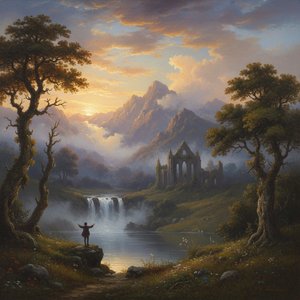
Evoking Emotion & Transcendence: Romantic Landscape Painting (18th-19th Century)
Explore the emotional depth of Romantic landscape painting (18th-19th century). Discover key artists like Friedrich & Cole, and the concepts of the sublime. Expert insights for art lovers & collectors.
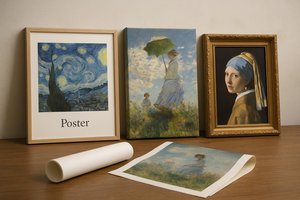
F.A.Q. : Impressions Poster – Durabilité, Comparaison avec les Toiles et Tailles Disponibles
F.A.Q. : Découvrez la durabilité des impressions poster, comparez avec les toiles et huiles, et trouvez la taille idéale. Conseils d'experts pour collectionneurs exigeants.
Collection d'œuvres d'art
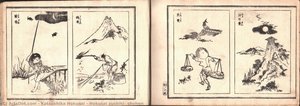
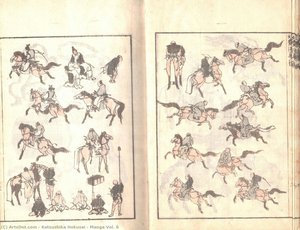

hiroshige i, utagawa & kiemon, tsuruya
Les cinquante-trois stations du Tōkaidō par deux pinceaux, station 51


Abonnez-vous à notre newsletter
Restez informé(e) des dernières actualités artistiques, des offres exclusives et des idées de décoration.
Recevez 3 suggestions d'œuvres d'art gratuites
Parlez-nous de votre projet et nos experts en art vous proposeront 3 suggestions d'œuvres personnalisées.
Not Sure Where to Start?
Let Us Curate 3 Options Just for You - Free!