
 Envoyer
 Partager
 Détails de l'œuvre

 Télécharger
 Articles similaires
 Diaporama
 Statistiques
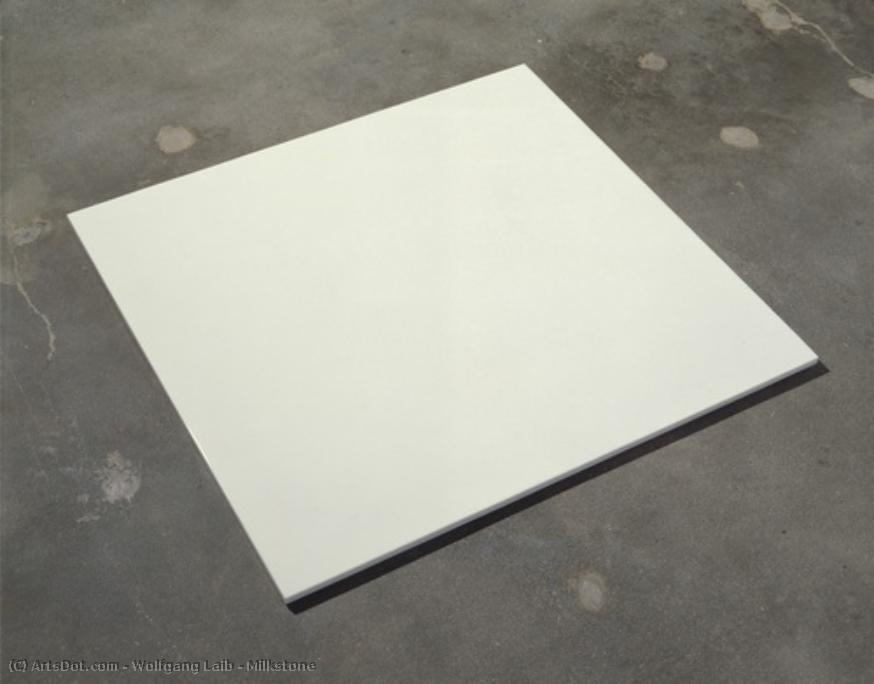
Milkstone


 Lire la suite
Giclées et impressions d'art
Impressions giclées ou sur toile de qualité musée, avec une production rapide et des finitions au choix. ( Commander la reproduction peinte à la main Passer à l'image numérique)




































Choisissez parmi nos formats prédéfinis qui respectent les proportions originales de l’œuvre.

Vous pouvez saisir vos propres dimensions pour vous adapter à un cadre ou à un espace spécifique. Si la taille sélectionnée ne correspond pas aux proportions de l'image originale, nous recadrerons l'œuvre ou étendrons l'image avec une bordure en miroir ou une couleur unie. Une maquette numérique vous sera envoyée pour approbation avant le début de la production.
Veuillez noter que l'aperçu à l'écran ne reflète pas le recadrage ou l'extension réelle. Seule la maquette montrera avec précision la composition finale.
Bien que des tailles personnalisées soient disponibles, nous vous recommandons de choisir une dimension dans la liste prédéfinie afin de préserver les proportions originales.
Livraison dans le monde entier () en 2 semaines au lieu des 4/5 semaines habituelles. (10 septembre)

Livraison express gratuite dans le monde entier

Toile de lin de haute qualité

Assurance transport complète

Garantie de remboursement des droits de douane

Garantie de fidélité des couleurs

Garantie de retour de 100 jours (uniquement en cas de défaut)

Garantie de remboursement à 100%

Tarifs dégressifs sur quantité
 L'option verre n'est disponible que pour les dimensions inférieures à 110 cm.

Milkstone
Giclées et impressions d'art
Format de la reproduction
-


Prix total final
$ 80
Wolfgang Laib’s “Milkstone”: A Meditation on Materiality and Silence
“Milkstone,” created in 1987 by Wolfgang Laib, stands as a testament to the artist's unwavering commitment to minimalist aesthetics and profound contemplation of natural phenomena. This sculptural installation—a photograph capturing a solidified block of milk—immediately commands attention with its stark simplicity against a dark backdrop, inviting viewers into an exploration of form, texture, and subtle symbolic resonance. ### Conceptual Foundations & Influences Laib’s artistic sensibilities were deeply rooted in Taoist philosophy and Zen Buddhism, disciplines that championed stillness, observation, and the acceptance of inherent beauty within the natural world. These principles permeate his oeuvre, guiding him to prioritize fundamental elements—like the material itself—over elaborate ornamentation or representational imagery. Documenta 7 and Documenta 8, pivotal exhibitions marking Laib’s artistic breakthrough, solidified his position as a leading voice in Conceptual Art, demonstrating his ability to communicate complex ideas through deceptively simple visual forms. ### The Sculpture Itself: Form & Technique The “Milkstone” is constructed from solidified milk—a process meticulously controlled to achieve structural integrity while preserving the organic essence of its constituent material. Laib’s technique involves careful manipulation of temperature and humidity, transforming liquid into a crystalline solid that retains traces of its original state. The resulting block possesses a subtly granular surface texture, contrasting with the polished darkness of the floor beneath it—a deliberate juxtaposition designed to heighten visual perception and underscore the artwork's materiality. Its geometric form – a rectangular prism – embodies Laib’s fascination with precise lines and balanced proportions, reflecting the core tenets of Zen geometry. ### Symbolism & Emotional Resonance Beyond its formal qualities, “Milkstone” carries significant symbolic weight. Milk, universally recognized as nourishment and purity, evokes associations with infancy, vulnerability, and the regenerative power of nature. Laib’s work invites viewers to pause, consider, and contemplate these concepts—promoting a meditative experience that transcends mere visual appreciation. The piece speaks to an unspoken yearning for serenity and harmony, mirroring the artist's own quiet existence in rural Germany and his dedication to capturing moments of profound beauty. ### Context & Legacy “Milkstone” exemplifies Laib’s enduring contribution to Contemporary Art. Its minimalist aesthetic—characterized by its rejection of superfluous embellishments—resonates powerfully with the broader artistic movement of the 1980s, which sought to challenge conventional notions of representation and explore alternative modes of expression. Today, reproductions of “Milkstone” grace homes and galleries worldwide, serving as reminders of Laib’s unwavering belief in the transformative potential of art – a celebration of silence, geometry, and the enduring beauty of elemental materials.Biographie de l'artiste
Le Sculpteur du Silence et de l'Essence Élémentaire
Né à Metzingen, en Allemagne, en 1950, Wolfgang Laib a cultivé une pratique artistique qui transcende les frontières de la sculpture traditionnelle pour s'aventurer dans le domaine de l'expérience pure et méditative. Son œuvre ne se contente pas d'occuper l'espace ; elle respire au rythme du monde naturel. Installé dans un village tranquille du sud de l'Allemagne tout en maintenant des ateliers à New York et dans le sud de l'Inde, la vie de Laib est un témoignage de la quête de l'immobilité. Cette dualité géographique unique — où la précision structurée de l'Europe rencontre la profondeur spirituelle de l'Inde — façonne une esthétique qui cherche à trouver l'éternel au cœur de l'éphémère.
Le parcours artistique de Laib a été profondément marqué par son immersion précoce dans les philosophies du taoïsme et du bouddhisme zen. Ces traditions ancestrales lui ont offert un prisme pour contempler l'univers, mettant l'accent sur la simplicité, la beauté des formes naturelles et le pouvoir profond du vide. Plutôt que d'imposer une volonté humaine à ses matériaux, Laib recherche un état d'harmonie où l'artiste agit comme un facilitateur des qualités inhérentes de la terre elle-même. Ce fondement spirituel est manifeste dans chaque grain de pollen méticuleusement déposé et dans chaque goutte de lait qui vient orner ses œuvres monumentales.
Matérialité et Poésie de la Nature
La marque de fabrique de l'œuvre de Laib réside dans son utilisation radicale de matériaux élémentaires et organiques qui défient la permanence conventionnelle de la sculpture. Il est sans doute le plus célèbre pour ses pierres de lait — des blocs monumentaux de marbre blanc servant de toile à une unique et délicate goutte de lait. Dans ces pièces, le poids froid et durable de la pierre rencontre l'essence fragile et vitale du liquide, créant une juxtaposition évocatrice de pureté et de vulnérabilité. Ce jeu subtil devient une méditation sur la nutrition, le renouveau et l'équilibre délicat de l'existence.
Au-delà du marbre, l'usage du pollen par Laib est devenu l'une des expressions les plus emblématiques du Land Art contemporain. En collectant de vastes quantités de pollen pour les disposer en champs géométriques précis, il crée des installations qui semblent à la fois cosmiques et profondément terrestres. Ces surfaces dorées et veloutées possèdent une qualité lumineuse qui semble vibrer de vie. Un moment décisif de sa carrière fut la présentation de son installation colossale de pollen au Museum of Modern Art (MoMA) en 2013, une prouesse qui a démontré sa capacité à transformer le "white cube" d'un musée en un paysage sacré et respirant.
Héritage et Reconnaissance Mondiale
La contribution de Laib au canon de l'art contemporain se distingue par sa capacité à jeter un pont entre le physique et le métaphysique. Sa participation aux prestigieuses Documenta 7 (1982) et Documenta 8 (1987) l'a établi comme une figure pivot du mouvement Land Art allemand, prouvant que la sculpture ne se trouve pas seulement dans les interventions terrestres, mais dans les substances mêmes de la vie. Son travail a été reconnu sur les plus hautes scènes internationales, notamment lorsqu'il a représenté l'Allemagne à la Biennale de Venise.
L'importance historique de Wolfgang Laib réside dans son refus de participer au tumulte de l'ère moderne, choisissant plutôt de porter haut un minimalisme calme et profond. Pour ses immenses contributions aux arts, il a été honoré du Praemium Imperiale, l'une des distinctions les plus prestigieuses du monde de l'art. Son héritage continue d'inspirer ceux qui cherchent un sens dans les textures subtiles du monde naturel, nous rappelant que la véritable grandeur réside souvent dans les gestes les plus délicats et les plus silencieux.

Wolfgang Laib
1950 - , Allemagne
En bref
- Artistic Movement Or Style: Minimalist Sculpture
- Date Of Birth: 1950
- Full Name: Wolfgang Laib
- Nationality: German
- Notable Artworks:
- Untitled
- A Wax Room for a Mountain
- Place Of Birth: Metzingen, Germany
Articles similaires

Les 10 Chefs-d'œuvre Bronzes Qui Ont Révolutionné la Sculpture | OriginalUniqueArt
Plongez dans l'univers fascinant des 10 sculptures en bronze les plus emblématiques de l'histoire de l'art. Rodin, Degas et autres maîtres révélés ! Découvrez leur histoire, leurs techniques et trouvez l'œuvre parfaite pour sublimer votre intérieur sur OriginalUniqueArt.com.

Blancs Sublimes : Les 10 Chefs-d'œuvre de la Peinture Révélés par
Plongez dans l'univers fascinant des 10 plus beaux tableaux blancs de l'histoire de l'art ! Découvrez Monet, Whistler, Kandinsky et d'autres maîtres. Inspirez votre décoration intérieure avec : reproductions de qualité muséale en ligne.

Minimalisme en Art : Top 10 des Œuvres Essentielles à Redécouvrir | OriginalUniqueArt.com
Plongez dans le monde serein du minimalisme avec notre sélection des 10 œuvres d'art les plus emblématiques. Découvrez l'histoire de Mondrian, Malevich et Rothko. Reproductions haute qualité sur OriginalUniqueArt.com – Inspirez votre décoration intérieure !

Kandinsky : Les 25 Œuvres Maîtresses d'un Pionnier de l'Art Abstrait | OriginalUniqueArt
Plongez dans l'univers vibrant de Kandinsky ! Découvrez les 25 œuvres majeures du pionnier de l'art abstrait. Explorez son expressionnisme, ses couleurs audacieuses et l'histoire fascinante derrière chaque tableau. Reproductions d'exception sur OriginalUniqueArt.com.

Expressionnisme Abstrait : Les 10 Chefs-d'Œuvre Incontournables pour Décorer avec Art et Histoire
Plongez au cœur de l'Expressionnisme Abstrait avec ! Découvrez les 10 œuvres majeures de Pollock, Rothko et De Kooning. Histoire, techniques & inspiration déco. Explorez la collection complète en ligne.