

 Aperçu en situation
 Partager
 Partager
 Détails
 Guide imprimable

 Télécharger
 Articles similaires
 Radiographie
 Voir le diaporama
 Statistiques
The Fallen Trapper


 Afficher la suite
Giclées et impressions d'art
Impressions giclées ou sur toile de qualité musée, avec une production rapide et des finitions au choix. ( Acheter la peinture faite à la main Passer au format image numérique)




P118B €10

P118H €10

P118W €10

P438Z €10

P508JH €12

P508YH €12

P805H €10

P805Z €10

P919BZ €10

P919G €10

P919XJ €10

P959ZH €10

P968JZ €12

W106C €8

W218G €10

W218JH €8

W218Y €10

W307PJ €10

W316G €10

W316PJ €8

W316Y €10

W398PJ €8

W4111J €10

W500HY €15

W500JH €15

W692G €12

W849H €8

W940BG €15

W953PJ €8




Choisissez parmi nos formats prédéfinis qui respectent les proportions originales de l’œuvre.

Saisissez la largeur et la hauteur souhaitées pour qu'elles s'adaptent à votre cadre ou à votre mur. Une impression ne peut être que découpée, elle ne peut jamais être agrandie au-delà de l'image originale ; ainsi, un format de forme différente entraînera la perte d'une partie de l'image. Nous vous envoyons une maquette numérique pour approbation avant toute impression. L'image présentée sur cette page ne montre pas le recadrage réel — seule la maquette le permet.
Livraison dans le monde entier () en 2 semaines au lieu des 4/5 semaines habituelles. (24 octobre)

Livraison express gratuite dans le monde entier

Toile de lin de haute qualité

Assurance transport complète

Garantie de remboursement des droits de douane

Garantie de fidélité des couleurs

Garantie de retour de 100 jours (uniquement en cas de défaut)

Garantie de remboursement à 100%

Tarifs dégressifs sur quantité
 L'option verre n'est disponible que pour les dimensions inférieures à 110 cm.

The Fallen Trapper
Giclées et impressions d'art
Format de la reproduction
-


Prix total final
€ 70
A Moment Frozen in Time: William Tylee Ranney’s “The Fallen Trapper”
William Tylee Ranney's "The Fallen Trapper," painted in 1852, isn’t merely a depiction of a solitary figure; it’s a poignant encapsulation of the American West at a pivotal moment. The painting immediately draws the eye to a man, weathered and weary, slumped against a horse beneath the imposing shadow of the Rocky Mountains. He's not a heroic adventurer or a triumphant frontiersman, but rather a vulnerable individual, stripped bare by circumstance – a hunter brought low, perhaps by hardship, illness, or simply the relentless indifference of nature. This deliberate lack of grandiosity is central to Ranney’s artistic vision; he eschewed romanticized narratives in favor of honest portrayals of everyday life, reflecting his own experiences and observations during his time in Texas.
The scene unfolds within a carefully constructed landscape, rendered with a remarkable attention to detail. The rugged mountains, painted with a muted palette of browns, grays, and ochres, convey both the grandeur and the unforgiving nature of the territory. Notice how Ranney utilizes atmospheric perspective – distant peaks fade into a hazy blue, creating a sense of depth and vastness that emphasizes the man’s isolation. The horse, a sturdy Appaloosa with distinctive spotted markings, is not merely a mount but an integral part of the scene, its presence grounding the figure in this harsh environment. The subtle variations in texture – the rough bark of the trees, the worn leather of the saddle, the folds of the man’s clothing – speak to Ranney's meticulous technique and his ability to capture the tactile qualities of the world around him.
A Pioneer Painter: Contextualizing Ranney’s Vision
To fully appreciate “The Fallen Trapper,” it’s essential to understand William Tylee Ranney’s unique position in American art history. Born in Middletown, Connecticut, in 1813, he was a self-taught artist who emerged during a period of rapid westward expansion and profound social change. Unlike many artists of his time who trained in European academies, Ranney developed his style through direct experience – his service in the Texas Army following the Battle of the Alamo profoundly shaped his artistic sensibilities. This firsthand encounter with frontier life instilled in him a deep respect for the resilience and resourcefulness of those who carved out a living in the wilderness.
Ranney’s work stands apart from the prevailing romanticized depictions of the West that often glorified conquest and heroism. Instead, he presented a more nuanced and realistic portrayal of frontier life, focusing on the struggles and vulnerabilities of ordinary people. His paintings frequently depicted scenes of hunting, trapping, and exploration, but always with an emphasis on human dignity and quiet contemplation. He was considered one of the first major genre painters to work in New Jersey, and his art reflects a unique blend of Romanticism and Realism.
Symbolism and Emotional Resonance
The painting’s power lies not just in its technical skill but also in its subtle symbolism. The fallen trapper represents more than just a single individual; he embodies the broader themes of hardship, loss, and the precariousness of life on the frontier. His slumped posture and weary expression convey a sense of defeat, yet there's also an underlying dignity – a quiet acceptance of fate. The horse, tethered to the ground, symbolizes both dependence and restraint, suggesting the limitations imposed by circumstance.
Ranney’s masterful use of light and shadow further enhances the emotional impact of the painting. The diffused sunlight filtering through the mountains creates a melancholic atmosphere, reinforcing the sense of isolation and vulnerability. The muted color palette contributes to this mood, evoking a feeling of quiet contemplation and understated sadness. “The Fallen Trapper” is not a triumphant celebration of the West; it’s a poignant meditation on its challenges and its human cost.
Bringing Ranney's Vision Home: Reproductions and Legacy
Today, "The Fallen Trapper" continues to resonate with viewers who appreciate its honest portrayal of frontier life. High-quality reproductions offer an accessible way to experience the painting’s beauty and emotional depth. Whether displayed in a study, living room, or gallery, this artwork serves as a powerful reminder of the sacrifices made by those who shaped the American West. Consider commissioning a custom reproduction from OriginalUniqueArt.com to bring this iconic image into your own space – a tangible connection to a pivotal moment in American art and history.
Questions et réponses
Qui a créé "The Fallen Trapper" ?
L'artiste à l'origine de « The Fallen Trapper » est William Tylee Ranney. L'œuvre est répertoriée sous le nom de William Tylee Ranney.
Quelle technique a été utilisée pour «The Fallen Trapper» de William Tylee Ranney ?
Le médium de «The Fallen Trapper» de William Tylee Ranney est Acrylic On Canvas. Les reproductions visent à restituer l'aspect de cette technique.
À quelle étape de la carrière de William Tylee Ranney correspond la date de 1852 pour « The Fallen Trapper » ?
La date de 1852 inscrit « The Fallen Trapper » dans la période Mature Period du développement de William Tylee Ranney.
Biographie de l'artiste
Premières années et expérience au Texas
- Né: 9 mai 1813, Middletown, Connecticut
- Parents: William Ranney (capitaine de marine) et Clarissa Ranney
- Déménagé à Fayetteville, Caroline du Nord en 1826 pour vivre avec son oncle, le commerçant William Nott.
- Apprenti tôlier durant cette période, développant probablement ses premières compétences en dessin.
- En 1833, déménagé à Brooklyn, New York, pour étudier la peinture.
- S'est porté volontaire dans l'armée du Texas en mars 1836 après la chute de l'Alamo, servant sous le général Sam Houston.
- A servi pendant neuf mois, vivant des événements qui ont profondément influencé son sujet artistique ultérieur. Il aurait gardé Santa Anna après la bataille de San Jacinto.
- Est retourné à Brooklyn en 1837 et a repris ses activités artistiques.
Développement Artistique et Style
- Peintre à l'huile autodidacte, sans formation formelle.
- A exposé publiquement ses premières peintures en 1838 à la National Academy of Design de New York City.
- A reçu un prix pour sa peinture de genre, "Une scène de cour."
- A voyagé entre Caroline du Nord et New York de 1839 à 1842.
- A ouvert un atelier à New York City en 1843, se présentant initialement comme peintre portraitiste.
- A développé un style distinctif caractérisé par des représentations réalistes de la vie quotidienne, de scènes sportives, de sujets historiques et de paysages occidentaux.
- Son travail présentait souvent des portraits détaillés de personnages et d'environnements, reflétant son observation méticuleuse et son souci du détail.
Thèmes Majeurs et Œuvres
- La Vie dans l’Ouest: Esprit pionnier, chasseurs, trappeurs, explorateurs avant le peuplement généralisé par les Américains d'origine européenne (par exemple, "Enterrement sur la prairie", "Partie de reconnaissance").
- Scènes Sportives: La chasse au canard et les sujets équestres étaient prédominants, remarquables pour leurs figures sculpturales ("On the Wing" - son œuvre la plus populaire avec plusieurs versions).
- Sujets Historiques: Représentait des scènes de la Révolution américaine, en se concentrant sur l'expérience des gens ordinaires plutôt que sur les grandes batailles.
- Peinture de Genre: La vie quotidienne et les scènes domestiques étaient fréquemment représentées.
- Œuvres Notables: "On the Wing", "Prairie Burial", "Scouting Party", "Hunting Wild Horses", "Trapper's Last Shot", "The Match Boy", "Old Oaken Bucket."
Vie ultérieure, Héritage et Importance
- A épousé Margaret Agnes O’Sullivan en 1847.
- S'est installé définitivement à West Hoboken, New Jersey (aujourd'hui Union City) en 1853, établissant un atelier surplombant le skyline de Manhattan.
- Contributeur régulier et membre associé de la National Academy of Design et de l'American Art Union.
- Considéré comme le premier grand peintre de genre à travailler dans le New Jersey.
- L’un des peintres américains les plus importants avant la guerre de Sécession.
- Ses contemporains ont reconnu son importance, un témoin affirmant qu'« un spécimen de Ranney est indispensable partout où existe une collection d'art américain ».
- Est décédé le 18 novembre 1857, probablement à cause de la tuberculose.
- Le travail de Ranney a contribué à populariser les représentations de l’Ouest américain et au développement de la peinture de genre aux États-Unis. Son attention portée à la vie quotidienne et aux gens ordinaires a rendu son art accessible et pertinent pour un large public.
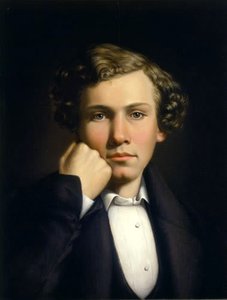
William Tylee Ranney
1813 - 1857 , États-Unis d'Amérique
En bref
- Artistic Movement Or Style: Peinture de genre
- Date Of Birth: 9 mai 1813
- Date Of Death: 18 novembre 1857
- Full Name: William Tylee Ranney
- Nationality: Américain
- Notable Artworks:
- On the Wing
- Prairie Burial
- Scouting Party
- Trapper's Last Shot
- Place Of Birth (City And Country): Middletown, États-Unis
Articles connexes

The Enduring Legacy of Oil on Canvas: Technique, History & Aesthetic Impact
Explore the rich history & techniques of oil painting – from Renaissance masters to Impressionism. Discover pigments, layering methods, and why this timeless medium endures. Expert insights for artists & art enthusiasts.

Frederick William Jackson: Capturing the American West Through Luminist Vision & Narrative Detail
Explore the captivating works of Frederick William Jackson, a pioneer of Western realism & Luminist painting. Discover his atmospheric landscapes, depictions of Native American life, and lasting legacy. Learn more at OriginalUniqueArt.

Grant Wood & American Regionalism: Identity, Myth & the Rural Landscape
Explore the world of Grant Wood & American Regionalism with OriginalUniqueArt. Discover the symbolism behind 'American Gothic', recurring themes, and the movement's lasting impact on art history. High-quality reproductions available.

Réalisme Américain : 10 Chefs-d'œuvre Incontournables pour une Déco Inspirée
Plongez au cœur du Réalisme Américain avec 10 chefs-d'œuvre d'Edward Hopper, Andrew Wyeth et plus. Découvrez l'histoire et les techniques de ces artistes emblématiques. Reproductions de tableaux de qualité musée sur OriginalUniqueArt.com !

Alfred Jacob Miller: Chronicling the American West Through Artistic Observation & Narrative
Explore the captivating art of Alfred Jacob Miller, chronicler of the American West. Discover his iconic paintings, techniques & lasting legacy – a valuable addition to any serious collection. Learn more at OriginalUniqueArt.