Aperçu en situation
 Envoyer
 Partager
 Détails de l'œuvre
 Guide
Guide

 Télécharger l'image
 Articles similaires
 Radiographie
 Diaporama
 Q&A
Q&A Statistiques
Forest Interior in Autumn


 Lire la suite
Giclées et impressions d'art
Impressions giclées ou sur toile de qualité musée, avec une production rapide et des finitions au choix. ( Commander la reproduction peinte à la main Passer au format numérique)




P118B €10

P118H €10

P118W €10

P438Z €10

P508JH €12

P508YH €12

P805H €10

P805Z €10

P919BZ €10

P919G €10

P919XJ €10

P959ZH €10

P968JZ €12

W106C €8

W218G €10

W218JH €8

W218Y €10

W307PJ €10

W316G €10

W316PJ €8

W316Y €10

W398PJ €8

W4111J €10

W500HY €15

W500JH €15

W692G €12

W849H €8

W940BG €15

W953PJ €8




Choisissez parmi nos formats prédéfinis qui respectent les proportions originales de l’œuvre.

Saisissez la largeur et la hauteur souhaitées pour qu'elles s'adaptent à votre cadre ou à votre mur. Une impression peut être recadrée, mais jamais agrandie au-delà de l'image originale ; ainsi, un format de forme différente entraînera la perte d'une partie de l'image. Nous vous envoyons une maquette numérique pour approbation avant toute impression. L'image présentée sur cette page ne montre pas le recadrage réel — seule la maquette le permet.
Livraison dans le monde entier () en 2 semaines au lieu des 4/5 semaines habituelles. (31 octobre)

Livraison express gratuite dans le monde entier

Toile de lin de qualité supérieure

Assurance transport complète

Garantie de remboursement des droits de douane

Garantie de fidélité des couleurs

Politique de retour de 100 jours (uniquement en cas de défaut)

Garantie de remboursement à 100%

Offre de tarifs dégressifs
 L'option verre n'est disponible que pour les dimensions inférieures à 110 cm.

Forest Interior in Autumn
Giclées et impressions d'art
Format de la reproduction
-


Prix total
€ 71
A Tapestry of Autumnal Splendor
To gaze upon William Trost Richards' Forest Interior in Autumn is to step through a veil into a moment suspended between seasons—a breathtaking immersion into the heart of nature’s magnificent transition. This painting does more than merely depict woods; it captures the very breath of fall itself. The air seems thick with the scent of decaying leaves and damp earth, while the light filters through the canopy in shafts of liquid gold. Richards masterfully orchestrates a scene where every element, from the vibrant crimson foliage to the gentle murmur of the stream, contributes to an overwhelming sense of serene grandeur.
The Artistry of Observation: Technique and Detail
Richards’ approach to landscape painting is marked by a commitment to meticulous observation, a hallmark that distinguishes his work within the tradition of American landscape art. While the emotional resonance of the scene speaks to Romantic sensibilities, the execution reveals an almost scientific fidelity to detail. Observe how the artist renders the texture of bark on the foreground trees, or the delicate scattering of fallen leaves upon the forest floor. The composition itself is a study in balance; the central stream acts as a visual artery, drawing the eye deeper into the painting's depths, while the varied placement of trees creates a natural rhythm that guides the viewer’s gaze effortlessly from the immediate foreground to the hazy distance.
Historical Echoes and Emotional Resonance
Created in 1865, this work emerges from a period when American artists were deeply engaged with defining a national identity through its unparalleled natural beauty. For Richards, nature was not just a backdrop; it was a subject worthy of profound study. The inclusion of the solitary figure near the center adds a poignant human element. This person is not merely placed within the scene; they are absorbed by it, serving as an emotional anchor for the viewer—a silent witness to the cyclical beauty that both comforts and reminds us of time's passage. Autumn, in art, has always symbolized change, maturity, and beautiful decay.
Bringing the Forest Home: For Collectors and Designers
For those who seek to infuse a space with the timeless poetry of the wilderness, a reproduction of this piece offers an unparalleled opportunity. The warm palette—the deep reds, burnt oranges, and rich umbers—possesses an inherent warmth that can transform any room, whether it be a formal drawing-room or a cozy study nook. Its enduring appeal lies in its perfect marriage of vibrant color and profound tranquility. Owning this artwork is not just acquiring a painting; it is curating a permanent portal to the quiet majesty of an autumn day in the American woods.
Questions et réponses
L'artiste William Trost Richards, créateur de « Forest Interior in Autumn », est-il connu sous d'autres noms ?
L'artiste William Trost Richards, créateur de « Forest Interior in Autumn », est également connu sous d'autres noms, notamment W. Trost Richards.
Quelle place occupe « Forest Interior in Autumn » dans l'œuvre de William Trost Richards ?
Au sein de la production de William Trost Richards, « Forest Interior in Autumn » s'inscrit dans le style Hudson River School, tout en explorant les thèmes de hudson river school influence, nature's beauty captured vividly, meticulous detail focus, american landscape tradition.
Existe-t-il une fiche informative sur «Forest Interior in Autumn» de William Trost Richards destinée aux étudiants ?
La page Fiche pédagogique de «Forest Interior in Autumn» de William Trost Richards propose une fiche pédagogique imprimable en deux volets : l'œuvre accompagnée de sa fiche d'identité, une frise chronologique la situant dans la vie de l'artiste, d'autres œuvres de l'artiste, la palette de couleurs mesurée, ainsi que des citations prêtes à être copiées en quatre styles différents.
Biographie de l'artiste
Premières années et formation
William Trost Richards, un artiste américain de paysages renommé, est né le 14 novembre 1833 à Philadelphie, en Pennsylvanie. Entre 1850 et 1855, il a étudié à temps partiel avec l'artiste allemand Paul Weber tout en travaillant comme concepteur et illustrateur de ferronnerie ornementale.Carrière artistique
Sa première exposition publique a eu lieu lors d’une exposition à New Bedford, dans le Massachusetts, organisée par l’artiste Albert Bierstadt en 1858. En 1862, il fut élu membre honoraire de la National Academy of Design et académicien en 1871. Richards passa six étés sur la côte est après son retour d'un voyage d'un an en Europe en 1866.Œuvres notables et style
Richards a produit de nombreuses vues aquarellées acclamées des White Mountains, dont plusieurs se trouvent aujourd’hui dans la collection du Metropolitan Museum of Art. Ses œuvres sont aujourd'hui présentées dans de nombreux musées américains importants, notamment la National Gallery, le Saint Louis Art Museum et le Smithsonian American Art Museum. Le style de Richards se caractérise par des rendus factuels méticuleux, rejetant l'approche romancée d'autres peintres de l’Hudson River School. Ses vues des White Mountains sont presque photographiques dans leur réalisme.Héritage
La fille de William Trost Richards, Anna Richards Brewster, est également devenue peintre. Les œuvres de Richards se trouvent dans divers musées, notamment ceux mentionnés ci-dessus et le musée Thyssen-Bornemisza ainsi que le Crystal Bridges Museum of American Art.- Voir la peinture de Richards "Lago Avernus" sur OriginalUniqueArt.com
- Découvrez d'autres œuvres de William Trost Richards sur OriginalUniqueArt.com
- En savoir plus sur William Trost Richards sur Wikipédia
- 14 novembre 1833 : né à Philadelphie, Pennsylvanie
- 1862 : élu membre honoraire de la National Academy of Design
- 1871 : élu académicien
- 8 novembre 1905 : décédé à Newport, Rhode Island
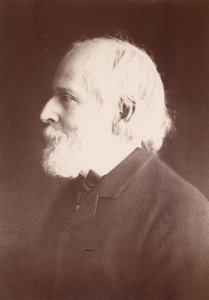
William Trost Richards
1833 - 1905 , États-Unis d'Amérique
L'essentiel de l'artiste
- Artistes Influents:
- Paul Weber
- Albert Bierstadt
- Date De Décès: 8 novembre 1905
- Date De Naissance: 14 novembre 1833
- Lieu De Naissance: Philadelphie, États-Unis
- Mouvement Artistique: Hudson River School
- Nationalité: Américaine
- Nom Complet: William Trost Richards
- Style Artistique: Réalisme méticuleux
- Œuvres Notables: ['Lago Avernus']
Articles connexes
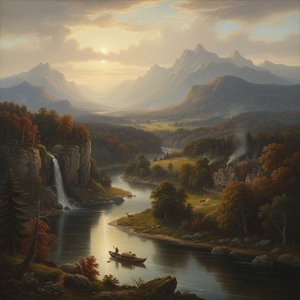
Capturing the American Spirit: A Journey Through Iconic Landscapes and the Legacy of the Hudson River School
Explore the profound beauty of American art history. From the Hudson River School to iconic landscapes, discover a curated journey through the masterpieces that defined a nation's spirit and the enduring legacy of American Romanticism.

Wild & Untamed: The High-Impact Energy of American Romanticism and the Hudson River School
Experience the raw power of American Romanticism. Explore the high-impact energy of the Hudson River School through premium, hand-painted oil reproductions that capture the sublime beauty and untamed spirit of the American wilderness for discerning collectors.

L'École du fleuve Hudson : 10 chefs-d'œuvre incontournables pour sublimer votre intérieur
Plongez dans l'univers grandiose de l'École du fleuve Hudson ! Découvrez 10 chefs-d'œuvre emblématiques de Thomas Cole, Frederic Church et Albert Bierstadt. Inspirez votre décoration intérieure avec ces paysages américains romantiques. Explorez la collection complète sur OriginalUniqueArt.com.
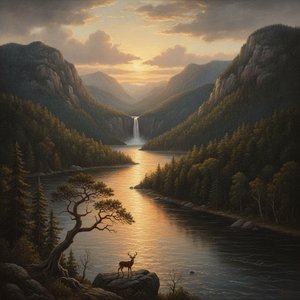
Epic Landscapes & Wild Nature: The Power of the Hudson River School's Sublime Artistry
Explore the breathtaking power of the Hudson River School. Journey through epic American landscapes, from Thomas Cole's sublime vistas to Luminist light, and discover how these timeless masterpieces continue to inspire modern collectors and art lovers worldwide.

L'École du fleuve Hudson : Romantisme américain et exploration d'un paysage national
Explorez l'École du fleuve Hudson : un mouvement artistique américain majeur célébrant la nature et le sublime. Découvrez ses peintres emblématiques, son histoire et son héritage durable avec OriginalUniqueArt.