
 Aperçu en situation
 Partager
 Partager
 Détails
 Guide imprimable

 Télécharger
 Articles similaires
 Radiographie
 Voir le diaporama
 Statistiques
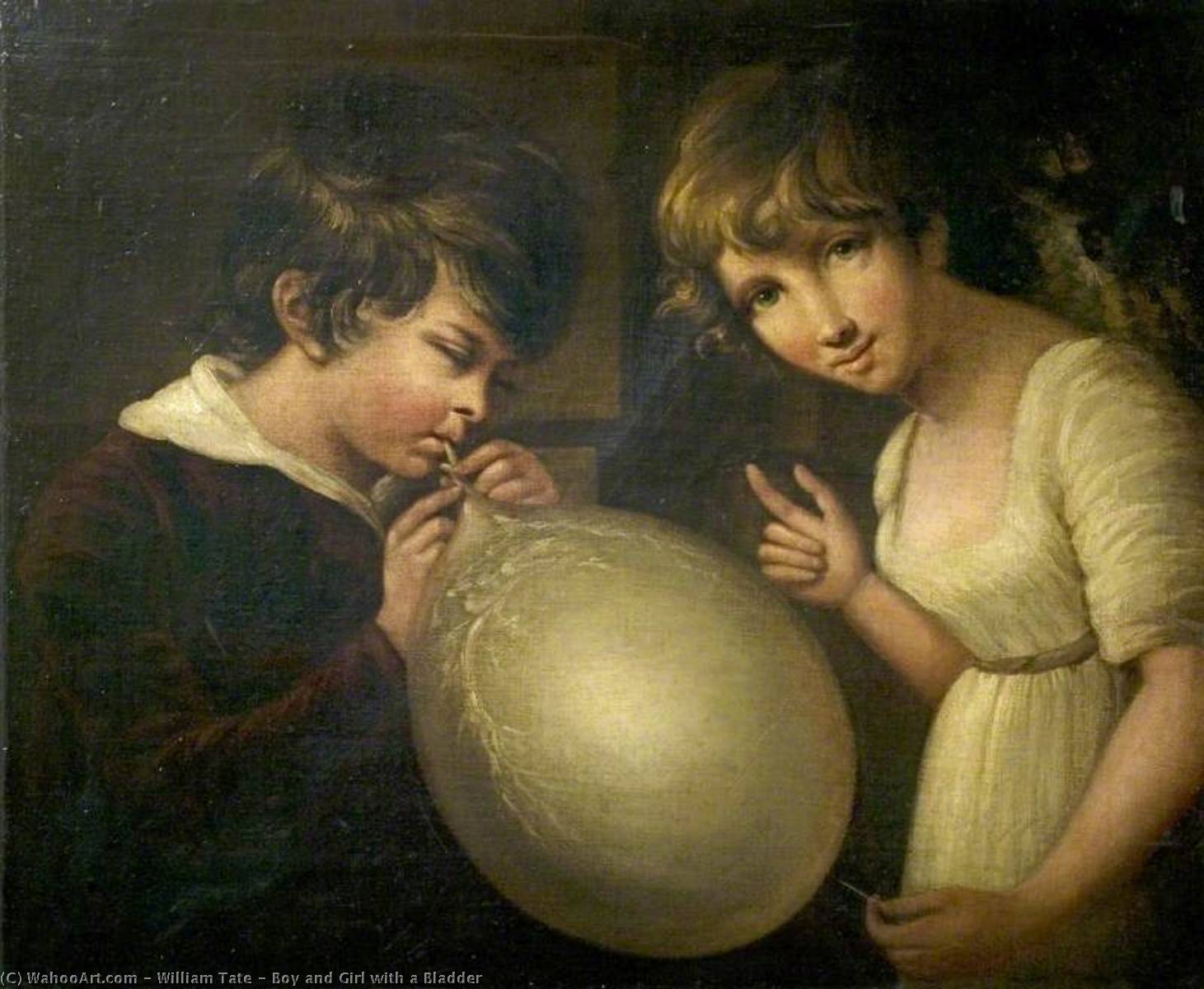
Boy and Girl with a Bladder
 61.0 x 72.0 cm
 Afficher la suite
Acquérez une image numérique haute résolution et optimisée, d'une qualité bien supérieure à l'aperçu en ligne.
Chaque fichier est méticuleusement préparé par nos spécialistes internes à l'aide d'outils avancés et d'une retouche manuelle experte. Nous garantissons que chaque image possède une clarté exceptionnelle, une précision des couleurs irréprochable et un niveau de détail fin.
Le fichier final est livré par e-mail sous 72 heures, optimisé pour une utilisation immédiate dans des contextes professionnels, éditoriaux et d'impression. Il offre la même qualité de confiance que celle utilisée par les plus grands studios de création, éditeurs et galeries.
Image numérique
Téléchargez un fichier haute résolution pour votre usage personnel, l'impression et vos projets créatifs. ( Passer au format impression Acheter la peinture faite à la main)
Inclus avec chaque commande d'image numérique
Livraison numérique experte, garantie.
En choisissant OriginalUniqueArt.com, vous n'obtenez pas seulement une simple image : vous recevez une œuvre numérique sublimée avec professionnalisme, conçue avec précision et accompagnée d'une garantie de satisfaction. Voici tout ce qui accompagne automatiquement votre commande :

Livraison rapide par e-mail
Votre fichier d'image numérique haute résolution vous sera envoyé par e-mail sous 72 heures après votre commande — prêt à un usage immédiat.

Fichier numérique optimisé par l'IA
Votre œuvre d'art bénéficie d'une optimisation professionnelle grâce à des outils d'IA avancés et une retouche manuelle, garantissant un niveau maximal de détail, de clarté et de fidélité chromatique.

Réexpédition gratuite à vie
Vous avez accidentellement supprimé ou perdu votre fichier ? Pas d'inquiétude — nous vous le renverrons gratuitement, quand vous le souhaitez.

Aucuns frais de douane — À jamais
Profitez de votre œuvre d'art instantanément sans frais de douane ni de livraison — les téléchargements numériques sont toujours exonérés de taxes.

Garantie de fidélité des couleurs
Nous garantissons que votre image numérique reproduit les couleurs de l'original aussi fidèlement que possible grâce à des outils professionnels et une gestion rigoureuse des couleurs.

Garantie de satisfaction de 100 jours
Si vous n'êtes pas satisfait de votre image numérique, nous la retoucherons ou vous rembourserons 100% sous 100 jours — sans poser de questions.

Garantie de remboursement à 100%
Pas satisfait ? Obtenez un remboursement intégral dans les 100 jours suivant la réception de votre fichier numérique — sans aucune question posée.

Remises sur les commandes groupées
Achetez 3 images, économisez 10% - Achetez 5, économisez 15% - Achetez 10+, économisez 20%. Idéal pour les projets créatifs, les galeries et les agences.
Biographie de l'artiste
William Tate: A Gentle Hand Capturing the Essence of 18th-Century Britain
William Tate (1766-1822), a name perhaps less heralded than his contemporaries, nevertheless stands as a quietly significant figure in the landscape of British portraiture. Born in Barnsley, South Yorkshire, into a family with roots in the textile industry, Tate’s early life offered little indication of the artistic path he would ultimately pursue. However, a keen eye for detail and an innate sensitivity to human emotion quickly manifested, leading him towards a career dedicated to capturing the nuances of character and the fleeting moments of domestic life within the confines of his studio.
Tate’s formative years were spent in London, where he apprenticed under various artists before establishing himself as an independent practitioner. His style, while initially influenced by the prevailing Rococo trends, swiftly evolved into a distinctly more restrained and psychologically astute approach. Unlike the flamboyant displays of some of his peers, Tate favored a subtle elegance, employing delicate brushwork and muted color palettes to create portraits that felt remarkably intimate and revealing. He wasn’t interested in grand gestures or theatrical poses; instead, he sought to distill the essence of his subjects – often women and children – into carefully observed studies of character.
The Sanderson Children: A Masterclass in Domestic Observation
Perhaps Tate's most celebrated work is “The Sanderson Children” (1775), a captivating depiction of three young siblings from the Sanderson family. This painting, now housed at the National Gallery, exemplifies Tate’s unique approach to portraiture. It’s not merely a likeness; it’s a window into a specific moment in time – a shared glance, a playful gesture, a quiet contemplation. The composition is remarkably naturalistic, eschewing formal arrangements for a scene that feels utterly spontaneous. Notice the way Tate captures the individual personalities of each child: the eldest, poised and observant; the middle one, brimming with youthful energy; and the youngest, lost in innocent wonder. The use of light and shadow subtly emphasizes their features, lending them an almost ethereal quality.
The painting’s success speaks to Tate's ability to elevate everyday scenes into works of art. He wasn’t interested in depicting wealth or status; instead, he focused on the simple joys and vulnerabilities of family life – a theme that resonated deeply with his audience and continues to captivate viewers today.
A Portraitist of His Time: Influences and Techniques
Tate's artistic development was undoubtedly shaped by the prevailing trends of the late 18th century, particularly the influence of artists like Thomas Gainsborough and George Romney. However, he possessed a distinctive sensibility that set him apart. His portraits often bear a resemblance to Dutch Golden Age masters, such as Rembrandt, in their use of chiaroscuro – the dramatic contrast between light and shadow – to create depth and mood. He was also deeply influenced by the works of Sir William Beechey, another prominent portraitist of his era.
Tate’s technique involved meticulous observation and a deep understanding of anatomy and perspective. He spent considerable time studying his subjects before beginning a painting, often sketching them repeatedly to capture their likeness and personality. His brushwork was remarkably smooth and refined, creating surfaces that shimmered with light. He employed a limited palette of colors – primarily browns, grays, and ochres – to achieve a sense of understated elegance.
Legacy and Historical Significance
Despite not achieving the same level of fame as some of his contemporaries, William Tate’s work holds considerable historical significance. His portraits offer invaluable insights into the social customs, domestic life, and emotional landscape of 18th-century Britain. His sensitive depictions of women and children – particularly those from humble backgrounds – provide a refreshing counterpoint to the often idealized representations of aristocratic subjects favored by other artists of his time.
Today, Tate’s paintings are treasured for their quiet beauty, psychological depth, and remarkable ability to evoke a sense of intimacy. His legacy lies not in grand pronouncements or revolutionary innovations, but in his unwavering commitment to capturing the essence of human experience with a gentle hand and an observant eye – a testament to the enduring power of portraiture as a form of social commentary and artistic expression.

En bref
- Artistic Movement Or Style: Portraiture
- Artists Or Movements Influenced By This Artist: ['Grand Manner']
- Artists Who Influenced This Artist: ['Thomas Hudson']
- Date Of Birth: 1766
- Date Of Death: 1822
- Full Name: William Tate
- Nationality: British
- Notable Artworks:
- The Sanderson Children
- Mr Tate of Toxteth Park
- Place Of Birth: Barnsley, England