Aperçu en situation
 Partager
 Partager
 Détails
 Guide imprimable

 Télécharger
 Articles similaires
 Radiographie
 Voir le diaporama
 Statistiques
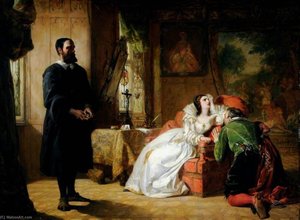
The Sleeping Model


 Afficher la suite
Giclées et impressions d'art
Impressions giclées ou sur toile de qualité musée, avec une production rapide et des finitions au choix. ( Acheter la peinture faite à la main Passer au format image numérique)




P118B €10

P118H €10

P118W €10

P438Z €10

P508JH €12

P508YH €12

P805H €10

P805Z €10

P919BZ €10

P919G €10

P919XJ €10

P959ZH €10

P968JZ €12

W106C €8

W218G €10

W218JH €8

W218Y €10

W307PJ €10

W316G €10

W316PJ €8

W316Y €10

W398PJ €8

W4111J €10

W500HY €15

W500JH €15

W692G €12

W849H €8

W940BG €15

W953PJ €8




Choisissez parmi nos formats prédéfinis qui respectent les proportions originales de l’œuvre.

Saisissez la largeur et la hauteur souhaitées pour qu'elles s'adaptent à votre cadre ou à votre mur. Une impression ne peut être que découpée, elle ne peut jamais être agrandie au-delà de l'image originale ; ainsi, un format de forme différente entraînera la perte d'une partie de l'image. Nous vous envoyons une maquette numérique pour approbation avant toute impression. L'image présentée sur cette page ne montre pas le recadrage réel — seule la maquette le permet.
Livraison dans le monde entier () en 2 semaines au lieu des 4/5 semaines habituelles. (21 octobre)

Livraison express gratuite dans le monde entier

Toile de lin de haute qualité

Assurance transport complète

Garantie de remboursement des droits de douane

Garantie de fidélité des couleurs

Garantie de retour de 100 jours (uniquement en cas de défaut)

Garantie de remboursement à 100%

Tarifs dégressifs sur quantité
 L'option verre n'est disponible que pour les dimensions inférieures à 110 cm.

The Sleeping Model
Giclées et impressions d'art
Format de la reproduction
-


Prix total final
€ 70
A Moment Frozen in Victorian Tranquility
In the quiet corners of a nineteenth-century studio, where the scent of oil paint and turpentine lingers, William Powell Frith captures a scene of profound, unexpected stillness. The Sleeping Model is not merely a portrait of rest; it is a window into the delicate social fabric of the Victorian era. The painting presents a woman reclining gracefully in a chair, her head surrendered to sleep as it rests heavily upon her hand. This image, while seemingly peaceful, carries an underlying tension that speaks to the societal anxieties of the time. During this period, the presence of women in artistic spaces was often viewed through a lens of suspicion, and Frith masterfully navigates these complexities by presenting a moment of vulnerability that feels both intimate and deeply human.
The composition is a masterful study in chiaroscuro, where the dramatic interplay between light and shadow sculpts the woman’s form against the rich, deep tones of the room. Frith, heavily influenced by the domestic realism of Sir David Wilkie, employs a meticulous oil technique characterized by layered brushstrokes that lend a luminous quality to the skin and fabric. As the eye wanders through the studio, one notices the fine details that ground the scene in reality: the sturdy easel holding a canvas, the humble basket resting on the floor, and the subtle presence of other figures that suggest a larger, bustling world existing just beyond this momentary lapse into slumber. The red walls of the studio provide a warm, dramatic backdrop, pulling the viewer into the heart of the artist's sanctuary.
Symbolism and the Artist's Vision
Beyond its surface beauty, the painting serves as a poignant narrative about class and identity. The model herself—historically identified as an orange seller whom Frith encountered in the street—represents the intersection of different social strata within the artist's workspace. Her posture, caught between the exhaustion of labor and the grace of repose, acts as a quiet defiance of the rigid expectations placed upon women of her standing. There is a profound sense of contemplation embedded in her stillness; even in sleep, she commands the space, inviting the viewer to reflect on the unseen lives that move through the shadows of history.
For the discerning collector or interior designer, this piece offers more than just aesthetic elegance. It provides a focal point of intellectual and emotional depth. The painting’s ability to evoke a sense of nostalgic peace while maintaining a sophisticated, academic rigor makes it an ideal centerpiece for a curated collection. Whether placed in a sunlit gallery or a moody, classic study, The Sleeping Model brings with it the weight of history and the timeless allure of a story caught in mid-breath. It is a celebration of the fleeting moments that define our existence, rendered with the unparalleled skill of one of Britain's greatest chroniclers of social life.
Questions et réponses
Comment le mouvement et l'époque se rencontrent-ils dans «The Sleeping Model» de William Powell Frith ?
Dans «The Sleeping Model» de William Powell Frith, le mouvement Victorian Realism rencontre l'époque XIXe siècle.
Quelle palette et quelle couleur dominante définissent "The Sleeping Model" ?
«The Sleeping Model» de William Powell Frith utilise une palette Earthy, avec le Khaki (#dfc68f) comme couleur dominante.
À quelle période de la carrière de William Powell Frith appartient « The Sleeping Model » ?
« The Sleeping Model » représente la période Mature Period de William Powell Frith.
Biographie de l'artiste
Premières années et formation
- Né : Le 9 janvier 1819, à Aldfield, près de Ripon, dans le Yorkshire du Nord, en Angleterre
- Décédé : Le 2 novembre 1909, à Londres
- Le père de William Powell Frith était hôtelier à Harrogate.
- Il avait initialement l'intention d'être commissaire-priseur, mais son père a reconnu son talent artistique.
- Frith a étudié à l'Académie Sass dans Charlotte Street, à Londres, puis a fréquenté les écoles de la Royal Academy.
- Sa carrière précoce s’est concentrée sur la peinture de portraits et de sujets littéraires (Shakespeare, Scott).
Points saillants de sa carrière et style artistique
- Adhésion : Membre du Clique, un groupe d'artistes comprenant Richard Dadd, Augustus Egg, Henry O’Neil, John Phillip, Edward Ward et Thomas Creswick.
- Influences : Fortement influencé par les sujets domestiques de Sir David Wilkie.
- Peinture de genre et œuvres narratives panoramiques : Frith est devenu célèbre pour ses scènes de genre détaillées et ses œuvres narratives panoramiques représentant la vie victorienne dans des lieux publics.
- Œuvres notables :
- Ramsgate Sands (1854) : Dépeint une scène animée à la station balnéaire de Ramsgate.
- The Derby Day (1858) : Capture l'atmosphère et les interactions sociales à Epsom Downs Racecourse. Cette peinture était extrêmement populaire, nécessitant des rampes pour gérer la foule qui venait la voir.
- The Railway Station (1862) : Une représentation détaillée de la gare de Paddington.
- The Sleeping Model (1853) : Présentée comme son œuvre diplomatique à la Royal Academy.
- The Crossing Sweeper (1858) : Explore le contraste entre richesse et pauvreté à Londres.
- Influence photographique : Frith a utilisé des études photographiques de Robert Howlett pour obtenir un détail et une précision remarquables dans ses peintures, en particulier dans les œuvres comme The Derby Day.
- Style : Caractérisé par une observation méticuleuse, un grand nombre de personnages et un accent mis sur la capture des détails de la vie quotidienne. Il était connu pour son réalisme et son attention portée à la critique sociale au sein de ses scènes.
Développement et dernières années
- Autobiographies : Frith a écrit deux autobiographies, My Autobiography (1887) et Further Reminiscences (1888), fournissant des aperçus de l'art et de la société victorienne.
- Opinions artistiques : Il était un traditionaliste et exprimait son aversion pour les développements artistiques modernes.
- Royal Academician : Élu à la Royal Academy en 1853.
- Longévité : Frith a vécu une vie remarquablement longue, témoignant de changements importants dans le monde de l'art au cours de l'ère victorienne. Il a survécu à beaucoup de ses contemporains du Clique.
Signification historique et héritage
- Commentaire social : Ses peintures ont fourni une documentation précieuse de la société victorienne, capturant ses dynamiques sociales, sa mode et ses activités récréatives.
- Popularité et succès commercial : Frith était l'un des artistes les plus prospères sur le plan commercial de son époque, avec ses œuvres largement admirées et recherchées.
- Influence sur la peinture de genre : Il a considérablement contribué au développement de la peinture de genre en Grande-Bretagne, en l’élevant au rang d'art respectable.
- Réalisme détaillé : Son souci du détail a établi une norme pour le réalisme dans l'art victorien.
- Héritage : Les peintures de Frith continuent d'être exposées et étudiées, offrant un aperçu unique de la vie au XIXe siècle et consolidant sa place en tant que figure importante de l'histoire de l'art britannique.

William Powell Frith
1819 - 1909 , Royaume-Uni
En bref
- Artistes Influents: ['Sir David Wilkie']
- Date De Décès: 2 novembre 1909
- Date De Naissance: 9 janvier 1819
- Lieu De Naissance: Aldfield, Royaume-Uni
- Mouvement Artistique: Genre et narration panoramique
- Nationalité: Anglais
- Nom Complet: William Powell Frith
- Oeuvres Notables:
- Ramsgate Sands
- The Derby Day
- La Gare Ferroviaire
- Le Modèle Endormi
- Le Ramasseur de Route
Articles connexes

William Salter: A Life Immersed in Colour – Victorian Botanical Art & Social Vision
Explore the life & art of William Salter (1804-1875), a Victorian master renowned for his botanical illustrations and striking portraits. Discover his social vision & legacy at OriginalUniqueArt.
R.A. Benjamin Williams: Victorian Genre Painting & Social Commentary
Explore the captivating world of Benjamin Williams Leader's Victorian genre paintings. Discover his mastery of naturalism, social commentary & lasting influence on British art. Expert insights at OriginalUniqueArt.

William Powell Frith: Narratives of Victorian Society & the Rise of Realist Painting
Explore the life & works of William Powell Frith, the 'greatest British painter of social scenes.' Discover his iconic Victorian genre paintings and learn about his lasting impact on realist art. Hand-painted reproductions available.

William James Müller: Navigating Victorian Sentiment & Realism in British Landscape Painting
Explore the captivating landscapes of William James Müller, the leading artist of the Bristol School. Discover his Victorian masterpieces, Egyptian travels & Lycian sketches – a journey through 19th-century art and technique.
The Allure of the Pose: Representations of 'Model' Through Art History
Explore the fascinating history of the 'art model' through centuries of painting! Discover academic techniques, social contexts & the evolving role of models in art. OriginalUniqueArt offers custom reproductions and expert consultation.