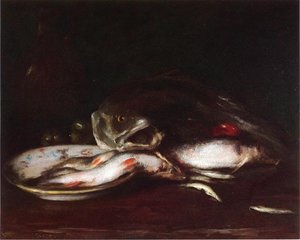
Aperçu en situation
 Envoyer
 Partager
 Détails de l'œuvre
 Guide
Guide

 Télécharger l'image
 Articles similaires
 Radiographie
 Diaporama
 Q&A
Q&A Statistiques
The Kimono

- 89.0 x 115.0 cm


 Lire la suite
Giclées et impressions d'art
Impressions giclées ou sur toile de qualité musée, avec une production rapide et des finitions au choix. ( Commander la reproduction peinte à la main Passer au format numérique)




P118B €10

P118H €10

P118W €10

P438Z €10

P508JH €12

P508YH €12

P805H €10

P805Z €10

P919BZ €10

P919G €10

P919XJ €10

P959ZH €10

P968JZ €12

W106C €8

W218G €10

W218JH €8

W218Y €10

W307PJ €10

W316G €10

W316PJ €8

W316Y €10

W398PJ €8

W4111J €10

W500HY €15

W500JH €15

W692G €12

W849H €8

W940BG €15

W953PJ €8




Choisissez parmi nos formats prédéfinis qui respectent les proportions originales de l’œuvre.

Saisissez la largeur et la hauteur souhaitées pour qu'elles s'adaptent à votre cadre ou à votre mur. Une impression peut être recadrée, mais jamais agrandie au-delà de l'image originale ; ainsi, un format de forme différente entraînera la perte d'une partie de l'image. Nous vous envoyons une maquette numérique pour approbation avant toute impression. L'image présentée sur cette page ne montre pas le recadrage réel — seule la maquette le permet.
Livraison dans le monde entier () en 2 semaines au lieu des 4/5 semaines habituelles. (1 novembre)

Livraison express gratuite dans le monde entier

Toile de lin de qualité supérieure

Assurance transport complète

Garantie de remboursement des droits de douane

Garantie de fidélité des couleurs

Politique de retour de 100 jours (uniquement en cas de défaut)

Garantie de remboursement à 100%

Offre de tarifs dégressifs
 L'option verre n'est disponible que pour les dimensions inférieures à 110 cm.

The Kimono
Giclées et impressions d'art
Format de la reproduction
-


Prix total
€ 71
A Sanctuary of Stillness: The Essence of The Kimono
In the quiet corners of late Victorian America, where the boundaries between Eastern aesthetics and Western tradition began to blur, William Merritt Chase captured a moment of profound serenity in his 1895 masterpiece, The Kimono. This painting is far more than a mere portrait; it is an invitation into a private world of contemplation. The scene unfolds with a seated woman, deeply absorbed in the pages of a book, her presence anchoring a room that breathes with a sense of domestic peace. As she sits, the viewer is drawn into her stillness, feeling the weight of the quiet afternoon and the gentle rhythm of a life lived with intention.
The composition is a masterclass in balance and intentionality, reflecting the subtle influence of Japanese design principles that were captivating the artistic circles of the era. Chase carefully arranges the elements within the frame—a table adorned with two vases placed strategically to the left and right, and a potted plant that introduces a touch of organic vitality to the interior. This careful placement creates a harmonious equilibrium, guiding the eye across the canvas in a way that feels both natural and meticulously orchestrated, much like the tranquil atmosphere the artist sought to evoke.
The Impressionist Touch: Light, Color, and Texture
As a quintessential exponent of American Impressionism, Chase utilizes technique not merely to replicate reality, but to translate emotion through light. In The Kimono, he eschews the rigid, meticulous lines of traditional academic painting in favor of loose, expressive brushstrokes that dance across the surface. He employs the brilliant method of broken color, applying small, distinct patches of pigment that blend optically in the viewer's eye. This technique allows him to simulate the ephemeral way sunlight filters through a window, dancing upon the surfaces of the room and breathing life into the textures of the scene.
The color palette is a sophisticated study in muted elegance. Dominated by soft tones of ochre, beige, and pale greens, the painting avoids jarring contrasts, opting instead for a tonal harmony that reinforces the theme of calm. These subdued hues create a velvety texture that softens the edges of the world, making the boundaries between the subject and her environment feel fluid and dreamlike. The central motif—the kimono itself—serves as a focal point of refined beauty, its presence signifying grace and femininity while anchoring the painting's soft, luminous atmosphere.
A Timeless Legacy for the Modern Collector
For the discerning collector or interior designer, The Kimono offers an unparalleled opportunity to introduce a sense of historical depth and tranquil sophistication into a living space. The artwork embodies a period of significant artistic experimentation, representing a bridge between the structured traditions of the past and the light-filled innovations of the modern age. Its ability to evoke a mood of peacefulness makes it a versatile piece, capable of anchoring a room with its quiet dignity and understated luxury.
Owning a high-quality reproduction of this work means bringing more than just a beautiful image into one's home; it is about capturing a fragment of history. The painting serves as a reminder of the beauty found in fleeting moments and the enduring power of stillness. Whether placed in a sunlit reading nook or as a centerpiece in a formal gallery, The Kimono continues to inspire awe through its masterful command of light, its delicate embrace of Japanese influence, and its profound ability to transport the viewer to a state of pure, unadulterated tranquility.
Questions et réponses
L'œuvre « The Kimono » est-elle dans le domaine public ?
«The Kimono» de William Merritt Chase est dans le dans le domaine public - ses droits d'auteur sont tombés dans le domaine public. Ce statut régit les modalités de reproduction de l'image de l'œuvre.
Quelle est la taille d'impression recommandée pour «The Kimono» de William Merritt Chase ?
Pour «The Kimono», un format d'impression de Large est recommandé. D'autres tailles sont disponibles avec les mêmes proportions.
Quand "The Kimono" a-t-il été créé, et à quel mouvement appartient-il ?
«The Kimono» de William Merritt Chase date de 1895 et appartient au mouvement Impressionist Painting.
Biographie de l'artiste
William Merritt Chase (1849-1916) : Un Pionnier de l'Impressionnisme Américain
William Merritt Chase fut une figure essentielle de l’art américain de la fin du XIXe siècle, reconnu à la fois comme un artiste impressionniste majeur et un éducateur influent. Ses toiles vibrantes, représentant des scènes de la vie quotidienne, des paysages et des portraits, capturèrent l'esprit d'une Amérique en pleine mutation. Au-delà de ses réalisations artistiques, l’héritage de Chase s’étend à la fondation de la Chase School (devenue plus tard Parsons The New School for Design), qui a considérablement façonné l’éducation artistique américaine.
Jeunesse et Développement Artistique
- Naissance et Famille : William Merritt Chase est né le 1er novembre 1849 à Williamsburg (aujourd'hui Nineveh), dans l'Indiana. Sa famille déménagea à Indianapolis en 1861.
- Première Formation : Travaillant initialement pour les affaires familiales, Chase manifesta un vif intérêt pour l’art dès son plus jeune âge. Il étudia avec des instructeurs locaux, Barton S. Hays et Jacob Cox, démontrant une promesse considérable.
- Formation Académique : Un bref passage dans la Marine le conduisit à New York en 1869, où il étudia sous la direction de Joseph Oriel Eaton. Il s'inscrit ensuite à la National Academy of Design, apprenant auprès de Lemuell Wilmarth, élève du célèbre artiste français Jean-Léon Gérôme.
- Difficultés Financières et St. Louis : Une crise financière familiale força Chase à déménager à Saint Louis, dans le Missouri, en 1870. Là, il s'impliqua activement dans la scène artistique locale, obtenant une reconnaissance pour son travail et exposant à la National Academy.
Style Impressionniste et Œuvres Majeures
- Adoption de l’Impressionnisme : Chase adopta un style impressionniste caractérisé par des coups de pinceau lâches, un intérêt pour capturer les moments fugaces de lumière et de couleur, et des représentations de la vie contemporaine.
- "Keying Up – The Court Jester" (1876) : Cette œuvre, exposée au Boston Art Club et à l'Exposition Centennial de Philadelphie où elle remporta une médaille, est considérée comme l’une des premières réalisations significatives de Chase. Elle illustre sa capacité à représenter le mouvement et la personnalité avec des coups de pinceau énergiques.
- Œuvres Notables : Son œuvre comprend des portraits saisissants tels que Portrait of Virginia Gerson, des paysages évocateurs comme Gowanus Bay (aka Misty Day, Gowanus Bay), et des scènes capturant la vitalité de la vie urbaine, notamment Alice Fernandez. D'autres œuvres notables incluent "A Friendly Call," "A Study in Curves," et “Terrace at the Mall, Central Park.”
- Sujets : Chase représentait fréquemment des intérieurs domestiques, des paysages urbains animés et des activités de loisirs, reflétant son intérêt pour représenter la vie américaine moderne avec un sentiment d'immédiateté et de vitalité.
Héritage Pédagogique et Influence
- La Chase School : Un pilier de l’héritage de Chase est la fondation de la Chase School à New York City. Cet établissement, qui devint plus tard Parsons The New School for Design, a joué un rôle crucial dans le façonnage des générations d'artistes américains en mettant l'accent sur l'observation, la technique et l'innovation artistique.
- Postes d’Enseignement : Au-delà de la Chase School, il occupa des postes d’enseignement à la Pennsylvania Academy of the Fine Arts, à l’Art Students League et à la Brooklyn Art Association, diffusant ainsi davantage sa philosophie artistique et ses compétences.
- Influence sur les Artistes Ultérieurs : L'insistance de Chase sur l'observation directe et la peinture en plein air a influencé de nombreux artistes, dont Wayman Elbridge Adams, qui reconnut Chase comme un mentor.
Signification Historique
William Merritt Chase occupe une place essentielle dans l’histoire de l’art américain. Il a comblé le fossé entre les traditions académiques antérieures et le mouvement impressionniste naissant, contribuant de manière significative au développement d'une identité artistique américaine distincte. Son engagement envers l’enseignement a assuré la poursuite de son approche innovante de la peinture pour inspirer des générations d’artistes, consolidant ainsi son héritage à la fois en tant que peintre talentueux et éducateur influent.

William Merritt Chase
1849 - 1916 , États-Unis d'Amérique
L'essentiel de l'artiste
- Artistes Influencés: ['Wayman Elbridge Adams']
- Artistes Influents: ['Jean-Léon Gérôme']
- Date De Décès: 1916
- Date De Naissance: 1er novembre 1849
- Lieu De Naissance: Nineveh, États-Unis
- Mouvement Artistique: Impressionnisme américain
- Nationalité: Américain
- Nom Complet: William Merritt Chase
- Oeuvres Notables:
- Portrait de Virginia Gerson
- Au bord de la mer
- Gowanus Bay
- Alice Fernandez
- Keying Up – Le bouffon
Articles connexes

L'Huile sur Toile : Exploration Historique et Technique d'un Médium Artistique Intemporel
Explorez l'histoire fascinante de la peinture à l'huile, des techniques ancestrales aux maîtres flamands comme Van Eyck. Découvrez les secrets des pigments, liants et glacis pour comprendre cet art intemporel.
Les 10 Chefs-d'œuvre à l'Huile sur Bois qui ont Révolutionné l'Art | OriginalUniqueArt
Plongez dans l'univers des 10 chefs-d'œuvre à l'huile sur bois qui ont marqué l'histoire de l'art. Découvrez les secrets des maîtres flamands, leurs techniques et couleurs uniques. Retrouvez ces tableaux célèbres en reproductions haute qualité sur OriginalUniqueArt.com !

Capturing Light & Emotion: A Beginner's Guide to the Soul of Late Impressionism
Embark on a visual journey through Late Impressionism. Discover how masters like Monet and Van Gogh captured light and emotion, and learn expert tips for bringing these soulful, hand-painted aesthetics into your modern home decor with confidence.

The Enduring Legacy of Oil on Canvas: Technique, History & Aesthetic Impact
Explore the rich history & techniques of oil painting – from Renaissance masters to Impressionism. Discover pigments, layering methods, and why this timeless medium endures. Expert insights for artists & art enthusiasts.

Les 25 chefs-d'œuvre de Paul Cézanne : l'architecte de la forme
Explorez les 25 chefs-d'œuvre de Paul Cézanne et l'essence du postimpressionnisme. Découvrez ces trésors sur OriginalUniqueArt.com.