

 Aperçu en situation
 Envoyer
 Partager
 Détails de l'œuvre

 Télécharger
 Articles similaires
 Radiographie
 Diaporama
 Statistiques
Winter
 Impressionism
 1931
1931 35.0 x 39.0 cm
 Lire la suite
Reproduction à l'huile faite à la main
Huile sur toile peinte à la main, avec cadre et dimensions personnalisés, réalisée sur commande par nos artistes. ( Passer au format impression Passer à l'image numérique)




































Choisissez parmi nos formats prédéfinis qui respectent les proportions originales de l’œuvre.

Vous pouvez saisir vos propres dimensions pour l'adapter à un cadre ou à un espace spécifique. Si la taille sélectionnée ne correspond pas aux proportions de l'image d'origine, nous recadrerons l'œuvre ou prolongerons la peinture avec des éléments peints à la main supplémentaires. Une maquette numérique vous sera envoyée pour approbation avant le début de la production.
Veuillez noter que l'aperçu à l'écran ne reflète pas le recadrage ou l'extension réels. Seule la maquette montrera fidèlement la composition finale.
Bien que des tailles personnalisées soient disponibles, nous vous recommandons de sélectionner une dimension dans la liste prédéfinie afin de préserver les proportions d'origine.
Après la commande, l’équipe OriginalUniqueArt.com contactera le client par e-mail pour recueillir ses instructions et lui fournira une maquette d’aperçu
Livraison dans le monde entier () en 3 à 4 semaines au lieu des 5 semaines habituelles. (9 septembre). Aucun compromis sur la qualité.

Livraison express gratuite dans le monde entier

Toile de lin de haute qualité

Assurance transport complète

Garantie de remboursement des droits de douane

Garantie de fidélité des couleurs

Garantie de retour de 100 jours (uniquement en cas de défaut)

Garantie de remboursement à 100%

Tarifs dégressifs sur quantité
 L'option verre n'est disponible que pour les dimensions inférieures à 110 cm.

Winter
Technique de reproduction
Format de la reproduction
-


Prix total final
$ 300
Biographie de l'artiste
William Moore I (1730 – 1806): The Painter of Everyday Life
William Moore I was a British artist who achieved considerable renown during the Georgian era, primarily for his unflinching portrayal of London life and social commentary. Unlike many artists of his time focused on grand historical narratives or mythological subjects, Moore dedicated himself to capturing the gritty realities of urban existence – scenes from taverns, marketplaces, and domestic interiors – offering a uniquely insightful glimpse into the lives of ordinary people. Moore’s artistic style is often described as Hogarthian, referencing the celebrated British painter Henry Raeburn's influence. Like Hogarth, Moore employed meticulous detail and realism to depict commonplace subjects with an acute awareness of human psychology. He wasn’t interested in idealizing his subjects; instead, he presented themwarts and all, exposing both their virtues and vices with unflinching honesty. This approach distinguished him from the prevailing artistic conventions of the period, which tended towards decorative elegance rather than social critique. Born in Dublin in 1730, Moore's early life remains somewhat obscure, though he apprenticed under Jonathan Richardson Sr., a prominent portrait painter known for his theatrical and expressive style. Richardson instilled in Moore a commitment to observation and psychological realism—principles that would shape his artistic vision throughout his career. He honed his skills by studying anatomy and drawing from plaster casts, techniques considered essential for achieving accurate representation of the human form. Moore’s prolific output spanned across various mediums including oil paintings, watercolors, mezzotint prints, and etchings. His most celebrated works include “The Gin Drinker,” “Marriage Portfolio,” and “A Laughing Cavalier,” which collectively constitute a powerful indictment of social hypocrisy and moral decay. These prints, particularly "The Gin Drinker," are considered masterpieces of satirical art, skillfully combining visual storytelling with psychological insight to convey complex ideas about human behavior. The Gin Drinker depicts a man consumed by alcohol and despair, highlighting the detrimental effects of excessive indulgence on both body and mind—a theme that resonated deeply with audiences of the time. Furthermore, Moore’s artistic endeavors extended beyond mere depiction; he actively engaged in theatrical productions, designing sets and costumes for operas and plays. This involvement fostered his understanding of visual composition and storytelling within a broader context, enriching his artistic sensibilities. He collaborated extensively with composers like Johann Christian Bach and Giuseppe Sammartini, contributing to the flourishing musical culture of London during the Georgian period. Moore’s influence on subsequent generations of artists is undeniable. His unwavering commitment to realism and psychological observation paved the way for Impressionism and Realism movements in the 19th century. Artists such as Gustave Courbet and Jean-François Millet drew inspiration from Moore's approach, prioritizing truthful representation over idealized beauty—a legacy that continues to inspire contemporary art practitioners today. William Moore I remains a pivotal figure in British art history, remembered not for grand narratives but for his profound understanding of human nature and his courageous portrayal of the everyday world.
En bref
- Artistic Movement Or Style: Hogarthian Style
- Artists Or Movements Influenced By This Artist: ['British Rococo']
- Artists Who Influenced This Artist:
- Nicolas Poussin
- Joshua Reynolds
- Full Name: William Moore I
- Nationality: British
- Notable Artworks:
- Marriage Portrait
- The Painter's Family
- Place Of Birth: London, England
Articles similaires

Les 10 Chefs-d'œuvre Impressionnistes qui ont Révolutionné le Paysage
Plongez dans l'univers vibrant de l'impressionnisme ! Découvrez les 10 chefs-d'œuvre de Monet, Renoir et autres maîtres qui ont révolutionné le paysage. Inspirez votre décoration intérieure avec OriginalUniqueArt.com : reproductions tableaux de qualité muséale.
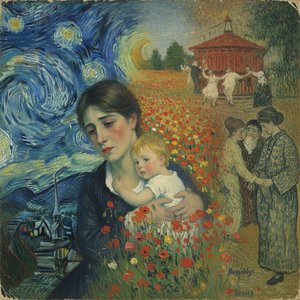
Capturing the Soul: The Most Emotionally Moving Impressionist and Post-Impressionist Masterpieces
Discover the profound emotional depth of Impressionist and Post-Impressionist masterpieces. Explore how legends like Monet, Van Gogh, and Gauguin captured light and soul through evocative landscapes and vibrant brushwork for a timeless connection to art history.

Les 10 Chefs-d'œuvre Impressionnistes qui ont Révolutionné le Paysage
Plongez au cœur de l'Impressionnisme avec les 10 chefs-d'œuvre qui ont révolutionné le paysage. Découvrez Monet, Renoir et plus encore sur OriginalUniqueArt.com – reproductions d'art de qualité muséale pour sublimer votre intérieur.
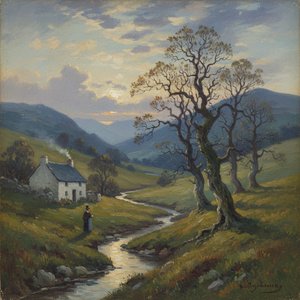
Penry Williams: Evoking Welsh Nostalgia Through Impressionistic Landscapes
Explore the captivating world of Penry Williams (1802-1885), a Welsh artist renowned for his evocative Impressionistic landscapes and scenes of Italy. Discover his life, style & legacy with OriginalUniqueArt.
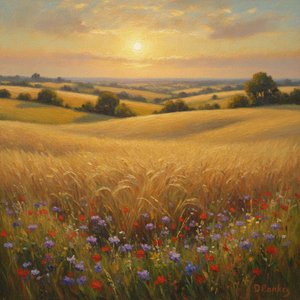
Golden Fields & Sun-Drenched Meadows: Capturing the Soul of Impressionist Landscapes
Immerse yourself in the luminous world of Impressionist landscapes. Discover how masters like Monet and Gauguin captured ephemeral light through plein air painting, and learn to bring the soul of sun-drenched meadows into your home with exquisite, hand-painted oil reproductions.