
 Aperçu en situation
 Envoyer
 Partager
 Détails de l'œuvre

 Télécharger
 Articles similaires
 Radiographie
 Diaporama
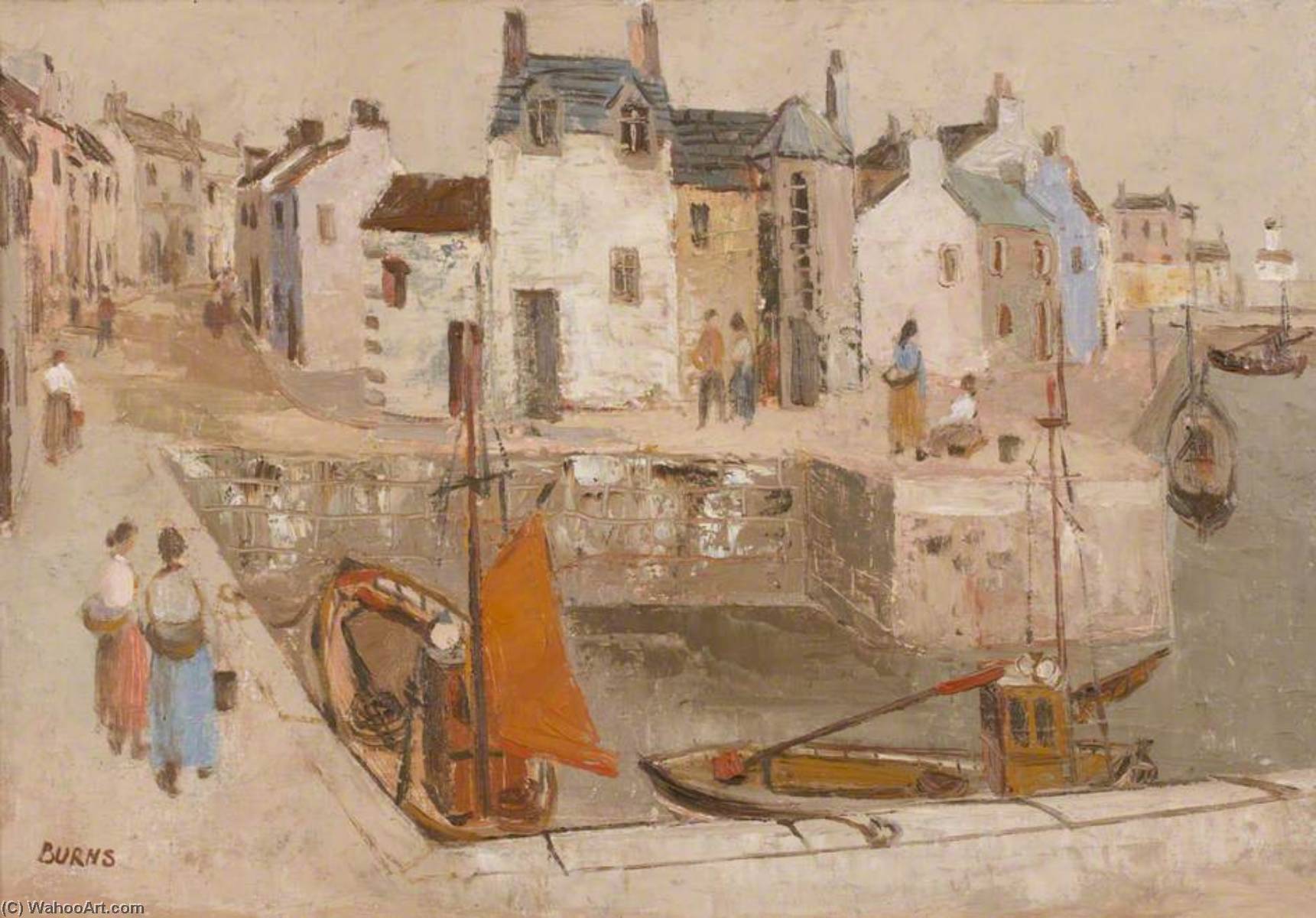
The Harbour
 41.0 x 62.0 cm
 Collection d’art gouvernementale
 Lire la suite
Reproduction à l'huile faite à la main
Huile sur toile peinte à la main, avec cadre et dimensions personnalisés, réalisée sur commande par nos artistes. ( Commander l'impression Télécharger l'image haute résolution)




































Choisissez parmi nos formats prédéfinis qui respectent les proportions originales de l’œuvre.

Vous pouvez saisir vos propres dimensions pour l'adapter à un cadre ou à un espace spécifique. Si la taille sélectionnée ne correspond pas aux proportions de l'image d'origine, nous recadrerons l'œuvre ou prolongerons la peinture avec des éléments peints à la main supplémentaires. Une maquette numérique vous sera envoyée pour approbation avant le début de la production.
Veuillez noter que l'aperçu à l'écran ne reflète pas le recadrage ou l'extension réels. Seule la maquette montrera fidèlement la composition finale.
Bien que des tailles personnalisées soient disponibles, nous vous recommandons de sélectionner une dimension dans la liste prédéfinie afin de préserver les proportions d'origine.
Après la commande, l’équipe OriginalUniqueArt.com contactera le client par e-mail pour recueillir ses instructions et lui fournira une maquette d’aperçu
Livraison dans le monde entier () en 3 à 4 semaines au lieu des 5 semaines habituelles. (18 août). Aucun compromis sur la qualité.

Livraison express gratuite dans le monde entier

Toile de lin de qualité supérieure

Assurance transport complète

Garantie de remboursement des droits de douane

Garantie de fidélité des couleurs

Politique de retour de 60 jours (uniquement en cas de défaut)

Garantie de remboursement à 100%

Offre de tarifs dégressifs
 L'option verre n'est disponible que pour les dimensions inférieures à 110 cm.

The Harbour
Technique de reproduction
Format de la reproduction
-


Prix total
$ 300
Biographie de l'artiste
A Landscape of Memory and Decay: The Life of William Alexander Burns
William Alexander Burns (1921–1972) emerged from the rugged Scottish landscape as a painter whose canvases captured not merely visual beauty, but also the poignant echoes of industrial decline and forgotten places. Born in Newton Mearns, his artistic soul was deeply rooted in the rhythms of the land. His formative years were steeped in rural Ayrshire, where he absorbed the meticulous observations of nature alongside his father, Robert Burnes, a gardener who instilled in him a lifelong appreciation for detailed rendering and the subtle textures of the earth. This early connection to the organic world would later serve as the foundation for his profound explorations of both the natural and man-made environments.
Burns’ artistic journey was significantly shaped by the turbulence of the mid-20th century. During the Second World War, he served as a pilot officer with the RAF Coastal Command, an experience that undoubtedly sharpened his perspective on vulnerability and the fragility of existence. Following the war, he pursued formal training at the Glasgow School of Art in the late 1940s, later refining his skills at Hospitalfield near Arbroath. This period of academic rigor allowed him to master the technical complexities of both watercolour and oil painting, providing him with the tools to translate his internal psychological landscapes onto the canvas.
Technique and the Texture of Time
The work of Burns is characterized by a distinctive style that transcends mere representation, delving into a realm of melancholy contemplation. He was a master of textured impasto, utilizing thick applications of paint to create palpable surfaces that mirrored the weathered facades of abandoned factories and crumbling piers. His palette was often muted, dominated by deep blues and earthy browns, which lent his landscapes a sense of weight and historical gravity. Through this heavy, tactile approach, he did not just paint a scene; he sculpted the very essence of decay and resilience.
His ability to balance realism with experimental abstraction allowed him to capture the "spirit of place" with unparalleled honesty. Whether depicting the serene maritime atmosphere of a harbor in Boats, Gourdon or the stark, structural details of a town in Ferryden, Burns utilized bold brushstrokes and light to evoke profound emotional responses. His work often confronts themes of loss, using the physical degradation of structures as a metaphor for the passage of time and the inevitable fading of industrial eras.
Legacy and Artistic Significance
As a member of the Royal Scottish Watercolour Society (RSW), Burns’ commitment to portraying Scotland’s heritage was both recognized and celebrated. His dedication resulted in significant works residing within prestigious public collections across Britain, including the Glasgow Museums Resource Centre. His paintings serve as vital historical documents, capturing a specific era of Scottish life—one caught between the fading glory of industrial strength and the quiet reclamation of nature.
The enduring significance of William Alexander Burns lies in his ability to find beauty within the derelict. He transformed the subjects of industrial decline into objects of profound aesthetic and emotional contemplation. His legacy continues to resonate with those who find meaning in the textures of the past, reminding viewers that even in decay, there is a powerful, haunting form of grace.
- Key Artistic Achievements:
- Membership in the prestigious Royal Scottish Watercolour Society (RSW).
- Extensive inclusion of works in major British public museum collections.
- Mastery of the impasto technique to convey industrial and natural textures.
- A unique synthesis of post-war realism and expressive abstraction.

william alexander burns
1921 -
L'essentiel de l'artiste
- Artistic Movement Or Style: Abstract Expressionism
- Date Of Birth: 1921
- Date Of Death: Living
- Full Name: William Alexander Burns
- Nationality: Scottish
- Notable Artworks:
- Boats, Gourdon
- Ferryden
- Guidelight
- Place Of Birth: Scotland

