

 Aperçu en situation
 Partager
 Partager
 Détails

 Télécharger l'image
 Articles similaires
 Radiographie
 Voir le diaporama
Les Cottages


 Afficher la suite
Giclées et impressions d'art
Impressions giclées ou sur toile de qualité musée, avec une production rapide et des finitions au choix. ( Acheter la peinture faite à la main Acheter l'image)




P118B $10

P118H $10

P118W $10

P438Z $10

P508JH $12

P508YH $12

P805H $10

P805Z $10

P919BZ $10

P919G $10

P919XJ $10

P959ZH $10

P968JZ $12

W106C $8

W218G $10

W218JH $8

W218Y $10

W307PJ $10

W316G $10

W316PJ $8

W316Y $10

W398PJ $8

W4111J $10

W500HY $15

W500JH $15

W692G $12

W849H $8

W940BG $15

W953PJ $8




Choisissez parmi nos formats prédéfinis qui respectent les proportions originales de l’œuvre.

Vous pouvez saisir vos propres dimensions pour vous adapter à un cadre ou à un espace spécifique. Si la taille sélectionnée ne correspond pas aux proportions de l'image originale, nous recadrerons l'œuvre ou étendrons l'image avec une bordure en miroir ou une couleur unie. Une maquette numérique vous sera envoyée pour approbation avant le début de la production.
Veuillez noter que l'aperçu à l'écran ne reflète pas le recadrage ou l'extension réelle. Seule la maquette montrera avec précision la composition finale.
Bien que des tailles personnalisées soient disponibles, nous vous recommandons de choisir une dimension dans la liste prédéfinie afin de préserver les proportions originales.
Livraison dans le monde entier () en 2 semaines au lieu des 4/5 semaines habituelles. (25 août)

Livraison express gratuite dans le monde entier

Toile de lin de haute qualité

Assurance transport complète

Garantie de remboursement des droits de douane

Garantie de fidélité des couleurs

Politique de retour de 60 jours (uniquement en cas de défaut)

Garantie de remboursement à 100%

Tarifs dégressifs sur quantité
 L'option verre n'est disponible que pour les dimensions inférieures à 110 cm.

Les Cottages
Giclées et impressions d'art
Format de la reproduction
-


Prix total final
$ 80
Description de la pièce
Cottages: A Window into Post-Impressionist Tranquility
Vincent van Gogh’s “Cottages,” painted in 1883, isn't merely a depiction of a rural village; it’s an immersive experience—a carefully constructed tableau designed to evoke a profound sense of peace and nostalgia. This oil on canvas, residing within the broader series exploring peasant life, offers a glimpse into Van Gogh’s evolving artistic vision during a pivotal period in his career. The scene unfolds with a quiet dignity: humble cottages, their thatched roofs blending seamlessly with the surrounding greenery, nestled beneath a serene sky. It's a landscape imbued with a palpable sense of warmth and community, yet simultaneously tinged with a subtle melancholy—a characteristic hallmark of Van Gogh’s mature style.
The painting’s genesis lies within the burgeoning Post-Impressionist movement, an era defined by artists seeking to move beyond the fleeting impressions of light and color favored by their predecessors. Post-Impressionism wasn't a rigid school but rather a diverse collection of artists—including Van Gogh himself, Paul Cézanne, Paul Gauguin, and Georges Seurat—who experimented with subjective expression, symbolic content, and emotional depth. Van Gogh’s “Cottages,” exemplifies this shift; he abandons the purely observational approach of earlier Impressionists, instead layering his own feelings and interpretations onto the scene. The vibrant yellows dominating the cottages aren't simply a representation of color but rather convey warmth, light, and perhaps even a hint of optimism—a deliberate choice to imbue the humble dwellings with an aura of comfort and security.
The Language of Color and Texture
Van Gogh’s distinctive technique is immediately apparent. He employs thick, impasto brushstrokes – literally building up layers of paint directly onto the canvas – creating a tactile surface that invites close inspection. The individual strokes are visible, contributing to the painting’s dynamism and energy. Notice how he uses short, broken lines to depict the thatched roofs, suggesting their texture and movement in the breeze. The greens and blues of the landscape aren’t blended smoothly; instead, they’re applied with a sense of urgency, conveying a feeling of vitality and growth. This deliberate manipulation of color and texture is central to Van Gogh's expressive style—a means of communicating not just what he *saw*, but how he *felt* about what he saw.
The composition itself is carefully considered. The cottages are arranged in a loose, asymmetrical grouping, creating a sense of visual interest and preventing the scene from feeling static. A few figures—likely peasants engaged in daily tasks—are scattered throughout the landscape, adding to the painting’s narrative quality. These figures aren't idealized or romanticized; they appear as ordinary people going about their lives, contributing to the overall sense of authenticity and realism.
Symbolism and Emotional Resonance
Beyond its visual appeal, “Cottages,” is rich in symbolism. The humble cottages represent a connection to rural life, a theme that was increasingly important to Van Gogh during this period. He saw in these simple dwellings a sense of stability and community—a stark contrast to the alienation and uncertainty he often experienced in urban environments. The sky, painted in shades of blue and grey, suggests both tranquility and melancholy – reflecting the artist’s own complex emotional state. The presence of animals, likely dogs, adds another layer of meaning, symbolizing loyalty, companionship, and a connection to nature.
Van Gogh's fascination with rural life stemmed from his desire to understand the lives of ordinary people—particularly the working class. He believed that art should serve as a means of social commentary, offering insights into the experiences of those often overlooked by society. “Cottages,” is therefore not just a pretty picture; it’s a poignant meditation on themes of poverty, community, and the beauty of the natural world.
Bringing "Cottages" Home: A Hand-Painted Reproduction
At OriginalUniqueArt.com, we are proud to offer meticulously hand-painted oil reproductions of Van Gogh's “Cottages,”, capturing the essence of this iconic artwork with unparalleled detail and authenticity. Our skilled artists utilize only the finest materials—traditional oil paints on archival canvas—to faithfully recreate every brushstroke, color nuance, and textural element of the original. Each reproduction is a testament to our commitment to preserving Van Gogh’s legacy and making his art accessible to collectors and admirers worldwide.
Whether you're an avid art collector, an interior designer seeking to add a touch of Post-Impressionist charm to your home, or simply someone who appreciates the beauty of Van Gogh’s work, our hand-painted reproduction of “Cottages,” offers a unique opportunity to own a piece of art history. Explore our collection and discover how you can bring this timeless masterpiece into your life today. Special offer on oil paintings.
Biographie de l'artiste
Vincent van Gogh : Vie, Art et Héritage
Jeunesse et Influences
- Né le 30 mars 1853 à Groot-Zundert, aux Pays-Bas, Vincent Willem van Gogh était le plus âgé de six enfants.
- Son père, Theodorus van Gogh, était pasteur protestant et son éducation a été profondément influencée par la religion.
- Ses premiers intérêts comprenaient le dessin, mais il a poursuivi diverses carrières avant de se consacrer à l'art. Il a travaillé comme marchand d'art, enseignant et missionnaire.
- Influences Clés : Les influences précoces comprenaient les Maîtres néerlandais tels que Rembrandt van Rijn et Frans Hals, ainsi que les peintres français contemporains Jean-François Millet et Camille Corot.
Développement Artistique & Style
- Van Gogh a commencé à peindre sérieusement en 1880, principalement autodidacte.
- Ses premières œuvres se concentraient sur la représentation des vies des paysans et des ouvriers, reflétant son empathie pour la classe ouvrière.
- Un déménagement à Paris en 1886 l'a exposé à l'impressionnisme et au post-impressionnisme, entraînant une palette plus lumineuse et une expérimentation avec de nouvelles techniques.
- Style Distinctif : Van Gogh a développé un style très individualisé caractérisé par des couleurs audacieuses, du trait expressif et une intensité émotionnelle. Il utilisait souvent l'impasto – des couches épaisses de peinture – pour créer de la texture et exprimer les sentiments.
Périodes Clés & Œuvres
- La Période Néerlandaise (1880-1886) : Se concentrait sur des tons sombres et terreux et sur la représentation de la vie rurale. Œuvres notables comprennent Les Paysans.
- La Période Parisienne (1886-1888) : Expérimentation avec les techniques impressionnistes et des couleurs plus vives.
- La Période d'Arles (1888-1889) : Une période de créativité intense marquée par des paysages vibrants, des portraits et des natures mortes. Œuvres clés comprennent Les Tournesols, Le Café du soir et Nuit étoilée sur le Rhône.
- Saint-Rémy & Auvers-sur-Oise (1889-1890) : Après une crise de l'esprit, Van Gogh s'est volontairement interné dans un hôpital psychiatrique à Saint-Rémy. Ses dernières années ont été marquées par une production artistique continue mais aussi par une détérioration émotionnelle croissante. Œuvres notables comprennent La Nuit étoilée et des portraits du Dr. Gachet.
Réalisations Majeures & Reconnaissance
- Malgré ses difficultés avec la maladie mentale et le rejet pendant sa vie, Van Gogh a créé plus de 2 100 œuvres en un peu plus d'une décennie – environ 860 peintures à l'huile.
- Son œuvre a profondément influencé le développement de l'art moderne, en particulier l'expressionnisme et le fauvisme.
- Fame Posthume : La reconnaissance est venue après sa mort en 1890. Ses œuvres ont gagné en popularité au début du XXe siècle, devenant parmi les œuvres d'art les plus reconnaissables et les plus précieuses au monde.
Signification Historique & Héritage
- L'art de Van Gogh résonne encore aujourd'hui auprès du public en raison de son honnêteté émotionnelle, de ses couleurs vives et de son expression puissante de l'expérience humaine.
- Il est considéré comme l'un des figures les plus importantes de l'histoire de l’art occidental, inspirant des générations d'artistes.
- Son histoire personnelle est devenue un symbole de l'"artiste torturé", bien que ce récit fasse souvent ombre sur sa dévotion, son talent et sa vision artistique.
- Des musées du monde entier, dont le Van Gogh Museum à Amsterdam, présentent son œuvre et célèbrent son héritage durable.
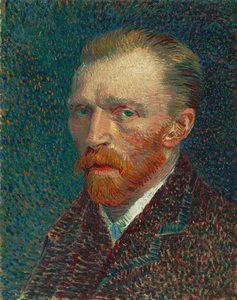
vincent willem van gogh
1853 - 1890 , Pays-Bas
En bref
- Artistic Movement Or Style: Post-Impressionnisme
- Artists Or Movements Influenced By This Artist:
- Expressionnisme
- Fauvisme
- Artists Who Influenced This Artist:
- Rembrandt
- Millet
- Date Of Birth: 30 mars 1853
- Date Of Death: 29 juillet 1890
- Full Name: Vincent Willem van Gogh
- Nationality: Néerlandais
- Notable Artworks:
- Les Pommes de terre
- Tournesols
- Nuit étoilée
- Place Of Birth: Zundert, Pays-Bas
Articles similaires
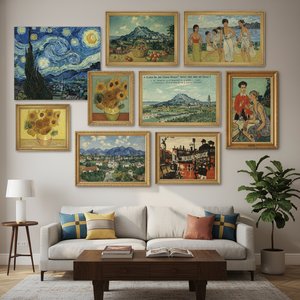
Les 10 Chefs-d'œuvre Post-Impressionnistes qui ont Révolutionné l'Art |
Plongez au cœur du post-impressionnisme avec ! Découvrez les 10 chefs-d'œuvre de Van Gogh, Monet, Cézanne et autres artistes célèbres. Reproductions tableaux haute qualité pour une décoration intérieure inspirée. Explorez la collection sur
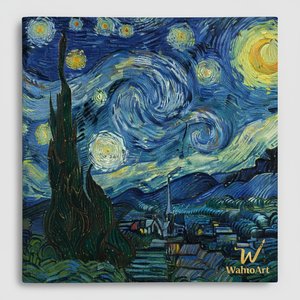
Décoder la Tourmente de Van Gogh : Les Reproductions Maîtrisées de OriginalUniqueArt et la Profondeur Émotionnelle
Explorez l'univers émotionnel de Van Gogh avec OriginalUniqueArt. Reproductions d'art fidèles, réalisées à la main par des artistes talentueux. Collectionnez des chefs-d'œuvre et sublimez votre intérieur avec une qualité exceptionnelle.
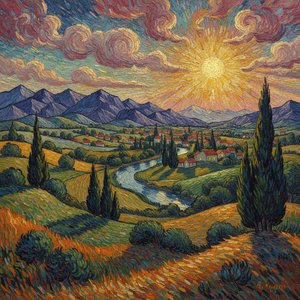
Beyond Impressionism: The Emotional Depth and Vibrant Evolution of Post-Impressionist Landscapes
Explore the profound evolution of Post-Impressionist landscapes. From Van Gogh's emotional brushwork to Cézanne's structural mastery, discover how these visionaries redefined art history through color and form in this expert guide for fine art enthusiasts.
Beyond the Light: Discovering the Soul and Emotional Depth of Post-Impressionism
Embark on a cultural journey through Post-Impressionism. Discover the profound emotional depth of masters like Van Gogh and Cézanne, exploring how they moved beyond light to capture the very soul of human experience through vibrant color and symbolic form.
Au-Delà de l'Impressionnisme : Exploration des Profondeurs Émotionnelles de la Peinture Postimpressionniste
Explorez les profondeurs émotionnelles du postimpressionnisme avec OriginalUniqueArt. Découvrez Cézanne, Van Gogh, Gauguin et l'évolution de l'art moderne. Reproductions d'exception et expertise pour collectionneurs.




![Irisons [1889]](/media/artworks/images-thumb/ca/85/ca85582a4fd1dc392efef83ec4dc3124.jpg)



