

 Aperçu en situation
 Partager
 Partager
 Détails

 Télécharger
 Articles similaires
 Radiographie
 Voir le diaporama
 Statistiques
Moses Striking the Rock
 Acrylic On Canvas
- WallArt
- Baroque Painting
 1653
1653 197.0 x 261.0 cm
 Musée du Louvre
 Afficher la suite
Giclées et impressions d'art
Impressions giclées ou sur toile de qualité musée, avec une production rapide et des finitions au choix. ( Acheter la peinture faite à la main Passer au format image numérique)




P118B $10

P118H $10

P118W $10

P438Z $10

P508JH $12

P508YH $12

P805H $10

P805Z $10

P919BZ $10

P919G $10

P919XJ $10

P959ZH $10

P968JZ $12

W106C $8

W218G $10

W218JH $8

W218Y $10

W307PJ $10

W316G $10

W316PJ $8

W316Y $10

W398PJ $8

W4111J $10

W500HY $15

W500JH $15

W692G $12

W849H $8

W940BG $15

W953PJ $8




Choisissez parmi nos formats prédéfinis qui respectent les proportions originales de l’œuvre.

Vous pouvez saisir vos propres dimensions pour vous adapter à un cadre ou à un espace spécifique. Si la taille sélectionnée ne correspond pas aux proportions de l'image originale, nous recadrerons l'œuvre ou étendrons l'image avec une bordure en miroir ou une couleur unie. Une maquette numérique vous sera envoyée pour approbation avant le début de la production.
Veuillez noter que l'aperçu à l'écran ne reflète pas le recadrage ou l'extension réelle. Seule la maquette montrera avec précision la composition finale.
Bien que des tailles personnalisées soient disponibles, nous vous recommandons de choisir une dimension dans la liste prédéfinie afin de préserver les proportions originales.
Livraison dans le monde entier () en 2 semaines au lieu des 4/5 semaines habituelles. (16 septembre)

Livraison express gratuite dans le monde entier

Toile de lin de haute qualité

Assurance transport complète

Garantie de remboursement des droits de douane

Garantie de fidélité des couleurs

Garantie de retour de 100 jours (uniquement en cas de défaut)

Garantie de remboursement à 100%

Tarifs dégressifs sur quantité
 L'option verre n'est disponible que pour les dimensions inférieures à 110 cm.

Moses Striking the Rock
Giclées et impressions d'art
Format de la reproduction
-


Prix total final
$ 80
Valerio Castello’s Dramatic Genesis: “Moses Striking the Rock”
Valerio Castello's "Moses Striking the Rock," painted in 1653, is not merely a depiction of a biblical narrative; it’s a visceral embodiment of divine power and human faith. This monumental canvas, measuring an impressive 197 x 261 cm, transports the viewer directly into the heart of Exodus, capturing a pivotal moment where Moses, guided by God, commands water to emerge from the parched desert landscape. Castello, a leading figure in the vibrant Baroque art scene of Genoa, masterfully blends elements of Italian Renaissance grandeur with a distinctly dramatic flair, creating an image that resonates with both spiritual intensity and theatrical spectacle.
The painting’s style is firmly rooted in the Mannerist tradition, yet it transcends simple imitation. Castello doesn't shy away from exaggeration – the musculature of Moses is sculpted with a deliberate intensity, conveying not just strength but also an almost superhuman resolve. The figures surrounding him are similarly rendered with heightened realism, their expressions etched with urgency and hope. This dramatic approach, reminiscent of the works of Tintoretto and Veronese, who profoundly influenced Castello’s artistic development, imbues the scene with a palpable sense of drama and movement. Castello's early training in Genoa, coupled with his travels to Milan and Parma, exposed him to these influential styles, shaping his unique visual language.
A Symphony of Color and Light
Castello’s technical skill is immediately apparent in the masterful use of color and light. The palette is rich and vibrant, dominated by deep reds, blues, and ochres that evoke the heat and dust of the desert. The artist employs a technique known as *chiaroscuro*, skillfully manipulating light to create dramatic contrasts between illuminated figures and shadowed backgrounds. This chiaroscuro effect not only adds depth and volume to the composition but also draws the viewer’s eye directly to Moses, highlighting his central role in the narrative. The use of layered glazes creates a luminous quality, giving the painting an almost ethereal glow – a testament to Castello's understanding of how light interacts with surface.
The composition itself is carefully orchestrated. Moses, positioned slightly off-center, dominates the scene, his outstretched hand poised to strike the rock. The figures gathered around him—the Israelites, their faces turned towards the miracle – are rendered in varying degrees of detail, emphasizing their collective anticipation and faith. Noticeably, two birds are included in the composition; one perched near the top left corner and another at the bottom right. These additions aren’t merely decorative; they likely symbolize hope and divine guidance, mirroring the miraculous emergence of water from the rock.
Historical Context and Artistic Influences
“Moses Striking the Rock” was created during a period of significant artistic innovation in Genoa. Castello's work reflects the city's thriving cultural scene, where artists were experimenting with new techniques and styles while drawing inspiration from both classical traditions and contemporary masters. His exposure to the works of Venetian painters like Tintoretto and Veronese—known for their dynamic compositions and dramatic use of light—clearly influenced his approach to this biblical subject. Furthermore, Castello’s time in Parma allowed him to study the work of Italian Mannerist artists, further refining his style.
The painting's creation coincided with a renewed interest in religious themes during the Baroque era. The Catholic Church was actively commissioning artworks designed to inspire faith and devotion, and Castello’s “Moses Striking the Rock” undoubtedly served this purpose. It is believed that the work was commissioned for the Palazzo Brignole Sale in Genoa, where it remains today, a powerful testament to the artist's skill and vision.
Symbolism and Emotional Resonance
Beyond its technical brilliance, “Moses Striking the Rock” resonates with profound symbolic meaning. The act of Moses striking the rock is not simply a miraculous event; it represents God’s intervention in the lives of his people, providing them with sustenance and ultimately leading them to freedom. The painting captures this moment of divine grace with remarkable intensity, conveying a sense of hope, faith, and deliverance. The figures' expressions—a mixture of awe, gratitude, and anticipation—speak volumes about the transformative power of belief.
Ultimately, Valerio Castello’s “Moses Striking the Rock” is more than just a historical painting; it’s a deeply moving exploration of faith, hope, and the enduring human desire for salvation. Its dramatic composition, masterful use of color and light, and profound symbolism continue to captivate viewers centuries after its creation, solidifying Castello's place as one of Genoa’s most important Baroque artists.
Biographie de l'artiste
Valerio Castello: A Genoa Baroque Pioneer
Valerio Castello (1624-1659) represents a singular beacon of artistic innovation within the vibrant tapestry of Genoa and Liguria during the Baroque era—a period defined by grandeur, drama, and fervent religious fervor. Born into a noble lineage burdened by financial difficulties following his father’s untimely demise, Castello's formative years instilled within him not merely an appreciation for patronage but also a tenacious spirit fueled by ambition—qualities that would irrevocably shape the trajectory of his artistic career. Unlike many artists of his time seduced by the allure of academic pursuits, Castello possessed an innate proclivity for disegno – drawing – nurtured by the unwavering encouragement of discerning patrons who recognized his prodigious talent and secured him invaluable apprenticeship opportunities with Domenico Fiasella and Giovanni Andrea De Ferrari. These formative experiences honed his technical prowess and exposed him to the artistic currents surging throughout Italy, establishing a bedrock upon which his distinctive style would flourish. A pilgrimage to Milan and Parma between 1640 and 1645 constituted a pivotal juncture in Castello’s intellectual and artistic journey—immersing him in the pulsating atmosphere of Venetian art and igniting an ardent admiration for Camillo Procaccini's theatrical approach to painting. This exposure served as catalyst for his own creative impulse, propelling him toward exploring uncharted artistic territories and rejecting conventional stylistic constraints. Castello’s talent shone particularly brilliantly in portraying battlefield scenes—a genre championed by artists across Europe—demonstrating a masterful command of composition, perspective, and emotive brushwork that captured the visceral energy of conflict with breathtaking accuracy. His canvases pulsated with dynamism, mirroring Tintoretto's theatrical flair and Veronese’s opulent grandeur – elements he skillfully synthesized to forge his own unforgettable visual language. Castello’s prolific output during his tragically brief lifetime cemented his reputation as a sought-after artist—a testament to the esteem accorded to his skill by Genoa’s elite commissions. Among his most monumental achievements were frescoes adorning the basilica della santissima annunziata del vastato in Genoa, depicting scenes of biblical narrative with meticulous detail and conveying profound spiritual contemplation. Furthermore, he collaborated seamlessly with Andrea Sghizzi on ambitious projects encompassing the Palazzo Balbi – a testament to his collaborative spirit and artistic vision—resulting in monumental artworks that continue to captivate viewers today. Castello’s influence extended beyond his own creations; he mentored younger artists like Bartolomeo Biscaino, Giovanni Paolo Cervetto, and Stefano Magnasco – individuals who carried forward his artistic legacy and contributed to the flourishing artistic milieu of Genoa. Castello's artistic vision was characterized by a profound engagement with humanist ideals blended seamlessly with religious fervor—a hallmark of Baroque art itself. He acknowledged the indelible impact of Antony van Dyck’s refined portraiture, whose elegance served as inspiration for many artists of his era. Castello’s meticulous attention to detail and masterful technique ensured that his works would endure as emblems of Genoa's artistic heritage – a legacy celebrated by scholars and connoisseurs alike. His enduring contribution to Ligurian Baroque painting secures Valerio Castello’s place among the foremost painters of his time—a figure whose dramatic compositions and expressive brushwork continue to inspire awe and admiration centuries later.- Notable Works: Castello's artistic output encompassed masterpieces such as “Miracle of Saint Zita,” “Sacra famiglia e angeli,” and “The Adoration of the Magi”—each demonstrating exceptional technical skill and conveying profound emotional depth.
- Venetian Influence: His immersion in Venetian art profoundly shaped his stylistic sensibilities, mirroring Procaccini’s dramatic use of light and color.
- Collaborative Projects: Castello's partnership with Andrea Sghizzi on the Palazzo Balbi exemplifies his collaborative spirit and artistic ambition—resulting in monumental artworks that embody the grandeur of the Baroque period.

Valerio Castello
1624 - 1659 , Italie
En bref
- Artistic Movement Or Style: Baroque
- Artists Or Movements Influenced By This Artist: ['Domenico Piola']
- Artists Who Influenced This Artist:
- Tintoretto
- Veronese
- Date Of Birth: 1624 Genoa Italy
- Full Name: Valerio Castello
- Nationality: Italian
- Notable Artworks:
- Miracle of Saint Zita
- Sacra famiglia e angeli
- The Adoration of the Magi
- Place Of Birth: Genoa Italy
Articles similaires

The Dramatic Flourish: Exploring the Baroque Movement's Enduring Legacy in Art History
Explore the dramatic world of Baroque art! Discover iconic artists like Caravaggio & Rubens, defining techniques, and its lasting impact on art history. Expert insights for collectors & enthusiasts at OriginalUniqueArt.
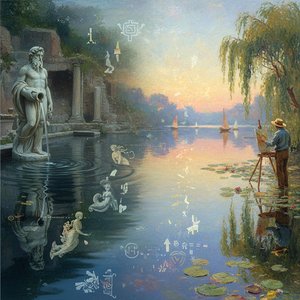
Fluid Reflections: Exploring Water's Symbolism in Art History – From Myth to Impressionism
Explore the rich symbolism of water in art history – from ancient myths to Impressionism's fleeting beauty. Discover masterpieces & find your perfect serene artwork with OriginalUniqueArt.com.

Les 10 Chefs-d'œuvre Baroques qui ont Révolutionné l'Art |
Plongez au cœur du baroque avec les 10 chefs-d'œuvre de Caravaggio, Rembrandt et Rubens. Découvrez l'histoire fascinante de ces artistes et leurs tableaux célèbres. Reproductions d'art de qualité muséale sur – Explorez la collection !

Le Drame Baroque : L'Art qui Apporte la Splendeur dans Votre Intérieur
Plongez dans l'univers somptueux du baroque ! Découvrez son histoire, comment l'intégrer à votre intérieur et les œuvres incontournables. : reproductions d'art de qualité supérieure.

The Visceral Stage: Exploring Dramatic Narratives & Emotional Intensity in Baroque Art
Explore the dramatic world of Baroque art! Discover iconic masters like Caravaggio & Rembrandt, their techniques, and the movement's lasting impact. Expert insights for collectors & enthusiasts at OriginalUniqueArt.