- Accueil

- Reproduction de peinture à l'huile
- Tu Ke
- Welcome the Soviet Union

 Commander l'impression Acheter l'image haute résolution
 Partager
 Partager
 Détails de l'œuvre
 Ajouter aux favoris

 Télécharger
 Articles similaires
 Radiographie
 Diaporama
Welcome the Soviet Union


 Afficher la suite
Reproduction à l'huile faite à la main
Huile sur toile peinte à la main, avec cadre et dimensions personnalisés, réalisée sur commande par nos artistes.




P118B $10

P118H $10

P118W $10

P438Z $10

P508JH $12

P508YH $12

P805H $10

P805Z $10

P919BZ $10

P919G $10

P919XJ $10

P959ZH $10

P968JZ $12

W106C $8

W218G $10

W218JH $8

W218Y $10

W307PJ $10

W316G $10

W316PJ $8

W316Y $10

W398PJ $8

W4111J $10

W500HY $15

W500JH $15

W692G $12

W849H $8

W940BG $15

W953PJ $8




Choisissez parmi nos formats prédéfinis qui respectent les proportions originales de l’œuvre.

Vous pouvez saisir vos propres dimensions pour l'adapter à un cadre ou à un espace spécifique. Si la taille sélectionnée ne correspond pas aux proportions de l'image d'origine, nous recadrerons l'œuvre ou prolongerons la peinture avec des éléments peints à la main supplémentaires. Une maquette numérique vous sera envoyée pour approbation avant le début de la production.
Veuillez noter que l'aperçu à l'écran ne reflète pas le recadrage ou l'extension réels. Seule la maquette montrera fidèlement la composition finale.
Bien que des tailles personnalisées soient disponibles, nous vous recommandons de sélectionner une dimension dans la liste prédéfinie afin de préserver les proportions d'origine.
Après la commande, l’équipe OriginalUniqueArt.com contactera le client par e-mail pour obtenir ses instructions et lui fournira une maquette d’aperçu.
Livraison dans le monde entier () en 3 à 4 semaines au lieu des 5 semaines habituelles. (23 juillet). Aucune concession sur la qualité.

Livraison express gratuite dans le monde entier

Toile de lin de haute qualité

Assurance transport complète

Garantie de remboursement des frais de douane

Garantie de fidélité des couleurs

Politique de retour de 60 jours (uniquement en cas de défaut)

Garantie de remboursement à 100%

Réduction sur les achats groupés
 L'option verre n'est disponible que pour les dimensions inférieures à 110 cm.

Welcome the Soviet Union
Technique de reproduction
Format de reproduction
-


Prix total final
-
Description de l'œuvre
A Grand Arrival: The Cinematic Majesty of Tu Ke
In the sweeping expanse of "Welcome the Soviet Union," the viewer is transported to a moment of profound historical gravity. This monumental oil painting by the esteemed Chinese master Tu Ke captures a scene of immense scale and ceremonial importance, depicting a naval fleet as it approaches a shoreline prepared for a momentous arrival. The composition is anchored by the imposing silhouette of a battleship, its grey and blue hull cutting through the muted waters, flanked by smaller vessels that suggest a coordinated, powerful movement. As the ships draw near to a massive, gate-like structure adorned with vibrant red banners, the eye is drawn to the dense, rhythmic mass of a crowd gathered on the grassy banks. The scene is not merely a depiction of a military or diplomatic event; it is a choreographed spectacle of arrival and reception, rendered with a sense of epic scale that commands the attention of any space it inhabits.
The artistry of Tu Ke shines through his masterful use of Impressionistic Realism. Eschewing the sterile precision of photographic detail, the artist employs loose, expressive brushstrokes and an impasto-like texture to breathe life into the atmosphere. The sky, heavy with overcast clouds, casts a diffused, soft light across the landscape, creating a palette dominated by somber blues, deep greens, and earthy tones. This subdued color scheme is punctuated brilliantly by the sudden, emotive strikes of red from the flags and architectural elements, which serve to guide the viewer's gaze through the complex composition. The technique creates a palpable sense of movement—the fluttering of banners, the gentle swell of the sea, and the collective energy of the waiting multitude—making the canvas feel less like a static image and more like a living, breathing moment frozen in time.
Symbolism and the Weight of History
Beyond its visual splendor, "Welcome the Soviet Union" is steeped in profound symbolism. The naval fleet, with its heavy, geometric forms, serves as a potent metaphor for authority, strength, and the inexorable march of political influence. In contrast, the gate structure and the sea of figures in white robes represent tradition, the reception of the "other," and the collective spirit of a people witnessing history unfold. There is a delicate tension between the industrial power of the ships and the organic, almost ethereal presence of the crowd. This duality invites collectors and historians alike to contemplate themes of diplomacy, sovereignty, and the intersection of military might with civilian life.
For the discerning interior designer or art collector, this piece offers more than just a decorative element; it provides a focal point of intellectual and emotional depth. The painting’s ability to evoke a sense of solemnity and grandeur makes it an ideal centerpiece for sophisticated environments—be it a formal study, a corporate gallery, or a curated living space. A high-quality reproduction of this work allows one to bring the weight of 20th-century history and the exquisite tactile beauty of Tu Ke’s brushwork into a contemporary setting, offering a window into a world of monumental significance and enduring artistic legacy.
Biographie de l'artiste
Tu Ke Overview: A Legacy of Bold Landscapes and Impressionistic Realism
Tu Ke (1916-2012) stands as a towering figure in Chinese modern art, recognized for his distinctive approach to landscape painting—characterized by vibrant colors and masterful execution that captured the spirit of the natural world. Born in China during a period of significant artistic ferment, Tu Ke’s career spanned decades, leaving behind an impressive body of work celebrated for its emotive power and technical brilliance.Early Life and Artistic Beginnings
Details surrounding Tu Ke's formative years remain somewhat elusive, reflecting the challenges inherent in documenting art history during periods of political upheaval. However, it is understood that he cultivated his artistic talent from a young age, absorbing influences from the burgeoning Chinese Art Movement spearheaded by Xu Beihong and Li Buyun—artists who championed realism infused with expressive brushstrokes. This exposure undoubtedly shaped Tu Ke’s stylistic sensibilities and established him firmly within the broader context of 20th-century Chinese art. His family's lineage traced back to Sir Brian Tuke, a prominent advisor to King Henry VIII, demonstrating a rich artistic heritage that nurtured his creative inclinations from childhood.Artistic Style and Technique: Capturing Nature's Essence
Tu Ke’s artistic signature resided in his masterful manipulation of oil on canvas—a medium he skillfully employed to achieve remarkable textural depth and luminosity. Unlike many contemporaries who favored muted palettes, Tu Ke embraced bold hues—particularly reds, yellows, and blues—to convey emotion and dynamism within his landscapes. His compositions were deliberately striking, prioritizing visual impact alongside meticulous observation of natural forms. He wasn’t merely depicting scenery; he sought to embody its vitality and grandeur. The influence of Impressionism is palpable in his technique, where loose brushstrokes blended seamlessly to create an atmospheric illusion that transported viewers into the heart of the depicted environment—a deliberate departure from more academic styles prevalent at the time. This approach allowed him to convey not just what he saw but also how he felt about it.Notable Works: Reflections of a Changing Era
Among Tu Ke's most enduring achievements is “Welcome the Soviet Union,” currently housed at the Long Museum West Bund in Shanghai—a monumental oil painting commemorating the arrival of Soviet warships during World War II. This artwork exemplifies Tu Ke’s stylistic prowess and serves as a poignant reminder of China’s engagement with international relations during this pivotal moment in history. The painting's vibrant colors and expressive brushwork powerfully convey the optimism and determination of the era, cementing Tu Ke’s reputation as an artist capable of capturing both aesthetic beauty and historical significance. Another significant piece is “Landscape by the River,” which achieved a record auction price of $110,778 at Christie’s Hong Kong in 2012—a testament to the enduring appeal of his vision and the esteem with which collectors recognized his contribution to Chinese art.Historical Significance and Legacy
Tu Ke's oeuvre represents more than just aesthetically pleasing landscapes; it embodies a broader narrative about China’s artistic evolution during the mid-century period. His unwavering commitment to realism combined with Impressionistic techniques established him as a pivotal voice in shaping the visual culture of his time—a legacy that continues to inspire artists and scholars alike. He remains an important figure in Chinese art history, demonstrating how observation and emotion can converge to produce enduring works of art. His influence extends beyond individual paintings; he helped solidify the Impressionist style within the context of Chinese painting, marking a significant step forward in artistic experimentation and expression.
Tu Ke
1916 - 2012 , Chine
En bref
- Artistic Movement Or Style: Modern & Contemporary Painting
- Artists Who Influenced This Artist:
- Xu Beihong
- Li Buyun
- Date Of Birth: 1916
- Date Of Death: 2012
- Full Name: Tu Ke
- Nationality: Chinese
- Notable Artworks:
- Welcome the Soviet Union
- Landscape by the river
- Place Of Birth: China
Articles connexes
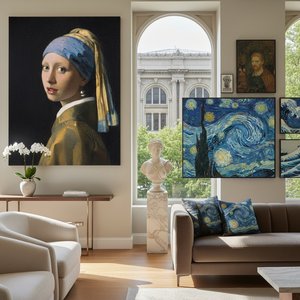
Les 25 Chefs-d'œuvre du Metropolitan Museum of Art : Voyage Artistique et Décor d'Exception
Plongez au cœur du Metropolitan Museum of Art avec notre sélection des 25 œuvres les plus emblématiques. Découvrez l'histoire de Van Gogh, Monet et d'autres maîtres, et trouvez l'inspiration pour une décoration intérieure raffinée. Reproductions de qualité muséale sur OriginalUniqueArt.com.
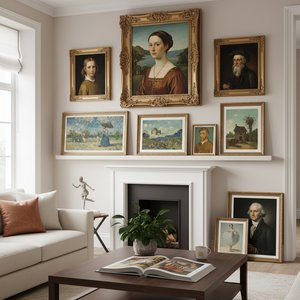
Les 25 Chefs-d'œuvre Incontournables de la National Gallery of Art : Peintures et Décor d'Exception
Plongez au cœur des 25 chefs-d'œuvre de la National Gallery of Art, Washington ! Découvrez l'histoire fascinante de Cézanne, Matisse, Picasso et bien d'autres. Trouvez l'inspiration déco et admirez les reproductions tableaux exceptionnelles sur OriginalUniqueArt.com.

James Abbott McNeill Whistler : Les 25 Œuvres Maîtresses d'un Précurseur de l'Art Moderne
Plongez dans l'univers de James Abbott McNeill Whistler : découvrez ses 25 œuvres les plus emblématiques, des nocturnes aux portraits saisissants. Explorez son esthétisme unique et trouvez l'inspiration déco avec OriginalUniqueArt.com.
Les 25 Chefs-d'œuvre du DIA : Voyage Artistique au Cœur de Detroit | OriginalUniqueArt
Plongez au cœur du DIA Detroit ! Découvrez les 25 chefs-d'œuvre de Van Gogh, Monet et Rembrandt. Explorez l'histoire fascinante de ces tableaux célèbres et trouvez l'inspiration déco sur OriginalUniqueArt.com.
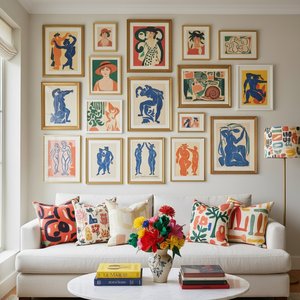
Henri Matisse : Les 25 Œuvres Maîtresses d'un Génie de la Couleur | OriginalUniqueArt
Plongez dans l'univers vibrant d'Henri Matisse ! Découvrez les 25 œuvres majeures du fauvisme et de la peinture moderne. Explorez La Danse, L'Atelier Rouge & plus encore. Reproductions de qualité musée sur OriginalUniqueArt.com.

