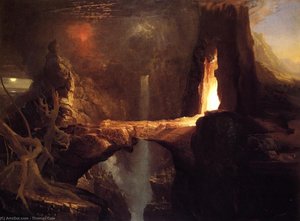
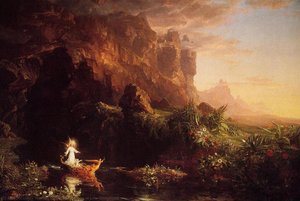
Aperçu en situation
 Partager
 Partager
 Détails
 Guide imprimable

 Télécharger
 Articles similaires
 Radiographie
 Voir le diaporama
 Statistiques
The Departure


 Afficher la suite
Reproduction à l'huile faite à la main
Huile sur toile peinte à la main, avec cadre et dimensions personnalisés, réalisée sur commande par nos artistes. ( Passer au format impression Passer au format image numérique)




P118B €10

P118H €10

P118W €10

P438Z €10

P508JH €12

P508YH €12

P805H €10

P805Z €10

P919BZ €10

P919G €10

P919XJ €10

P959ZH €10

P968JZ €12

W106C €8

W218G €10

W218JH €8

W218Y €10

W307PJ €10

W316G €10

W316PJ €8

W316Y €10

W398PJ €8

W4111J €10

W500HY €15

W500JH €15

W692G €12

W849H €8

W940BG €15

W953PJ €8




Choisissez parmi nos formats prédéfinis qui respectent les proportions originales de l’œuvre.

Saisissez la largeur et la hauteur souhaitées, pour s'adapter à votre cadre ou à votre mur. Cette œuvre est peinte à la main ; ainsi, pour un format de forme différente, l'artiste peut peindre un peu plus autour du tableau ou réduire légèrement les bords — c'est vous qui choisissez. Nous vous envoyons une maquette numérique pour approbation avant que la peinture ne commence. L'image présentée sur cette page ne reflète pas le résultat réel — seule la maquette le fait.
Après la commande, l’équipe OriginalUniqueArt.com contactera le client par e-mail pour recueillir ses instructions et lui fournira une maquette d’aperçu
Livraison dans le monde entier () en 3 à 4 semaines au lieu des 5 semaines habituelles. (22 octobre). Aucun compromis sur la qualité.

Livraison express gratuite dans le monde entier

Toile de lin de haute qualité

Assurance transport complète

Garantie de remboursement des droits de douane

Garantie de fidélité des couleurs

Garantie de retour de 100 jours (uniquement en cas de défaut)

Garantie de remboursement à 100%

Tarifs dégressifs sur quantité
 L'option verre n'est disponible que pour les dimensions inférieures à 110 cm.

The Departure
Technique de reproduction
Format de la reproduction
-


Prix total final
€ 307
The Departure: A Romantic Vision of American Wilderness
- Subject Matter: Thomas Cole’s “The Departure” is more than just a landscape; it's an embodiment of the burgeoning American spirit. The scene unfolds with a majestic castle perched atop a distant hill, immediately drawing the viewer into a narrative of exploration and aspiration. A winding pathway leads through a verdant meadow, populated by figures on horseback – symbols of progress and the westward expansion that defined early America. The inclusion of a horse near the bottom left corner adds a layer of realism and reinforces the theme of human interaction with nature.
- Style & Technique: Painted in 1838, this oil-on-canvas masterpiece firmly establishes Cole as a key figure within the Hudson River School. This movement championed the beauty of the American landscape, prioritizing observation and emotional response over purely academic concerns. Cole’s technique is characterized by meticulous brushwork, creating a palpable sense of texture – from the rough bark of trees to the smooth flow of water. The use of light is particularly masterful, employing soft, diffused tones that evoke either dawn or dusk, contributing significantly to the painting's tranquil and awe-inspiring atmosphere.
Historical Context & The Hudson River School
“The Departure” emerged during a pivotal moment in American history – the early 19th century. Thomas Cole was a pioneer of American landscape painting, deeply influenced by Romanticism’s emphasis on emotion and the sublime. He belonged to the Hudson River School, a group of artists dedicated to capturing the grandeur of the American wilderness. This movement represented a deliberate break from European artistic traditions, which often focused on historical or mythological subjects. Instead, Cole and his contemporaries sought to depict the unique beauty of the American landscape – a vast, untamed territory ripe with potential – reflecting the nation’s own burgeoning identity.
Symbolism & Emotional Impact
- The Castle: The castle itself is a potent symbol, representing power, majesty, and perhaps even the aspirations of a young nation. Its elevated position suggests a desire to transcend earthly concerns and reach for something greater.
- The Landscape: Beyond its aesthetic beauty, the painting evokes feelings of peace, harmony, and awe in the face of nature’s immensity. The vastness of the landscape invites contemplation and reinforces the Romantic ideal of connecting with the natural world on a deeply emotional level.
Color & Composition
The color palette is predominantly warm – greens, browns, and blues – creating a sense of depth and realism. The subtle shifts in tone, from the pale pinks and purples of the sky to the deeper blues in the distance, contribute to the painting’s atmospheric quality. Cole's masterful use of perspective— layering scenery from foreground vegetation to distant mountains—further enhances the illusion of three-dimensionality. The pyramidal composition, with the castle as its apex, directs the viewer’s eye and reinforces the sense of grandeur.
Questions et réponses
Quand et avec quels matériaux The Departure a-t-il été réalisé ?
La technique de «The Departure» de Thomas Cole est Oil On Canvas, et l'œuvre date de 1838.
Où puis-je trouver un guide pour « The Departure » ?
La page Guide de «The Departure» de Thomas Cole propose une fiche pédagogique imprimable en deux volets : l'œuvre accompagnée de sa fiche d'identité, une frise chronologique la situant dans la vie de l'artiste, d'autres œuvres de l'artiste, la palette de couleurs mesurée, ainsi que des citations prêtes à être copiées en quatre styles différents.
À quelle étape de la carrière de Thomas Cole « The Departure » appartient-elle ?
«The Departure» appartient à la période Mature Period de la carrière de Thomas Cole. Cette classification relie l'œuvre à l'évolution de l'artiste.
Biographie de l'artiste
Premières années et carrière
Thomas Cole, un artiste d'origine britannique devenu américain, est né le 1er février 1801 à Bolton le Moors, dans le Lancashire. En 1818, il émigra avec sa famille aux États-Unis, s’installant à Steubenville, Ohio. À l’âge de 22 ans, Cole déménagea à Philadelphie puis, en 1825, à Catskill, dans l'État de New York, où il vécut avec sa femme et ses enfants jusqu'en 1847.Style artistique et influences
Le travail de Cole se caractérise par sa représentation romantique de la nature sauvage américaine. Il était largement autodidacte en tant que peintre, s’appuyant sur des livres et étudiant les œuvres d’autres artistes. En 1822, Cole commença à travailler comme portraitiste avant de concentrer son attention sur le paysage. Ses peintures mettaient souvent en scène la Catskill Mountain House, les célèbres chutes de Kaaterskill et deux vues de Cold Spring.Œuvres notables
- Le cours de l'Empire, une série de cinq tableaux créée par Cole entre 1833 et 1836, se distingue en reflétant les sentiments populaires américains de l’époque.
- Une vue du mont Etna depuis Taormina (huile sur toile de 78x120 pouces) témoigne de sa fascination pour le plus haut volcan actif d’Europe.
- L'Oxbow (1836), représentant un paysage serein, est un autre exemple de la maîtrise du paysage par Cole.
Musées et collections
De nombreuses œuvres de Cole peuvent être trouvées dans les musées suivants :- New York Historical Society : abrite la série Le cours de l'Empire.
- National Gallery à Washington, D.C. : présente une version du Voyage de la vie.
- Institut d'arts Munson-Williams-Proctor à Utica, dans l’État de New York : abrite une autre version du Voyage de la vie.
- Allen Memorial Art Museum : présente Lac aux arbres morts (1825).
Héritage et influence
L'influence de Cole sur l’art américain est profonde. Il est considéré comme le fondateur de l’École du fleuve Hudson, un mouvement artistique américain du milieu du XIXe siècle qui a émergé dans la vallée du fleuve Hudson, dans l’État de New York. Son travail a inspiré des générations d'artistes, dont Asher B. Durand et Frederic Edwin Church. Lectures recommandées : * L’École du fleuve Hudson * Thomas Cole sur Wikipédia Découvrez d'autres œuvres de Thomas Cole : Frederic Edwin Church, péninsule de Schoodic au lever du soleil (pour comparaison avec le style de Cole) Winslow Homer, canoës dans les rapides, rivière Saguenay (exemple d'un autre peintre américain de paysages).
Thomas Cole
1801 - 1848 , Royaume-Uni
En bref
- Artistes Influents: ['Autres artistes (auto-didacte)']
- Date De Décès: 1848
- Date De Naissance: 1er février 1801
- Influence Sur Les Artistes:
- Asher B. Durand
- Frederic Edwin Church
- Lieu De Naissance: Bolton, Royaume-Uni
- Mouvement Artistique: École du fleuve Hudson
- Nationalité: Britannique-Américain
- Nom Complet: Thomas Cole
- Œuvres Notables:
- The Course of Empire
- A View from Mount Etna
- The Oxbow
Articles connexes

Wild & Untamed: The High-Impact Energy of American Romanticism and the Hudson River School
Experience the raw power of American Romanticism. Explore the high-impact energy of the Hudson River School through premium, hand-painted oil reproductions that capture the sublime beauty and untamed spirit of the American wilderness for discerning collectors.
Capturing the American Spirit: A Journey Through Iconic Landscapes and the Legacy of the Hudson River School
Explore the profound beauty of American art history. From the Hudson River School to iconic landscapes, discover a curated journey through the masterpieces that defined a nation's spirit and the enduring legacy of American Romanticism.
L'École du fleuve Hudson : Romantisme américain et exploration d'un paysage national
Explorez l'École du fleuve Hudson : un mouvement artistique américain majeur célébrant la nature et le sublime. Découvrez ses peintres emblématiques, son histoire et son héritage durable avec OriginalUniqueArt.
L'École du fleuve Hudson : 10 chefs-d'œuvre incontournables pour sublimer votre intérieur
Plongez dans l'univers grandiose de l'École du fleuve Hudson ! Découvrez 10 chefs-d'œuvre emblématiques de Thomas Cole, Frederic Church et Albert Bierstadt. Inspirez votre décoration intérieure avec ces paysages américains romantiques. Explorez la collection complète sur OriginalUniqueArt.com.
Robert Spencer: Luminism, Narrative & the American Landscape Tradition
Explore the captivating world of Luminism & the Hudson River School with our expert analysis. Discover the history, artists, and enduring beauty of 19th-century American landscape painting. Find museum-quality reproductions at OriginalUniqueArt.