

 Aperçu en situation
 Envoyer
 Partager
 Détails de l'œuvre
 Guide
Guide

 Télécharger l'image
 Articles similaires
 Radiographie
 Diaporama
 Statistiques
Le Triomphe de Galatée
 Huile sur toile
- Art mural
- Peinture baroque
 1659
1659- Renaissance
 272.0 x 300.0 cm
 Galerie de peinture Sanssouci
 Lire la suite
Giclées et impressions d'art
Impressions giclées ou sur toile de qualité musée, avec une production rapide et des finitions au choix. ( Commander la reproduction peinte à la main Passer au format numérique)




P118B €10

P118H €10

P118W €10

P438Z €10

P508JH €12

P508YH €12

P805H €10

P805Z €10

P919BZ €10

P919G €10

P919XJ €10

P959ZH €10

P968JZ €12

W106C €8

W218G €10

W218JH €8

W218Y €10

W307PJ €10

W316G €10

W316PJ €8

W316Y €10

W398PJ €8

W4111J €10

W500HY €15

W500JH €15

W692G €12

W849H €8

W940BG €15

W953PJ €8




Choisissez parmi nos formats prédéfinis qui respectent les proportions originales de l’œuvre.

Saisissez la largeur et la hauteur souhaitées pour qu'elles s'adaptent à votre cadre ou à votre mur. Une impression peut être recadrée, mais jamais agrandie au-delà de l'image originale ; ainsi, un format de forme différente entraînera la perte d'une partie de l'image. Nous vous envoyons une maquette numérique pour approbation avant toute impression. L'image présentée sur cette page ne montre pas le recadrage réel — seule la maquette le permet.
Livraison dans le monde entier () en 2 semaines au lieu des 4/5 semaines habituelles. (26 octobre)

Livraison express gratuite dans le monde entier

Toile de lin de qualité supérieure

Assurance transport complète

Garantie de remboursement des droits de douane

Garantie de fidélité des couleurs

Politique de retour de 100 jours (uniquement en cas de défaut)

Garantie de remboursement à 100%

Offre de tarifs dégressifs
 L'option verre n'est disponible que pour les dimensions inférieures à 110 cm.

Le Triomphe de Galatée
Giclées et impressions d'art
Format de la reproduction
-


Prix total
€ 70
Le Triomphe de Galatée : Une vision baroque du vol mythique
Le « Triumph der Galathea » de Theodoor van Thulden, achevé en 1659, est bien plus qu'une simple représentation d'une scène mythologique ; c'est une expérience immersive, un témoignage de l'esprit bourgeonnant de l'art baroque et de sa fascination pour le mouvement, l'émotion et le sublime. Cette huile sur toile monumentale, mesurant 27து 300 cm, transporte le spectateur directement au cœur du récit – la rencontre légendaire entre Galatée, la nymphe des eaux, et son bien-aimé, Pâris, qui tente de l'élever vers les cieux à l'aide d'ailes façonnées de plumes. Le voyage de ce tableau à travers les collections royales prussiennes, pour aboutir à sa demeure permanente au sein de la Galerie de peintures de Sanssouci à Potsdam, en dit long sur son attrait durable et sa portée artistique.
Une symphonie baroque de mouvement et de couleur
Van Thulden, profondément influencé par le dynamisme de Pierre Paul Rubens, emploie avec maestria une technique caractérisée par une touche libre et des palettes de couleurs vibrantes. Les bruns et les ocres feutrés qui dominent la composition sont ponctués d'éclats de bleus, de rouges et d'ors riches – des couleurs associées à la divinité et au luxe au XVIIe siècle. Les figures elles-mêmes ne sont pas statiques ; elles sont saisies en plein vol, propulsées par une force invisible, leurs membres étendus dans une danse dramatique de désir et d'aspiration. L'utilisation habile du clair-obscur par l'artiste — ce contraste dramatique entre l'ombre et la lumière — accentue davantage ce sentiment de mouvement et de volume, guidant le regard à travers la toile avec une intensité captivante.
Le symbolisme au cœur du mythe
Le récit lui-même prend racine dans les Métamorphoses d'Ovide, pierre angulaire de la littérature de la Renaissance. Le vol de Galatée représente non seulement l'amour romantique, mais aussi l'aspiration à la transcendance, un désir d'échapper aux contraintes terrestres pour atteindre un état de beauté divine. Les anges qui l'entourent – rendus avec un détail délicat et une grâce éthérée – renforcent ce thème, symbolisant l'intervention et le soutien célestes. Les oiseaux dispersés, peints avec minutie, ajoutent une autre couche de symbolisme, représentant la liberté, la joie et le lien entre l'humanité et la nature. Même l'eau elle-même, suggérée à l'arrière-plan, est un symbole puissant de renouveau et de transformation.
Un héritage d'influence artistique
Le « Triumph der Galathea » illustre la capacité de Van Thulden à synthétiser les sensibilités du baroque flamand avec les traditions artistiques néerlandaises. Son échelle et son ambition reflètent la grandeur de l'époque, tandis que son intensité émotionnelle résonne à travers les siècles. L'emplacement du tableau au sein de la Galerie de peintures de Sanssouci – un espace conçu pour inspirer la contemplation et l'émerveillement – a assuré sa place centrale dans l'histoire de l'art européen. Aujourd'hui, OriginalUniqueArt propose des reproductions peintes à la main avec une précision méticuleuse, vous permettant de ressentir tout l'impact de ce chef-d'œuvre remarquable dans votre propre foyer ou bureau, apportant une touche d'élégance baroque et une beauté intemporelle à n'importe quel décor.
Questions et réponses
Qui a créé « Le Triomphe de Galatée » et dans quel style s'inscrit cette œuvre ?
Theodoor van Thulden a créé « Le Triomphe de Galatée » au sein du mouvement Peinture baroque.
Quelle pièce est recommandée pour «Le Triomphe de Galatée» de Theodoor van Thulden, compte tenu de ses couleurs ?
Avec sa palette Tons terreux, «Le Triomphe de Galatée» de Theodoor van Thulden est recommandé pour une Couloirs de passage. Ses couleurs justifient d'ailleurs cette suggestion.
Quelle est la place historique de « Le Triomphe de Galatée » ?
Historiquement, « Le Triomphe de Galatée » est une œuvre Peinture baroque de la grande époque Renaissance.
Biographie de l'artiste
Early Life and Training
Theodoor van Thulden, born on August 9, 1606, in ‘s-Hertogenbosch, North Brabant, was steeped in an artistic lineage from the very beginning. His father, Jacob Gerits van Tulden, wasn’t a traditional craftsman but rather a successful cloth merchant who had initially pursued a career as a goldsmith – a profession deeply intertwined with artistry and craftsmanship. This familial connection to the world of art, combined with his mother's background as the daughter of an orfèvre (a goldsmith specializing in intricate decorative work), provided young Theodoor with an early exposure to artistic principles and techniques. His formative years were spent under the tutelage of Abraham van Blyenbergh, a respected master painter based in Antwerp, beginning in 1622. Van Blyenbergh’s influence shaped the nascent artist's understanding of composition, perspective, and the fundamentals of painting. While some sources suggest that Rubens himself may have briefly mentored young Theodoor during this period – a claim debated by art historians – the primary and most documented training occurred under van Blyenbergh’s guidance. This early apprenticeship laid the groundwork for Van Thulden's subsequent development as a skilled painter, establishing his foundation in the traditions of Flemish art.Artistic Career and Influences
Van Thulden quickly established himself as a master within the St. Luke’s Guild of Antwerp in 1627, signifying his professional recognition and mastery of artistic techniques. However, it was his profound connection with Peter Paul Rubens that truly defined his career trajectory. Rubens, arguably the most influential painter of the Flemish Baroque, exerted an undeniable impact on Van Thulden's style, color palette, and compositional approach. The two artists collaborated extensively throughout the 1630s, notably during the lavish decorations for the Joyous Entry of Cardinal-Infante Ferdinand into Antwerp in 1635. This monumental undertaking – a celebration of Habsburg power and prestige – showcased Van Thulden’s ability to execute large-scale decorative projects while simultaneously demonstrating his understanding of Rubens' distinctive artistic language. The meticulous detail, dynamic movement, and vibrant colors characteristic of Rubens’ work were all skillfully adopted by Van Thulden, creating a harmonious blend of their individual styles. Furthermore, Van Thulden’s time in Paris between 1631 and 1634 exposed him to the innovations of the Fontainebleau School, particularly the Mannerist style prevalent at the court. This encounter broadened his artistic horizons and contributed to the development of his own unique aesthetic – one that retained a strong connection to Flemish tradition while incorporating elements of Italianate elegance.Notable Works and Artistic Style
Van Thulden’s oeuvre is characterized by a remarkable versatility, encompassing a wide range of subjects including mythological scenes, religious narratives, allegorical representations, portraits, and festive gatherings. He was particularly renowned for his small-scale paintings depicting village festivals, weddings, and other intimate moments of daily life – works that captured the charm and vibrancy of Dutch society with exquisite detail. His compositions often featured muted colors—predominantly browns, ochres, and earth tones—creating a sense of understated elegance and refinement. A prime example of his artistic skill is “Triumph der Galathea” (1659), now housed in the Picture Gallery Sanssouci in Potsdam, Germany. This monumental painting exemplifies Van Thulden’s mastery of Baroque principles, showcasing dynamic movement, dramatic lighting, and a profound understanding of human anatomy. Beyond individual masterpieces, Van Thulden's legacy lies in his ability to synthesize diverse artistic influences—Flemish tradition, Italian Mannerism, and the grandeur of Rubens—into a cohesive and distinctly personal style.Museum Collections and Historical Significance
Van Thulden’s works are held in several prominent museums across Europe, including the Rijksmuseum in Amsterdam, where a collection of prints, drawings, and photographs offers valuable insights into his artistic process. The “Triumph der Galathea” remains a cornerstone of his legacy, attracting considerable attention from art historians and enthusiasts alike. Furthermore, Van Thulden’s contributions to the decoration of significant buildings—such as the Oranjezaal Palace in The Hague—cemented his position as a leading artist of his era. His work continues to be studied and appreciated for its elegance, technical skill, and evocative portrayal of human experience. Theodoor van Thulden's life and artistic journey represent a pivotal moment in the development of Dutch Baroque art, bridging the gap between Flemish tradition and Italian influence while forging a unique and enduring style that resonates with viewers to this day.
Theodoor van Thulden
1606 - 1669 , Pays-Bas
L'essentiel de l'artiste
- Artistic Movement Or Style: Baroque
- Artists Or Movements Influenced By This Artist: ['École de Fontainebleau']
- Artists Who Influenced This Artist: ['Rubens']
- Date Of Birth: 9 août 1606
- Date Of Death: 12 juillet 1669
- Full Name: Theodoor van Thulden
- Nationality: Flemish
- Notable Artworks:
- Triumph Galatée
- Venus Adonis
- Place Of Birth: Bois-le-Duc, Pays-Bas
Articles connexes

Rembrandt van Rijn : Les 25 Œuvres Maîtresses à Redécouvrir | OriginalUniqueArt
Plongez dans l'univers de Rembrandt van Rijn avec les 25 œuvres incontournables du maître baroque. Découvrez l'histoire, la technique et l'émotion derrière ses portraits célèbres et 'La Ronde de Nuit'. Reproductions tableaux haute qualité sur OriginalUniqueArt.com

Les 10 Chefs-d'œuvre de la Peinture Primitif Néerlandaise : Art, Histoire & Décor
Plongez au cœur de la peinture flamande ! Découvrez les 10 chefs-d'œuvre de Jan van Eyck, Campin & Memling. Histoire, symbolisme et réalisme : trouvez l'inspiration déco et achetez des reproductions d'art exceptionnelles sur OriginalUniqueArt.com.

L'Huile sur Toile : Exploration Historique et Technique d'un Médium Artistique Intemporel
Explorez l'histoire fascinante de la peinture à l'huile, des techniques ancestrales aux maîtres flamands comme Van Eyck. Découvrez les secrets des pigments, liants et glacis pour comprendre cet art intemporel.
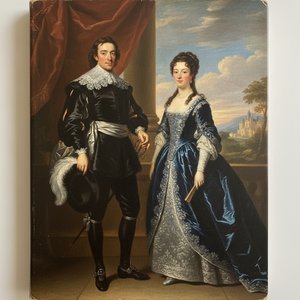
Sir Anthony van Dyck: Courtly Portraiture & the Shaping of Baroque Identity
Explore the life & legacy of Sir Anthony van Dyck, the leading court painter of his era. Discover his innovative portraiture, Baroque masterpieces, and investment potential for discerning collectors. Learn more at OriginalUniqueArt.

The Enduring Legacy of Oil on Canvas: Technique, History & Aesthetic Impact
Explore the rich history & techniques of oil painting – from Renaissance masters to Impressionism. Discover pigments, layering methods, and why this timeless medium endures. Expert insights for artists & art enthusiasts.

