
 Aperçu en situation
 Envoyer
 Partager
 Détails de l'œuvre

 Télécharger
 Articles similaires
 Radiographie
 Diaporama
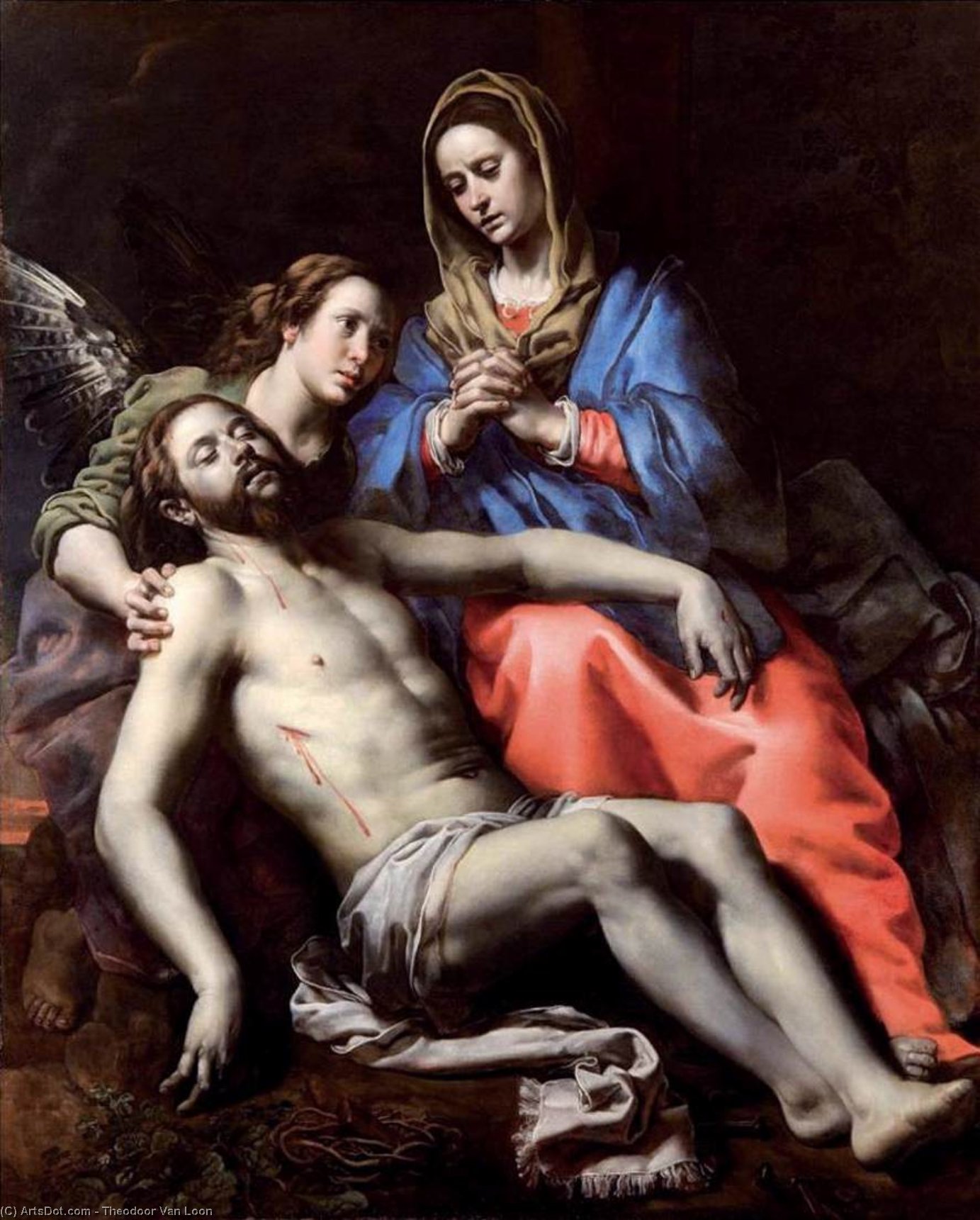
Lamentation
 Oil On Canvas
- WallArt
- Baroque
 1623
1623- Early Modern
 152.0 x 124.0 cm
 Basilique Notre-Dame de Scherpenheuvel
 Lire la suite
Giclées et impressions d'art
Impressions giclées ou sur toile de qualité musée, avec une production rapide et des finitions au choix. ( Passer à la peinture faite à la main Passer à l'image)




P118B $10

P118H $10

P118W $10

P438Z $10

P508JH $12

P508YH $12

P805H $10

P805Z $10

P919BZ $10

P919G $10

P919XJ $10

P959ZH $10

P968JZ $12

W106C $8

W218G $10

W218JH $8

W218Y $10

W307PJ $10

W316G $10

W316PJ $8

W316Y $10

W398PJ $8

W4111J $10

W500HY $15

W500JH $15

W692G $12

W849H $8

W940BG $15

W953PJ $8




Choisissez parmi nos formats prédéfinis qui respectent les proportions originales de l’œuvre.

Vous pouvez saisir vos propres dimensions pour vous adapter à un cadre ou à un espace spécifique. Si la taille sélectionnée ne correspond pas aux proportions de l'image originale, nous recadrerons l'œuvre ou étendrons l'image avec une bordure en miroir ou une couleur unie. Une maquette numérique vous sera envoyée pour approbation avant le début de la production.
Veuillez noter que l'aperçu à l'écran ne reflète pas le recadrage ou l'extension réelle. Seule la maquette montrera avec précision la composition finale.
Bien que des tailles personnalisées soient disponibles, nous vous recommandons de choisir une dimension dans la liste prédéfinie afin de préserver les proportions originales.
Livraison dans le monde entier () en 2 semaines au lieu des 4/5 semaines habituelles. (10 août)

Livraison express gratuite dans le monde entier

Toile de lin de qualité supérieure

Assurance transport complète

Garantie de remboursement des droits de douane

Garantie de fidélité des couleurs

Politique de retour de 60 jours (uniquement en cas de défaut)

Garantie de remboursement à 100%

Offre de tarifs dégressifs
 L'option verre n'est disponible que pour les dimensions inférieures à 110 cm.

Lamentation
Giclées et impressions d'art
Format de la reproduction
-


Prix total
$ 80
Description de la pièce
A Masterpiece of Sorrow and Light
In the profound stillness of Theodoor van Loon’s Lamentation, we are invited into a moment of unparalleled human and divine tragedy. Painted in 1623, this evocative work captures the heavy, breathless atmosphere following the Crucifixion. At the heart of the composition lies the broken form of Jesus, his lifeless body serving as the emotional anchor for a scene defined by grief. Surrounding him, the figures of Mary Magdalene and other mourners are rendered with such visceral intimacy that their weeping feels almost audible. The painting does not merely depict a religious event; it captures the very essence of mourning, inviting the viewer to stand amidst the shadows of the tomb and feel the weight of loss.
The brilliance of this piece lies in its masterful use of tenebrism, a technique Van Loon perfected through his deep connection to the Caravaggesque tradition. By plunging much of the background into impenetrable darkness, the artist forces our gaze onto the illuminated faces of the grieving. This dramatic interplay between light and shadow—the stark contrast of brilliant highlights against deep, velvety blacks—creates a sculptural quality in the figures. Every fold of fabric, every tear-streaked cheek, and the pale, wounded skin of Christ is sculpted by light, lending the scene a three-dimensional presence that commands the room.
Symbolism and the Baroque Spirit
Beyond its immediate emotional impact, the Lamentation is rich with symbolic layers that speak to the spiritual fervor of the Flemish Baroque era. The presence of celestial beings, such as the angels hovering near the earthly sorrow, bridges the gap between the mortal and the divine. Even a subtle detail, like a bird caught in flight above the scene, serves as a poignant metaphor for the soul or the fleeting nature of life amidst the permanence of death. Van Loon utilizes these elements to transform a historical narrative into a universal meditation on mortality and hope.
For the discerning collector or interior designer, this artwork offers more than just visual beauty; it provides a profound focal point for sophisticated spaces. The dramatic scale of 152 x 124 cm allows the painting to dominate a room with its quiet intensity. Whether placed in a gallery-style library or as a centerpiece in a classically styled salon, a high-quality reproduction of this work brings an air of historical prestige and contemplative depth. It is a piece that does not merely decorate a wall but enriches the very soul of a home, offering a timeless window into one of art history's most moving dramatic traditions.
Biographie de l'artiste
Theodoor van Loon: A Caravaggio Disciple Shaping Flemish Baroque
Theodoor van Loon (1581 or 1582 – February 1649) stands as a compelling figure within the tapestry of Flemish Baroque art, largely overshadowed by contemporaries like Rubens and Rembrandt until recent scholarly attention revitalized interest in his oeuvre. Born in Eilersen, Germany, Van Loon’s artistic journey began amidst the burgeoning religious fervor of the Habsburg Netherlands, profoundly influenced by the stylistic innovations emanating from Italy – specifically Caravaggio’s dramatic realism.Early Life and Training: Documentary evidence concerning Van Loon's formative years remains scarce. Historians believe he honed his skills in Italy during two significant expeditions between 1602 and 1608, and again from 1628 to 1629. These travels exposed him to the artistic currents of Rome and cemented his allegiance to Caravaggio’s revolutionary approach to painting – characterized by tenebrism (extreme contrasts of light and dark) and emotionally charged depictions of biblical narratives. This immersion in Roman art undoubtedly instilled within him a deep appreciation for Caravaggio's uncompromising realism and masterful use of chiaroscuro.
Style and Technique: Van Loon’s distinctive style eschewed Rubens’ opulent synthesis of Italian, Flemish, and antique influences in favor of a more grounded aesthetic rooted in naturalism and classicism. He meticulously rendered figures with “morphological exactness and refined execution,” prioritizing sculptural form and conveying profound religious emotion through his compositions. Unlike Rubens' grand narratives, Van Loon focused on capturing the essence of human experience—particularly spiritual contemplation—with remarkable sensitivity.
Notable Commissions: Van Loon achieved considerable renown for his ecclesiastical commissions throughout Flanders, notably the monumental altarpiece he undertook for the Basilica of Our Lady of Scherpenheuvel (Mariataferelen), completed between 1623 and 1628. Alongside Wenzel Coebergher, he collaborated on projects commissioned by Albert VII, Archduke of Austria and Isabella Clara Eugenia of Spain, demonstrating his artistic versatility and securing patronage from influential figures. This collaboration exemplifies the collaborative spirit prevalent in Flemish art during this period.
Key Works: Among Van Loon’s most celebrated paintings is “Adoration of the Shepherds,” a dramatic depiction of biblical piety executed in 1623–24. This masterpiece exemplifies Caravaggio's tenebristic style, skillfully employing light and shadow to heighten emotional impact and convey spiritual solemnity. The painting’s composition—characterized by pyramidal structure and carefully positioned figures—mirrors Caravaggio’s compositional strategies.
Another noteworthy piece is "The Magi Painting," showcasing Van Loon’s masterful technique and compositional prowess. It exemplifies the artist's dedication to portraying human emotion with unflinching honesty, mirroring Caravaggio's humanist vision. Recent research suggests that Van Loon’s artistic endeavors extended beyond religious commissions; he also produced portraits reflecting the intellectual climate of Leuven.
Despite the relative obscurity surrounding his life—no information survives about his education or marital status—Van Loon’s legacy persists through his surviving paintings. These works offer invaluable insights into the artistic landscape of early seventeenth-century Flanders, reflecting both Caravaggio's influence and the broader humanist spirit of the era. His association with Erycius Puteanus, a prominent Leuven scholar, underscores his engagement with intellectual discourse alongside artistic practice.
Despite the lack of biographical details, Van Loon’s contribution to Flemish Baroque art remains undeniable. He secured patronage from influential figures and produced works that continue to inspire admiration for their expressive power and technical brilliance—a testament to his enduring artistic vision.

Theodoor van Loon
1581 - 1667 , Allemagne
L'essentiel de l'artiste
- Artistic Movement Or Style: Baroque
- Artists Or Movements Influenced By This Artist: ['Rubens']
- Artists Who Influenced This Artist: ['Caravaggio']
- Date Of Birth: 1581 ou 1582
- Date Of Death: février 1649
- Full Name: Theodoor van Loon
- Nationality: Flamboyant
- Notable Artworks:
- Adoration des Pèlerins
- Les Mages
- Place Of Birth: Eilersen, Allemagne
Articles connexes

The Dramatic Flourish: Exploring the Baroque Movement's Enduring Legacy in Art History
Explore the dramatic world of Baroque art! Discover iconic artists like Caravaggio & Rubens, defining techniques, and its lasting impact on art history. Expert insights for collectors & enthusiasts at OriginalUniqueArt.

Les 10 Chefs-d'œuvre Baroques qui ont Révolutionné l'Art |
Plongez au cœur du baroque avec les 10 chefs-d'œuvre de Caravaggio, Rembrandt et Rubens. Découvrez l'histoire fascinante de ces artistes et leurs tableaux célèbres. Reproductions d'art de qualité muséale sur – Explorez la collection !

The Visceral Stage: Exploring Dramatic Narratives & Emotional Intensity in Baroque Art
Explore the dramatic world of Baroque art! Discover iconic masters like Caravaggio & Rembrandt, their techniques, and the movement's lasting impact. Expert insights for collectors & enthusiasts at OriginalUniqueArt.

Theatricality & Triumph: Baroque Drama in Painting & Sculpture
Explore the dramatic world of Baroque art! Discover its history, defining characteristics, & lasting influence on painting & sculpture. Expert insights into Caravaggio, Zurbarán, and Bernini – plus high-quality reproductions at OriginalUniqueArt.

Caravage : Réalisme révolutionnaire, lumière et ombre d'une condition humaine
Explorez l'œuvre révolutionnaire de Caravage : réalisme saisissant, maîtrise du clair-obscur et impact durable sur l'art baroque. Analyse approfondie et héritage artistique.

