
 Aperçu en situation
 Envoyer
 Partager
 Détails de l'œuvre

 Télécharger
 Articles similaires
 Radiographie
 Diaporama
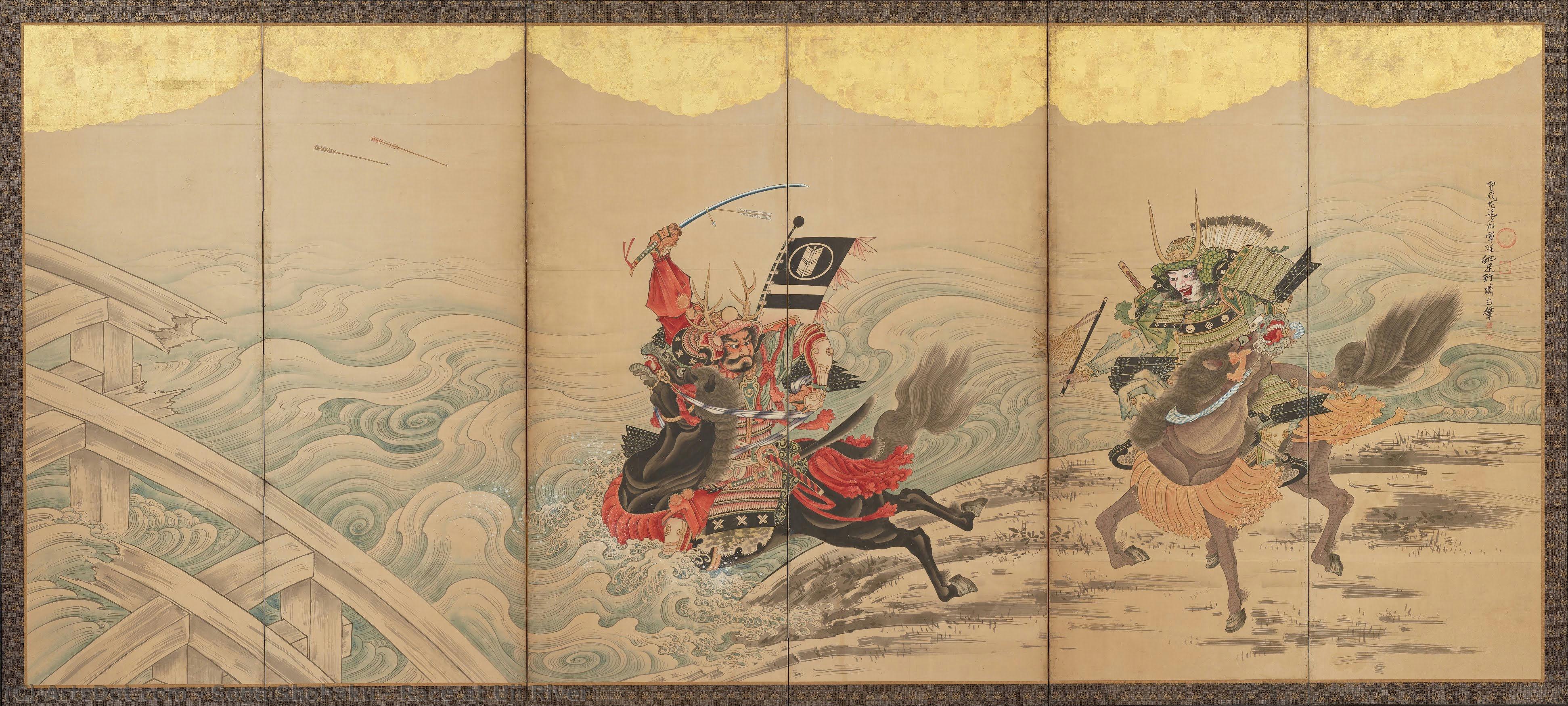
Race at Uji River


 Lire la suite
Reproduction à l'huile faite à la main
Huile sur toile peinte à la main, avec cadre et dimensions personnalisés, réalisée sur commande par nos artistes. ( Commander l'impression Télécharger l'image haute résolution)




P118B $10

P118H $10

P118W $10

P438Z $10

P508JH $12

P508YH $12

P805H $10

P805Z $10

P919BZ $10

P919G $10

P919XJ $10

P959ZH $10

P968JZ $12

W106C $8

W218G $10

W218JH $8

W218Y $10

W307PJ $10

W316G $10

W316PJ $8

W316Y $10

W398PJ $8

W4111J $10

W500HY $15

W500JH $15

W692G $12

W849H $8

W940BG $15

W953PJ $8




Choisissez parmi nos formats prédéfinis qui respectent les proportions originales de l’œuvre.

Vous pouvez saisir vos propres dimensions pour l'adapter à un cadre ou à un espace spécifique. Si la taille sélectionnée ne correspond pas aux proportions de l'image d'origine, nous recadrerons l'œuvre ou prolongerons la peinture avec des éléments peints à la main supplémentaires. Une maquette numérique vous sera envoyée pour approbation avant le début de la production.
Veuillez noter que l'aperçu à l'écran ne reflète pas le recadrage ou l'extension réels. Seule la maquette montrera fidèlement la composition finale.
Bien que des tailles personnalisées soient disponibles, nous vous recommandons de sélectionner une dimension dans la liste prédéfinie afin de préserver les proportions d'origine.
Après la commande, l’équipe OriginalUniqueArt.com contactera le client par e-mail pour recueillir ses instructions et lui fournira une maquette d’aperçu
Livraison dans le monde entier () en 3 à 4 semaines au lieu des 5 semaines habituelles. (20 août). Aucun compromis sur la qualité.

Livraison express gratuite dans le monde entier

Toile de lin de qualité supérieure

Assurance transport complète

Garantie de remboursement des droits de douane

Garantie de fidélité des couleurs

Politique de retour de 60 jours (uniquement en cas de défaut)

Garantie de remboursement à 100%

Offre de tarifs dégressifs
 L'option verre n'est disponible que pour les dimensions inférieures à 110 cm.

Race at Uji River
Technique de reproduction
Format de la reproduction
-


Prix total
$ 300
Description de l'œuvre
A Masterpiece of Motion and Deception
In the swirling, turbulent currents of the Uji River, a moment of profound historical drama is frozen in time through the eccentric genius of Soga Shōhaku. This rare polychromatic screen serves as a breathtaking window into the 14th-century war epic, The Tale of the Heike, capturing a high-stakes race that is as much about psychological warfare as it is about physical prowess. As the viewer’s eye traverses the churning waters, they are thrust into the heart of a legendary competition between the warriors Kagesue and Takatsuna. The scene is thick with tension; the destruction of the bridge has turned the river into a treacherous obstacle, transforming a simple crossing into a desperate struggle for honor and glory.
The brilliance of Shōhaku lies in his ability to weave narrative complexity into a single, dynamic composition. While the surface of the painting depicts the frantic energy of riders navigating the riverbank, there is a deeper, more sinister layer of storytelling at play. The artist masterfully illustrates the moment of betrayal: Takatsuna, draped in green, employs a cunning trick to unseat his rival, Kagesue. Through subtle shifts in posture and the placement of figures, Shōhaku guides us through this deceptive maneuver, making the viewer an accomplice to the trickery. It is a work that demands close inspection, rewarding those who look past the splashing water to find the quiet, calculating malice beneath the surface.
The Grotesque Beauty of the Eccentric Style
Soga Shōhaku was a true iconoclast of the Edo period, an artist who looked backward to the Muromachi style to forge a path that was entirely his own. This particular work is a pinnacle of his "pictorial grotesquerie," a term used to describe his fascination with the distorted, the exaggerated, and the uncanny. Unlike the polished, serene aesthetics favored by many of his contemporaries, Shōhaku embraced a rugged, almost unsettling energy. This is most strikingly realized in the depiction of Takatsuna’s horse, Ikezumi, whose fangs are rendered with a terrifying, predatory detail that suggests the animal itself is part of the unfolding chaos.
The technique employed in this polychromatic screen is nothing short of extraordinary. The use of color is vibrant yet controlled, providing a rich texture to the horses' coats and the flowing garments of the riders. Shōhaku’s brushwork possesses a rhythmic vitality; one can almost feel the spray of the river and the thundering hooves against the earth. For the collector or interior designer, this piece offers more than just visual beauty; it provides a profound sense of movement and character. The contrast between the pale, mask-like face of Takatsuna and the wild, untamed elements of the landscape creates a psychological depth that makes the artwork feel alive, making it an unforgettable centerpiece for any sophisticated collection.
An Eternal Legacy for the Discerning Collector
Owning a reproduction of such a significant historical work allows one to bring the spirit of Japanese legend into a modern living space. The Race at Uji River is not merely a depiction of a battle; it is an exploration of human nature—the duality of bravery and deceit, the chaos of war, and the triumph of wit. Its presence in a room commands attention, acting as a conversation piece that bridges the gap between 18th-century Japanese artistry and contemporary aesthetic appreciation.
For those seeking to curate an environment filled with narrative depth and historical resonance, this artwork offers unparalleled inspiration. The dramatic interplay of light, color, and motion provides a focal point that can anchor a room, whether paired with minimalist modern decor or more traditional, classical furnishings. To display this piece is to celebrate the enduring power of the "eccentric" spirit—a reminder that true art lies in the courage to defy convention and capture the beautiful, the strange, and the unforgettable.
Biographie de l'artiste
Soga Shōhaku (曾我蕭白) – Un Maître Étonnant du Muromachi Réinventé
Soga Shōhaku (曾我蕭白, 1730 – janvier 30, 1781), un peintre japonais de l’époque d’Edo, défia les conventions avec son style pinceau unique, rappelant celui du Muromachi période (1338–1573), une esthétique déjà dépassée au moment de sa naissance. Cette approche distinctive le séparait de ses contemporains et lui conférait une véritable singularité artistique. Il est considéré comme un personnage clé du mouvement Bunjinga, qui cherchait à renouveler les traditions artistiques japonaises en puisant dans les sources anciennes.Biographie et Éducation
Bien que les détails précis de sa vie soient rares, Soga Shōhaku est né à Kyoto en 1730, fils de Miura Kichiemon et Yotsu. Sa famille était aisée mais tous ses membres immédiats périrent avant qu’il n’atteigne l’âge adulte, laissant derrière lui une jeunesse marquée par la perte et le déplacement. Il étudia les méthodes picturales du Kanō School et de l'Unkoku School, deux écoles influentes qui avaient pour objectif d'intégrer les techniques chinoises dans la peinture japonaise traditionnelle. Cette formation lui permit d’acquérir une maîtrise exceptionnelle des matériaux et des procédés artistiques essentiels à son œuvre.Œuvres Marquées par le Muromachi et l’Éclectisme
Soga Shōhaku se distingua avant tout par sa préférence pour le style pinceau du Muromachi période, une esthétique considérée comme dépassée depuis plus de 150 ans. Cette décision ne faisait pas qu'ajouter à son statut d'artiste hors norme et lui permettait de s’affirmer en opposition aux tendances dominantes de son temps. Parmi ses œuvres les plus remarquables figurent :- Race at Uji River (Harvard Art Museums, Cambridge, États-Unis) :
- Cette toile polychrome représentant une scène célèbre du roman épique médiéval "Le Conte des Heike" est un exemple rare de son travail en pleine couleur et témoigne de sa capacité à utiliser la grotesquerie picturale pour exprimer des idées complexes.
- L’Immortal Li Tieguai (128 x 28 cm, papier) :
- Cette œuvre illustre une légende chinoise sur l'un des huit immortels et démontre son talent pour raconter des histoires à travers la peinture avec une précision remarquable.
Influences et Héritage
L’œuvre de Soga Shōhaku est marquée par une profonde admiration pour les peintres du Muromachi période et une volonté de réinterpréter leurs méthodes picturales avec une liberté remarquable. Cette approche audacieuse et son goût pour l'étrange lui permettentnt d'affirmer sa propre voix artistique et de contribuer à la naissance du mouvement Bunjinga, qui cherchait à renouer avec les racines esthétiques de l’histoire japonaise. Son héritage est aujourd’hui reconnu comme une contribution essentielle à l'évolution de l'art japonais et continue de fasciner les chercheurs et les amateurs d'art. Il reste un symbole de la puissance de l'imagination artistique et de la capacité à dépasser les conventions établies.
Soga Shōhaku
1730 - 1781 , Japon
L'essentiel de l'artiste
- Artistic Movement Or Style: Muromachi Style
- Artists Or Movements Influenced By This Artist: ['Bunjinga']
- Artists Who Influenced This Artist: ['Takada Keiho']
- Date Of Birth: Kyoto, Japon
- Full Name: Soga Shōhaku
- Nationality: Japonais
- Notable Artworks:
- Race at Uji River
- The Immortal Li Tieguai
- Place Of Birth: Kyoto
Articles connexes

Hokusai : Les 25 Œuvres Maîtresses d'un Génie Japonais | OriginalUniqueArt
Plongez dans l'univers de Katsushika Hokusai avec les 25 œuvres incontournables du maître japonais. Découvrez l'histoire, les techniques d'ukiyo-e et la beauté intemporelle de 'La Grande Vague'. Reproductions tableaux de qualité muséale sur OriginalUniqueArt.com.
The Noble Steed on Canvas: A Historical & Artistic Exploration of Horse Painting Across Cultures
Explore the rich history of horse painting! Discover masterpieces from Stubbs to Munnings & learn about symbolism, techniques & artists. Find museum-quality reproductions at OriginalUniqueArt.

The Equine Muse: A Historical & Artistic Exploration of Horses in Painting
Explore the captivating history of horses in painting! Discover Renaissance masterpieces, Baroque grandeur & expert insights for collecting equestrian art. Learn about symbolism, techniques & lasting value with OriginalUniqueArt.
The Noble Steed: A Historical and Artistic Exploration of Horses in Fine Art
Explore the rich history of horses in fine art! From ancient depictions to Renaissance masterpieces & beyond, discover iconic artworks and artists. Learn about symbolism, techniques, and find museum-quality reproductions at OriginalUniqueArt.
Timeless Elegance: A Visual Journey Through the Romance of Horse Carriage Artworks
Embark on a visual journey through the romantic world of horse carriage art. Discover the mastery of equestrian oil paintings, from Impressionist textures to classical realism, and learn how to bring timeless elegance into your home with museum-quality reproductions.


