 Aperçu en situation
 Envoyer
 Partager
 Détails de l'œuvre
 Guide
Guide

 Télécharger l'image
 Articles similaires
 Radiographie
 Diaporama
 Questions et réponses
 Statistiques
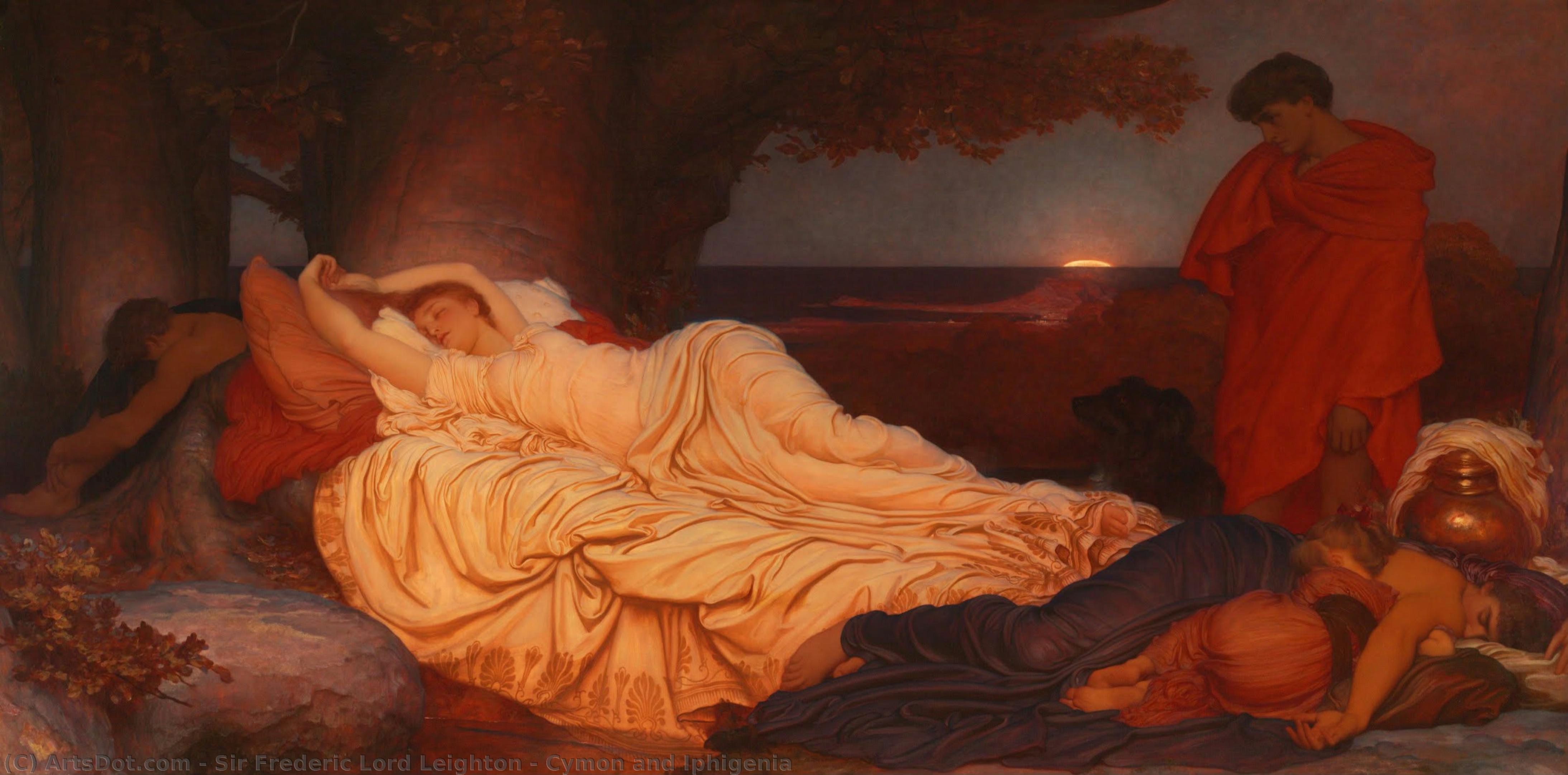
Cymon and Iphigenia

- 218.0 x 390.0 cm


 Lire la suite
Giclées et impressions d'art
Impressions giclées ou sur toile de qualité musée, avec une production rapide et des finitions au choix. ( Commander la reproduction peinte à la main Passer au format numérique)




P118B €10

P118H €10

P118W €10

P438Z €10

P508JH €12

P508YH €12

P805H €10

P805Z €10

P919BZ €10

P919G €10

P919XJ €10

P959ZH €10

P968JZ €12

W106C €8

W218G €10

W218JH €8

W218Y €10

W307PJ €10

W316G €10

W316PJ €8

W316Y €10

W398PJ €8

W4111J €10

W500HY €15

W500JH €15

W692G €12

W849H €8

W940BG €15

W953PJ €8




Choisissez parmi nos formats prédéfinis qui respectent les proportions originales de l’œuvre.

Saisissez la largeur et la hauteur souhaitées pour qu'elles s'adaptent à votre cadre ou à votre mur. Une impression peut être recadrée, mais jamais agrandie au-delà de l'image originale ; ainsi, un format de forme différente entraînera la perte d'une partie de l'image. Nous vous envoyons une maquette numérique pour approbation avant toute impression. L'image présentée sur cette page ne montre pas le recadrage réel — seule la maquette le permet.
Livraison dans le monde entier () en 2 semaines au lieu des 4/5 semaines habituelles. (3 novembre)

Livraison express gratuite dans le monde entier

Toile de lin de qualité supérieure

Assurance transport complète

Garantie de remboursement des droits de douane

Garantie de fidélité des couleurs

Politique de retour de 100 jours (uniquement en cas de défaut)

Garantie de remboursement à 100%

Offre de tarifs dégressifs
 L'option verre n'est disponible que pour les dimensions inférieures à 110 cm.

Cymon and Iphigenia
Giclées et impressions d'art
Format de la reproduction
-


Prix total
€ 72
A Vision of Ideal Beauty: Frederic Leighton’s “Cymon and Iphigenia”
Frederic Leighton's "Cymon and Iphigenia," painted in 1884, isn’t merely a depiction of Greek myth; it’s a carefully constructed tableau of Victorian ideals – a testament to beauty, virtue, and the transformative power of love. Leighton, already established as a Royal Academician and a master of historical painting, sought to elevate the narrative beyond its original source material, weaving in elements of Pre-Raphaelite sensuality and classical restraint into a scene brimming with quiet drama. The painting immediately draws the eye to Iphigenia, lying gracefully on a mossy bank beneath an ancient tree – her pose suggesting both languor and vulnerability. Her golden hair cascades around her face, illuminated by dappled sunlight that filters through the leaves, while her eyes are closed in peaceful slumber. The artist’s meticulous attention to detail is evident in every curve of her body, every ripple of fabric, and the delicate rendering of the foliage surrounding her.A Story of Awakening and Moral Ascent
The myth underpinning “Cymon and Iphigenia” originates from Boccaccio’s *Decameron*, a collection of tales set in Florence during the Black Death. The story recounts how the brutish youth Cymon, initially characterized by his rudeness and lack of refinement, encounters the beautiful Iphigenia. Through her presence, he undergoes a profound transformation, shedding his coarse manners and embracing intellectual pursuits – becoming a man of virtue and learning. Leighton cleverly captures this pivotal moment in the narrative, not through overt action but through subtle gestures and expressions. Cymon stands before her, gazing at her with an expression of rapturous admiration, while Iphigenia’s serene repose suggests that she has already initiated his moral awakening. The inclusion of a young slave girl, Lena, adds another layer to the scene, representing innocence and serving as a visual reminder of the transformative power of beauty.Technique and Aesthetic Choices
Leighton's mastery is evident in his masterful use of color and light. He employs a muted palette dominated by earthy greens, browns, and golds, creating an atmosphere of tranquility and timelessness. The lighting is particularly noteworthy – it’s diffused and atmospheric, casting long shadows and highlighting the textures of the foliage and Iphigenia's garments. The artist meticulously rendered every detail with painstaking precision, utilizing a smooth, polished technique that reflects his academic training. He drew heavily on classical sculpture for inspiration, evident in the idealized forms of the figures and the careful arrangement of the composition. The background landscape is deliberately vague, allowing the viewer’s attention to remain focused on the central figures. The use of a dark, almost velvety moss beneath Iphigenia further emphasizes her vulnerability and purity.Symbolism and Victorian Ideals
“Cymon and Iphigenia” is deeply rooted in the artistic and social conventions of Victorian England. The painting embodies several key ideals prevalent during that era: the celebration of beauty, the pursuit of virtue, and the reverence for classical antiquity. Leighton’s choice to depict a mythological scene rather than a contemporary subject allowed him to explore these themes within a framework of idealized beauty and moral instruction. The image speaks to the Victorian fascination with both Greek mythology and the concept of “moral education,” where art was seen as a tool for shaping virtuous citizens. Furthermore, the painting reflects Leighton’s own personal interests – his love of classical sculpture and his desire to create works that were both aesthetically pleasing and morally uplifting. The overall effect is one of serene contemplation, inviting viewers to reflect on the timeless themes of beauty, virtue, and transformation.A Legacy of Beauty: Reproductions and Inspiration
Today, “Cymon and Iphigenia” remains a beloved masterpiece, admired for its exquisite detail, evocative atmosphere, and profound symbolism. High-quality reproductions capture the painting’s luminous quality and intricate details, making it accessible to a wider audience. Its themes continue to resonate with art lovers and interior designers alike, who appreciate its timeless beauty and its ability to evoke a sense of tranquility and contemplation. When selecting a reproduction, consider the scale and framing options to best complement your space – allowing this iconic work of art to grace your home and inspire generations to come.Questions et réponses
Quelle pièce est recommandée pour «Cymon and Iphigenia» de Sir Frederic Lord Leighton, compte tenu de ses couleurs ?
Les nuances Sombre et profond de «Cymon and Iphigenia» de Sir Frederic Lord Leighton s'accordent parfaitement avec l'espace recommandé : une Salon.
Quel type d'œuvre est "Cymon and Iphigenia" ?
« Cymon and Iphigenia » est une œuvre de type Décoration murale.
Quelle technique et quel style caractérisent «Cymon and Iphigenia» de Sir Frederic Lord Leighton ?
« Cymon and Iphigenia » est réalisé en Huile sur toile, dans le style Academic Romanticism.
Biographie de l'artiste
Premières années et éducation
Sir Frederic Lord Leighton est né le 3 décembre 1830 à Scarborough, au Royaume-Uni. Sa famille, grâce à la carrière lucrative de son grand-père en tant que médecin des tsars russes, lui a permis de poursuivre ses activités artistiques sans contraintes financières. Il a reçu sa première éducation à l'University College School, Londres, puis a perfectionné ses compétences artistiques sur le continent européen sous la tutelle d'Eduard von Steinle et de Giovanni Costa. À 17 ans, il rencontra le philosophe Arthur Schopenhauer à Francfort, capturant son portrait au graphite et gouache – la seule étude grandeur nature connue de Schopenhauer réalisée à partir de la vie.Carrière artistique
Les voyages de Leighton ont considérablement influencé son œuvre, avec des périodes prolongées passées à Rome, Paris et dans d'autres villes européennes. Ses expériences ont façonné son style artistique, caractérisé par des sujets historiques, bibliques et classiques dans une veine académique.- Un athlète luttant avec un python (1888-1891), une sculpture en marbre blanc, a marqué le début d'une renaissance dans la sculpture britannique contemporaine, appelée la nouvelle sculpture.
- Clytie 1 (156 x 137 cm, Leighton House Museum, Royaume-Uni, académisme, huile sur toile) met en valeur la maîtrise de Leighton dans la capture du mouvement et de l'énergie.
- Les peintures de Leighton ont représenté la Grande-Bretagne à l'Exposition universelle de Paris de 1900, consolidant sa réputation d'artiste majeur de son époque.
Influences et développement stylistique
Leighton a été influencé par une variété d'artistes et de mouvements artistiques. Son séjour en Italie lui a permis d’étudier les maîtres de la Renaissance et de l'art classique, ce qui se reflète dans ses compositions équilibrées et son souci du détail. Ses périodes à Paris ont exposé Leighton aux innovations de l'art français, notamment le réalisme et l'impressionnisme, bien qu'il soit resté fidèle à une approche académique. Il a également été influencé par les préraphaélites, en particulier dans leur intérêt pour la narration historique et mythologique, mais il s’est distingué par son style plus raffiné et décoratif. Son travail témoigne d'une synthèse unique de ces influences, créant un style distinctif qui allie virtuosité technique, sens du drame et esthétique raffinée.Réalisations majeures et héritage
Leighton a connu une immense popularité de son vivant, ses œuvres étant très recherchées par les collectionneurs privés et les institutions publiques. Il a été élu à la Royal Academy et en est devenu président en 1878, un témoignage de son prestige dans le monde artistique britannique. Parmi ses réalisations les plus notables figurent ses peintures historiques et mythologiques, telles que *Clytie* et *Un athlète luttant avec un python*, ainsi que ses sculptures, qui ont contribué à revitaliser la sculpture britannique. Son œuvre a influencé de nombreux artistes ultérieurs, et son héritage perdure dans les collections publiques du monde entier. Il est considéré comme une figure clé de l'art victorien, incarnant l'idéal d'un artiste cultivé, polyvalent et engagé dans son temps.Vie personnelle et controverses
Leighton est resté célibataire tout au long de sa vie, ce qui a donné lieu à des rumeurs concernant sa vie privée, notamment des spéculations sur un enfant illégitime avec l'une de ses modèles et d'éventuelles relations homosexuelles. Cependant, ces allégations ne sont pas étayées par des sources primaires. Sa relation avec le poète Henry William Greville, qu’il a rencontré à Florence en 1856, est bien documentée, mais la nature de leur lien reste un sujet de débat. Malgré les spéculations entourant sa vie personnelle, Leighton est surtout reconnu pour ses contributions exceptionnelles au monde de l'art.
Sir Frederic Lord Leighton
1830 - 1896 , Royaume-Uni
L'essentiel de l'artiste
- Artistes Influents:
- Eduard von Steinle
- Giovanni Costa
- Jean-Auguste-Dominique Ingres
- Date De Décès: 25 janvier 1896
- Date De Naissance: 3 décembre 1830
- Influences Artistiques: ['New Sculpture Britannique']
- Lieu De Naissance: Scarborough, Royaume-Uni
- Mouvement Artistique: Academicisme, Préraphaélisme
- Nationalité: Britannique
- Nom Complet: Sir Frederic Lord Leighton
- Œuvres Notables:
- Athlete Wrestling with a Python
- Clytie 1
- An Athlete in Splendors of Light
Articles connexes

The Enduring Allure of Marble in Art History: From Classical Sculpture to Modern Abstraction
Explore the captivating history of marble sculpture from ancient Greece to modern art. Discover renowned artists like Canova & Michelangelo, carving techniques, and investment insights at OriginalUniqueArt.
Sir Frederic Leighton: Aestheticism, Academic Mastery & Victorian Masculinity
Explore the life & art of Sir Frederic Leighton, a master of Victorian Aestheticism. Discover his academic training, sculptural innovations, and captivating depictions of beauty. Expert insights for collectors.

Les 10 Chefs-d'œuvre en Bronze qui ont Révolutionné l'Art : Collection OriginalUniqueArt
Plongez dans l'univers fascinant des 10 chefs-d'œuvre en bronze qui ont marqué l'histoire de l'art. Découvrez Rodin, Degas et les secrets de ces sculptures iconiques. Reproductions d'art exceptionnelles sur OriginalUniqueArt.com – Explorez la collection !

The Enduring Form: Exploring Themes & Techniques in Sculpture Across Historical Periods
Explore the rich history of sculpture from ancient masterpieces to contemporary innovations. Discover key techniques, influential artists & investment potential for discerning art collectors.

Les 10 Chefs-d'œuvre Bronzes Qui Ont Révolutionné la Sculpture | OriginalUniqueArt
Plongez dans l'univers fascinant des 10 sculptures en bronze les plus emblématiques de l'histoire de l'art. Rodin, Degas et autres maîtres révélés ! Découvrez leur histoire, leurs techniques et trouvez l'œuvre parfaite pour sublimer votre intérieur sur OriginalUniqueArt.com.