

 Aperçu en situation
 Partager
 Partager
 Détails
 Guide imprimable

 Télécharger
 Articles similaires
 Radiographie
 Voir le diaporama
 Statistiques
Edward Whitaker Gray
 Acrylic On Canvas
- WallArt
- Romantic Landscape
 1800
1800 75.0 x 63.0 cm
 La Royal Society
 Afficher la suite
Reproduction à l'huile faite à la main
Huile sur toile peinte à la main, avec cadre et dimensions personnalisés, réalisée sur commande par nos artistes. ( Passer au format impression Passer au format image numérique)




P118B €10

P118H €10

P118W €10

P438Z €10

P508JH €12

P508YH €12

P805H €10

P805Z €10

P919BZ €10

P919G €10

P919XJ €10

P959ZH €10

P968JZ €12

W106C €8

W218G €10

W218JH €8

W218Y €10

W307PJ €10

W316G €10

W316PJ €8

W316Y €10

W398PJ €8

W4111J €10

W500HY €15

W500JH €15

W692G €12

W849H €8

W940BG €15

W953PJ €8




Choisissez parmi nos formats prédéfinis qui respectent les proportions originales de l’œuvre.

Vous pouvez saisir vos propres dimensions pour l'adapter à un cadre ou à un espace spécifique. Si la taille sélectionnée ne correspond pas aux proportions de l'image d'origine, nous recadrerons l'œuvre ou prolongerons la peinture avec des éléments peints à la main supplémentaires. Une maquette numérique vous sera envoyée pour approbation avant le début de la production.
Veuillez noter que l'aperçu à l'écran ne reflète pas le recadrage ou l'extension réels. Seule la maquette montrera fidèlement la composition finale.
Bien que des tailles personnalisées soient disponibles, nous vous recommandons de sélectionner une dimension dans la liste prédéfinie afin de préserver les proportions d'origine.
Après la commande, l’équipe OriginalUniqueArt.com contactera le client par e-mail pour recueillir ses instructions et lui fournira une maquette d’aperçu
Livraison dans le monde entier () en 3 à 4 semaines au lieu des 5 semaines habituelles. (3 octobre). Aucun compromis sur la qualité.

Livraison express gratuite dans le monde entier

Toile de lin de haute qualité

Assurance transport complète

Garantie de remboursement des droits de douane

Garantie de fidélité des couleurs

Garantie de retour de 100 jours (uniquement en cas de défaut)

Garantie de remboursement à 100%

Tarifs dégressifs sur quantité
 L'option verre n'est disponible que pour les dimensions inférieures à 110 cm.

Edward Whitaker Gray
Technique de reproduction
Format de la reproduction
-


Prix total final
€ 258
A Moment Frozen in Time: Exploring Sir Augustus Wall Callcott’s “The Entrance to the Pool of London”
Sir Augustus Wall Callcott's "The Entrance to the Pool of London," completed in 1816, stands as a testament to Romantic landscape painting—a genre defined by its reverence for nature and its ability to evoke profound emotion. More than just a depiction of a riverside scene, this artwork embodies the spirit of its era, reflecting anxieties about industrialization alongside an enduring fascination with the sublime beauty of the English countryside. Callcott’s masterful use of tonal gradation and dramatic lighting elevates the painting beyond mere observation; it invites contemplation on the passage of time and the encroaching influence of progress upon traditional landscapes.Technical Brilliance: Impressionistic Touches Amidst Classical Form
Callcott employed a technique that skillfully blended elements of Romanticism with classical influences. While adhering to the conventions of academic portraiture—evident in the carefully constructed composition and balanced perspective—he infused his work with subtle impressionistic qualities. The artist meticulously layered thin washes of pigment, creating atmospheric haze and capturing fleeting effects of light on the water’s surface. This approach distinguishes “The Entrance to the Pool of London” from more rigid depictions of the period, demonstrating Callcott's innovative understanding of color theory and his dedication to conveying a sense of immediacy. The brushstrokes are visible yet controlled, contributing to the painting’s textural richness and enhancing its visual impact.Historical Context: Britain at the Crossroads
Painted during a pivotal moment in British history—the Industrial Revolution was rapidly transforming the nation's economy and society—Callcott’s landscape serves as a poignant counterpoint to the burgeoning factories and urban sprawl of the time. The Pool of London, once dominated by windmills and barges laden with goods, represented Britain’s maritime heritage and connection to the wider world. However, Callcott subtly conveys a feeling of melancholy, hinting at the inevitable loss of rural tranquility as industrial expansion pushed further into previously untouched territories. This duality—beauty juxtaposed against change—resonates powerfully within the artwork's narrative.Symbolism: Light and Shadow – Reflections of Inner Turmoil
The painting’s masterful use of light and shadow is laden with symbolic significance. The dominant illumination casts a cool, silvery glow upon the water, mirroring the stillness and serenity of the scene. Yet, darker patches delineate the shoreline and suggest hidden depths—representing anxieties about uncertainty and impending transformation. Callcott's deliberate manipulation of tonal values underscores the Romantic preoccupation with exploring psychological states alongside visual impressions. The light itself symbolizes hope and enlightenment, while the shadows embody fear and introspection – themes that extend beyond the confines of the landscape to engage viewers on a deeper emotional level.Emotional Resonance: Capturing the Sublime
Ultimately, “The Entrance to the Pool of London” succeeds in capturing the sublime—that elusive feeling of awe and terror experienced when confronted with overwhelming grandeur or beauty. Callcott’s depiction inspires contemplation about humanity's relationship with nature and its vulnerability before forces beyond our control. The painting lingers in the mind long after viewing, prompting reflection on themes of change, memory, and the enduring power of artistic vision. It remains a captivating example of Romantic landscape art—a timeless masterpiece that continues to resonate with audiences today.Questions et réponses
Où puis-je voir l'original de «Edward Whitaker Gray» de Sir Augustus Wall Callcott ?
L'original de «Edward Whitaker Gray» de Sir Augustus Wall Callcott est conservé au La Royal Society, Londres, Royaume-Uni. Une reproduction permet d'exposer l'œuvre chez soi.
Quel artiste et quel style se cachent derrière « Edward Whitaker Gray » ?
« Edward Whitaker Gray » a été créé par Sir Augustus Wall Callcott dans le style Romantic Landscape. L'artiste et le mouvement définissent la tradition de l'œuvre.
Comment puis-je visionner «Edward Whitaker Gray» de Sir Augustus Wall Callcott sous forme de diaporama ?
Vous pouvez visionner «Edward Whitaker Gray» de Sir Augustus Wall Callcott sous forme de diaporama sur la page Diaporama de l'œuvre.
Quel âge avait Sir Augustus Wall Callcott lors de la création de « Edward Whitaker Gray » en 1800 ?
Sir Augustus Wall Callcott avait 21 ans lors de la création de « Edward Whitaker Gray » en 1800. L'âge est calculé à partir de l'année de naissance de l'artiste, 1779.
À quel artiste est attribuée l'œuvre "Edward Whitaker Gray" ?
« Edward Whitaker Gray » est attribué à Sir Augustus Wall Callcott.
En quelle année "Edward Whitaker Gray" a-t-il été réalisé ?
«Edward Whitaker Gray» date de 1800. Cette date inscrit l'œuvre dans la carrière de Sir Augustus Wall Callcott ainsi que dans son époque.
Quelle atmosphère «Edward Whitaker Gray» de Sir Augustus Wall Callcott apporte-t-il à un intérieur ?
L'atmosphère Serene de «Edward Whitaker Gray» de Sir Augustus Wall Callcott s'accorde parfaitement avec l'espace recommandé : un(e) Living Room.
Biographie de l'artiste
Premières années et formation
Sir Augustus Wall Callcott, un peintre de paysage anglais renommé, est né le 20 février 1779 dans les gravières de Kensington, un village à la périphérie ouest de Londres. Sa jeunesse fut marquée par une passion pour la musique, ce qui l'amena à chanter dans la chorale de l'abbaye de Westminster pendant plusieurs années. Plus tard, il devint étudiant à la Royal Academy, où il entama sa carrière artistique en tant que portraitiste sous la tutelle de John Hoppner.Ascension vers la notoriété
La préférence de Callcott pour la peinture de paysage se fit rapidement sentir et, après 1804, il n'exposa exclusivement des paysages. Son habileté, son design élégant et sa tonalité charmante conduisirent à une progression constante de sa réputation. En 1806, il fut élu associé de la Royal Academy et, en 1810, devint académicien à part entière.Œuvres notables et expositions
Parmi ses œuvres les plus remarquables figurent :- L'entrée du bassin de Londres (1816)
- L'embouchure de la Tyne (1818)
- Une mer calme sur la Medway (1820)
- Rochester (1824)
- Raphaël et la fornarina (1837) – un exemple rare de ses peintures de figures, que l'on peut trouver au musée du sud de Kensington (collection Sheepshanks), aujourd’hui faisant partie du V&A.
Héritage et vie ultérieure
Callcott reçut une chevalerie en 1837 à l'occasion de l'accession au trône de la reine Victoria. Il succéda à William Seguier comme conservateur des tableaux de la reine en 1843. Callcott décéda le 25 novembre 1844 et fut enterré au cimetière de Kensal Green. Découvrez davantage d'œuvres de Sir Augustus Wall Callcott sur OriginalUniqueArt.com : Explorez davantage sur Wikipédia :
Sir Augustus Wall Callcott
1779 - 1844 , Royaume-Uni
En bref
- Date De Décès: 25 novembre 1844
- Date De Naissance: 20 février 1779
- Lieu De Naissance: Kensington, Royaume-Uni
- Nationalité: Britannique
- Nom Complet: Sir Augustus Wall Callcott
- Style Artistique: Paysage anglais
- Œuvres Notables:
- The Entrance to the Pool of London
- The Mouth of the Tyne
- A Dead Calm on the Medway
- Rochester
- Raffaelle and the Fornarina
Articles similaires

Munnings : Les 25 Œuvres Maîtresses du Cavalier Anglais | OriginalUniqueArt
Plongez dans l'univers vibrant d'Alfred Munnings ! Découvrez les 25 œuvres maîtresses du peintre anglais, icônes de l'art équestre et de l'impressionnisme britannique. Tableaux de chevaux, paysages idylliques… Trouvez votre inspiration déco sur OriginalUniqueArt.com.
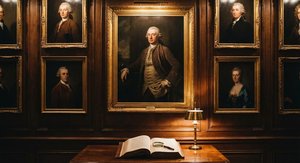
Sir Joshua Reynolds : Les 25 Chefs-d'Œuvre Incontournables pour une Décoration Raffinée
Plongez dans l'univers de Sir Joshua Reynolds ! Découvrez les 25 œuvres incontournables du maître anglais, ses portraits rococo et son héritage artistique. Inspirez votre décoration intérieure avec OriginalUniqueArt.com : reproductions haute qualité & collectionneur d'art.
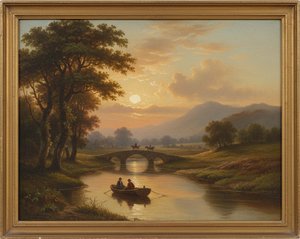
Sir Augustus Wall Callcott: A Life Painted with Light & Atmosphere
Explore the life & art of Sir Augustus Wall Callcott, a celebrated British landscape painter known for his serene scenes and elegant compositions. Discover his Romantic influences & lasting legacy at OriginalUniqueArt.

Les 10 Chefs-d'œuvre du Paysage Romantique : Artistes et Décor d'Intérieur
Plongez dans l'émotion du Romantisme avec les 10 plus beaux paysages de Friedrich, Turner & Delacroix. Découvrez leur histoire et trouvez l'inspiration déco idéale sur OriginalUniqueArt.com !

Constable : Les 25 Chefs-d'Œuvre du Maître Anglais | OriginalUniqueArt
Plongez dans l'univers de John Constable avec les 25 œuvres incontournables du maître anglais. Découvrez l'histoire, la technique et l'émotion derrière ses paysages romantiques. Reproductions de qualité muséale sur OriginalUniqueArt.com.

