Aperçu en situation
 Partager
 Partager
 Détails

 Télécharger
 Articles similaires
 Radiographie
 Voir le diaporama
 Statistiques
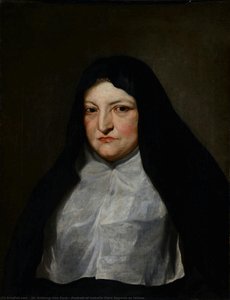
Lady Dacre


 Afficher la suite
Giclées et impressions d'art
Impressions giclées ou sur toile de qualité musée, avec une production rapide et des finitions au choix. ( Acheter la peinture faite à la main Passer au format image numérique)




P118B $10

P118H $10

P118W $10

P438Z $10

P508JH $12

P508YH $12

P805H $10

P805Z $10

P919BZ $10

P919G $10

P919XJ $10

P959ZH $10

P968JZ $12

W106C $8

W218G $10

W218JH $8

W218Y $10

W307PJ $10

W316G $10

W316PJ $8

W316Y $10

W398PJ $8

W4111J $10

W500HY $15

W500JH $15

W692G $12

W849H $8

W940BG $15

W953PJ $8




Choisissez parmi nos formats prédéfinis qui respectent les proportions originales de l’œuvre.

Vous pouvez saisir vos propres dimensions pour vous adapter à un cadre ou à un espace spécifique. Si la taille sélectionnée ne correspond pas aux proportions de l'image originale, nous recadrerons l'œuvre ou étendrons l'image avec une bordure en miroir ou une couleur unie. Une maquette numérique vous sera envoyée pour approbation avant le début de la production.
Veuillez noter que l'aperçu à l'écran ne reflète pas le recadrage ou l'extension réelle. Seule la maquette montrera avec précision la composition finale.
Bien que des tailles personnalisées soient disponibles, nous vous recommandons de choisir une dimension dans la liste prédéfinie afin de préserver les proportions originales.
Livraison dans le monde entier () en 2 semaines au lieu des 4/5 semaines habituelles. (13 septembre)

Livraison express gratuite dans le monde entier

Toile de lin de haute qualité

Assurance transport complète

Garantie de remboursement des droits de douane

Garantie de fidélité des couleurs

Garantie de retour de 100 jours (uniquement en cas de défaut)

Garantie de remboursement à 100%

Tarifs dégressifs sur quantité
 L'option verre n'est disponible que pour les dimensions inférieures à 110 cm.

Lady Dacre
Giclées et impressions d'art
Format de la reproduction
-


Prix total final
$ 80
A Portrait of Grace and Shadow: Unveiling Lady Dacre
Sir Anthony van Dyck’s “Lady Dacre” is not merely a portrait; it's a carefully constructed tableau of Renaissance elegance, imbued with subtle symbolism and the quiet dignity of a woman navigating a world shaped by both beauty and loss. Painted in 1633, this exquisite work captures Dorothy, Lady Dacre – a figure shrouded in historical intrigue and possessing a captivating presence that transcends the confines of her painted likeness. The painting immediately draws the eye to its subject’s somber attire: a rich black gown, meticulously draped, and a matching cap shaped like a widow's peak—a poignant visual echo of her recent bereavement. Yet, it is not simply mourning that dominates; there’s an underlying strength, a poised grace that speaks volumes about her character.
Van Dyck’s mastery lies in his ability to render texture and light with breathtaking precision. The velvet of the gown seems to shimmer beneath the subtle highlights, while the folds cascade with a realistic fluidity. Notice how he captures the delicate sheen of the pearl necklace, a symbol of wealth and status, yet also hinting at vulnerability. The muted palette—primarily deep blues, browns, and blacks—creates an atmosphere of contemplative stillness, drawing the viewer into the scene’s intimate space. The artist's use of chiaroscuro – the dramatic contrast between light and shadow – is particularly effective, sculpting the subject’s face and emphasizing her features with a masterful hand.
A Lady of Turbulent Times
To fully appreciate “Lady Dacre,” it’s essential to understand the historical context in which she lived. Dorothy Fiennes was the daughter of George Neville, 5th Baron Bergavenny, and a woman deeply entwined with the tumultuous events surrounding King Charles I's reign. Her marriage to Thomas Fiennes, 9th Baron Dacre, a man who tragically met his end through a politically motivated murder in 1541, cast her into a life of widowhood and constant struggle for her family’s inheritance. The painting was created during this period of uncertainty and legal battles, reflecting the emotional weight she carried.
The inclusion of two birds within the composition adds layers of symbolic meaning. One bird is positioned on the left side of the canvas, while another appears towards the top right corner. These avian figures are often interpreted as symbols of hope and resurrection—a subtle nod to Dorothy’s enduring spirit amidst adversity. The rose held delicately in her hand further reinforces this theme, representing both the fading beauty of a widow's life and the promise of future love and renewal.
Van Dyck’s Legacy: A Master of Courtly Portraiture
Sir Anthony van Dyck stands as one of the most influential portrait painters in European history. His work, particularly his portraits of the English aristocracy during Charles I's reign, revolutionized the genre by introducing a new level of intimacy and psychological depth. He moved away from the stiff formality of earlier court portraits, capturing subjects with a sense of relaxed elegance and genuine emotion. “Lady Dacre” exemplifies this shift—it’s not simply a likeness; it’s a carefully crafted portrayal of a woman's inner life.
Van Dyck’s influence on subsequent generations of artists is undeniable, and his techniques – particularly his mastery of light, color, and composition – continue to inspire painters today. Reproductions of “Lady Dacre” offer a remarkable opportunity to experience the beauty and sophistication of this iconic work firsthand, allowing us to connect with a woman whose story continues to resonate across centuries.
Biographie de l'artiste
A Flemish Master at the Courts of Europe
Sir Anthony van Dyck, born in Antwerp in 1599, emerged as one of the most celebrated and influential portraitists of the Baroque era. His life, though tragically cut short at just forty-two years old, was a whirlwind of artistic exploration and prestigious commissions that took him from his native Flanders to Italy and ultimately to the heart of the English court. From an early age, van Dyck displayed remarkable talent, entering Hendrick van Balen’s workshop as a young apprentice and quickly absorbing the prevailing styles of the time. However, it was his association with Peter Paul Rubens – not merely as a student but as a collaborator – that truly shaped his artistic foundation. He learned from Rubens' dynamic compositions, rich color palettes, and masterful handling of light and shadow, yet van Dyck soon began to forge his own distinct path, one characterized by an elegance and refinement that would become his signature.Italian Sojourns and the Birth of a Style
The years van Dyck spent in Italy, beginning around 1621, proved pivotal in his artistic development. He resided primarily in Genoa, where he found favor among the city’s aristocratic families. It was here that he began to cultivate the sophisticated style for which he would become renowned – a style marked by graceful poses, luxurious fabrics, and an almost palpable sense of nobility. Unlike the robust energy often found in Rubens' work, van Dyck’s Italian portraits exude a refined composure, capturing not just physical likeness but also the inner character and social standing of his sitters. During this period, he also embarked on his *Iconography*, a series of meticulously rendered portrait etchings featuring prominent figures of his time – artists, scholars, and rulers alike. This project showcased his exceptional technical skill and established him as a leading printmaker. These etchings weren’t simply records; they were carefully constructed images designed to immortalize the subjects and convey their status and intellect. He studied Titian’s techniques, particularly his use of color and light, which profoundly influenced his own artistic vision.The King's Painter: Van Dyck in England
In 1632, van Dyck received an invitation that would forever alter his career trajectory – a summons from Charles I of England to become the court painter. This appointment marked a turning point, not only for van Dyck but also for English portraiture. He arrived in London with a considerable reputation and quickly became indispensable to the king, tasked with creating images that projected an aura of power, majesty, and divine right. Van Dyck’s portraits of Charles I are particularly noteworthy; he moved away from the stiff, formal representations favored by earlier artists, instead portraying the king as a dynamic, charismatic leader. He employed innovative techniques – dramatic lighting, sweeping gestures, and carefully chosen backgrounds – to create images that were both visually stunning and politically charged. His influence extended beyond the royal family, shaping the visual culture of the English aristocracy for generations to come. He revolutionized portrait painting by introducing a new level of psychological realism and capturing the subtleties of emotion—a departure from the idealized depictions prevalent before his time.Legacy and Enduring Influence
Van Dyck’s untimely death in 1641 robbed the art world of a prodigious talent, but his legacy endures to this day. His impact on English portraiture is immeasurable; he established a standard of elegance and sophistication that subsequent artists would strive to emulate. He was recognized as one of the foremost painters of his era, admired for his mastery of technique and his ability to convey profound emotion in his works. His influence can still be seen today in fashion, photography, and contemporary portraiture—a testament to the timeless appeal of his art. His portraits continue to fascinate audiences with their beauty, elegance, and enduring psychological depth. He remains one of the most celebrated artists of the Baroque period, remembered for his contribution to artistic innovation and his role as a pivotal figure in shaping European visual culture.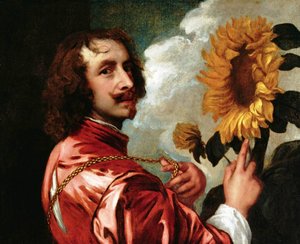
Sir Anthony van Dyck
1599 - 1641 , Belgique
En bref
- Artistic Movement Or Style: Baroque
- Artists Who Influenced This Artist: ['Peter Paul Rubens']
- Date Of Birth: March 22, 1599
- Full Name: Sir Anthony van Dyck
- Nationality: Flemish
- Notable Artworks:
- Portrait of a Woman
- Charles I in Three Positions
- Place Of Birth: Antwerp, Belgium
Articles similaires
Decoding Baroque Grandeur: A Guide to the Drama and Emotion of 17th-Century Art
Explore the breathtaking drama of 17th-century Baroque art. Our expert guide decodes the use of chiaroscuro, emotional intensity, and historical grandeur to help you appreciate and curate timeless masterpieces for your collection.
The Grandeur of Baroque Portraiture: Power, Emotion & Artistic Innovation
Explore the grandeur of Baroque portraiture! Discover Rubens, Van Dyck & the masters of 17th-century art. Uncover symbolism, techniques & lasting influence. Expert insights for collectors and enthusiasts.

Sir Anthony van Dyck: Courtly Portraiture & the Shaping of Baroque Identity
Explore the life & legacy of Sir Anthony van Dyck, the leading court painter of his era. Discover his innovative portraiture, Baroque masterpieces, and investment potential for discerning collectors. Learn more at OriginalUniqueArt.
Maîtres du XVIIe Siècle : 10 Œuvres Incontournables pour une Décoration Raffinée
Plongez au cœur du XVIIe siècle avec 10 œuvres majeures de Rembrandt, Vermeer et Caravaggio. Découvrez l'histoire, les techniques et la beauté intemporelle des maîtres baroques. Trouvez votre reproduction d'art idéale sur OriginalUniqueArt.com !

Rembrandt van Rijn : Les 25 Œuvres Maîtresses à Redécouvrir | OriginalUniqueArt
Plongez dans l'univers de Rembrandt van Rijn avec les 25 œuvres incontournables du maître baroque. Découvrez l'histoire, la technique et l'émotion derrière ses portraits célèbres et 'La Ronde de Nuit'. Reproductions tableaux haute qualité sur OriginalUniqueArt.com