
 Aperçu en situation
 Envoyer
 Partager
 Détails de l'œuvre

 Télécharger
 Articles similaires
 Radiographie
 Diaporama
Golgotha


 Lire la suite
Acquérez une image numérique haute résolution et optimisée, d'une qualité bien supérieure à l'aperçu en ligne.
Chaque fichier est méticuleusement préparé par nos spécialistes internes à l'aide d'outils avancés et d'une retouche manuelle experte. Nous garantissons que chaque image possède une clarté exceptionnelle, une précision des couleurs irréprochable et un niveau de détail fin.
Le fichier final est livré par e-mail sous 72 heures, optimisé pour une utilisation immédiate dans des contextes professionnels, éditoriaux et d'impression. Il offre la même qualité de confiance que celle utilisée par les plus grands studios de création, éditeurs et galeries.
Image numérique
Téléchargez un fichier haute résolution pour votre usage personnel, l'impression et vos projets créatifs. ( Passer au tirage Passer à la peinture faite à la main)
Inclus avec chaque commande d'image numérique
Livraison numérique experte, garantie.
En choisissant OriginalUniqueArt.com, vous n'obtenez pas seulement une simple image : vous recevez une œuvre numérique sublimée avec professionnalisme, conçue avec précision et accompagnée d'une garantie de satisfaction. Voici tout ce qui accompagne automatiquement votre commande :

Envoi rapide par e-mail
Votre fichier d'image numérique haute résolution vous sera envoyé par e-mail sous 72 heures après votre commande — prêt à un usage immédiat.

Fichier numérique optimisé par l'IA
Votre œuvre d'art bénéficie d'une optimisation professionnelle grâce à des outils d'IA avancés et une retouche manuelle, garantissant un niveau maximal de détail, de clarté et de fidélité chromatique.

Réexpédition gratuite à vie
Vous avez accidentellement supprimé ou perdu votre fichier ? Pas d'inquiétude — nous vous le renverrons gratuitement, quand vous le souhaitez.

Aucun frais de douane - À jamais
Profitez de votre œuvre d'art instantanément sans frais de douane ni de livraison — les téléchargements numériques sont toujours exonérés de taxes.

Garantie de fidélité des couleurs
Nous garantissons que votre image numérique reproduit les couleurs de l'original aussi fidèlement que possible grâce à des outils professionnels et une gestion rigoureuse des couleurs.

Garantie satisfaction 60 jours
Si vous n'êtes pas satisfait de votre image numérique, nous la retoucherons ou vous rembourserons 100% sous 60 jours — sans poser de questions.

Garantie de remboursement à 100%
Pas satisfait ? Obtenez un remboursement intégral dans les 60 jours suivant la réception de votre fichier numérique — sans aucune question posée.

Remises sur les commandes groupées
Achetez 3 images, économisez 10% - Achetez 5, économisez 15% - Achetez 10+, économisez 20%. Idéal pour les projets créatifs, les galeries et les agences.
Description de la collection
Une Étreinte Dramatique : Analyse de Golgotha de Sir Anthony van Dyck
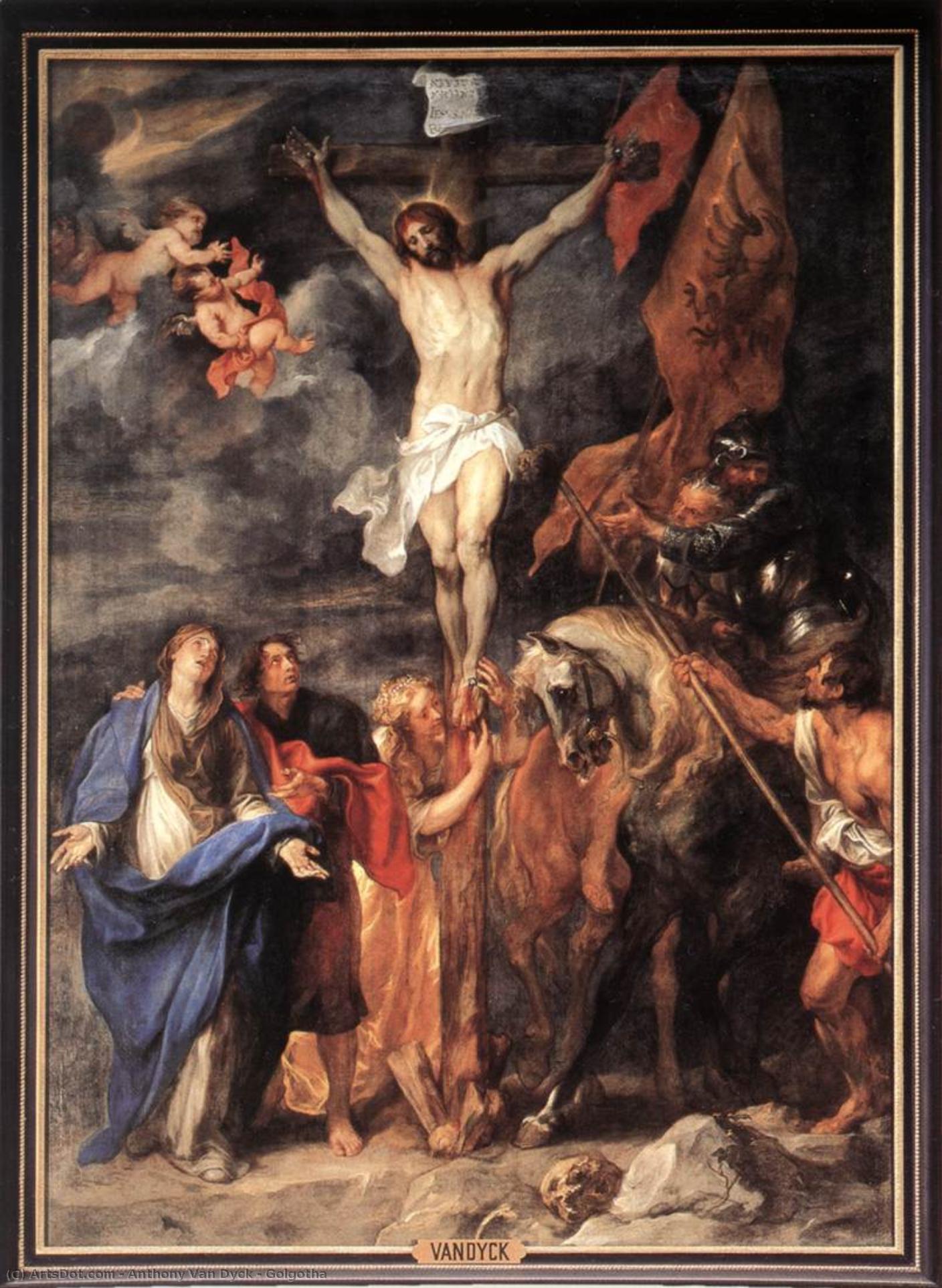
La peinture intitulée « Golgotha » attribuée à Sir Anthony van Dyck (1630) représente une scène profondément émouvante et chargée de signification religieuse, capturant l’essence même du sacrifice chrétien. Cette œuvre monumentale, réalisée avec maestria dans la technique de la peinture à huile sur toile, témoigne d'une époque où le baroque embrasait les consciences européennes et où l'art avait pour vocation de susciter une réaction émotionnelle intense chez le spectateur.La Composition Dramatique : Une Pyramide Vers Dieu
Au premier coup d’œil, la composition attire immédiatement l’œil vers le personnage central : Jésus-Christ crucifié au cœur du tableau. Cette disposition verticale est guidée par une pyramide architecturale subtile qui dirige le regard vers le sommet de cette figure emblématique, symbole de résurrection et d'espoir. À ses pieds, des personnages secondaires contribuent à créer une profondeur spatiale remarquable et évoquent un mouvement dynamique, reflétant la puissance émotionnelle de l’événement représenté. L’artiste maîtrise parfaitement les principes de la perspective classique pour donner une impression de réalisme saisissant.Palette Chromatique et Lumière : Une Étreinte Dramatique
La palette chromatique choisie est dominée par des tonalités chaudes – rouge profond, brun riche et or lumineux – contrastées avec des nuances bleues plus fraîches présentes dans les draperies et les vêtements des personnages féminins. Cette combinaison audacieuse de couleurs crée une atmosphère dramatique et souligne la gravité du sujet traité. L’utilisation magistrale du clair-obscur permet d'accentuer les zones clés de la peinture, notamment le corps de Jésus et les visages des observateurs, créant ainsi une véritable émotion palpable chez le spectateur. Cette technique artistique est caractéristique du baroque et vise à renforcer l’impact psychologique de l’œuvre.Symbolisme Religieux : Les Anges et les Soldats comme Témoins
« Golgotha » regorge de symboles religieux qui renforcent sa portée philosophique et spirituelle. Au-dessus du crucifix, deux anges sont représentés dans une posture expressive, témoignant de la compassion divine et offrant un contraste saisissant avec la souffrance humaine. À ses pieds, les soldats romains incarnent la puissance politique et militaire de l’époque tout en exprimant une certaine perplexité face à cette scène déchirante. L'ensemble crée une atmosphère chargée d'émotions et rappelle les préoccupations morales et religieuses du XVIIe siècle.La Technique et le Style : Une Oeuvre Baroque Intemporelle
La peinture est réalisée avec une maîtrise exceptionnelle de la peinture à huile sur toile, utilisant une méthode complexe qui implique plusieurs couches de pigments mélangés dans l’huile pour obtenir des textures riches et des nuances subtiles de couleur. Cette approche artistique permet d'obtenir un rendu réaliste et profond, fidèle aux exigences esthétiques du baroque italien et flamand. L’œuvre témoigne de la créativité et du talent du peintre, Sir Anthony van Dyck, qui laisse une empreinte durable dans l'histoire de l'art occidental.Biographie de l'artiste
A Flemish Master at the Courts of Europe
Sir Anthony van Dyck, born in Antwerp in 1599, emerged as one of the most celebrated and influential portraitists of the Baroque era. His life, though tragically cut short at just forty-two years old, was a whirlwind of artistic exploration and prestigious commissions that took him from his native Flanders to Italy and ultimately to the heart of the English court. From an early age, van Dyck displayed remarkable talent, entering Hendrick van Balen’s workshop as a young apprentice and quickly absorbing the prevailing styles of the time. However, it was his association with Peter Paul Rubens – not merely as a student but as a collaborator – that truly shaped his artistic foundation. He learned from Rubens' dynamic compositions, rich color palettes, and masterful handling of light and shadow, yet van Dyck soon began to forge his own distinct path, one characterized by an elegance and refinement that would become his signature.Italian Sojourns and the Birth of a Style
The years van Dyck spent in Italy, beginning around 1621, proved pivotal in his artistic development. He resided primarily in Genoa, where he found favor among the city’s aristocratic families. It was here that he began to cultivate the sophisticated style for which he would become renowned – a style marked by graceful poses, luxurious fabrics, and an almost palpable sense of nobility. Unlike the robust energy often found in Rubens' work, van Dyck’s Italian portraits exude a refined composure, capturing not just physical likeness but also the inner character and social standing of his sitters. During this period, he also embarked on his *Iconography*, a series of meticulously rendered portrait etchings featuring prominent figures of his time – artists, scholars, and rulers alike. This project showcased his exceptional technical skill and established him as a leading printmaker. These etchings weren’t simply records; they were carefully constructed images designed to immortalize the subjects and convey their status and intellect. He studied Titian’s techniques, particularly his use of color and light, which profoundly influenced his own artistic vision.The King's Painter: Van Dyck in England
In 1632, van Dyck received an invitation that would forever alter his career trajectory – a summons from Charles I of England to become the court painter. This appointment marked a turning point, not only for van Dyck but also for English portraiture. He arrived in London with a considerable reputation and quickly became indispensable to the king, tasked with creating images that projected an aura of power, majesty, and divine right. Van Dyck’s portraits of Charles I are particularly noteworthy; he moved away from the stiff, formal representations favored by earlier artists, instead portraying the king as a dynamic, charismatic leader. He employed innovative techniques – dramatic lighting, sweeping gestures, and carefully chosen backgrounds – to create images that were both visually stunning and politically charged. His influence extended beyond the royal family, shaping the visual culture of the English aristocracy for generations to come. He revolutionized portrait painting by introducing a new level of psychological realism and capturing the subtleties of emotion—a departure from the idealized depictions prevalent before his time.Legacy and Enduring Influence
Van Dyck’s untimely death in 1641 robbed the art world of a prodigious talent, but his legacy endures to this day. His impact on English portraiture is immeasurable; he established a standard of elegance and sophistication that subsequent artists would strive to emulate. He was recognized as one of the foremost painters of his era, admired for his mastery of technique and his ability to convey profound emotion in his works. His influence can still be seen today in fashion, photography, and contemporary portraiture—a testament to the timeless appeal of his art. His portraits continue to fascinate audiences with their beauty, elegance, and enduring psychological depth. He remains one of the most celebrated artists of the Baroque period, remembered for his contribution to artistic innovation and his role as a pivotal figure in shaping European visual culture.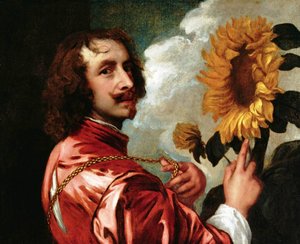
Sir Anthony van Dyck
1599 - 1641 , Belgique
En bref
- Artistic Movement Or Style: Baroque
- Artists Who Influenced This Artist: ['Peter Paul Rubens']
- Date Of Birth: March 22, 1599
- Full Name: Sir Anthony van Dyck
- Nationality: Flemish
- Notable Artworks:
- Portrait of a Woman
- Charles I in Three Positions
- Place Of Birth: Antwerp, Belgium

