Menu

() ·

A painting made for you, by hand

Frans Snyders

Reproduction à l'huile faite à la main

Huile sur toile peinte à la main, avec cadre et dimensions personnalisés, réalisée sur commande par nos artistes. ( Passer au format impression Passer au format numérique)

Description de la pièce

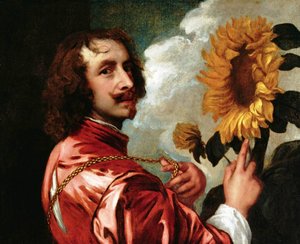
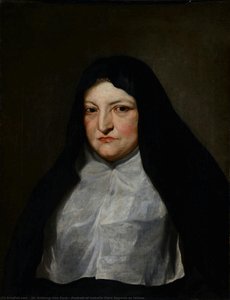
Admirez une magnifique huile sur toile de Sir Anthony van Dyck représentant Frans Snyders dans un style baroque dramatique et réaliste. Découvrez la richesse des détails et l'intensité lumineuse de cette œuvre exceptionnelle.

Biographie de l'artiste

Sir Anthony van Dyck (1599-1641): Maître peintre baroque flamand renommé pour ses portraits élégants d'aristocratie européenne et du règne de Charles Ier. Influence majeur dans l'art anglais, connu pour ses tableaux religieux et son style innovant.

from ·

Chapter 1

How large should it be?

Slide to change the size; the picture on the left shows the frame at its real width. The proportions of the original are kept.

Format standard
sur mesure
CM
INCH

Choisissez parmi nos formats prédéfinis qui respectent les proportions originales de l’œuvre.

largeur
hauteur

Saisissez la largeur et la hauteur souhaitées, pour s'adapter à votre cadre ou à votre mur. Cette œuvre est peinte à la main ; ainsi, pour un format de forme différente, l'artiste peut peindre un peu plus autour du tableau ou réduire légèrement les bords — c'est vous qui choisissez. Nous vous envoyons une maquette numérique pour approbation avant que la peinture ne commence. L'image présentée sur cette page ne reflète pas le résultat réel — seule la maquette le fait.

Chapter 2

How should it arrive?

Choose the edges of the stretched canvas

Choose your frame

Corner sample of the WhiteWrap canvas edge finish, stretched on bois massif bars
White €1
Corner sample of the BlurSideWrap canvas edge finish, stretched on bois massif bars
Blurside €1
Corner sample of the ExtendedWrap canvas edge finish, stretched on bois massif bars
Extended €1
Corner sample of the P118B picture frame: polystyrène moulé, 5 cm wide and 3 cm thick
P118B €10
Corner sample of the P118H picture frame: polystyrène moulé, 5 cm wide and 3 cm thick
P118H €10
Corner sample of the P118W picture frame: polystyrène moulé, 5 cm wide and 3 cm thick
P118W €10
Corner sample of the P438Z picture frame: polystyrène moulé, 5.5 cm wide and 3.5 cm thick
P438Z €10
Corner sample of the P508JH picture frame: polystyrène moulé, 7 cm wide and 3.5 cm thick
P508JH €12
Corner sample of the P508YH picture frame: polystyrène moulé, 7 cm wide and 3.5 cm thick
P508YH €12
Corner sample of the P805H picture frame: polystyrène moulé, 5 cm wide and 3.5 cm thick
P805H €10
Corner sample of the P805Z picture frame: polystyrène moulé, 5 cm wide and 3.5 cm thick
P805Z €10
Corner sample of the P919BZ picture frame: polystyrène moulé, 7 cm wide and 3.5 cm thick
P919BZ €10
Corner sample of the P919G picture frame: polystyrène moulé, 7 cm wide and 3.5 cm thick
P919G €10
Corner sample of the P919XJ picture frame: polystyrène moulé, 7 cm wide and 3.5 cm thick
P919XJ €10
Corner sample of the P959ZH picture frame: polystyrène moulé, 5 cm wide and 3 cm thick
P959ZH €10
Corner sample of the P968JZ picture frame: polystyrène moulé, 6 cm wide and 4 cm thick
P968JZ €12
Corner sample of the W106C picture frame: bois massif, 5 cm wide and 3 cm thick
W106C €8
Corner sample of the W218G picture frame: bois massif, 5 cm wide and 3 cm thick
W218G €10
Corner sample of the W218JH picture frame: bois massif, 5 cm wide and 3 cm thick
W218JH €8
Corner sample of the W218Y picture frame: bois massif, 5 cm wide and 3 cm thick
W218Y €10
Corner sample of the W307PJ picture frame: bois massif, 6 cm wide and 3 cm thick
W307PJ €10
Corner sample of the W316G picture frame: bois massif, 6 cm wide and 3 cm thick
W316G €10
Corner sample of the W316PJ picture frame: bois massif, 6 cm wide and 3 cm thick
W316PJ €8
Corner sample of the W316Y picture frame: bois massif, 6 cm wide and 3 cm thick
W316Y €10
Corner sample of the W398PJ picture frame: bois massif, 5 cm wide and 3 cm thick
W398PJ €8
Corner sample of the W4111J picture frame: bois massif, 6.5 cm wide and 3.5 cm thick
W4111J €10
Corner sample of the W500HY picture frame: bois massif, 7 cm wide and 5 cm thick
W500HY €15
Corner sample of the W500JH picture frame: bois massif, 7 cm wide and 5 cm thick
W500JH €15
Corner sample of the W692G picture frame: bois massif, 8 cm wide and 4 cm thick
W692G €12
Corner sample of the W849H picture frame: bois massif, 5 cm wide and 3 cm thick
W849H €8
Corner sample of the W940BG picture frame: bois massif, 7.5 cm wide and 4.5 cm thick
W940BG €15
Corner sample of the W953PJ picture frame: bois massif, 6 cm wide and 3.5 cm thick
W953PJ €8
Corner sample of the H24-GOLD picture frame: bois sculpté et apprêté au gesso, 10 cm wide and 6 cm thick
H24-GOLD €30
Corner sample of the H24-SILVER picture frame: bois sculpté et apprêté au gesso, 10 cm wide and 6 cm thick
H24-SILVER €30
Corner sample of the H36-GOLD picture frame: bois sculpté et apprêté au gesso, 15 cm wide and 6.5 cm thick
H36-GOLD €45
Corner sample of the H36-SILVER picture frame: bois sculpté et apprêté au gesso, 15 cm wide and 6.5 cm thick
H36-SILVER €45
Aperçu du cadre
Sous cadre

Moulding: . Overall size with the frame: .

Chapter 3

Who paints it, and should anything change?

Examples of what can be changed: Replace face with customer photo; Add pet (e.g., replace cat with dog); Include hidden message in background; Change background landscape or elements.
After order, OriginalUniqueArt.com team will email client for instructions and provide a mockup preview

Livraison dans le monde entier () en 3 à 4 semaines au lieu des 5 semaines habituelles. (30 octobre). Aucun compromis sur la qualité.

Chapter 4

The finishing touches

A nameplate, as in a museum?

Détails de la plaque en bronze gravée

This elegant plaque features the artist's name and the title of the artwork, finely engraved for a timeless presentation.

It is made from bronze with a refined, elegant finish. The text is precisely laser-engraved for a sharp and permanent result. Measuring 9x2 cm, the plaque is compact yet easy to read. It's built to be durable and scratch-resistant, offering a professional, museum-quality look. Mounting is simple thanks to the included adhesive backing.

Détails de la plaque en acrylique transparent

The plaque includes essential engraved details such as the artist's name, the title of the artwork, the date it was created, the type of media used-like oil on canvas or watercolor-a brief description of the piece, and a QR code that links to the complete artwork information.

It is crafted from clear acrylic, offering a sleek, modern appearance. The text is UV-engraved in black to ensure strong visual contrast. With a size of 10x15 cm, it ensures optimal readability. It comes equipped with two metal hooks for secure wall mounting. The plaque is designed to be weather-resistant, making it suitable for various environments, and it includes interactive features that work seamlessly with smartphone scanning.

Détails de la plaque en acrylique noir

This elegant plaque includes engraved information such as the artist's name, the title of the artwork, the date it was created, the type of media used (like oil on canvas or watercolor), a short description of the artwork, and a QR code for quick access to more information.

The plaque itself is made from refined black acrylic with a premium finish. The text is laser-engraved in white for high contrast and readability. Its size is 10x15 cm, designed to be easy to read. It comes with two metal hooks for professional mounting. The design is sleek and fits any interior style. It is also weather-resistant and durable, with built-in digital integration for mobile compatibility.

A protective varnish?

When do you need it?

Chapter 5

Your painting, as you ordered it

Frans Snyders

Technique de reproduction

Format de la reproduction

-

Artiste de prestige

Plus de détails, de finesse et un temps de production accru

-

Cadre de reproduction

-

-

Pour les œuvres ou reproductions dont un côté mesure plus de 105 cm (environ 41 pouces), le cadre sera expédié sous forme de kit démonté. Cette méthode garantit une livraison sécurisée et prévient tout dommage pendant le transport.

Assemblage professionnel requis - ce produit n'est pas destiné au bricolage (DIY).
Le kit doit être assemblé et la toile tendue par un encadreur professionnel expérimenté, en utilisant de la colle à bois (non fournie), une pince à tendre la toile et des serre-joints pour maintenir les traverses d'équerre pendant le séchage de la colle. Un assemblage incorrect ou une tension inégale de la toile peut endommager l'œuvre de manière irréversible et n'est pas couvert par notre garantie.

  • Toutes les baguettes en bois massif sont incluses, découpées avec précision à la taille requise.

  • À assembler avec les vis fournies, ainsi qu'avec de la colle à bois pour les assemblages d'angles (non fournie), à prévoir par votre encadreur.

  • L'utilisation d'outils professionnels est requise et non incluse : une pince à tendre la toile (tendeur) et des serre-joints pour maintenir les baguettes bien d'équerre pendant le séchage de la colle.

Important :
L'assemblage des angles nécessite de la colle à bois, les barres doivent être maintenues avec des serre-joints jusqu'au séchage complet de la colle, et le tendage de la toile sur le châssis assemblé nécessite une pince à tendre la toile. Aucun de ces éléments n'est inclus dans le kit. Veuillez consulter un encadreur professionnel expérimenté avant de commander ce format.

Cartel

-

-

Vernis de protection

Vernis brillant (intensifie les couleurs, protège de la lumière et de l'humidité)

-

Personnaliser mon œuvre

Exemples de personnalisation : remplacer le visage par une photo du client ; ajouter un animal de compagnie (par exemple, remplacer un chat par un chien) ; inclure un message caché en arrière-plan ; modifier le paysage ou les éléments d'arrière-plan.

-

Livraison urgente

Livraison dans le monde entier () en 3 à 4 semaines au lieu des 5 semaines habituelles. (30 octobre). Aucune concession sur la qualité.

-

Livraison express

Livraison dans le monde entier () sous 5 semaines. (6 novembre).

Inclus

Prix total

€ 265

Prix total € 265

L'option verre n'est disponible que pour les dimensions inférieures à 110 cm.

Included with every order

  • Livraison express gratuite dans le monde entier

  • Toile de lin de qualité supérieure
  • Assurance transport complète
  • Garantie de remboursement des droits de douane
  • Garantie de fidélité des couleurs
  • Politique de retour de 100 jours (uniquement en cas de défaut)
  • Garantie de remboursement à 100%
  • Offre de tarifs dégressifs

Une Énigme Baroque : Portrait de Frans Snyders par Sir Anthony van Dyck

Sir Anthony van Dyck, véritable maître du portrait baroque flamand, est un artiste dont l'œuvre continue d'inspirer et fasciner les amateurs d’art et les connaisseurs. Né à Anvers en 1599 et décédé à Londres en 1641, il fut une figure marquante de son temps, associé aux plus grands mouvements artistiques européens et reconnu pour sa capacité à capturer l'essence même de ses sujets. Cette maîtrise exceptionnelle est particulièrement remarquable lorsqu’elle se manifeste dans des œuvres telles que le portrait présenté ici : une étude saisissante du peintre Frans Snyders lui-même, réalisée avec une précision inégalée et une sensibilité artistique profonde.
  • La Composition Dramatique : L'artiste adopte une approche innovante pour la représentation du visage humain. Au lieu d’une vue frontale classique, van Dyck choisit une composition rapprochée qui isole le sujet dans un espace sombre et enveloppant. Cette stratégie permet une étude minutieuse des détails anatomiques et émotionnels, accentuant ainsi l'intensité de l'expression capturée.
  • Le Style Chiaroscuro : La maîtrise du clair-obscur est au cœur du style van Dyckien. Les jeux de lumière et d’ombre sont utilisés avec une habileté remarquable pour créer une atmosphère dramatique et renforcer la présence émotionnelle du portrait. Cette technique baroque emblématique souligne les contours du visage et des vêtements, offrant une profondeur visuelle exceptionnelle.
  • La Technique Impasto : Pour donner à l'œuvre une texture palpable et une richesse expressive, van Dyck utilise une méthode appelée impasto. Des couches épaisses de peinture sont appliquées avec des pinceaux ou même des couteaux métalliques, créant une surface irrégulière qui reflète la lumière et accentue les formes du sujet. Cette approche artistique témoigne d'une volonté constante de dépasser les limites du réalisme traditionnel.
  • La Palette Chromatique Sombre : La couleur joue un rôle essentiel dans l’interprétation émotionnelle du portrait. Van Dyck privilégie une palette dominée par des tons brun foncé, noirs et quelques touches dorées subtiles. Cette combinaison chromatique sombre évoque la mélancolie et la réflexion intérieure, reflétant les préoccupations philosophiques de son époque.
  • Un Portrait Symbolique : Au-delà de sa valeur esthétique, le portrait de Frans Snyders porte une signification symbolique profonde. Il représente non seulement l’individu lui-même, mais aussi son statut social et intellectuel au sein de la société baroque. Cette œuvre est un témoignage précieux de l'artisanat artistique et d’une sensibilité humaine remarquable.

L’Influence du Baroque Flamand et Italienne

Van Dyck fut profondément influencé par les courants artistiques dominants à son époque : le baroque flamand, transmis notamment par Rubens, et le baroque italien, avec ses références à la Renaissance classique. Cette synthèse originale lui permet de créer une œuvre unique qui combine la richesse des couleurs italiennes avec la précision anatomique et émotionnelle du baroque flamand. Il adopte les principes esthétiques de cette époque pour exprimer sa propre vision artistique et son goût pour l’élégance et la sophistication.

Une Oeuvre Intemporelle : Inspirations pour les Décorateurs Contemporains

Les qualités esthétiques du portrait de Frans Snyders par Sir Anthony van Dyck continuent d'être admirées aujourd'hui. Sa composition dramatique, son utilisation magistrale du clair-obscur et son traitement minutieux des détails offrent une source d’inspiration précieuse pour les décorateurs contemporains souhaitant créer des espaces chaleureux et élégants. Cette œuvre rappelle l’importance de la lumière naturelle et de la couleur chaude dans la décoration intérieure, tout en incarnant les valeurs fondamentales du baroque : grandeur, mouvement et émotion intense. Une reproduction haute qualité peut apporter une touche artistique raffinée à n'importe quel intérieur.

Questions et réponses

Comment puis-je télécharger l'image de «Frans Snyders» de Sir Anthony van Dyck ?

«Frans Snyders» de Sir Anthony van Dyck peut être téléchargé depuis la page Téléchargement de l'œuvre, en tant que téléchargement d'une image numérique haute résolution.

Quelle est la luminosité globale de « Frans Snyders » ?

La luminosité perçue de «Frans Snyders» de Sir Anthony van Dyck est ombres profondes. Elle peut être harmonisée avec la lumière de l'espace prévu.

Puis-je prévisualiser «Frans Snyders» de Sir Anthony van Dyck avant de commander ?

Pour prévisualiser une reproduction de «Frans Snyders» de Sir Anthony van Dyck, consultez la page d'aperçu de l'œuvre : Aperçu en situation.

More about this painting

Aperçu en situation Visualiser en RA Passer au format impression Passer au format numérique Envoyer
Détails de l'œuvre Guide Ajouter aux favoris Télécharger l'image Articles similaires Radiographie Diaporama Q&A Statistiques

In numbers

  • 29frames to choose from
  • standard sizes, in its own proportions
  • 5weeks to paint and deliver it
Sir Anthony van Dyck

Sir Anthony van Dyck

1599 - 1641, Belgique

Quick facts about Sir Anthony van Dyck

  • Artistic Movement Or Style: Baroque
  • Artists Who Influenced This Artist: ['Peter Paul Rubens']
  • Date Of Birth: March 22, 1599
  • Full Name: Sir Anthony van Dyck
  • Nationality: Flemish
  • Notable Artworks:
    • Portrait of a Woman
    • Charles I in Three Positions
  • Place Of Birth: Antwerp, Belgium

Biographie de l'artiste

A Flemish Master at the Courts of Europe

Sir Anthony van Dyck, born in Antwerp in 1599, emerged as one of the most celebrated and influential portraitists of the Baroque era. His life, though tragically cut short at just forty-two years old, was a whirlwind of artistic exploration and prestigious commissions that took him from his native Flanders to Italy and ultimately to the heart of the English court. From an early age, van Dyck displayed remarkable talent, entering Hendrick van Balen’s workshop as a young apprentice and quickly absorbing the prevailing styles of the time. However, it was his association with Peter Paul Rubens – not merely as a student but as a collaborator – that truly shaped his artistic foundation. He learned from Rubens' dynamic compositions, rich color palettes, and masterful handling of light and shadow, yet van Dyck soon began to forge his own distinct path, one characterized by an elegance and refinement that would become his signature.

Italian Sojourns and the Birth of a Style

The years van Dyck spent in Italy, beginning around 1621, proved pivotal in his artistic development. He resided primarily in Genoa, where he found favor among the city’s aristocratic families. It was here that he began to cultivate the sophisticated style for which he would become renowned – a style marked by graceful poses, luxurious fabrics, and an almost palpable sense of nobility. Unlike the robust energy often found in Rubens' work, van Dyck’s Italian portraits exude a refined composure, capturing not just physical likeness but also the inner character and social standing of his sitters. During this period, he also embarked on his *Iconography*, a series of meticulously rendered portrait etchings featuring prominent figures of his time – artists, scholars, and rulers alike. This project showcased his exceptional technical skill and established him as a leading printmaker. These etchings weren’t simply records; they were carefully constructed images designed to immortalize the subjects and convey their status and intellect. He studied Titian’s techniques, particularly his use of color and light, which profoundly influenced his own artistic vision.

The King's Painter: Van Dyck in England

In 1632, van Dyck received an invitation that would forever alter his career trajectory – a summons from Charles I of England to become the court painter. This appointment marked a turning point, not only for van Dyck but also for English portraiture. He arrived in London with a considerable reputation and quickly became indispensable to the king, tasked with creating images that projected an aura of power, majesty, and divine right. Van Dyck’s portraits of Charles I are particularly noteworthy; he moved away from the stiff, formal representations favored by earlier artists, instead portraying the king as a dynamic, charismatic leader. He employed innovative techniques – dramatic lighting, sweeping gestures, and carefully chosen backgrounds – to create images that were both visually stunning and politically charged. His influence extended beyond the royal family, shaping the visual culture of the English aristocracy for generations to come. He revolutionized portrait painting by introducing a new level of psychological realism and capturing the subtleties of emotion—a departure from the idealized depictions prevalent before his time.

Legacy and Enduring Influence

Van Dyck’s untimely death in 1641 robbed the art world of a prodigious talent, but his legacy endures to this day. His impact on English portraiture is immeasurable; he established a standard of elegance and sophistication that subsequent artists would strive to emulate. He was recognized as one of the foremost painters of his era, admired for his mastery of technique and his ability to convey profound emotion in his works. His influence can still be seen today in fashion, photography, and contemporary portraiture—a testament to the timeless appeal of his art. His portraits continue to fascinate audiences with their beauty, elegance, and enduring psychological depth. He remains one of the most celebrated artists of the Baroque period, remembered for his contribution to artistic innovation and his role as a pivotal figure in shaping European visual culture.

Informations clés

  • Medium: Huile sur toile
  • Year: 1630
  • Artist: Sir Anthony van Dyck
  • Influences: Rubens
  • Artistic style: Réalisme baroque
  • Location: Musée Beaux-Arts Dunkerque

Quiz d'art

Chaque question ne comporte qu'une seule bonne réponse.

Question 1:
Quel est le mouvement artistique dominant auquel appartient cette œuvre ?
Question 2:
La lumière utilisée dans ce portrait est caractérisée par une technique appelée...
Question 3:
Les traits caractéristiques du style pictural de Van Dyck sont principalement liés à...
Question 4:
Quel matériau est utilisé pour créer les effets de texture épaisse observés dans ce tableau ?
Question 5:
Selon votre interprétation, quel est le symbole potentiel véhiculé par les couleurs sombres utilisées dans ce portrait ?