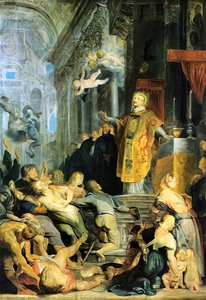
Aperçu en situation
 Partager
 Partager
 Détails
 Guide
Guide

 Télécharger
 Articles similaires
 Radiographie
 Voir le diaporama
 Statistiques
Judith avec la tête d'Holofernes


 Afficher la suite
Reproduction à l'huile faite à la main
Huile sur toile peinte à la main, avec cadre et dimensions personnalisés, réalisée sur commande par nos artistes. ( Passer au format impression Passer au format image numérique)




P118B $10

P118H $10

P118W $10

P438Z $10

P508JH $12

P508YH $12

P805H $10

P805Z $10

P919BZ $10

P919G $10

P919XJ $10

P959ZH $10

P968JZ $12

W106C $8

W218G $10

W218JH $8

W218Y $10

W307PJ $10

W316G $10

W316PJ $8

W316Y $10

W398PJ $8

W4111J $10

W500HY $15

W500JH $15

W692G $12

W849H $8

W940BG $15

W953PJ $8




Choisissez parmi nos formats prédéfinis qui respectent les proportions originales de l’œuvre.

Vous pouvez saisir vos propres dimensions pour l'adapter à un cadre ou à un espace spécifique. Si la taille sélectionnée ne correspond pas aux proportions de l'image d'origine, nous recadrerons l'œuvre ou prolongerons la peinture avec des éléments peints à la main supplémentaires. Une maquette numérique vous sera envoyée pour approbation avant le début de la production.
Veuillez noter que l'aperçu à l'écran ne reflète pas le recadrage ou l'extension réels. Seule la maquette montrera fidèlement la composition finale.
Bien que des tailles personnalisées soient disponibles, nous vous recommandons de sélectionner une dimension dans la liste prédéfinie afin de préserver les proportions d'origine.
Après la commande, l’équipe OriginalUniqueArt.com contactera le client par e-mail pour recueillir ses instructions et lui fournira une maquette d’aperçu
Livraison dans le monde entier () en 3 à 4 semaines au lieu des 5 semaines habituelles. (20 septembre). Aucun compromis sur la qualité.

Livraison express gratuite dans le monde entier

Toile de lin de haute qualité

Assurance transport complète

Garantie de remboursement des droits de douane

Garantie de fidélité des couleurs

Garantie de retour de 100 jours (uniquement en cas de défaut)

Garantie de remboursement à 100%

Tarifs dégressifs sur quantité
 L'option verre n'est disponible que pour les dimensions inférieures à 110 cm.

Judith avec la tête d'Holofernes
Technique de reproduction
Format de la reproduction
-


Prix total final
$ 300
Judith avec la tête d'Holofernes : Un chef-d’œuvre baroque de Pierre Paul Rubens
- Artiste: pierre paul rubens
- Année de naissance: 1577
- Année de décès: 1640
- Taille: 120 x 111 cm
- Date: 1616
Le Sujet et le Récit
“Judith avec la tête d'Holofernes” est une représentation dramatique tirée du Livre de Judith dans l’Ancien Testament. La peinture dépeint Judith, une courageuse veuve juive, se tenant triomphante après avoir assassiné le général assyrien Holofernes, qui assiégeait sa ville. Avec l'aide de sa servante Abra, Judith infiltra le camp d'Holofernes, le séduisit et, pendant son sommeil, le décapa pour sauver son peuple de la destruction. L’œuvre capture un moment clé : Judith tenant fièrement la tête tranchée d'Holofernes, symbolisant la victoire sur l'oppression et l'intervention divine.
Style et Technique
L'utilisation magistrale du style baroque par Rubens est immédiatement évidente dans cette œuvre. Caractérisée par un mouvement dynamique, des couleurs riches et une émotion intense, la peinture exemplifie l’exubérance et le théâtralité de l’époque. Rubens a employé une technique de touche libre, créant un sentiment d'énergie et de vitalité. La composition utilise de forts contrastes entre lumière et ombre (chiaroscuro) pour intensifier le drame et attirer l'attention sur le visage de Judith et les détails macabres de la tête d’Holofernes. Son utilisation de couleurs vibrantes, rouges, ors et bruns profonds contribue à la qualité opulente et visuellement saisissante de la peinture.
Contexte Historique et Symbolisme
L'histoire de Judith résonnait profondément auprès du public pendant la période de la Contre-Réforme (XVIe-XVIIe siècles), lorsque l’Église catholique cherchait à réaffirmer son autorité face aux défis protestants. Le courage et la piété de Judith étaient considérés comme des vertus exemplaires, incarnant la foi et la résistance contre la tyrannie. La peinture servait d'allégorie visuelle puissante du triomphe du bien sur le mal et de la protection offerte par la grâce divine. Le collier porté par Judith n’est pas seulement décoratif ; on pense qu’il symbolise sa vertu et son statut, soulignant davantage son rôle héroïque. La présence d’Abra met en évidence l'importance de la camaraderie féminine et du soutien dans les moments de crise.
Impact Émotionnel et Héritage
“Judith avec la tête d'Holofernes” évoque un ensemble complexe d’émotions : triomphe, horreur et émerveillement. Rubens dépeint habilement Judith non pas comme une tueuse sanguinaire, mais comme une héroïne résolue mue par la foi et le patriotisme. La représentation viscérale de la violence est tempérée par le sentiment de victoire juste, laissant une impression durable sur le spectateur. Cette œuvre reste l'une des pièces les plus célébrées de Rubens, influençant d’innombrables artistes et continuant à captiver le public avec son récit dramatique et sa brillance artistique. Elle témoigne du pouvoir de l'art pour transmettre des messages moraux et historiques profonds.
Biographie de Pierre Paul Rubens
Jeunesse et Éducation
Pierre Paul Rubens, un artiste flamand renommé, est né le 28 juin 1577 à Siegen, en Allemagne. Sa famille a ensuite déménagé à Anvers, où il a reçu sa formation initiale. Le talent artistique de Rubens a été nourri sous la tutelle d'Adam van Noort, et plus tard, il a perfectionné ses compétences en Italie, étudiant les œuvres de Caravage et Léonard de Vinci.
Carrière Artistique et Style
Le style artistique de Rubens est caractérisé par son mouvement vibrant, sa couleur et sa sensualité, reflétant des thèmes classiques et chrétiens. Ses compositions mettaient souvent en scène des contrastes dramatiques de lumière et d'ombre, une expression émotionnelle intense et
Biographie de l'artiste
A Life Forged in Baroque Splendor
Sir Peter Paul Rubens, a name synonymous with the very essence of Baroque dynamism, was far more than simply a painter; he was a diplomat, a scholar, and a cultural architect who fundamentally reshaped the artistic landscape of 17th-century Europe. Born in Siegen, Germany, in 1577, his early life was marked by displacement—a formative experience that subtly permeated his later work with an undercurrent of drama and emotional depth. His father, Jan Rubens, a lawyer fleeing religious persecution for his Calvinist beliefs, uprooted the family from their native Antwerp, then under Spanish rule. This initial exile instilled in young Peter Paul a profound sense of resilience and adaptability—qualities that would serve him remarkably well throughout his multifaceted career. Following his father’s death in 1587, the family returned to Antwerp, where he received a humanist education before embarking on his artistic training around 1590, apprenticing under Tobias Verhaecht and Adam van Noort, honing foundational skills in drawing and painting techniques. However, it was his time with Otto van Veen that proved pivotal, exposing him to the rich legacy of Italian Renaissance art—a world he would soon embrace wholeheartedly. This early exposure to the works of Michelangelo, Raphael, and Titian laid the groundwork for his distinctive style, a synthesis of classical ideals and vibrant Baroque expression.The Italian Awakening and Artistic Synthesis
In 1600, Rubens embarked on a transformative journey to Italy—a pilgrimage that irrevocably shaped his artistic vision. For eight years, he immersed himself in the masterpieces of Michelangelo, Raphael, and Titian, absorbing their mastery of form, color, and composition with an almost obsessive dedication. The influence of these Renaissance giants is readily apparent in his early Italian works, characterized by classical themes—mythological narratives, allegorical scenes—and idealized figures rendered with a breathtaking sense of beauty and grace. Yet, Rubens didn’t merely imitate; he synthesized these influences with his own innate talent, developing a distinctive style marked by vibrant hues, dynamic compositions, and a sensuous depiction of the human form. He studied anatomy meticulously, resulting in figures that possessed both physical realism and emotional power—robust bodies imbued with life and movement. His palette exploded with color – deep reds, rich blues, and luminous yellows creating an intense visual experience. He wasn’t simply copying; he was translating the spirit of the Renaissance into a distinctly Flemish idiom. This period wasn't solely about artistic development; it was a profound intellectual awakening, fostering a deep appreciation for classical mythology and literature which would become recurring motifs throughout his oeuvre. Upon returning to Antwerp in 1608, Rubens swiftly established himself as the leading artist of his time, receiving a flood of commissions that testified to his burgeoning reputation and solidifying his position at the forefront of Flemish art.A Master of Many Forms: Painting Beyond Boundaries
Rubens’s artistic output was astonishingly diverse and prolific. He didn't confine himself to a single genre; instead, he excelled in history paintings—grand narratives depicting significant events from classical antiquity and biblical stories—mythological scenes brimming with fantastical creatures and dramatic action, portraits capturing the elegance and power of nobility, landscapes offering breathtaking vistas, and religious works imbued with profound spiritual meaning. His large-scale canvases, often intended for churches, palaces, and public spaces, were breathtaking displays of technical virtuosity and dramatic storytelling. The Descent from the Cross (c. 1616-1617), a monumental triptych housed in the Alte Pinakothek in Munich, exemplifies his masterful use of light and shadow to create a scene of profound emotional intensity—the grief and despair of Mary Magdalene contrasted with the stoic acceptance of Christ. The Raising of the Cross (1610-1611), with its swirling figures and dynamic composition, showcases his ability to convey movement and energy—a hallmark of his Baroque style. Even in seemingly static subjects like The Judgement of Paris (c. 1636), Rubens infused a sense of life and vitality through his vibrant color palette and sensual depiction of the human form. His technique was equally remarkable – a masterful command of oil painting, employing impasto to create texture and depth, alongside delicate glazing techniques to achieve luminous effects. He frequently employed allegorical figures and symbolic imagery, layering narratives with complex meanings that invited contemplation and interpretation.Diplomacy, Legacy, and Enduring Influence
Rubens’s influence extended far beyond the realm of art. His diplomatic skills were highly sought after by the Southern Netherlands (modern-day Belgium), and he undertook numerous missions to England, France, and Spain, negotiating treaties and fostering political alliances—a unique dual role that afforded him a nuanced perspective on European affairs and further enhanced his reputation as a man of intellect and influence. He was known for his charisma, his generosity, and his ability to navigate the complex world of courtly politics. In 1630, he married Hélène Fourment, who became both his muse and frequent subject in his paintings – her youthful beauty gracing many of his later works, embodying the sensuality and vitality that characterized his style. He continued to paint prolifically until his death in Antwerp in 1640, leaving behind a vast legacy that continues to inspire awe and admiration. His impact on subsequent generations of artists is immeasurable; painters like Anthony van Dyck, Jacob Jordaens, and Eugène Delacroix all drew inspiration from his dynamic compositions, vibrant colors, and sensuous figures. Rubens didn’t just define the Baroque style—he elevated painting to a new level of prestige and influence, solidifying Antwerp as a major center of artistic production during the 17th century. He remains, centuries later, a towering figure in the history of art, a testament to the power of human creativity and the enduring allure of Baroque splendor.Key Characteristics of Rubens’s Style
- Dynamic Composition: Rubens' paintings are known for their energetic and dramatic arrangements of figures.
- Vibrant Color Palette: He employed a rich, warm color scheme that brought his canvases to life.
- Sensuous Figures: His depictions of the human form were characterized by fullness, vitality, and often, overt sensuality.
- Masterful Use of Light and Shadow: Rubens skillfully manipulated light and shadow to create depth, drama, and emotional impact.
- Allegorical Symbolism: His works frequently incorporated allegorical figures and symbolic imagery, adding layers of meaning and complexity.

Pierre Paul Rubens
1577 - 1640 , Allemagne
En bref
- Artistic Movement Or Style: Baroque
- Artists Or Movements Influenced By This Artist: ['Anthony van Dyck']
- Artists Who Influenced This Artist:
- Michelangelo
- Titian
- Date Of Birth: 1577
- Date Of Death: 1640
- Full Name: Sir Peter Paul Rubens
- Nationality: Flemish
- Notable Artworks:
- La Descente de la Croix
- Massacre des Innocents
- Place Of Birth: Siegen, Allemagne
Articles similaires

Mastering Drama and Light: A Definitive Guide to the Flemish Baroque Art Movement
Explore the dramatic brilliance of the Flemish Baroque movement. Discover how masters like Peter Paul Rubens utilized chiaroscuro and dynamic composition to redefine art history through light, shadow, and unparalleled emotion.

Les 10 Chefs-d'œuvre Baroques qui ont Révolutionné l'Art |
Plongez au cœur du baroque avec les 10 chefs-d'œuvre de Caravaggio, Rembrandt et Rubens. Découvrez l'histoire fascinante de ces artistes et leurs tableaux célèbres. Reproductions d'art de qualité muséale sur – Explorez la collection !

The Visceral Stage: Exploring Dramatic Narratives & Emotional Intensity in Baroque Art
Explore the dramatic world of Baroque art! Discover iconic masters like Caravaggio & Rembrandt, their techniques, and the movement's lasting impact. Expert insights for collectors & enthusiasts at OriginalUniqueArt.
The Dramatic Flourish: Exploring Baroque Painting's Emotional Intensity & Artistic Innovations
Explore the dramatic world of Baroque painting! Discover its history, defining characteristics, iconic artists like Caravaggio & Rubens, and lasting influence on Western art. Expert insights for collectors.

The Dramatic Flourish: Exploring the Baroque Movement's Enduring Legacy in Art History
Explore the dramatic world of Baroque art! Discover iconic artists like Caravaggio & Rubens, defining techniques, and its lasting impact on art history. Expert insights for collectors & enthusiasts at OriginalUniqueArt.