

 Aperçu en situation
 Envoyer
 Partager
 Détails de l'œuvre

 Télécharger
 Articles similaires
 Radiographie
 Diaporama
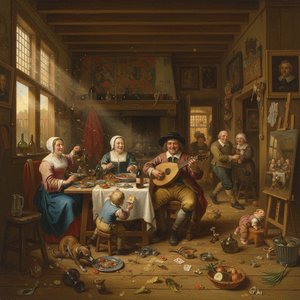
Les Quatre Éléments et les Âges de l'Homme : Le Feu et l'Enfance
 Acrylique sur toile
- Art mural
- Dutch Baroque
 1668
1668 83.0 x 58.0 cm
 Musées d’État de Cassel
 Lire la suite
Reproduction à l'huile faite à la main
Huile sur toile peinte à la main, avec cadre et dimensions personnalisés, réalisée sur commande par nos artistes. ( Commander l'impression Télécharger l'image haute résolution)




P118B $10

P118H $10

P118W $10

P438Z $10

P508JH $12

P508YH $12

P805H $10

P805Z $10

P919BZ $10

P919G $10

P919XJ $10

P959ZH $10

P968JZ $12

W106C $8

W218G $10

W218JH $8

W218Y $10

W307PJ $10

W316G $10

W316PJ $8

W316Y $10

W398PJ $8

W4111J $10

W500HY $15

W500JH $15

W692G $12

W849H $8

W940BG $15

W953PJ $8




Choisissez parmi nos formats prédéfinis qui respectent les proportions originales de l’œuvre.

Vous pouvez saisir vos propres dimensions pour l'adapter à un cadre ou à un espace spécifique. Si la taille sélectionnée ne correspond pas aux proportions de l'image d'origine, nous recadrerons l'œuvre ou prolongerons la peinture avec des éléments peints à la main supplémentaires. Une maquette numérique vous sera envoyée pour approbation avant le début de la production.
Veuillez noter que l'aperçu à l'écran ne reflète pas le recadrage ou l'extension réels. Seule la maquette montrera fidèlement la composition finale.
Bien que des tailles personnalisées soient disponibles, nous vous recommandons de sélectionner une dimension dans la liste prédéfinie afin de préserver les proportions d'origine.
Après la commande, l’équipe OriginalUniqueArt.com contactera le client par e-mail pour recueillir ses instructions et lui fournira une maquette d’aperçu
Livraison dans le monde entier () en 3 à 4 semaines au lieu des 5 semaines habituelles. (21 août). Aucun compromis sur la qualité.

Livraison express gratuite dans le monde entier

Toile de lin de qualité supérieure

Assurance transport complète

Garantie de remboursement des droits de douane

Garantie de fidélité des couleurs

Politique de retour de 60 jours (uniquement en cas de défaut)

Garantie de remboursement à 100%

Offre de tarifs dégressifs
 L'option verre n'est disponible que pour les dimensions inférieures à 110 cm.

Les Quatre Éléments et les Âges de l'Homme : Le Feu et l'Enfance
Technique de reproduction
Format de la reproduction
-


Prix total
$ 300
Description de l'œuvre
A Portrait of Reflection: Jan Andrea Lievens’ “The Four Elements and Ages of Man: Fire and Childhood”
Jan Andrea Lievens' "The Four Elements and Ages of Man: Fire and Childhood," painted in 1668, stands as a poignant emblem of Dutch Baroque artistry—a masterful blend of meticulous observation and profound symbolic representation. Executed with oil on canvas, this artwork delves into the formative years of life through the evocative imagery of fire and youthful determination. It’s more than just a depiction; it's an invitation to contemplate the essence of human experience during childhood.Subject Matter and Composition
The painting centers around a young boy—likely Lievens’ son—who embodies the element of fire, specifically its nascent stage. He holds tongs containing an ember aloft, carefully directing a torch flame towards it. Alongside him rests a cup and bowl on a table, suggesting domestic tranquility and providing grounding elements to counterbalance the dynamic gesture of illumination. A clock hangs prominently on the wall above his head—a subtle reminder of time’s passage and the inevitable progression through life stages. The boy's gaze is focused intently, conveying a sense of concentration and aspiration.Style and Technique
Lievens’ style aligns closely with Rembrandt’s during their collaborative period, demonstrating a characteristic chiaroscuro technique – dramatic contrasts between light and dark—that imbues the scene with palpable emotion. Light emanates from the torch flame, highlighting the boy's face and hands, while enveloping the surrounding objects in shadow. This masterful manipulation of light creates depth and dimensionality, drawing the viewer’s eye into the heart of the composition. The artist’s meticulous attention to detail—evident in the rendering of the ember, the texture of the clothing, and the subtle nuances of facial expression—underscores his commitment to realism within a framework of symbolic meaning.Historical Context and Artistic Influences
Painted during the Dutch Golden Age, “The Four Elements and Ages of Man: Fire and Childhood” reflects the prevailing fascination with humanist ideals and scientific inquiry prevalent at the time. Like many Baroque paintings, it aims to convey moral lessons—here, emphasizing the importance of perseverance and focused ambition in achieving one’s goals. The series as a whole explores the influence of Aristotle's philosophy on portraying human development across different ages, mirroring broader intellectual currents shaping European culture.Symbolism: Fire and Childhood
The element of fire symbolizes passion, energy, and intellect—qualities associated with childhood. The boy’s act of lighting the torch represents his eagerness to learn and explore the world around him. The ember signifies potential, while the flame embodies nascent creativity and determination. These symbols resonate deeply within the viewer, prompting reflection on the formative years of life and the significance of cultivating inner strength and curiosity.Emotional Impact
“The Four Elements and Ages of Man: Fire and Childhood” transcends mere visual representation; it evokes a feeling of nostalgia—a wistful remembrance of youthful innocence and boundless optimism. The painting’s serene yet purposeful atmosphere invites contemplation on the enduring values of perseverance, ambition, and intellectual curiosity. It serves as an inspiring testament to Lievens' ability to capture not only the outward appearance but also the inner spirit of his subject, cementing its place as a cornerstone of Dutch Baroque art history.Biographie de l'artiste
une vie d'éclat artistique
jan andrea lievens jan lievens, peintre néerlandais des Pays-Bas, a vécu de 1607 à 1674. Son œuvre est souvent étroitement liée à celle de Rembrandt, car les deux artistes ont partagé des styles similaires durant l'âge d'un or néerlandais.jeunesse et formation
Né le 24 octobre 1607, Jan était le fils de lieven hendriksze, un tapissier. Selon les écrits d'arnold houbraken, Jan a commencé son apprentissage artistique sous la direction de joris verschoten. Vers l'âge de 10 ans, il fut envoyé à Amsterdam auprès de pieter lastman pour un apprentissage de deux ans.l'ascension vers la renommée
Le talent prodigieux de Jan l'a conduit à devenir un artiste indépendant dès l'âge de 12 ans à Leyde. Sa copie de démocrite et héraclite par cornelis van haarlem, ainsi qu'un portrait de sa mère, machtelt jans van noortzant, ont captivé l'attention de maurice de nassau, prince d'orange. Cette reconnaissance lui permit d'être invité à la cour britannique à l'âge de 31 ans.collaborations et influences
Jan a collaboré avec rembrandt van rijn entre 1626 et 1631, produisant plus de deux douzaines de peintures, dessins et eaux-fortes. Cette collaboration compétitive a rendu l'attribution des œuvres de cette période particulièrement complexe. Les compositions dramatiques de Jan témoignent de l'influence des caravagistes, tandis que son talent pour la peinture à taille réelle est manifeste.œuvres notables et héritage
Parmi les œuvres marquantes de Jan, on peut citer :- tête de vieil homme (new orleans museum of art, huile sur toile)
- homme barbu avec un béret (huile sur panneau, 54 x 46 cm)
- garçon en cape et turban (portrait du prince rupert du palatinat) (the leiden collection, new york, huile sur panneau)
- L'héritage de Jan est marqué par ses contributions significatives à l'âge d'or néerlandais, ses œuvres étant exposées dans divers musées, notamment le mauritshuis et la collection kremer.
- jan andrea lievens jan lievens sur OriginalUniqueArt
- la collection kremer (la haye, néerlands) - un guide complet sur OriginalUniqueArt
- jan lievens sur wikipedia
- découvrez le génie artistique de jan andrea lievens jan lievens à travers ses œuvres captivantes et ses collaborations avec ses pairs maîtres néerlandais.
pour aller plus loin
Pour plus d'informations sur jan andrea lievens jan lievens et ses œuvres, visitez :

Jan Lievens
1607 - 1674 , Pays-Bas
L'essentiel de l'artiste
- Artistic Movement Or Style: Dutch Golden Age
- Artists Or Movements Influenced By This Artist: ['Rembrandt']
- Artists Who Influenced This Artist:
- Pieter Lastman
- Peter Paul Rubens
- Date Of Birth: October 24, 1607
- Date Of Death: June 4, 1674
- Full Name: Jan Lievens
- Nationality: Dutch
- Notable Artworks:
- Head of an Old Man
- Portrait of Constantin Huygens
- Young Man Wearing a Beret
- Place Of Birth: Leiden, Netherlands
Articles connexes

Golden Light & Dutch Skies: The Timeless Magic of Dutch Golden Age Landscapes
Discover the breathtaking beauty of Dutch Golden Age landscapes. Explore the mastery of light, chiaroscuro, and 17th-century realism through an expert art history lens, celebrating the enduring legacy of the Dutch Masters for discerning collectors and art lovers.

L'Âge d'Or Néerlandais : 10 Chefs-d'œuvre Incontournables pour Décorer avec Art et Histoire
Plongez au cœur de l'Âge d'Or néerlandais ! Découvrez 10 chefs-d'œuvre intemporels de Rembrandt, Vermeer et autres maîtres hollandais. Explorez leur histoire, technique & trouvez l'inspiration déco sur
Jan Steen: A Master of Dutch Genre Painting & the Golden Age
Explore the life & art of Jan Steen, a leading Dutch Golden Age painter renowned for his humorous genre scenes & insightful social commentary. Discover his techniques, legacy, and collecting tips.

L'Âge d'Or Néerlandais : Splendeur Baroque et Révolution Artistique
Explorez l'Âge d'Or néerlandais : découvrez les maîtres baroques (Rembrandt, Fabritius) et leur révolution artistique. Analyse approfondie, contexte historique et héritage durable. Un voyage au cœur de la peinture du XVIIe siècle.

Mastering Light & Shadow: A Journey Through the Dutch Golden Age's Luminous Legacy
Embark on a cultural journey through the Dutch Golden Age. Explore the masterful interplay of light and shadow in 17th-century masterpieces, from Rembrandt to Vermeer, and discover how this era of profound realism continues to inspire fine art collectors today.



