
 Aperçu en situation
 Partager
 Partager
 Détails
 Guide imprimable

 Télécharger
 Articles similaires
 Radiographie
 Voir le diaporama
 Statistiques
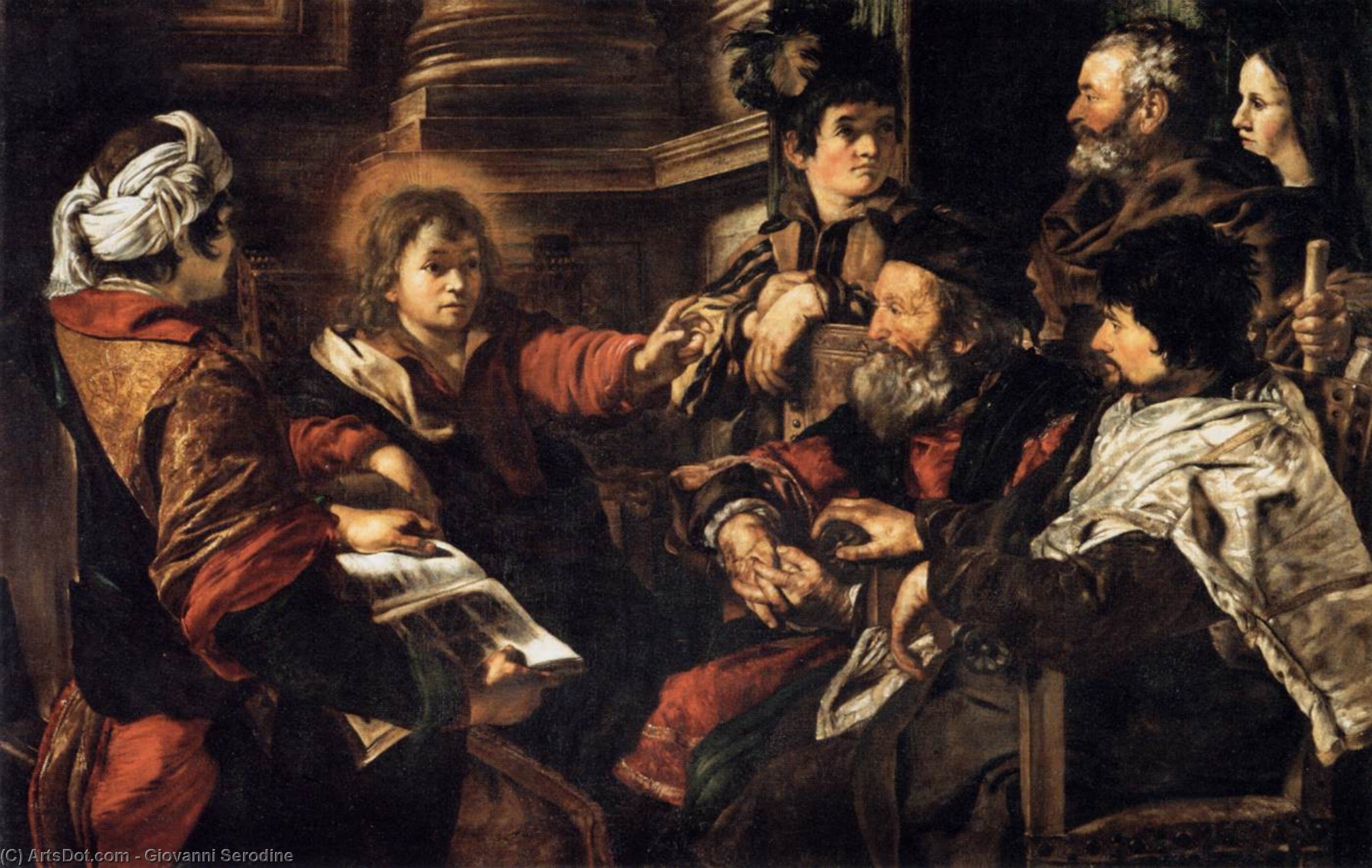
Christ among the Doctors
 Acrylic On Canvas
- WallArt
- Caravaggist Style
 1625
1625 145.0 x 224.0 cm
 Musée du Louvre
 Afficher la suite
Giclées et impressions d'art
Impressions giclées ou sur toile de qualité musée, avec une production rapide et des finitions au choix. ( Acheter la peinture faite à la main Passer au format image numérique)




P118B $10

P118H $10

P118W $10

P438Z $10

P508JH $12

P508YH $12

P805H $10

P805Z $10

P919BZ $10

P919G $10

P919XJ $10

P959ZH $10

P968JZ $12

W106C $8

W218G $10

W218JH $8

W218Y $10

W307PJ $10

W316G $10

W316PJ $8

W316Y $10

W398PJ $8

W4111J $10

W500HY $15

W500JH $15

W692G $12

W849H $8

W940BG $15

W953PJ $8




Choisissez parmi nos formats prédéfinis qui respectent les proportions originales de l’œuvre.

Vous pouvez saisir vos propres dimensions pour vous adapter à un cadre ou à un espace spécifique. Si la taille sélectionnée ne correspond pas aux proportions de l'image originale, nous recadrerons l'œuvre ou étendrons l'image avec une bordure en miroir ou une couleur unie. Une maquette numérique vous sera envoyée pour approbation avant le début de la production.
Veuillez noter que l'aperçu à l'écran ne reflète pas le recadrage ou l'extension réelle. Seule la maquette montrera avec précision la composition finale.
Bien que des tailles personnalisées soient disponibles, nous vous recommandons de choisir une dimension dans la liste prédéfinie afin de préserver les proportions originales.
Livraison dans le monde entier () en 2 semaines au lieu des 4/5 semaines habituelles. (27 septembre)

Livraison express gratuite dans le monde entier

Toile de lin de haute qualité

Assurance transport complète

Garantie de remboursement des droits de douane

Garantie de fidélité des couleurs

Garantie de retour de 100 jours (uniquement en cas de défaut)

Garantie de remboursement à 100%

Tarifs dégressifs sur quantité
 L'option verre n'est disponible que pour les dimensions inférieures à 110 cm.

Christ among the Doctors
Giclées et impressions d'art
Format de la reproduction
-


Prix total final
$ 80
The Serene Wisdom: Giovanni Serodine’s “Christ Among the Doctors”
Giovanni Serodine's "Christ Among the Doctors," painted in 1625, is not merely a religious scene; it’s a carefully constructed tableau of intellectual and spiritual engagement. This captivating work, now housed within the Louvre Museum, offers a rare glimpse into the burgeoning Baroque aesthetic in Rome – a style characterized by dramatic contrasts of light and shadow, intense emotion, and a profound reverence for biblical narratives. Serodine, a Swiss-Italian painter who spent much of his career in Italy, masterfully blended the dynamism of Caravaggism with a distinctly Northern European sensibility, creating an image that is both powerfully emotive and meticulously detailed.
The painting depicts a pivotal moment from Luke’s Gospel: Jesus, still a young boy, surrounded by a gathering of learned men – doctors of the law – engaged in spirited debate. Rather than presenting a simple portrait of piety, Serodine captures the very essence of intellectual discourse. The figures are not static; they are actively involved, their gestures and expressions conveying a sense of urgency and profound concentration. Notice how Jesus, youthful yet radiating an aura of authority, is surrounded by these older men, some reaching out to touch his face or hands in awe and respect. The composition isn’t about a single, grand gesture but rather the cumulative effect of numerous small interactions – a subtle nod, a raised hand, a questioning glance – all contributing to the vibrant energy of the scene.
A Masterclass in Caravaggist Technique
Serodine's artistic approach is deeply rooted in the principles of Caravaggism. The artist employs *tenebrismo*, a technique that dramatically contrasts areas of intense light with deep shadows, creating a heightened sense of drama and focusing attention on key elements within the composition. The figures are bathed in a warm, golden light emanating from an unseen source, while the background recedes into a shadowy obscurity. This chiaroscuro effect not only adds visual interest but also serves to emphasize Jesus’s central role as the focal point of the scene.
Furthermore, Serodine's brushwork is remarkably loose and expressive, particularly evident in the rendering of the figures’ clothing and hands. He eschews meticulous detail in favor of capturing a sense of movement and immediacy. The textures of the robes are suggested through rapid, broken strokes, while the hands – constantly gesturing and interacting – are rendered with remarkable sensitivity and realism. This technique, combined with his use of warm earth tones and subtle gradations of color, creates a remarkably lifelike and engaging image.
Symbolism and Historical Context
Beyond its technical brilliance, “Christ Among the Doctors” is rich in symbolic meaning. The scene itself represents the beginning of Jesus’s public ministry – his engagement with Jewish law and tradition. The doctors surrounding him are not simply scholars; they embody the established religious authorities of the time. By depicting Jesus interacting with them, Serodine subtly suggests his future role as a revolutionary figure who will challenge conventional interpretations of scripture and ultimately offer a new path to spiritual understanding.
Painted in 1625 during the Counter-Reformation, this work reflects the Catholic Church’s desire to engage the faithful through emotionally resonant art. The scene is intended to inspire contemplation on themes of faith, knowledge, and divine wisdom. The inclusion of figures dressed formally – some even wearing ties, a detail that hints at the painting's relatively recent creation – suggests a deliberate attempt to portray a contemporary setting, making the biblical narrative more accessible and relatable to viewers.
A Timeless Portrait of Wisdom
“Christ Among the Doctors” is a testament to Giovanni Serodine’s artistic skill and his ability to capture the complexities of human interaction within a sacred context. It's a painting that rewards careful observation, inviting viewers to contemplate not only the biblical story it depicts but also the enduring themes of knowledge, faith, and the pursuit of wisdom. Today, this masterpiece continues to captivate audiences with its dramatic lighting, dynamic composition, and profound emotional impact – a timeless reminder of the power of art to illuminate the human spirit.
Biographie de l'artiste
Giovanni Serodine: Life and Legacy
Giovanni Serodine, né en 1600 à Ascona (dans l'actuel canton du Tessin en Suisse) et mort le 21 décembre 1630 à Rome, est un peintre de la période baroque. Il est connu pour être l’un des derniers représentants du caravagisme.Early Life and Artistic Development
Giovanni Serodine était issu d'une famille dont les membres étaient réputés pour leur maîtrise de la stucographie, une forme d'art qui avait involontairement préparé le terrain pour ses propres ambitions artistiques. Cette exposition précoce aux arts décoratifs a probablement nourri son œil aiguisé pour les détails et la composition. Son parcours artistique véritablement commencé à Rome où il développa une expression unique du style caravagiste. Il adopta l’utilisation dramatique de la lumière et de l'ombre – connue sous le nom de tenebrisme – et des traits libres qui caractérisaient ce mouvement influent. Cette pratique artistique reflétait les tendances esthétiques de son époque et témoigne d'une sensibilité particulière aux effets visuels.Artistic Style and Influences
Serodine’s style fut profondément marqué par les caravagistes du Nord, notamment Lys, Strozzi et Fetti, qui étaient actifs à Venise. Ces maîtres furent une source d’inspiration pour ses compositions dramatiques et son émotion intense. Il partageait avec eux la même passion pour la représentation réaliste des personnages et l'utilisation saisissante de la lumière pour créer une atmosphère particulière. Cette influence caravagiste est perceptible dans toutes ses œuvres majeures, où Serodine parvint à capturer les nuances émotionnelles et les effets lumineux caractéristiques du mouvement baroque italien. Il était également sensible aux idées esthétiques développées par les artistes florentins et veniens de son temps.Notable Works and Achievements
Bien que sa carrière ait été tragiquement courte, Serodine produisit une série d’œuvres importantes qui démontrent son talent artistique et sa vision. Parmi ses œuvres les plus remarquables figurent *Jesus Among the Masters* au Louvre, où il maîtrisait parfaitement la composition et l'éclairage dramatique ; *Jesu and the Tribute Money* à la Galerie nationale de Scotland, qui illustre son aptitude à la peinture narrative et à l’attention aux détails ; et *Saint Lawrence distributing alms* au couvent de Sermoneta, une œuvre puissante exprimant la compassion et la dévotion religieuse. Ses peintures sont devenues des classiques du baroque suisse et italien, célébrées pour leur beauté esthétique et leur profondeur émotionnelle. Il est considéré comme un artiste essentiel dans l'histoire de l’art européen du XVIIe siècle.Historical Significance and Legacy
Giovanni Serodine demeure une figure importante dans l'histoire de l'art baroque suisse et italien. Son œuvre offre un témoignage précieux des préoccupations esthétiques et intellectuelles de son temps, et continue d’être étudiée et admirée par les chercheurs et les amateurs d’art contemporains. Malgré les difficultés rencontrées pour obtenir un soutien financier régulier et une reconnaissance universelle durant sa vie, Serodine laisse derrière lui un patrimoine artistique remarquable qui témoigne de la richesse et de la diversité des courants artistiques européens du XVIIe siècle. Il est reconnu comme l'un des derniers représentants du caravagisme et son héritage demeure vivant dans les œuvres d’autres artistes influencés par son style unique.
Giovanni Serodine
1594 - 1630 , Suisse
En bref
- Artistic Movement Or Style: Caravaggismo, Baroque
- Artists Who Influenced This Artist:
- Lys
- Strozzi
- Fetti
- Date Of Birth: 1600
- Full Name: Giovanni Serodine
- Nationality: Swiss-Italian
- Notable Artworks:
- Jesus Among the Masters
- Jesu and the tribute money
- Saint Lawrence distributing alms
- Place Of Birth: Ascona, Switzerland
Articles similaires

Le Drame Baroque : L'Art qui Apporte la Splendeur dans Votre Intérieur
Plongez dans l'univers somptueux du baroque ! Découvrez son histoire, comment l'intégrer à votre intérieur et les œuvres incontournables. : reproductions d'art de qualité supérieure.

Baroque Classicism: The Grandeur of Order and Drama in 17th-Century Art History
Explore the profound elegance of Baroque Classicism. Discover how 17th-century masters synthesized dramatic emotion with classical order through the lens of the Counter-Reformation and the works of legends like Carlo Maratta and Andrea Sacchi.

Les 10 Chefs-d'œuvre Baroques qui ont Révolutionné l'Art |
Plongez au cœur du baroque avec les 10 chefs-d'œuvre de Caravaggio, Rembrandt et Rubens. Découvrez l'histoire fascinante de ces artistes et leurs tableaux célèbres. Reproductions d'art de qualité muséale sur – Explorez la collection !

The Visceral Stage: Exploring Dramatic Narratives & Emotional Intensity in Baroque Art
Explore the dramatic world of Baroque art! Discover iconic masters like Caravaggio & Rembrandt, their techniques, and the movement's lasting impact. Expert insights for collectors & enthusiasts at OriginalUniqueArt.

The Dramatic Flourish: Exploring the Baroque Movement's Enduring Legacy in Art History
Explore the dramatic world of Baroque art! Discover iconic artists like Caravaggio & Rubens, defining techniques, and its lasting impact on art history. Expert insights for collectors & enthusiasts at OriginalUniqueArt.
