
 Aperçu en situation
 Envoyer
 Partager
 Détails de l'œuvre
 Guide
Guide

 Télécharger l'image
 Articles similaires
 Radiographie
 Diaporama
 Questions et réponses
 Statistiques
Kaavu

- 85.0 x 64.0 cm


 Lire la suite
L’œuvre d'art présentée sur cette page est protégée par le droit d'auteur, ce qui signifie que nous ne pouvons légalement créer ou vendre de reproduction identique. Cette protection est appliquée en vertu d'accords internationaux tels que la Convention de Berne et par les lois nationales, notamment celles énoncées par le Loi américaine sur le droit d'auteur - Titre 17.
Cette méthode est pleinement conforme aux réglementations sur le droit d'auteur car elle ne repose pas sur la copie ou la duplication de l'œuvre protégée. Il s'agit plutôt d'une réinterprétation créative — une nouvelle peinture qui s'inspire de l'original sans pour autant lui être identique.
Giclées et impressions d'art
Impressions giclées ou sur toile de qualité musée, avec une production rapide et des finitions au choix. ( Commander la reproduction peinte à la main Passer au format numérique)




P118B €10

P118H €10

P118W €10

P438Z €10

P508JH €12

P508YH €12

P805H €10

P805Z €10

P919BZ €10

P919G €10

P919XJ €10

P959ZH €10

P968JZ €12

W106C €8

W218G €10

W218JH €8

W218Y €10

W307PJ €10

W316G €10

W316PJ €8

W316Y €10

W398PJ €8

W4111J €10

W500HY €15

W500JH €15

W692G €12

W849H €8

W940BG €15

W953PJ €8




Choisissez parmi nos formats prédéfinis qui respectent les proportions originales de l’œuvre.

Saisissez la largeur et la hauteur souhaitées pour qu'elles s'adaptent à votre cadre ou à votre mur. Une impression peut être recadrée, mais jamais agrandie au-delà de l'image originale ; ainsi, un format de forme différente entraînera la perte d'une partie de l'image. Nous vous envoyons une maquette numérique pour approbation avant toute impression. L'image présentée sur cette page ne montre pas le recadrage réel — seule la maquette le permet.
Livraison dans le monde entier () en 2 semaines au lieu des 4/5 semaines habituelles. (9 novembre)

Livraison express gratuite dans le monde entier

Toile de lin de qualité supérieure

Assurance transport complète

Garantie de remboursement des droits de douane

Garantie de fidélité des couleurs

Politique de retour de 100 jours (uniquement en cas de défaut)

Garantie de remboursement à 100%

Offre de tarifs dégressifs
 L'option verre n'est disponible que pour les dimensions inférieures à 110 cm.

Kaavu
Giclées et impressions d'art
Format de la reproduction
-


Prix total
€ 72
A Vibrant Tapestry of Coastal Life
In the evocative masterpiece Kaavu, created in 1984 by the esteemed Indian painter Sekhar Ranjan Debnath, we are transported to a luminous moment within a thriving coastal community. The painting serves as a window into a world where land and water exist in a delicate, rhythmic dance. At the heart of this composition sits a striking house with a crimson roof, anchored amidst a shimmering expanse of water. This central structure acts as a beacon of domestic stability, surrounded by the fluid motion of a lively maritime landscape. As the eye wanders across the canvas, it encounters figures scattered throughout the scene—some drifting near the shoreline and others positioned in the distance—creating a profound sense of depth and communal vitality. The presence of a solitary boat floating near the main dwelling adds a touch of quiet movement, suggesting the daily rhythms of life dictated by the tides.
The technique employed by Debnath is nothing short of mesmerizing, utilizing Acrylic On Canvas to achieve a brilliance that feels both contemporary and timeless. His brushwork breathes life into the scenery, layering colors to capture the way light interacts with the aqueous environment. The palette is a celebration of warmth and vibrancy, where the bold red of the rooftops contrasts beautifully against the cool, reflective tones of the surrounding waters. This mastery of color allows the artist to depict not just a physical location, but an atmosphere—one that feels humid, sun-drenched, and brimming with the energy of a Kerala summer. For collectors and interior designers, this piece offers a sophisticated interplay of light and pigment that can serve as a breathtaking focal point in any curated space.
Cultural Resonance and Artistic Legacy
To understand Kaavu is to understand the soul of Kerala. Sekhar Ranjan Debnath, often referred to as Sekhar Ayyanthole, draws deeply from his roots in the Thrissur District, infusing his work with the aesthetic DNA of traditional temple murals and folk traditions. The title itself evokes the sacred groves or "Kaavu" prevalent in the region, hinting at a deeper, spiritual connection between the inhabitants and their natural surroundings. There is a subtle symbolism at play here; the house surrounded by water can be viewed as a metaphor for the resilience of human life amidst the ever-changing currents of nature. The painting captures a sense of harmony, where the man-made structures do not intrude upon the landscape but rather exist as an integral part of its ecological and social fabric.
For those seeking to bring a piece of this profound heritage into their homes, a high-quality reproduction of Kaavu offers more than mere decoration. It provides an emotional anchor—a sense of peace, nostalgia, and connection to the earth. The artwork’s ability to evoke a "lively and vibrant" atmosphere makes it an ideal choice for spaces designed for inspiration and reflection. Whether placed in a modern gallery-style living room or a classic study, this painting invites viewers to pause and immerse themselves in the timeless beauty of India's coastal spirit, making it a truly invaluable acquisition for any serious lover of fine art.
Questions et réponses
À quelle étape de la carrière de Sekhar Ranjan Debnath s'inscrit « Kaavu », compte tenu de sa date ?
«Kaavu», créé en 1984, appartient à la période Early Period de la carrière de Sekhar Ranjan Debnath.
En quelle année «Kaavu» de Sekhar Ranjan Debnath a-t-il été créé ?
«Kaavu» de Sekhar Ranjan Debnath a été créé en 1984.
Qui est l'auteur de "Kaavu" ?
« Kaavu » a été créé par Sekhar Ranjan Debnath. Les informations présentes sur cette page décrivent l'œuvre originale de Sekhar Ranjan Debnath.
Biographie de l'artiste
Sekhar Ranjan Debnath: Un Peintre Imprégné de la Paysage Kalaméloisien
Sekhar Ranjan Debnath (également connu sous le nom de Sekhar Ayyanthole), né à Ayyanthole, dans le district de Thrissur, au Kerala, en Inde en 1954, occupe une place importante dans l’art contemporain indien. Son parcours artistique a commencé avec une formation initiale à l'École supérieure des arts du gouvernement indien à Thrissur en 1975 où il obtient son diplôme en dessin et peinture, établissant ainsi une fondation pour sa dévotion constante à l'expression visuelle. Ses premières expériences professionnelles comprennent des postes d’enseignant artistique à l’école et plus tard comme professeur artistique au département gouvernemental du Kerala jusqu’en 2006 – des fonctions qui nourrissent sa compréhension de la pédagogie artistique et lui inculquent une profonde appréciation pour capturer l'essence du paysage kéralaïen.- Influences Précoces : Les premières années de Debnath furent marquées par une exposition à la richesse des formes d’art traditionnelles kéralaïennes, notamment les peintures murales temple et les peintures folkloriques, qui ont sans doute façonné ses sensibilités stylistiques. Ces œuvres témoignent d'une connexion profonde avec l'histoire artistique régionale et servent de source d'inspiration pour son propre travail.
- Expositions Solo et Reconnaissance : Il a acquis une reconnaissance considérable grâce à plusieurs expositions individuelles présentant son approche distinctive de la peinture paysagière. Parmi les événements marquants figurent « Government of India Thrissur 1983 », « Edathanattukara », « PGT 1987 », « Ernakulam 1989 », « Aa-96 » (Calicut 1996), « Ayyanthole -99 » (Galerie Chithram Cochin 1999), « 6ème Solo » (Galerie KLK Cochin 2002), « Bikanir » (Thrissur 2006), et « Iriyannni » (Galerie Chitrakala Parishat Bangalore 2007) – chacun faisant preuve d’une constante volonté d'exploration artistique.
Une Carrière Épanouissante dans les Expositions Groupées et les Collaborations Artistiques
Les activités artistiques de Debnath dépassaient les présentations individuelles, participant activement à des expositions collectives qui favorisaient le dialogue et élargissaient ses horizons artistiques. Sa participation à des événements tels que « Dhanu - 53 » (Thrissur 1977), « Kalamela » (New Delhi – KLK Academy au troisième triennale 1978) et les expositions annuelles de la galerie KLK depuis 1975 lui permettaient de partager son travail avec d’autres artistes et de contribuer à l'atmosphère artistique dynamique de l'Inde. Il collabora notamment avec des peintres renommés comme Yusuf Arakkal et Akkitham Narayanan lors de l’exposition « Impasto-Douze », une célébration de la diversité stylistique et technique dans l’art contemporain kéralaïen.La Technique Impasto : Une Expression Texturale Profonde
Debnath est reconnu pour son utilisation magistrale de la technique impasto – appliquer des couches épaisses de peinture sur la toile – qui apporte une profondeur et une richesse textuelle remarquable à ses peintures représentant les paysages du Kerala. Cette méthode permet de capturer les nuances subtiles de la lumière naturelle et les textures organiques du paysage kéralaïen, créant ainsi des œuvres d’art visuellement stimulantes et émotionnellement chargées. Il privilégie une palette de couleurs vibrantes inspirée par les couleurs vives de la végétation luxuriante et des eaux paisibles du Kerala, reflétant ainsi sa sensibilité artistique et son amour pour cette région emblématique.Un Héritage Artistique Durable et une Importance Historique
Au-delà de ses œuvres individuelles, Sekhar Ranjan Debnath a laissé une marque significative dans l’histoire de l'art indien en étant Président de la Galerie Chithrakala Parishat du Kerala – une fonction essentielle au soutien de l'éducation artistique et à la création d’un environnement favorable aux artistes dans cette région. Son travail continue d'être célébré pour sa capacité à transmettre les valeurs esthétiques et culturelles du Kerala, consolidant ainsi sa place parmi les figures marquantes de l’art contemporain indien et témoignant de son engagement envers la préservation du patrimoine artistique régional.
Sekhar Ranjan Debnath
1954 - , Inde
L'essentiel de l'artiste
- Artistic Movement Or Style: Peinture de paysage contemporaine
- Date Of Birth: Ayyanthole, India (1954)
- Date Of Death: Living
- Full Name: Sekhar Ranjan Debnath
- Nationality: Indien
- Notable Artworks: ['Kaavu']
- Place Of Birth: Ayyanthole, Kerala
Articles connexes
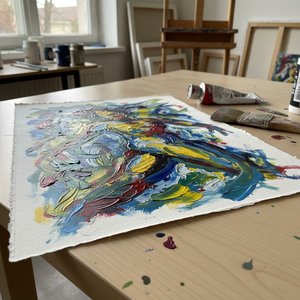
L'Éclosion de l'Acrylique sur Papier : Nouvelle Voie d'Expression Contemporaine pour les Collectionneurs
Explorez l'essor de l'acrylique sur papier dans l'art contemporain. Découvrez les influences historiques, les techniques maîtrisées et les artistes émergents à collectionner. Guide expert pour passionnés d'art.

Crimson Threads of Narrative: Exploring Symbolism & Representation in Artworks Featuring the Red Dress
Explore the rich symbolism of the red dress in art history! From ancient power displays to iconic portraits like Cézanne’s 'Madame Cezanne', discover the cultural and artistic significance behind this captivating color. Expert analysis & insights.

L'Essence de l'Acrylique : Guide Expert sur la Chimie, la Texture et la Polyvalence du Médium Moderne
Maîtrisez la chimie et les textures de l'acrylique grâce à notre guide expert. Explorez les secrets du médium moderne dès maintenant.

L'Acrylique sur Toile : Révolution Technique et Expression Contemporaine dans la Peinture Moderne
Explorez la révolution de l'acrylique sur toile ! Découvrez les techniques, les maîtres et l'investissement dans l'art contemporain avec OriginalUniqueArt. Expertise, conservation & authenticité garanties.
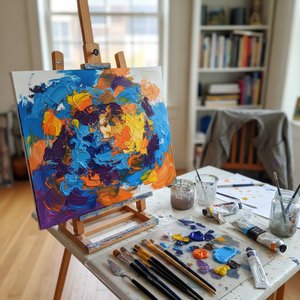
Acrylique sur toile : un médium moderne pour l'expression artistique
Découvrez l'acrylique sur toile : guide expert pour artistes et étudiants. Techniques, conseils, médiums et astuces pour maîtriser ce médium moderne et exprimer votre créativité.